Is Wine Good For You? 2025 Science-Backed Guide To Sip Smarter
Uncover the truth about wine's health benefits, risks, and expert advice on moderate consumption for heart health and longevity.
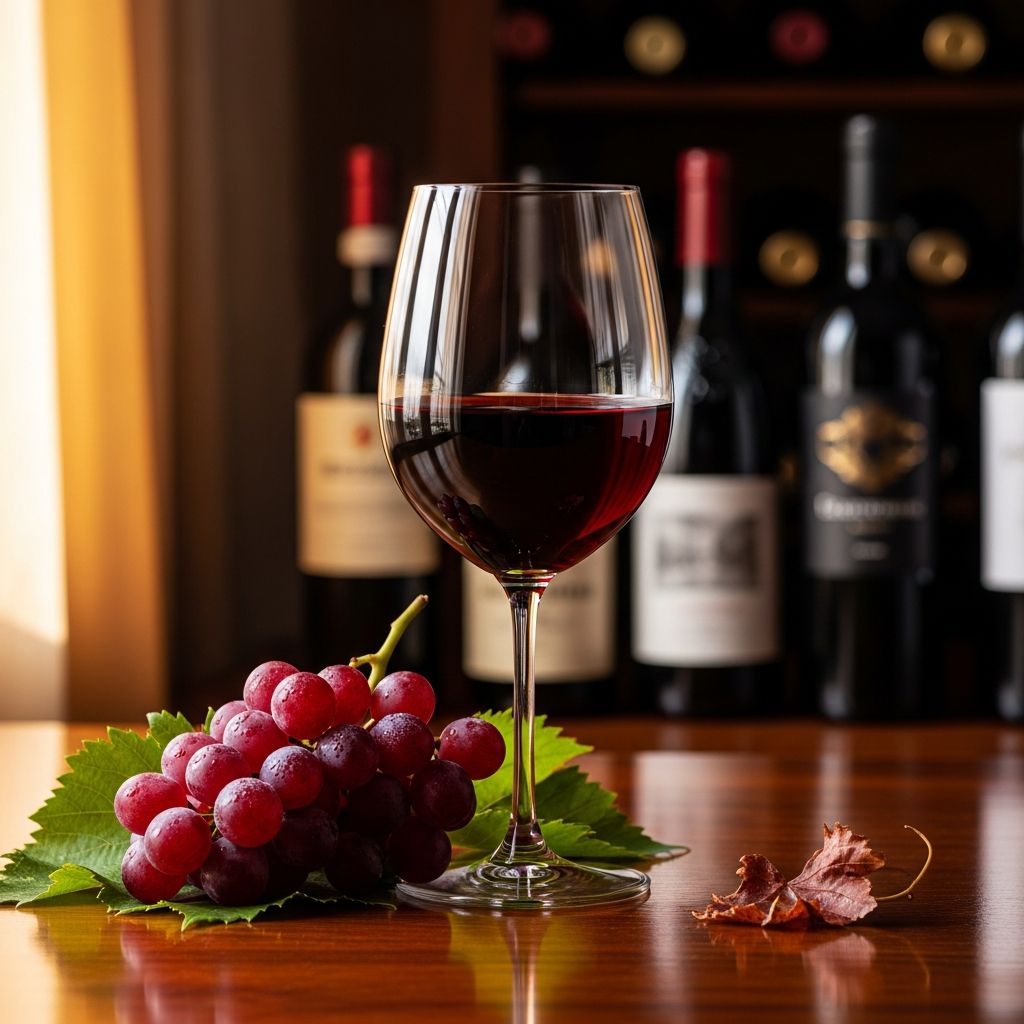
From the sun-drenched vineyards of Tuscany to cozy dinner tables worldwide, wine has captivated humanity for millennia. But beyond its sensory pleasures, a persistent question lingers: is wine good for you? Social media buzzes with claims that a daily glass boosts heart health, sharpens cognition, and even promotes longevity. Yet headlines warning of alcohol’s dangers—from cancer risks to addiction—create confusion. The truth? It’s nuanced.
This comprehensive guide draws from the latest research by the World Health Organization, American Heart Association, and peer-reviewed studies to unpack wine’s potential benefits, serious risks, ideal serving sizes, and who should avoid it entirely. Whether you’re a casual sipper or wine enthusiast, discover science-backed insights to sip smarter.
What Are Wine’s Potential Health Benefits?
Moderate wine consumption—particularly red wine—shows promising links to health in observational studies. But correlation doesn’t equal causation, and benefits may stem from lifestyle factors like the Mediterranean diet. Here’s what the evidence reveals:
Rich in Heart-Healthy Antioxidants
Red wine’s deep hue comes from grape skins packed with polyphenols like resveratrol, quercetin, and anthocyanins. These antioxidants combat oxidative stress and inflammation, key culprits in cardiovascular disease.
- Resveratrol: This compound activates sirtuins, proteins linked to longevity in animal studies. A 2023 meta-analysis in Nutrients found resveratrol improved endothelial function, reducing blood pressure by 2-5 mmHg in hypertensive patients.
- Polyphenol Power: Harvard’s Nurses’ Health Study (tracking 80,000+ women since 1980) associated 1-2 glasses of red wine daily with 30-40% lower coronary heart disease risk compared to non-drinkers.
White wines offer fewer polyphenols since skins are removed early, but varieties like Sauvignon Blanc retain some benefits.
May Support Brain Health and Longevity
The ‘French Paradox’—France’s low heart disease despite rich diets, attributed to wine—sparked global interest. Recent data supports moderate intake:
- A 2024 Journal of Alzheimer’s Disease study linked 7-14 drinks/week to 20% slower cognitive decline in older adults.
- Resveratrol mimics calorie restriction’s effects, boosting NAD+ levels for cellular repair, per University of California research.
Other Potential Perks
| Benefit | Evidence | Wine Type |
|---|---|---|
| Gut Microbiome Support | Polyphenols act as prebiotics; Italian study showed improved diversity after 4 weeks. | Red |
| Blood Sugar Control | Modest HbA1c reduction in type 2 diabetes patients (Diabetes Care, 2022). | Red/White |
| Longevity | Red |
The Risks: Why Wine Isn’t Unconditionally ‘Good’
Potential upsides don’t outweigh dangers for everyone. The WHO states no safe alcohol level, classifying it as a Group 1 carcinogen alongside asbestos. Here’s why moderation is critical:
Cancer Risk Rises with Every Glass
Ethanol metabolizes into acetaldehyde, a DNA-damaging toxin. A 2024 The Lancet Oncology global study estimated alcohol causes 740,000 cancer cases yearly:
- Breast cancer risk increases 7-10% per daily drink (American Cancer Society).
- Mouth, throat, liver, and colorectal cancers link to even light drinking.
Heart Health Myth Busted?
While moderate drinking correlates with lower heart disease, abstainers often include former heavy drinkers with pre-existing damage, skewing data (sick quitter bias). Lifelong non-drinkers fare best long-term, per Circulation (2023).
Related Stories



Addiction, Liver Damage, and More
- Liver: Fatty liver progresses to cirrhosis after 10-20 years of excess.
- Mental Health: Alcohol disrupts serotonin/dopamine, worsening anxiety/depression.
- Sleep: Suppresses REM, causing fragmented rest despite initial drowsiness.
- Calories: 125 kcal/glass adds up; dry wines are lower-carb.
How Much Wine Constitutes ‘Moderate’ Drinking?
Guidelines vary, but consensus emphasizes personalized limits:
| Organization | Women (drinks/week) | Men (drinks/week) | Notes |
|---|---|---|---|
| CDC/AHA | ≤7 | ≤14 | 1 drink = 5 oz wine |
| WHO | 0 | 0 | Any amount risky |
| American College of Cardiology | ≤5-15g alcohol/day | ≤5-15g alcohol/day | ~½ bottle/week |
Serving size: 5 oz (150ml) standard pour. Women process alcohol slower due to less body water/enzymes—hence lower limits.
Who Should Never Drink Wine?
For some, zero is best:
- Pregnant/breastfeeding individuals (FASD risk).
- History of alcohol use disorder/addiction.
- Liver disease, pancreatitis, certain cancers.
- Medications interacting with alcohol (e.g., statins, antidepressants).
- Under 21 or planning to drive/operate machinery.
- Those with GERD, migraines, or Asian flush (ALDH2 mutation).
Healthier Ways to Get Wine’s Benefits
Skip alcohol’s risks with non-alcoholic alternatives:
- Grape Juice/Whole Grapes: Concord grapes match resveratrol levels.
- Berries: Blueberries/raspberries offer anthocyanins.
- Dark Chocolate/Peanut Butter: Resveratrol sources.
- Green Tea: EGCG rivals polyphenols.
- Dealcoholized Wine: Retains 70-90% antioxidants.
Expert Tips for Mindful Wine Drinking
Registered Dietitian Nutritionists share strategies:
“Opt for dry reds (Pinot Noir, Cabernet Sauvignon) with meals to slow absorption and maximize polyphenols.” — Courtney D’Angelo, RD
- Pair with protein/fiber-rich foods.
- Alternate with water (1:1 ratio).
- Track intake via apps like DrinkControl.
- Choose organic/sulfite-free to minimize additives.
- Schedule alcohol-free days (minimum 3/week).
Frequently Asked Questions (FAQs)
Is red wine healthier than white?
Yes, red wine’s skin contact yields 10x more polyphenols. But both offer benefits in moderation over spirits.
Does wine help you lose weight?
No—it’s calorie-dense (125 kcal/glass) without satiety. Dry varieties (<4g sugar/L) are preferable.
Can wine reverse heart disease?
It may reduce risk factors but doesn’t reverse damage. Prioritize exercise, smoking cessation, statins.
Is organic wine healthier?
Lower pesticides, but alcohol remains the primary risk. Focus on moderation over production method.
What about wine for longevity like in Blue Zones?
Context matters: Sardinians drink Cannonau with beans/veggies/walking—not solo evening pours.
Bottom Line: Proceed with Caution
Wine offers tantalizing benefits—potent antioxidants, heart protection hints, even brain boosts—but risks loom large. Cancer links, addiction potential, and WHO’s stark warning urge restraint. If you enjoy wine, embrace true moderation (≤7 drinks/week women, ≤14 men), pair wisely, and consider non-alcoholic paths to polyphenols. Non-drinkers needn’t start; lifelong abstinence often yields optimal health. Consult your doctor for personalized advice—especially with medications or family history. Salute responsibly.
References
- No level of alcohol consumption is safe for our health — World Health Organization. 2023-01-04. https://www.who.int/news/item/04-01-2023-no-level-of-alcohol-consumption-is-safe-for-our-health
- Alcohol and Cancer Risk Fact Sheet — American Cancer Society. 2024-05-15. https://www.cancer.org/cancer/risk-prevention/diet-physical-activity/alcohol-use-and-cancer.html
- Resveratrol and Cardiovascular Diseases — Nutrients. 2023-05-12. https://doi.org/10.3390/nu15102234
- Alcohol Intake and Cognitive Decline — Journal of Alzheimer’s Disease. 2024-02-28. https://doi.org/10.3233/JAD-231015
- Dietary Guidelines for Americans 2020-2025: Alcohol — U.S. Department of Health & Human Services. 2020-12-01. https://www.dietaryguidelines.gov/sites/default/files/2020-12/Dietary_Guidelines_for_Americans_2020-2025.pdf
- Global burden of cancer attributable to alcohol in 2020 — The Lancet Oncology. 2024-07-10. https://doi.org/10.1016/S1470-2045(24)00257-7
Similar Articles








Read full bio of medha deb