Undefined: Is Your Baby Sensitive To Food? Signs And Next Steps
Understanding food sensitivity in infants: Signs, causes, and management strategies.
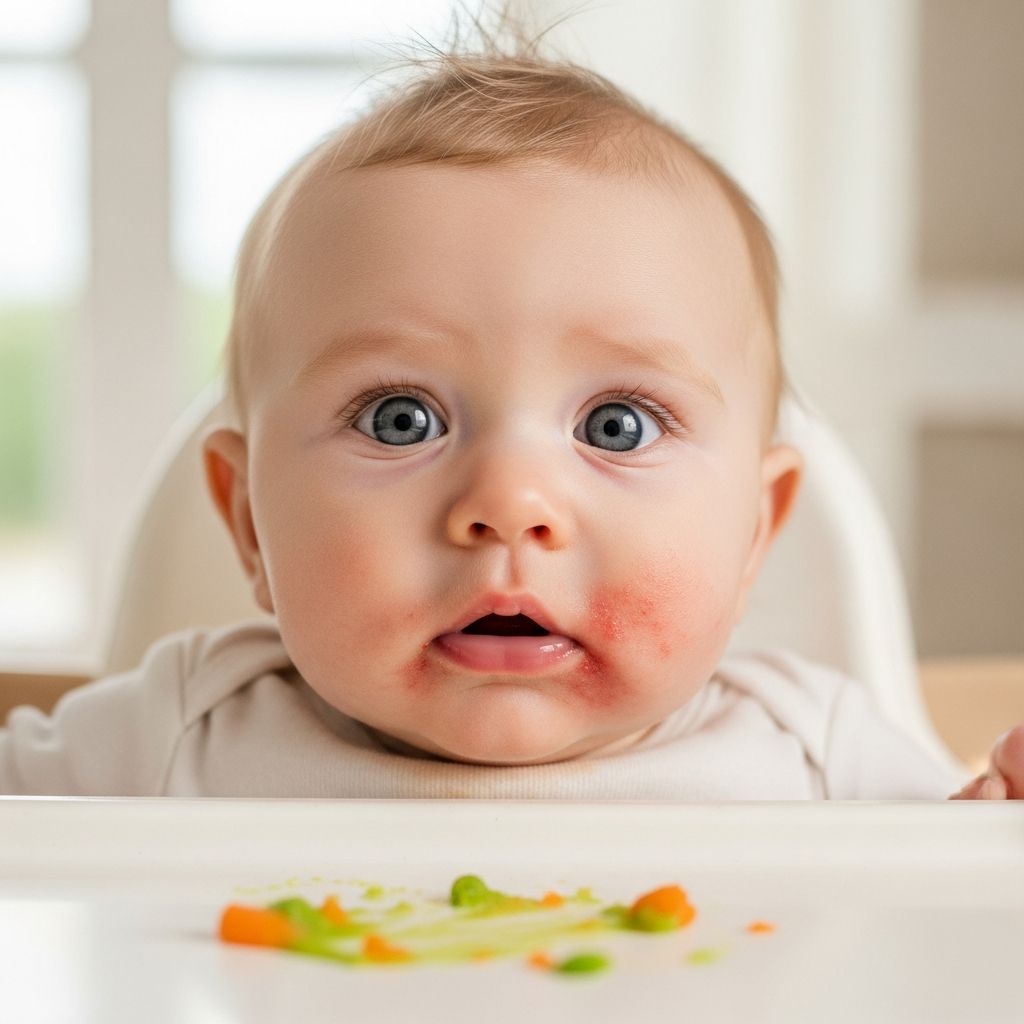
Is Your Baby Sensitive to Food?
Many parents wonder whether their baby is reacting negatively to certain foods or simply experiencing normal digestive discomfort. Understanding food sensitivity in infants is essential for ensuring your baby’s health and nutrition while providing appropriate care. Food reactions in babies can range from minor digestive issues to severe allergic responses, and knowing how to identify and respond to these reactions can make a significant difference in your child’s wellbeing.
Understanding Food Sensitivity in Babies
Food sensitivity in babies encompasses a spectrum of reactions that can occur when an infant consumes certain foods. These reactions may be caused by immune system responses, digestive difficulties, or other physiological factors. Food sensitivity differs from true allergies and intolerances in important ways, though the terms are sometimes used interchangeably by parents and caregivers.
When a baby shows signs of food sensitivity, it typically manifests through physical symptoms that can be observed shortly after consumption. The timing and severity of these symptoms can provide valuable clues about the underlying cause and whether the reaction requires immediate medical attention.
Distinguishing Between Food Allergies and Food Intolerances
One of the most important distinctions parents must understand is the difference between food allergies and food intolerances, as they require different management approaches.
Food Allergies
Food allergies involve the immune system and can be either IgE-mediated or non-IgE-mediated. In IgE-mediated allergies, the body produces specific antibodies in response to allergen exposure, which can trigger immediate reactions. These allergic reactions typically occur within two hours of consuming the allergenic food—and often begin within minutes.
Common symptoms of food allergies include:
- Itchy mouth and throat when eating certain foods
- Hives (raised red, itchy bumps on the skin)
- Stomach trouble, including diarrhea, cramps, nausea, and vomiting
- Swelling of the face or tongue
- Trouble breathing
- Shortness of breath and wheezing
- Pale, ashen, or bluish skin
The most common food allergens in infants include cow’s milk, eggs, nuts, peanuts, soy, and wheat.
Food Intolerances
Food intolerances are non-immune mediated processes and typically cause less severe symptoms than allergies. They may result from enzyme deficiencies, such as lactose intolerance, or from toxins present in foods. Symptoms of food intolerance usually develop more gradually and include:
- Abdominal pain
- Diarrhea
- Gas and bloating
- Headaches
- Heartburn
- Nausea
- Upset stomach
While food intolerances can cause discomfort, they do not pose the same serious health risks as allergic reactions and typically do not trigger anaphylaxis or severe breathing difficulties.
Identifying Signs of Food Sensitivity
Parents should be alert to various signs that may indicate their baby is experiencing food sensitivity. These signs can appear in different forms and at different times after food consumption.
Mild Symptoms
Some babies display mild reactions to certain foods that may not require immediate medical intervention. Mild symptoms include:
- Itchy or runny nose
- Sneezing
- A few isolated hives with mild itching
- Mild nausea or gastrointestinal discomfort
- A single episode of vomiting
Additionally, some babies cry, fuss, or nurse more frequently after their mother has eaten spicy or “gassy” foods such as cabbage. These reactions differ from true allergies in that they cause less-serious symptoms with no rashes or abnormal breathing and almost always last less than twenty-four hours.
Severe Symptoms Requiring Immediate Attention
Severe allergic reactions demand immediate medical attention. Parents should seek emergency care if their baby displays any of the following:
- Shortness of breath, wheezing, or repetitive cough
- Pale, ashen, or bluish skin
- Swelling of face, lips, or tongue
- Widespread hives covering the body
- Repetitive vomiting or diarrhea
- Sudden tiredness, lethargy, or appearing limp
- Difficulty breathing
- Rapid drop in blood pressure
- Dizziness or confusion
- Unconsciousness
Special Considerations: Eczema and Food Sensitivity
Babies with severe eczema are at significantly increased risk of developing food allergies. However, it is important to note that most babies with eczema do not have food allergies. In fact, only one third of moderate-severe eczema cases in babies can be directly associated with food allergens.
Ingestion of a food allergen can result in immediate skin symptoms such as redness, hives, itching, and swelling, but can also cause delayed flare-ups of pre-existing eczema. If your baby has eczema and you notice patterns of flare-ups following certain foods, consult with your pediatrician to determine if food allergen testing or elimination trials are appropriate.
Contact Rashes Versus Allergic Reactions
Not all rashes following food exposure indicate an allergic reaction. Contact rashes from acidic foods such as lemon, orange, pineapple, and tomato typically appear only in limited areas where the baby’s skin came into contact with the food, such as the chin. These contact rashes typically dissipate within 10 minutes of gentle cleansing, and there tend to be no other symptoms.
In contrast, if the rash is widespread, such as all over the torso, it is more likely to be an allergic reaction and you should seek immediate medical guidance.
Common Food Allergens in Infants
While any food could potentially cause an allergy, certain foods are responsible for the majority of allergic reactions in babies:
- Dairy: All forms of cow’s milk, including milk, cheese, yogurt, and ice cream
- Eggs
- Nuts
- Peanuts
- Soy
- Wheat
Cow’s milk protein allergy is among the most common, affecting up to 3% of infants. Up to 60% of infants with cow milk protein allergy have the IgE-mediated form, which can trigger immediate reactions including difficulty breathing, wheezing, and gastrointestinal symptoms.
Food Protein-Induced Enterocolitis Syndrome (FPIES)
FPIES is a specific type of non-IgE-mediated allergic reaction that requires special attention. The classic presentation of FPIES is an infant who recently switched from breast milk to formula or has started solid foods. The condition typically presents with delayed symptoms rather than immediate reactions.
Symptoms of FPIES include:
- Vomiting beginning between 1 to 4 hours after ingesting trigger food
- Diarrhea between 5 to 10 hours after ingestion
- Low blood pressure
- Low body temperature
- Extreme pallor
- Significant dehydration
- Lethargy and hypotonia
- Hypovolemic shock (in about 20% of cases)
The most common food culprits of FPIES are cow’s milk products (such as formula), soy, oats, and rice, followed by other foods such as avocado, banana, barley, eggs, green beans, peas, meats, poultry, seafood, squash, and sweet potatoes. Importantly, FPIES is extremely rare in exclusively breastfed infants.
Breastfed Babies and Maternal Diet
Even babies who are exclusively breastfed can show signs of food allergy if they are sensitive to foods in their mother’s diet. Breastfed infants who are highly sensitive to cow’s milk protein may react to dairy products consumed by the nursing mother, in which case maternal avoidance may be required.
Signs of food allergy in exclusively breastfed babies include:
- Diarrhea
- Bloody stools
- Vomiting
- Severe colic
- Abdominal discomfort
- Skin rash such as eczema or hives
- Difficulty breathing lasting up to several hours after breastfeeding
While rare, especially among breastfed babies, milk allergies can be severe or fatal. Most babies eventually outgrow their allergy to cow’s milk, although food allergies to other substances may be lifelong.
Managing Food Sensitivity Through Introduction Practices
Proper food introduction practices can help minimize adverse reactions and identify problematic foods. It is important to start small when introducing new foods because generally, the more of the allergen consumed, the more severe the reaction is likely to be.
Additionally, a baby may not have an allergic reaction the first time they are exposed to a food, so parents should be watchful on the second and subsequent exposures. When introducing new foods, introduce one new food at a time with a gap of several days between introductions to allow parents to identify any reactions clearly.
When to Seek Medical Guidance
Parents should contact their pediatrician if they note any concerning symptoms in their baby after food consumption. This includes:
- Signs of severe colic
- Abdominal discomfort
- Skin rashes such as eczema or hives
- Vomiting or severe diarrhea, particularly with blood in the stool
- Difficulty breathing lasting several hours after feeding
Additionally, if your baby reacts negatively every time you eat a certain food and you find this troubling, you can avoid that particular food temporarily while consulting with your pediatrician. If symptoms continue on a daily basis and last for long periods, they may indicate colic rather than food sensitivity. Your pediatrician can help determine the underlying cause.
Diagnosis and Testing
For IgE-mediated allergies, the gold standard for diagnosis is the double-blind food challenge, though this is difficult to implement and carries risk for the infant. For FPIES, diagnosis involves careful history and physical examination, as standard skin prick testing and blood testing for specific IgE are routinely negative.
If you suspect your baby has a food allergy or intolerance, work closely with your pediatrician or a pediatric allergist to develop an appropriate diagnostic and management plan.
Managing Cow Milk Protein Allergy
For formula-fed infants with cow milk protein allergy, most tolerate a formula labeled “hypoallergenic” (hydrolyzed casein-based formula). If an infant reacts to hypoallergenic cow milk-derived formulas, an amino acid formula may be tolerated.
Restriction of all milk protein typically leads to resolution of symptoms within 4 to 6 weeks for non-IgE-mediated forms of cow milk protein allergy.
The Difference Between Food Sensitivity and Colic
It’s important for parents to understand that not all fussiness or digestive upset in babies indicates food sensitivity. Some babies cry, fuss, or nurse more frequently due to normal digestive processes or colic, which is different from food reactions. If eliminating various foods has no effect on your child’s symptoms, discuss the possibility of colic with your pediatrician rather than continuing unnecessary dietary restrictions.
Frequently Asked Questions
Q: How quickly do food allergic reactions typically occur in babies?
A: Allergic reactions to food typically occur within two hours of consuming the allergenic food, and often begin within minutes. However, some babies may experience delayed allergic reactions, typically due to FPIES, which can develop 1 to 4 hours after ingestion.
Q: Can exclusively breastfed babies have food allergies?
A: Yes, even exclusively breastfed babies can develop allergies to foods consumed by their mother. Breastfed infants sensitive to cow’s milk protein may react if the nursing mother consumes dairy products. FPIES is extremely rare in exclusively breastfed infants, however.
Q: What should I do if my baby has a severe allergic reaction?
A: If your baby shows signs of anaphylaxis or severe allergic reaction—such as difficulty breathing, swelling of the face or throat, or loss of consciousness—go to the nearest emergency department or call 911 immediately.
Q: How can I tell if a rash is from food allergy or just contact irritation?
A: Contact rashes from acidic foods typically appear only where the skin contacted the food (like the chin) and disappear within 10 minutes of gentle cleaning. Allergic rashes are usually widespread and accompanied by other symptoms.
Q: Do all babies with eczema have food allergies?
A: No. While babies with severe eczema are at increased risk for food allergies, most babies with eczema do not have food allergies. Only about one third of moderate-severe eczema cases can be directly associated with food allergens.
Q: What is the difference between food intolerance and food allergy?
A: Food allergies involve the immune system and can trigger serious reactions including anaphylaxis. Food intolerances are non-immune mediated and typically cause digestive discomfort like gas, bloating, and diarrhea without danger of severe reactions.
Q: When should I introduce new foods to my baby to minimize reaction risk?
A: Introduce one new food at a time with a gap of several days between introductions. Start with small amounts, as more of an allergen generally causes more severe reactions. Monitor carefully on subsequent exposures, as babies may not react the first time they encounter an allergen.
References
- Symptoms of Allergic Reactions in Babies — Solid Starts. 2024. https://solidstarts.com/symptoms-of-allergic-reactions/
- Food Allergies and Intolerances in Newborns and Infants — American Academy of Pediatrics. 2024. https://www.aap.org/en/patient-care/newborn-and-infant-nutrition/food-allergies-and-intolerances-in-newborns-and-infants/
- Infant Allergies and Food Sensitivities — HealthyChildren.org. 2024. https://www.healthychildren.org/English/ages-stages/baby/breastfeeding/Pages/Infant-Allergies-and-Food-Sensitivities.aspx
- Breastfeeding a Baby with Food Allergies — Children’s Hospital of Philadelphia. 2024. https://www.chop.edu/centers-programs/breastfeeding-and-lactation-program/breastfeeding-baby-food-allergies
- Food Allergy vs. Food Intolerance: What is the Difference — Canadian Paediatric Society. 2024. https://caringforkids.cps.ca/handouts/healthy-living/food_allergies_and_intolerances
Similar Articles



Read full bio of medha deb