Oral Health: 7 Serious Conditions Caused By Gum Disease
Discover how poor oral health silently contributes to serious systemic diseases and learn vital steps to protect your overall well-being.
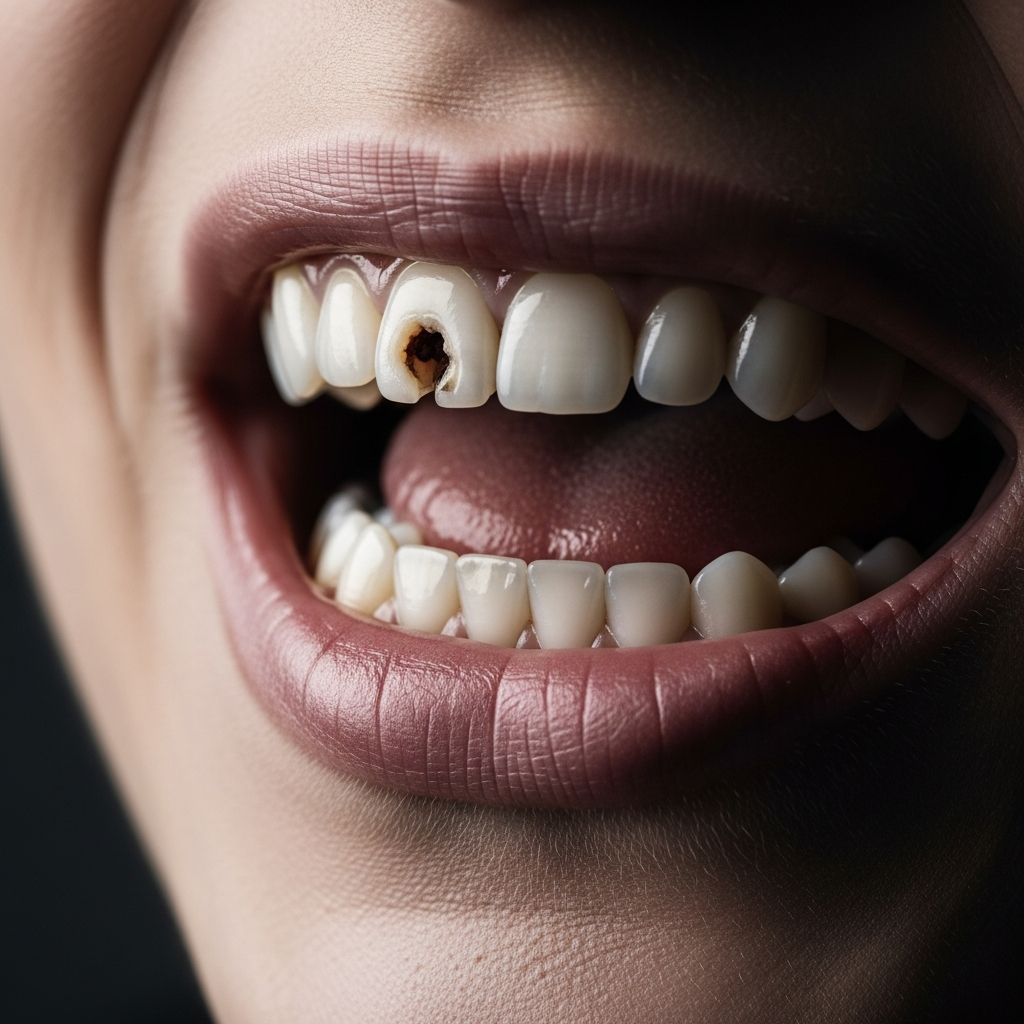
Your mouth is more than just a gateway for food and words—it’s a vital ecosystem that can influence your entire body’s health. Emerging research reveals strong links between poor oral health, particularly gum disease, and chronic conditions like heart disease, diabetes, and even dementia. Neglecting oral hygiene allows bacteria to thrive, potentially entering the bloodstream and triggering inflammation elsewhere. This article delves into these connections, prevention strategies, and practical steps to safeguard your health.
What is periodontal disease?
Periodontal disease, commonly known as gum disease, is a serious infection affecting the soft tissue and bone supporting your teeth. It begins with plaque—a sticky film of bacteria that forms on teeth daily. If not removed through brushing and flossing, plaque hardens into tartar, irritating gums and causing gingivitis, the earliest stage.
Gingivitis leads to red, swollen gums that bleed easily. Without treatment, it progresses to periodontitis, where gums pull away from teeth, forming pockets that harbor more bacteria. This destroys supporting bone and tissue, potentially leading to tooth loss. Advanced stages include necrotizing ulcerative periodontitis, which can spread to bone and cause severe complications like halitosis, recession, and rarely, noma in vulnerable individuals.
- Key risk factors: Poor oral hygiene, smoking, diabetes, genetics, and hormonal changes.
- Prevalence: Affects nearly half of adults over 30 worldwide, rising with age.
Prevention hinges on daily plaque removal. The World Health Organization emphasizes twice-daily brushing with fluoride toothpaste (1000-1500 ppm) and regular dental visits.
How does gum disease affect the rest of the body?
Oral bacteria don’t stay confined to the mouth. During chewing, brushing, or flossing, they can enter the bloodstream, causing systemic inflammation. This bidirectional relationship means oral health impacts—and is impacted by—various diseases.
Low-grade inflammation from periodontitis releases cytokines, promoting atherosclerosis and endothelial dysfunction elsewhere. Studies link chronic oral infections to endothelial damage, increasing cardiovascular risks. Proper hygiene mitigates these pathways, underscoring oral care’s role in whole-body health.
Links to specific diseases
Heart disease and stroke
Periodontitis triples the risk of heart disease. Bacteria like Porphyromonas gingivalis travel via blood, contributing to plaque buildup in arteries. A Cleveland Clinic review notes oral infections can lead to bacteremia, heightening stroke and endocarditis risks. The ADA supports that good home care reduces these systemic threats.
Diabetes
Diabetes and gum disease form a vicious cycle: high blood sugar impairs immune response, worsening infections, while inflammation raises blood sugar. People with periodontitis are twice as likely to develop diabetes, and poor control accelerates progression. Managing oral health improves glycemic control.
Rheumatoid arthritis
Shared inflammatory pathways link periodontitis to rheumatoid arthritis (RA). P. gingivalis produces enzymes citrullinating proteins, triggering autoimmune responses in genetically susceptible individuals. Treating gum disease slows RA joint damage.
Related Stories



Other conditions
- Respiratory infections: Oral bacteria aspirated into lungs exacerbate pneumonia, especially in the elderly.
- Pregnancy complications: Periodontitis raises preterm birth and low birth weight risks by 7x due to inflammatory mediators.
- Alzheimer’s and dementia: Chronic oral inflammation may accelerate cognitive decline via bacterial invasion of the brain.
- Kidney disease: Linked through inflammation and bacterial spread.
| Condition | Oral Health Link | Evidence Source |
|---|---|---|
| Heart Disease | Bacteria-induced atherosclerosis | Cleveland Clinic |
| Diabetes | Bidirectional inflammation | WHO |
| Rheumatoid Arthritis | Autoimmune trigger via citrullination | UIC Dentistry |
| Pneumonia | Bacterial aspiration | NIDCR |
Warning signs of gum disease
Early detection prevents progression. Monitor for these symptoms and consult a dentist promptly.
- Gums that bleed during brushing or eating.
- Red, swollen, or tender gums.
- Persistent bad breath (halitosis).
- Gum recession exposing roots.
- Loose or shifting teeth.
- Pus between teeth and gums.
- Pain when chewing.
If plaque hardens into tartar, professional cleaning is essential—home care can’t remove it. Warning signs like chronic bad breath or bleeding indicate the need for immediate evaluation.
Prevention and oral hygiene tips
Preventive care is straightforward and effective. The NIDCR stresses plaque removal to avoid decay and gingivitis. ADA recommends personalized routines based on clinical data.
Daily routine
- Brush twice daily: Use a soft-bristled toothbrush and fluoride toothpaste for 2 minutes. Angle at 45 degrees to gums, covering all surfaces.
- Floss daily: Clean between teeth to remove interdental plaque. Use floss picks if needed.
- Mouthwash: Antiseptic rinses like chlorhexidine reduce bacteria.
Weekly and professional care
- Floss 3x/week minimum; daily ideal.
- Visit dentist every 6 months, or 3-4 months if high-risk. NICE guidelines: 3-24 months based on needs.
- Diet: Limit sugars; eat crunchy fruits/veggies.
Quit smoking—it’s a major contributor. Fluoride exposure prevents caries. Tailor routines for conditions like diabetes.
Treatment options
Treatment scales with severity. Start with improved hygiene and professional cleanings to reverse gingivitis.
- Non-surgical: Scaling/root planing removes tartar from pockets.
- Medications: Antimicrobials or antibiotics short-term.
- Surgical: Flap surgery, bone/tissue grafts for advanced cases.
- Maintenance: Regular follow-ups prevent recurrence.
Pain management: NSAIDs like ibuprofen; soft diet; avoid extremes. Dentists handle definitive care.
Frequently Asked Questions (FAQs)
Q: Can gum disease be reversed?
A: Yes, early gingivitis reverses with excellent hygiene and cleanings. Advanced periodontitis requires professional intervention but can be halted.
Q: How often should I visit the dentist?
A: Every 6 months typically; more if you have gum disease or risks. Personalized by your dentist.
Q: Does oral health really affect heart disease?
A: Yes, evidence shows periodontitis increases risk via inflammation and bacteremia.
Q: What’s the best way to prevent plaque buildup?
A: Brush 2x/day with fluoride paste, floss daily, and get regular cleanings.
Q: Is mouthwash enough instead of brushing?
A: No, it’s supplementary. Brushing and flossing are essential for plaque removal.
Conclusion: Take control of your oral health today
Poor oral health isn’t just a dental issue—it’s a gateway to systemic disease. By committing to daily hygiene, regular check-ups, and lifestyle changes, you protect your teeth and body. Consult your dentist for tailored advice and start today for lifelong benefits.
References
- Home Oral Care — American Dental Association. 2023. https://www.ada.org/resources/ada-library/oral-health-topics/home-care
- Dental and Periodontal Diseases — Patient.info. 2024. https://patient.info/doctor/history-examination/some-dental-and-periodontal-diseases
- Oral Hygiene: Best Practices & Instructions — Cleveland Clinic. 2024. https://my.clevelandclinic.org/health/treatments/16914-oral-hygiene
- Oral Health — World Health Organization. 2024-10-24. https://www.who.int/news-room/fact-sheets/detail/oral-health
- Oral Hygiene — National Institute of Dental and Craniofacial Research. 2023. https://www.nidcr.nih.gov/health-info/oral-hygiene
- The Surprising Connections Between Oral Health and Well Being — University of Illinois Chicago College of Dentistry. 2023. https://dentistry.uic.edu/news-stories/the-surprising-connections-between-oral-health-and-well-being/
Similar Articles








Read full bio of Sneha Tete