Isosorbide Dinitrate: Uses, Dosage & Side Effects
Complete guide to isosorbide dinitrate: preventing angina, dosage, and managing side effects effectively.
What is Isosorbide Dinitrate?
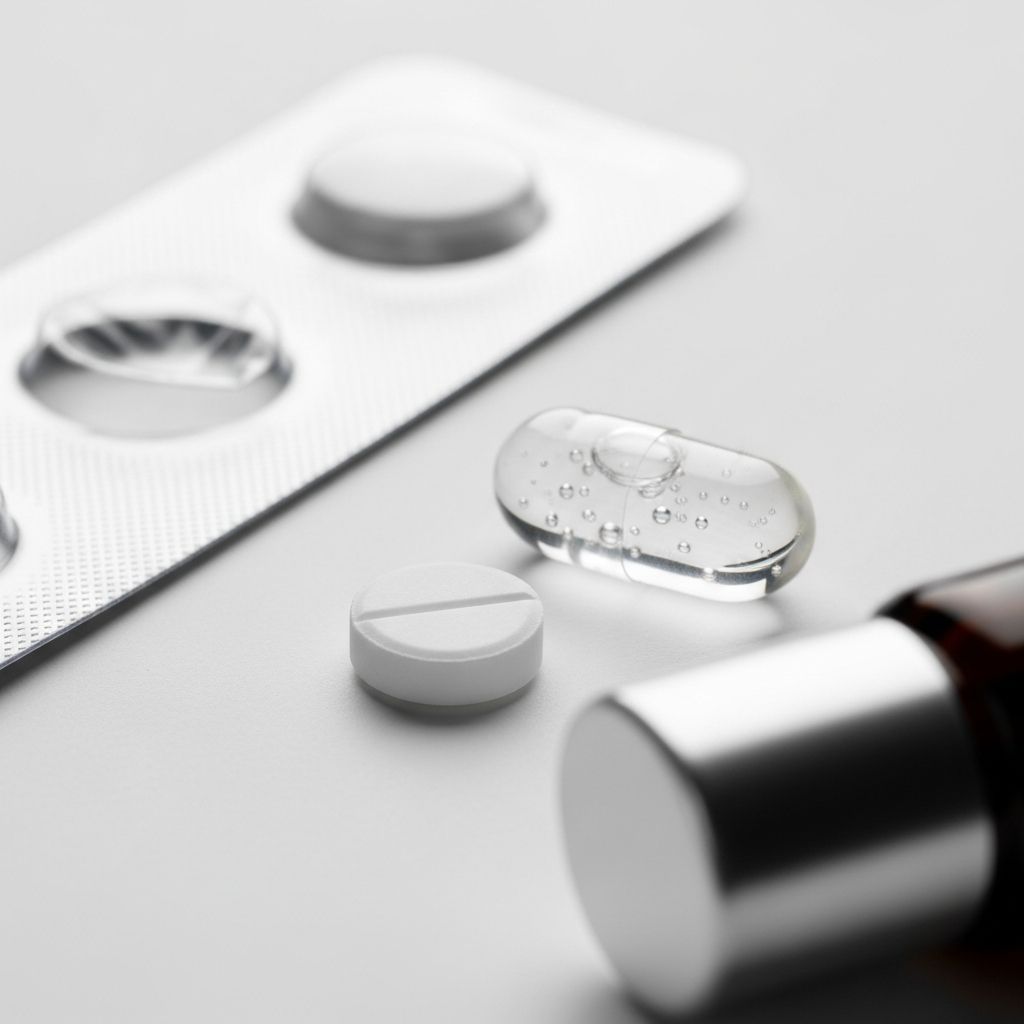
Isosorbide dinitrate is a medication belonging to a group of medicines called nitrates, used primarily to prevent angina pain (chest pain) caused by coronary artery disease. It is available under various brand names, including Isoket Retard, and comes in different formulations including standard tablets and longer-acting modified-release versions. This medication works through multiple mechanisms to reduce the workload on your heart and improve blood flow to the heart muscle.
How Does Isosorbide Dinitrate Work?
Isosorbide dinitrate operates through two primary mechanisms to provide relief from angina symptoms:
- Relaxation of blood vessels throughout the body: The medication causes blood vessels in your body to relax and widen (dilate). This vasodilation reduces the overall strain on your heart, making it easier for your heart to pump blood around your body. By decreasing peripheral vascular resistance, the medication lowers the workload on the heart muscle.
- Improvement of coronary blood flow: Isosorbide dinitrate specifically relaxes and widens the blood vessels in your heart known as coronary arteries. This increased blood flow to the heart muscle ensures that your heart receives more oxygen, which is essential for proper functioning and helps prevent angina attacks.
The medication achieves these effects by relaxing vascular smooth muscle, which leads to dilatation of both peripheral arteries and veins. Venous dilation promotes peripheral pooling of blood and decreases venous return to the heart, thereby reducing left ventricular end-diastolic pressure and pulmonary capillary wedge pressure (preload). This reduction in preload helps decrease the overall workload on the heart.
Uses of Isosorbide Dinitrate
Isosorbide dinitrate has several important clinical applications:
- Angina prevention: The primary use of isosorbide dinitrate is to prevent angina pain. When taken regularly on a long-term basis, it helps prevent angina attacks from occurring by maintaining improved blood flow and reducing cardiac workload. However, it is important to note that this medication does not work fast enough to relieve the pain of an angina attack that has already started.
- Heart failure treatment: Isosorbide dinitrate is sometimes prescribed for people with congestive heart failure (where the heart does not beat as efficiently as it should). It is particularly effective in patients with increased left ventricular end diastolic pressure—a condition known as “backward failure”—and normal or approximately normal cardiac output in whom pulmonary congestion or edema is the primary problem.
- Quick relief formulations: Some isosorbide dinitrate tablets, particularly sublingual (under-the-tongue) forms, can provide quick relief of angina pain when it happens, though the oral forms used for prevention work too slowly for acute relief.
Before Taking Isosorbide Dinitrate
Before you start taking isosorbide dinitrate, it is crucial that your doctor knows about your medical history and current circumstances. Some medicines are not suitable for people with certain conditions, and sometimes a medicine may only be used if extra care is taken. Your doctor should be aware of the following:
- If you are pregnant or breastfeeding, as the safety of this medication during pregnancy and lactation must be carefully evaluated.
- If you have any existing medical conditions, particularly those affecting your heart, blood pressure, or liver and kidney function.
- If you are taking any other medications, as isosorbide dinitrate can interact with certain drugs.
- If you have a history of hypotension (low blood pressure) or volume depletion, as the drug should be used with caution in such patients.
Your doctor will carefully assess whether isosorbide dinitrate is appropriate for your situation and will determine the most suitable dosage for your individual needs.
Dosage and How to Take Isosorbide Dinitrate
The dosage of isosorbide dinitrate varies depending on the formulation and your individual needs. Your doctor will tell you which type of tablets you are being supplied with, and your dose will be printed on the label of the pack to remind you about how to take them.
Standard (Immediate-Release) Tablets
Standard tablets, sometimes called immediate-release tablets, are taken three or four times a day, with the last dose usually being taken no later than 6 pm. For adults, the typical initial dose is 5 to 20 milligrams (mg) taken two or three times a day, though your doctor may increase your dose as needed based on your response to treatment. The usual dosing range for angina management is 5 mg to 30 mg taken four times daily, preferably on an empty stomach.
Related Stories



Modified-Release (Retard) Tablets
Longer-acting tablets, called modified-release or “Retard” tablets, offer a more convenient dosing schedule. These tablets are taken twice daily: the first dose in the morning and the second dose mid-afternoon. For adults using extended-release tablets, the initial dose is typically 40 milligrams (mg) taken two times a day, and your doctor may increase your dose as needed, though the dose is usually not more than 160 mg per day. The extended-release form releases medicine gradually to provide its effect for 8 to 10 hours.
Administration Instructions
You can take isosorbide dinitrate tablets either before or after meals, providing flexibility in your medication routine. However, some sources recommend taking this form of the medication on an empty stomach, at least 30 minutes before or 2 hours after food. Take your medication at regular intervals and do not take your medication more often than directed. It is essential to follow the instructions your doctor gives you about when to take your doses, as the timing can be important for maximizing the medication’s effectiveness.
Tolerance to Isosorbide Dinitrate
One important consideration with isosorbide dinitrate is that the longer you take it, the more your body can become used to it—a phenomenon called tolerance—and then it can have less of an effect. To avoid this development of tolerance, your doses may not be prescribed at equal intervals throughout the day. For example, your doctor might recommend a dose-free interval, typically at night, to help prevent your body from developing resistance to the medication. It is important that you follow the instructions your doctor gives you about when to take your doses to maintain the medication’s effectiveness over time.
Possible Side Effects of Isosorbide Dinitrate
Like all medications, isosorbide dinitrate can cause side effects, although not everyone will experience them. The most common side effect is headache, which should pass after a few days of taking your medication. Adverse reactions to isosorbide dinitrate are generally dose-related, and almost all of these reactions are reversible with dose reduction or discontinuation of the drug.
Common Side Effects
- Headache (most common, usually temporary)
- Dizziness, faintness, or lightheadedness, especially when getting up suddenly from a lying or sitting position
- Fainting
- Fast or irregular heartbeat
- Flushing (feeling of warmth or redness in the face and neck)
- Sweating
Less Common Side Effects
- Arm, back, or jaw pain
- Blurred vision
- Chest pain or discomfort
- Chest tightness or heaviness
- Confusion
- Nausea and vomiting
- Palpitations
- Visual disturbances
This medication may affect your coordination, reaction time, or judgment, so you should not drive or operate machinery until you know how the medication affects you. Additionally, sit up or stand slowly to reduce the risk of dizzy or fainting spells, as orthostatic hypotension (sudden drop in blood pressure upon standing) is a potential side effect.
Important Precautions and Drug Interactions
Several important precautions should be taken when using isosorbide dinitrate:
- Alcohol interaction: Drinking alcohol with this medication can increase the risk of dizziness and fainting, as both alcohol and isosorbide dinitrate can lower blood pressure.
- Gradual dose reduction: Do not stop taking this medication suddenly, as your symptoms may get worse. Ask your care team how to gradually reduce the dose if discontinuation becomes necessary.
- Regular monitoring: Visit your care team for regular checks on your progress. Check your heart rate and blood pressure as directed, and know what your heart rate and blood pressure should be and when to contact your care team.
- Effectiveness assessment: Tell your care team if you feel your medication is no longer working, as this may indicate tolerance development requiring dosage adjustment.
- Elderly patients: In general, dose selection for an elderly patient should be cautious, usually starting at the low end of the dosing range, reflecting the greater frequency of decreased hepatic, renal, or cardiac function, and of concomitant disease or other drug therapy.
When to Seek Emergency Help
Get emergency help immediately if any of the following symptoms of overdose occur:
- Blue or grey discoloration of your mouth (lips, tongue or gums), face or skin
- Seizure or fit
- Severe breathing problems
- Severe headache with confusion and moderate fever
- Severe dizziness or fainting
- Slow or weak pulse
Monitoring Your Treatment
Try to keep your regular appointments with your doctor, as this allows your doctor to check on your progress and assess how well the medication is working for you. Your doctor may need to adjust your dose based on your response to treatment and any side effects you experience. Regular monitoring helps ensure that you are receiving the optimal dose for your condition while minimizing side effects.
Frequently Asked Questions (FAQs)
Q: Can isosorbide dinitrate be used to relieve an angina attack that has already started?
A: No, regular isosorbide dinitrate tablets and extended-release formulations work too slowly to relieve an acute angina attack. You would need a fast-acting form of nitrate (sublingual) for immediate relief. Check with your doctor if you also need a fast-acting medicine to relieve the pain of an angina attack.
Q: What should I do if I forget to take a dose of isosorbide dinitrate?
A: If you forget to take a dose, take it as soon as you remember unless it is almost time for your next dose. Never double your dose to make up for a missed dose. Continue with your regular dosing schedule the next day.
Q: Can I take isosorbide dinitrate with food?
A: Yes, you can take isosorbide dinitrate tablets either before or after meals, though some formulations may be better absorbed on an empty stomach. Follow the specific instructions provided by your doctor or on your prescription label.
Q: Why does my doctor prescribe different doses at different times of day?
A: Your doctor may prescribe unequal dosing intervals to prevent tolerance development. A dose-free interval, typically at night, helps prevent your body from becoming resistant to the medication’s effects.
Q: What is the difference between standard and modified-release isosorbide dinitrate?
A: Standard immediate-release tablets are taken three to four times daily, while modified-release (Retard) tablets are taken twice daily and release medicine gradually over 8-10 hours. Your doctor will determine which formulation is most appropriate for your needs.
Q: Can I drink alcohol while taking isosorbide dinitrate?
A: It is best to avoid or limit alcohol consumption while taking isosorbide dinitrate, as alcohol can increase the risk of dizziness, fainting, and other side effects related to blood pressure reduction.
Q: How long does it take for isosorbide dinitrate to start working?
A: When taken regularly on a long-term basis, isosorbide dinitrate helps prevent angina attacks by maintaining improved blood flow and reducing cardiac workload. However, it may take several days of consistent use before you notice the full benefits.
References
- Isosorbide dinitrate side-effects & dosage info — Patient.info. Accessed 2026-01-13. https://patient.info/medicine/isosorbide-dinitrate-isoket-retard
- Isosorbide dinitrate: Uses, Interactions, Mechanism of Action — DrugBank. https://go.drugbank.com/drugs/DB00883
- Isosorbide Dinitrate Tablets — Cleveland Clinic. https://my.clevelandclinic.org/health/drugs/18071-isosorbide-dinitrate-tablets
- ISOSORBIDE DINITRATE — Pfizer Labeling. https://labeling.pfizer.com/ShowLabeling.aspx?id=12816
- Isosorbide dinitrate (oral route, sublingual route) – Side effects — Mayo Clinic. https://www.mayoclinic.org/drugs-supplements/isosorbide-dinitrate-oral-route-sublingual-route/description/drg-20072904
- Isordil Titradose (isosorbide dinitrate) Tablets — FDA. 2015. https://www.accessdata.fda.gov/drugsatfda_docs/label/2015/012093s052lbl.pdf
- How and when to take isosorbide mononitrate and isosorbide dinitrate — NHS. https://www.nhs.uk/medicines/isosorbide-mononitrate-dinitrate/how-and-when-to-take-isosorbide-mononitrate-and-isosorbide-dinitrate/
Similar Articles








Read full bio of medha deb