Isotretinoin Guide: Dosage, Side Effects & Safety
Comprehensive guide to isotretinoin for severe acne: uses, effects, risks, and patient management.
Authoritative facts about isotretinoin (13-cis-retinoic acid) from high-credibility medical sources including Mayo Clinic, NHS, UK MHRA, and peer-reviewed studies.
What is isotretinoin?
Isotretinoin is a synthetic oral retinoid medication primarily used to treat severe nodular or conglobate acne vulgaris resistant to other therapies. Derived from vitamin A, it targets multiple acne pathogenic factors including sebaceous gland hyperplasia, abnormal keratinization, Propionibacterium acnes proliferation, and inflammation, often achieving long-term remission in 70-80% of patients after a single course.
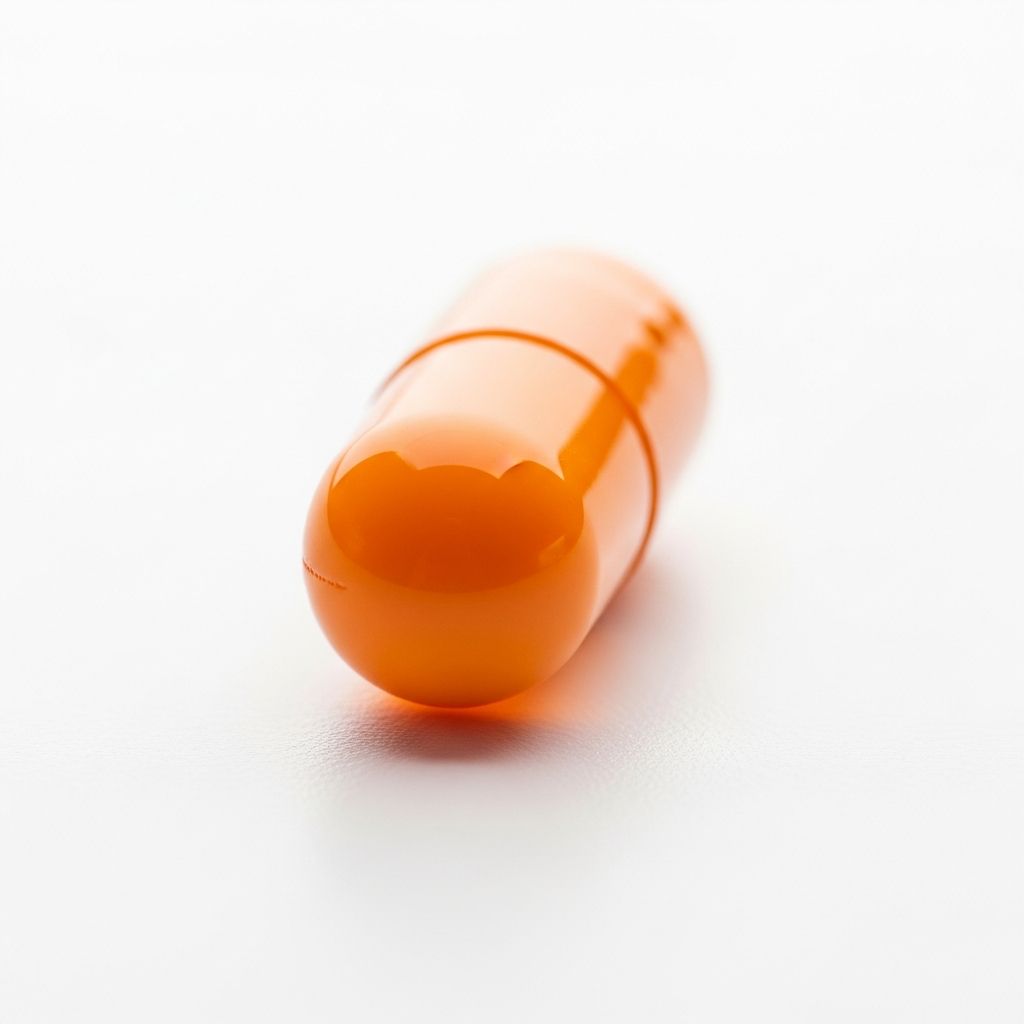
Available as capsules under brand names like Roaccutane, Accutane, or generics, it is highly lipophilic and reaches peak plasma levels 2-4 hours post-dose, with a half-life of about 21 hours. Cumulative dosing (120-150 mg/kg over 4-6 months) correlates with sustained efficacy.
Who should take isotretinoin?
Indicated exclusively for severe acne at risk of permanent scarring, unresponsive to prolonged systemic antibiotics (e.g., 3 months tetracycline) and topical treatments. Not for mild/moderate acne, due to risk-benefit profile. Specialist dermatologist oversight is mandatory; off-label use for rosacea or hidradenitis suppurativa lacks robust evidence and is discouraged.
- Suitable patients: Nodular/conglobate acne, acne fulminans, scarring acne.
- Contraindications: Pregnancy/breastfeeding, hepatic/renal impairment, hyperlipidemia, depression history without monitoring.
Pregnancy prevention programme
Isotretinoin is a potent
teratogen
causing severe fetal abnormalities (CNS, craniofacial, cardiac, thymic) in 40-60% of exposed pregnancies. Risk persists even from single doses or paternal exposure (semen negligible but theoretical). All women of childbearing potential (post-menarche) must enroll in aPregnancy Prevention Programme (PPP)
:- Two reliable contraception methods (e.g., hormonal + barrier) starting 1 month pre-treatment, during, and 1 month post.
- Monthly pregnancy tests (negative result within 3 days of prescription).
- Two prescribers’ signatures on PPP form.
- No sperm donation during + 1 month after treatment.
Men require counseling but no formal PPP. Immediate discontinuation if pregnancy occurs; specialist teratogen counseling mandatory.
Dosage regimens
Standard regimen: 0.5-1 mg/kg/day (max 2 mg/kg/day) divided BID with fatty food for optimal absorption, total cumulative dose 120-150 mg/kg over 4-6 months. Low-dose (0.1-0.5 mg/kg/day) options for tolerability in adults/teens.
| Patient Weight | Daily Dose (0.5 mg/kg) | Daily Dose (1 mg/kg) | Cumulative Target |
|---|---|---|---|
| 50 kg | 25 mg | 50 mg | 6,000-7,500 mg |
| 70 kg | 35 mg | 70 mg | 8,400-10,500 mg |
| 90 kg | 45 mg | 90 mg | 10,800-13,500 mg |
Treatment cessation when cumulative dose reached or acne cleared. Relapse (20-30%) may require second course after 2 months off.
Side effects and monitoring
Isotretinoin causes dose-related
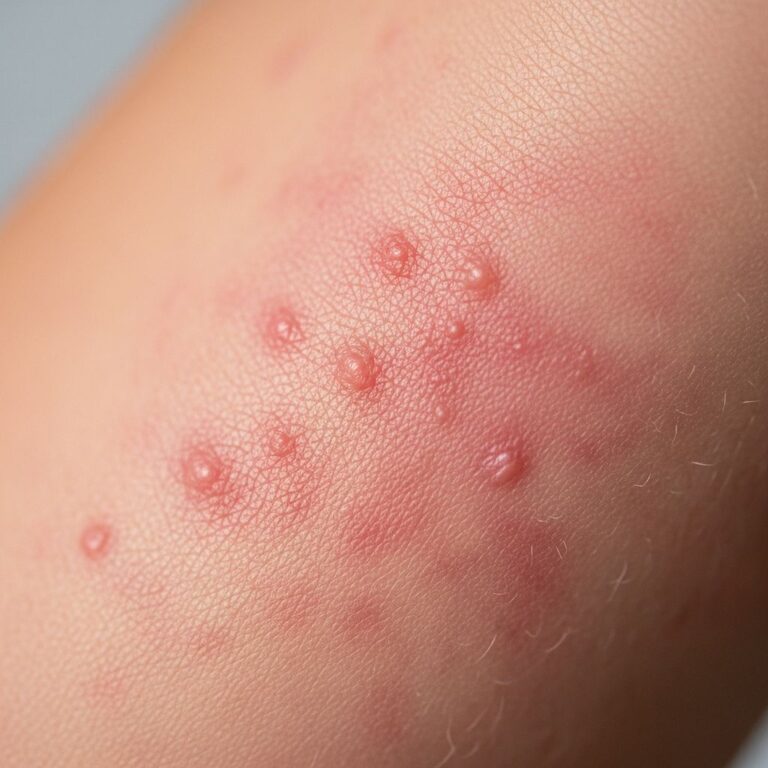
mucocutaneous dryness
(lips 90%, eyes/nose 40%, skin 30%), managed with emollients, artificial tears, lip balms. Other common effects include photosensitivity, hair thinning (reversible), mild transaminase elevation (15%).Mandatory baseline + monthly monitoring:
- Blood: FBC, U&E, LFTs, lipids, glucose.
- Pregnancy test (women).
- Clinical: Mood screening, musculoskeletal symptoms.
Serious risks (rare <1%):
- Psychiatric: Depression, anxiety, psychosis, suicidal ideation. Screen at visits; discontinue if mood deteriorates.
- GI: IBD (controversial), pseudotumor cerebri (headache + visual disturbance).
- Musculoskeletal: Arthralgia/myalgia (15%), hyperostosis (long-term high-dose), premature epiphyseal closure (teens).
- Hepatic/lipid: Transaminitis (10%), hypertriglyceridemia (25%; pancreatitis risk).
How to manage side effects
Dryness: Vaseline/emollients qid, PF lubricants, avoid contacts.
Musculoskeletal pain: Reduce dose/exercise; paracetamol OK, avoid NSAIDs.
Mood changes: Immediate specialist referral; may persist post-treatment.
Lipids/LFTs: Dose reduction (50%) or fenofibrate/statins (monitor).
Discontinue for severe headache, vision loss, allergy, jaundice, depression.
Related Stories



Interactions and precautions
- Contraindicated: Tetracyclines (pseudotumor risk), vitamin A supplements.
- Caution: Alcohol (lipids/LFTs), blood donation ban (1 month post), UV exposure.
- Post-treatment: Dryness/hair effects may linger 1-3 months; fertility unaffected.
Frequently asked questions
What if I become pregnant on isotretinoin?
Stop immediately; contact prescriber. Fetal risks high regardless of trimester. UK Pregnancy Register mandatory.
Does isotretinoin cause depression?
Association reported (higher with newer formulations); causality unclear but monitor mood closely. Discontinue if symptoms emerge.
Can men take isotretinoin safely?
Yes, no contraception required but avoid donation. Partner pregnancy risk negligible.
How long until acne improves?
Initial flare (weeks 1-4), steady improvement by month 2, clearance by 4-6 months.
Is blood donation allowed during treatment?
No, for 1 month after final dose due to teratogen risk.
Patient information leaflet summary
Take with food; report headaches, vision changes, mood shifts, bleeding/bruising immediately. Use SPF 50+, moisturize religiously. No alcohol excess, weightlifting if joint pain.
References
- Isotretinoin (oral route) — Mayo Clinic. 2024-10-01. https://www.mayoclinic.org/drugs-supplements/isotretinoin-oral-route/description/drg-20068178
- Side effects of isotretinoin capsules — NHS UK. 2025-01-15. https://www.nhs.uk/medicines/isotretinoin-capsules/side-effects-of-isotretinoin-capsules/
- Isotretinoin (Roaccutane): reminder of important risks — UK MHRA (gov.uk). 2023-11-20. https://www.gov.uk/drug-safety-update/isotretinoin-roaccutane-reminder-of-important-risks-and-precautions
- Isotretinoin and neuropsychiatric side effects — Bremner JD et al., Dialogues Clin Neurosci (PMC). 2021-06-01. https://pmc.ncbi.nlm.nih.gov/articles/PMC10168661/
- Accutane (Isotretinoin): Warnings & Side Effects — Cleveland Clinic. 2024-08-12. https://my.clevelandclinic.org/health/drugs/19186-isotretinoin-capsules
Similar Articles








Read full bio of Sneha Tete