Ispaghula Husk for Constipation: Your Complete Relief Guide
Effective natural fiber treatment for constipation relief using Fybogel, Ispagel, and YourFibre brands.
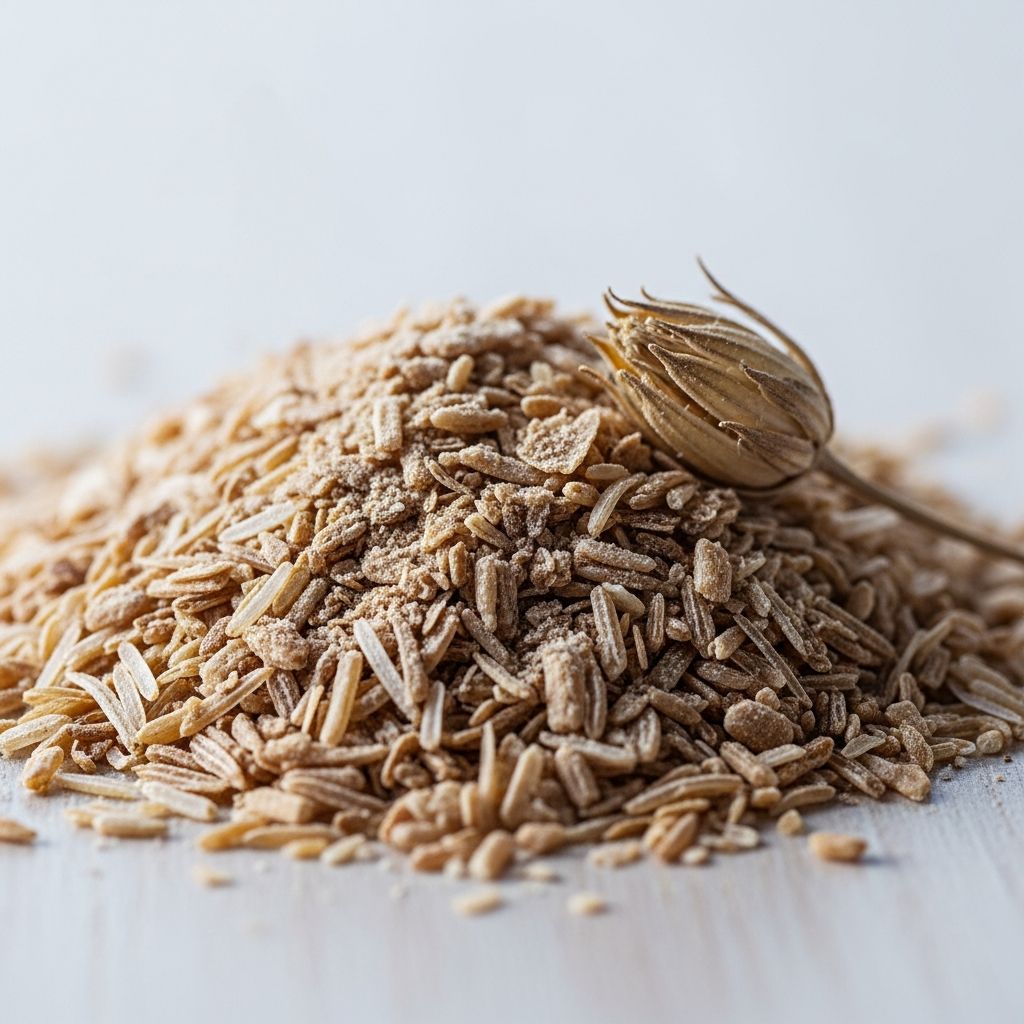
Ispaghula husk, also known as psyllium husk, is a natural soluble fiber derived from the seeds of the Plantago ovata plant. It serves as a bulk-forming laxative that effectively treats constipation by absorbing water in the intestines to soften stools and promote regular bowel movements.
About ispaghula husk tablets and powder
Ispaghula husk is available in
powder
form under brand names such as Fybogel, Ispagel, and YourFibre. These products are mixed with water to form a gel-like drink that expands in the gut, easing passage of stool. Unlike stimulant laxatives, it works gently over 24-72 hours without causing dependency.The powder is typically orange-flavored and effervescent, making it palatable. One sachet (usually 3.5g-5g ispaghula husk) provides a therapeutic dose of fiber, equivalent to several servings of fruits and vegetables.
Key facts about ispaghula husk
- Drug group: Bulk-forming laxative.
- Used for: Constipation and related soft stool maintenance.
- Available as: Powder sachets (Fybogel, Ispagel, YourFibre).
- Onset: 24-72 hours.
- Dependency risk: Low; safe for regular use when hydrated.
About constipation
Constipation affects up to 20% of adults occasionally, characterized by infrequent bowel movements (fewer than 3 per week), hard stools, straining, or incomplete evacuation. Causes include low fiber diet, dehydration, inactivity, medications, or conditions like IBS.
Symptoms: Bloating, discomfort, abdominal pain. Chronic cases may lead to hemorrhoids or fissures. Increasing fiber intake via ispaghula husk normalizes stool consistency for both constipation and mild diarrhea.
How ispaghula husk works
The soluble fiber in
ispaghula husk
absorbs water, forming a viscous gel that bulks and softens stools. This stimulates peristalsis (intestinal contractions), facilitating easier passage. It acts as a stool normalizer: softening hard stools in constipation and firming loose ones in diarrhea or IBS.In the gut, it ferments minimally, supporting prebiotic effects for gut microbiota without excessive gas. Studies confirm it’s superior to wheat bran for chronic constipation relief.
Dosage and how to take ispaghula husk
Always take with a full glass (8 oz/240ml) of water or fluid to prevent choking or blockage. Stir powder briskly in water; drink immediately as it thickens quickly.
| Age Group | Dosage | Frequency |
|---|---|---|
| Adults & Children 12+ | 1 sachet (3.5-5g) | 1-3 times daily |
| Children 6-11 years | Half to 1 sachet | 1-2 times daily |
| Children 1-5 years | Quarter sachet (consult doctor) | 1-2 times daily |
Instructions:
- Pour sachet into 150-250ml cool water/juice.
- Stir briskly for 15 seconds; drink at once.
- Follow with another glass of water.
- Best in morning or evening; space 2 hours from other meds.
Brands of ispaghula husk
- Fybogel: Original orange flavor, 3.5g sachets, widely available OTC.
- Ispagel: Similar formulation, often plain or flavored variants.
- YourFibre: Budget-friendly generic option with comparable efficacy.
Who can and cannot take ispaghula husk
Who can take it
- Adults, children over 1 year (dose-adjusted).
- Pregnant/breastfeeding women (natural, safe alternative to stimulants).
- People with IBS, hemorrhoids, diabetes (blood sugar benefits).
Related Stories



Who cannot
- Those with swallowing difficulties or intestinal narrowing (e.g., strictures).
- Active abdominal pain, nausea, vomiting (rule out obstruction).
- Phenylketonuria (some brands contain aspartame).
- Hypersensitivity to psyllium.
Pregnancy and breastfeeding
Safe during
pregnancy
as a first-line constipation remedy; avoids harsh chemicals. Provides gentle relief without affecting fetal development. Duringbreastfeeding
, it passes minimally into milk and supports maternal gut health.Common questions about ispaghula husk
How long does ispaghula husk take to work?
Typically 24-72 hours for noticeable stool softening. Consistent use yields best results.
Is it safe for long-term use?
Yes, when taken with adequate fluids; promotes natural regularity without habit-forming risks.
Does it help with diarrhea?
Yes, by absorbing excess water and bulking loose stools; ideal for IBS alternation.
Can children take it?
Yes, from age 1 with reduced doses; consult pediatrician for under 6s.
Side effects of ispaghula husk
Generally well-tolerated; mild effects include:
- Bloating/gas (initially; subsides with use).
- Abdominal cramps if not enough water.
- Rare: Allergic reactions (rash, wheezing).
Serious (seek help): Chest pain, difficulty breathing, bowel obstruction signs.
How to cope with ispaghula husk side effects
- Start low dose, increase gradually.
- Drink 2-3L water daily.
- Take after meals to minimize cramps.
- If bloating persists, pause and consult doctor.
Alternatives to ispaghula husk
| Type | Examples | Use Case |
|---|---|---|
| Bulk-forming | Sterculia, methylcellulose | Mild constipation |
| Osmotic | Lactulose, macrogol (Movicol) | Moderate-severe |
| Stimulant | Senna, bisacodyl | Short-term only |
Ispaghula preferred for natural profile and dual constipation/diarrhea action.
Other laxatives
- Bulk-formers: Similar gentle action; choose based on flavor/taste.
- Osmotics: Draw water into bowel; faster but may cause cramps.
- Stimulants: Increase contractions; avoid long-term.
Anal and rectal problems
Softens stools to prevent straining, reducing risk of hemorrhoids, fissures, or prolapse. Combine with sitz baths for symptom relief.
When not to take ispaghula husk
Avoid if acute symptoms suggest appendicitis, blockage, or severe IBD flare. Stop if no relief in 3 days or worsening pain.
Interactions
- May reduce absorption of carbamazepine, lithium, digoxin; space 2 hours apart.
- Enhances statins’ cholesterol-lowering.
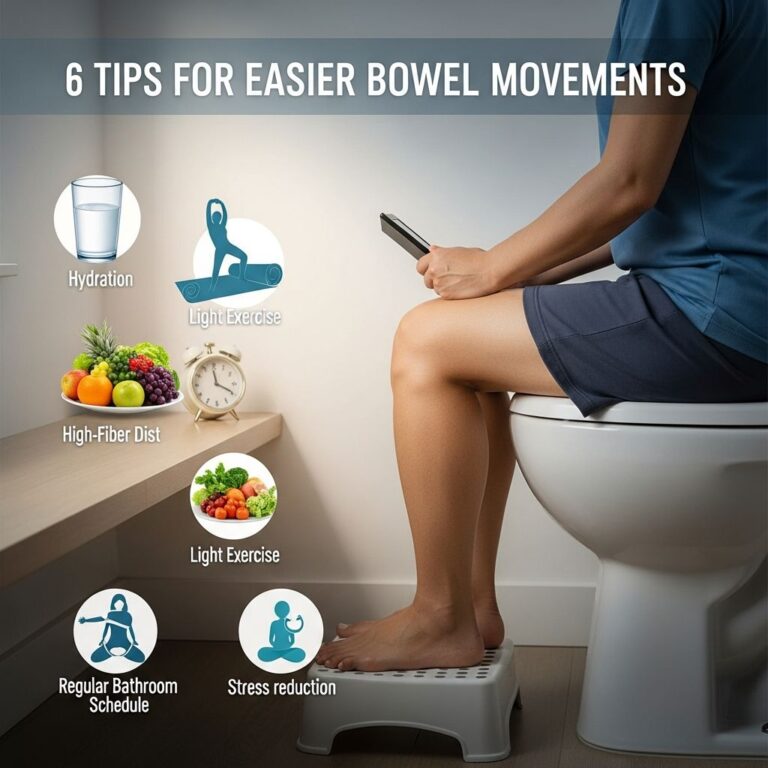
Hygiene tips for bowel health
- Drink plenty of fluids.
- Eat high-fiber foods (fruits, veggies, wholegrains).
- Exercise daily (30min walk).
- Establish routine toilet times.
Frequently Asked Questions (FAQs)
Can I take ispaghula husk every day?
Yes, for chronic constipation with doctor approval; maintain hydration.
Does ispaghula husk cause weight gain?
No; may aid weight management by promoting satiety.
Is it gluten-free?
Yes, naturally gluten-free; check brand additives.
Can diabetics use it?
Yes; helps regulate blood sugar.
What if I forget a dose?
Take next dose as scheduled; do not double.
References
- Psyllium Husk: Top Benefits, Usage & Side Effects — SpiceNest. 2024. https://spicenest.in/blogs/information/top-benefits-usage-side-effects-of-psyllium-husk-isabgol
- 7 Benefits of Psyllium Husk Fiber Supplements — GoodRx. 2025-01-10. https://www.goodrx.com/well-being/supplements-herbs/psyllium-husk-benefits
- Isabgol (Psyllium Husk): Benefits, Dosage, Uses & Side Effects — Pathkind Labs. 2024. https://www.pathkindlabs.com/blog/isabgol-psyllium-husk-benefits-dosage-uses-side-effects
- Psyllium Husk — American Pharmacists Association. 2024-06-15. https://www.pharmacist.com/Blogs/CEO-Blog/Article/psyllium-husk
- Psyllium is a natural nonfermented gel-forming fiber that is effective — PMC (PubMed Central). 2023-07-20. https://pmc.ncbi.nlm.nih.gov/articles/PMC10389520/
- Psyllium: Uses & Side Effects — Cleveland Clinic. 2025. https://my.clevelandclinic.org/health/drugs/18922-psyllium-powder-for-solution
- 8 Benefits of Psyllium Husk — Medical News Today. 2024-11-05. https://www.medicalnewstoday.com/articles/318707
Similar Articles








Read full bio of medha deb