Itch Or Pain: Key Differences Explained For Skin Sensations
Explore how the brain distinguishes itch from pain, revealing unique neural pathways that challenge old assumptions about these sensations.
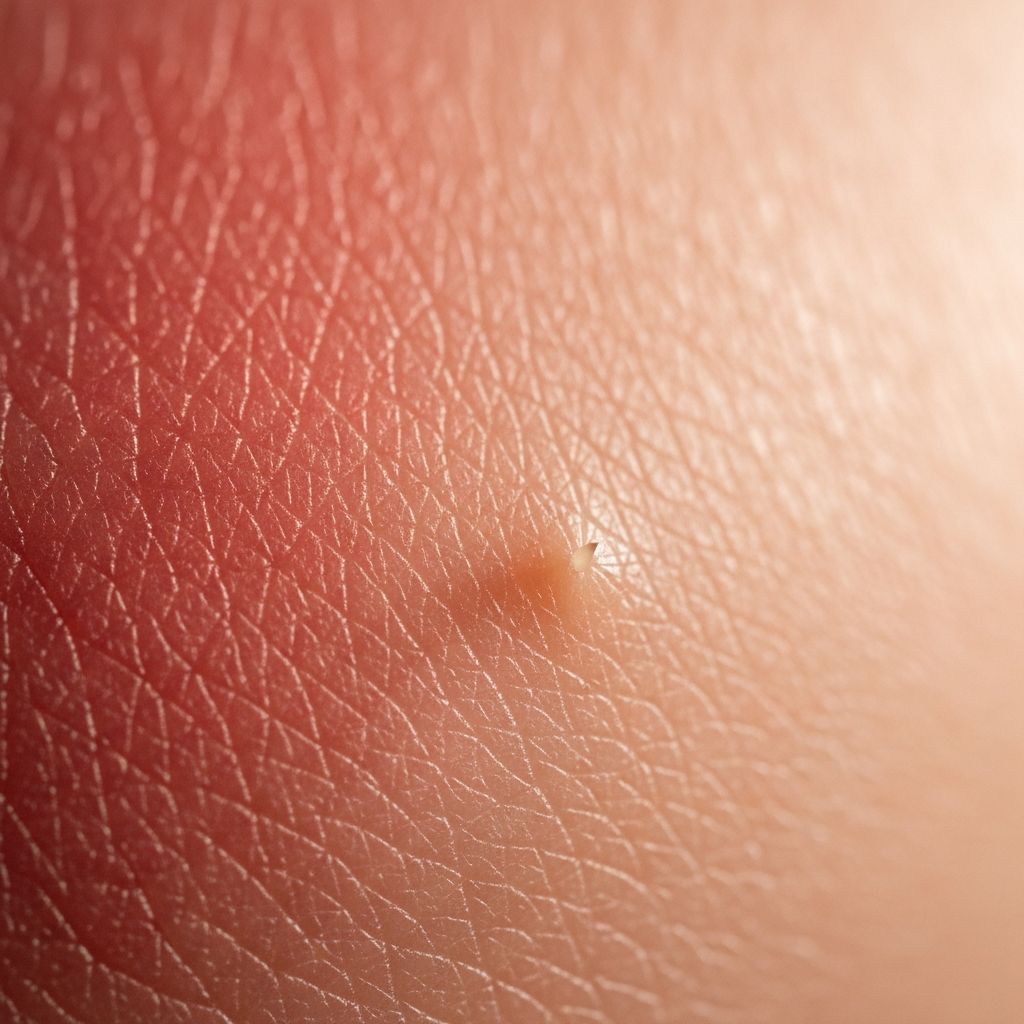
The sensations of itch and pain often overlap in everyday experiences, especially for those with chronic skin conditions, but they activate distinct neural mechanisms in the body and brain. While itch prompts scratching and pain triggers withdrawal, recent research clarifies how these responses arise from specialized pathways rather than one being a milder version of the other.
Defining the Core Sensations
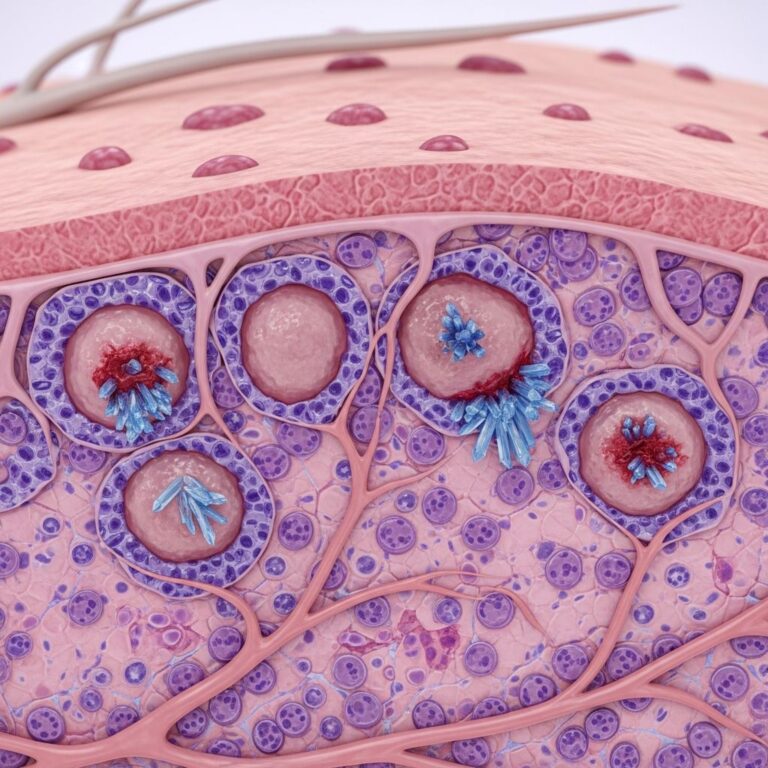
Itch, or pruritus, arises from stimulation of free nerve endings at the skin’s dermal-epidermal junction, evoking an urge to scratch. Pain, conversely, signals potential tissue damage through sharper, more urgent alerts that demand avoidance. These definitions underscore their functional roles: itch maintains skin integrity by prompting removal of irritants, while pain protects against harm.
Historically, itch was viewed as weak pain, but evidence shows otherwise. Vigorous scratching induces pain that suppresses itch, and opioids alleviate pain yet provoke itch, indicating opposing dynamics. Molecules triggering one sensation rarely elicit the other, further separating their profiles.
Historical Perspectives on Itch and Pain
Early theories split into specificity and intensity models. The specificity theory posits dedicated neuron sets for itch versus pain, while intensity theory suggests shared neurons where weak stimuli cause itch and strong ones pain. Surgical spinothalamic tract disconnection abolishes both sensations contralaterally, supporting shared pathways, yet touch persists ipsilaterally.
Challenges arose: capsaicin, a pain inducer, fails to produce itch at low doses, and reflexes differ—withdrawal for pain, scratching for itch. These observations revived specificity ideas, paving the way for modern molecular insights.
Peripheral Nerve Activation: Shared and Distinct Receptors
Both sensations originate via C-fibers and Aδ fibers in the skin, with itch confined mostly to superficial layers unlike pain’s deeper reach. Pruritogens activate receptors overlapping with pain mediators, but patterns matter. Nociceptive afferents can itch when stimulated epidermally, and nerve growth factor sensitizes both nociceptors and pruriceptors.
Despite overlaps, itch-specific markers exist. Gastrin-releasing peptide receptor (GRPR+) neurons respond selectively to pruritogens in mice, fulfilling criteria: pruritic response, itch loss without pain deficit in mutants, and itch-only elicitation upon activation. Yet, compensation by other nociceptors in mutants preserves pain, hinting at redundancy.
Spinal Cord Processing: Where Pathways Diverge
Signals ascend via shared spinal routes but branch distinctly. GRPR+ neurons in the dorsal horn process non-histaminergic itch, resistant to antihistamines and common in chronic cases. Opioid-induced itch, a morphine side effect, persists despite pain relief, separable by GRPR inhibitors that block scratching without affecting analgesia.
This separation implies itch-specific spinal genetics, revolutionizing treatments for co-occurring pain and itch in conditions like atopic dermatitis.
Brain Circuits: The Anterior Cingulate Cortex Key
Thalamic relay sends signals to cortical areas, but differentiation peaks in the anterior cingulate cortex (ACC), adding emotional context. Mouse studies reveal ACC neurons selectively firing for itch (scratching) or pain (tensing), with dedicated circuits linking back to thalamus-specific relays.
Related Stories



These circuits drive responses: itch urges scratching via specialized loops, pain prompts escape. Itch follows a dedicated neuronal highway from skin to brain, distinct from pain’s route.
Types of Itch and Their Triggers
- Histamine-dependent: From allergies or bites, treatable with antihistamines like Benadryl.
- Non-histaminergic: Chronic, severe, antihistamine-resistant, linked to GRPR pathways.
Pain types vary too—acute from injury, chronic persistent—but both intersect in diseases like eczema, where inflammation amplifies signals.
Implications for Chronic Skin Conditions
In atopic dermatitis, what feels like itch may involve pain fibers, complicating management. Understanding separation aids targeted therapies: GRPR antagonists for itch sans pain interference. For eczema patients, distinguishing helps tailor interventions, reducing scratch cycles that worsen damage.
Comparative Overview: Itch vs. Pain
| Aspect | Itch | Pain |
|---|---|---|
| Primary Response | Scratching | Withdrawal |
| Neural Fibers | C-fibers, Aδ (superficial) | C-fibers, Aδ (cutaneous/deep) |
| Spinal Markers | GRPR+ neurons | Nociceptive neurons |
| Brain Differentiation | ACC itch-selective | ACC pain-selective |
| Opioid Effect | Increases | Decreases |
| Scratching Impact | Relieves temporarily | Inhibits |
Therapeutic Advances and Future Directions
Separating pathways opens doors: spinal GRPR inhibitors control opioid itch without losing analgesia. Brain-targeted drugs could modulate ACC circuits for chronic pruritus or pain. Ongoing research refines markers, promising precision medicine for eczema and beyond.
Challenges remain—overlaps demand nuanced approaches, and human translation from mice requires validation. Yet, specificity theory gains traction, reshaping sensory neuroscience.
Frequently Asked Questions
Why does scratching an itch sometimes hurt?
Vigorous scratching activates pain fibers, inhibiting itch via their antagonistic relationship.
Can itch occur without visible skin changes?
Yes, neuropathic itch from nerve damage mimics this, processed via central pathways.
Do antihistamines work for all itches?
No, only histamine-dependent; chronic forms need alternatives like GRPR modulators.
How does the brain know itch from pain?
ACC neurons selectively activate, forming distinct circuits for each.
Is chronic itch a form of pain?
Not exactly; shared origins but divergent processing make them unique.
Key Takeaways
- Itch and pain share peripheral fibers but diverge spinally and cortically.
- GRPR+ neurons mark itch specificity, aiding targeted therapies.
- Brain’s ACC distinguishes via selective neurons and circuits.
- Understanding aids eczema management, separating itch relief from pain control.
References
- Itch Mediation and How It Differs from Pain — Touro Scholar. 2010. https://touroscholar.touro.edu/cgi/viewcontent.cgi?article=1046&context=sjlcas
- Itch or Pain? Your Brain Knows the Difference—Here’s How — Psychology Today. 2025-03-01. https://www.psychologytoday.com/us/blog/best-practices-in-health/202503/itch-or-pain-your-brain-knows-the-difference-heres-how
- 9.3 Pain and Itch — OpenStax Introduction to Behavioral Neuroscience. 2023. https://openstax.org/books/introduction-behavioral-neuroscience/pages/9-3-pain-and-itch
- Pain and itch responses regulated separately — Washington University School of Medicine. 2008-11-01. https://source.washu.edu/2008/11/pain-and-itch-responses-regulated-separately/
- Itch and pain differences and commonalities — PubMed. 2015-04-01. https://pubmed.ncbi.nlm.nih.gov/25846624/
- Itch and the Brain — Harvard Medical School. N/A. https://hms.harvard.edu/news/itch-brain
Similar Articles








Read full bio of medha deb