Itchy Butt: Causes, Treatments, And Quick Relief Tips
Discover the common causes of anal itching, from poor hygiene to infections, and learn effective treatments and prevention strategies for relief.
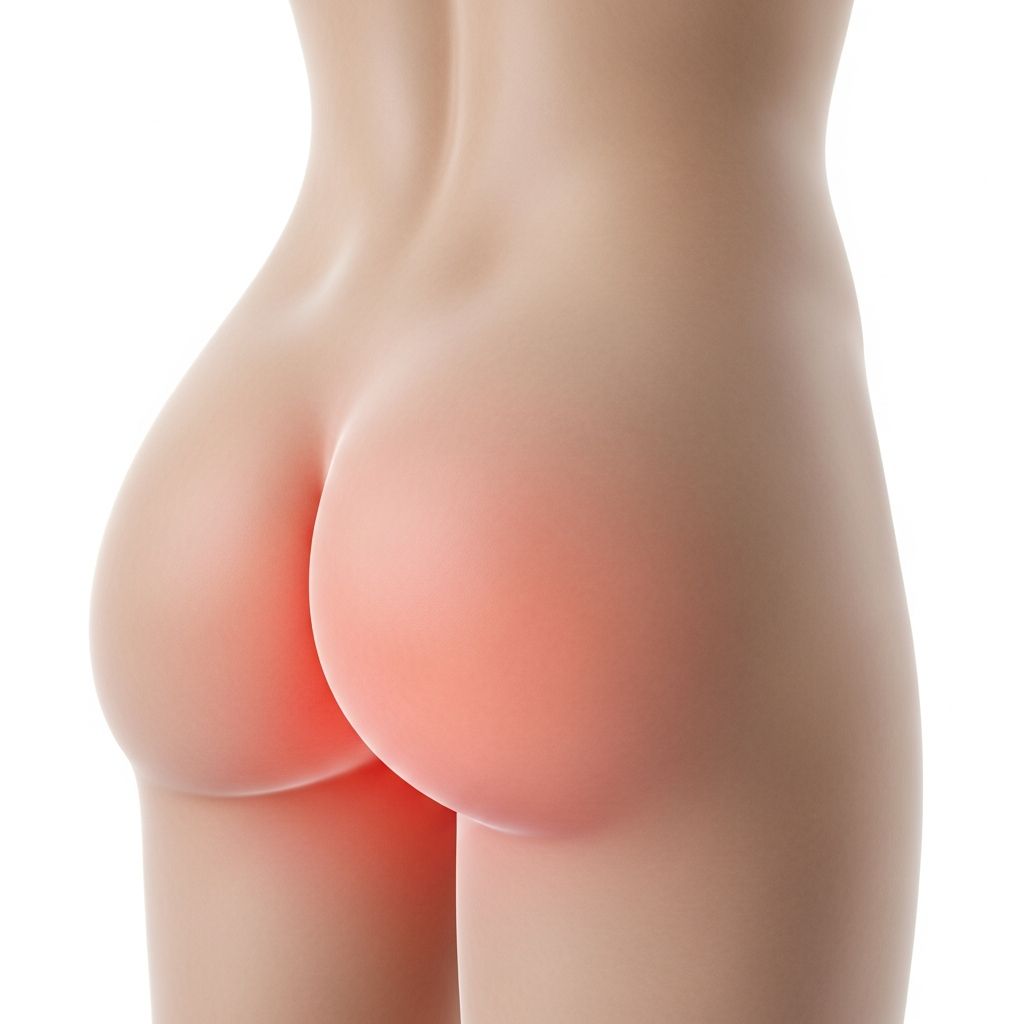
Anal itching, medically known as pruritus ani, is a widespread condition characterized by intense itching around or in the anus. It can be embarrassing and disruptive, often worsening at night or in humid conditions. While usually not serious, persistent cases warrant medical attention to identify underlying issues like infections or hemorrhoids.
Symptoms of Anal Itching
The primary symptom is an overwhelming urge to scratch the anal area, which may lead to burning, soreness, inflammation, or redness. Itching can be intermittent or constant, exacerbated by moisture, sweat, or bowel movements. In children, it often peaks at bedtime due to pinworm activity.
When to See a Doctor
- Severe or persistent itching lasting over a week.
- Accompanying bleeding, pain, stool leakage, or signs of infection like pus or fever.
- Visible skin changes, warts, or rashes.
- No improvement with self-care after 5-7 days.
Common Causes of Itchy Butt
Numerous factors contribute to anal itching. Understanding them is key to effective management. Causes range from hygiene issues to medical conditions.
1. Poor Hygiene and Wiping Habits
Inadequate cleaning after bowel movements leaves fecal residue, fostering bacterial growth in the moist anal area. Conversely, excessive or aggressive wiping with rough toilet paper causes friction, microtears, and irritation. Toilet paper crumbs can also trap in skin folds.
2. Hemorrhoids
Swollen veins in the anus or rectum, hemorrhoids cause itching due to mucus leakage and irritation. Straining from constipation worsens them, leading to inflammation.
3. Anal Fissures
Small tears in the anal lining from hard stools or straining result in pain, bleeding, and itching during healing. Blood may appear on toilet paper or stool.
4. Infections
- Pinworms: Common in children (affecting ~20% in the US), these parasites lay eggs at night, causing nocturnal itching.
- Yeast/Fungal: Candida thrives in moist environments, especially post-antibiotics or with sweating/diabetes.
- Bacterial/STIs: Herpes, gonorrhea, chlamydia, or strep cause inflammation, discharge, and warts.
5. Skin Conditions
Psoriasis, eczema, contact dermatitis, or dry skin lead to chronic itching. Allergies to soaps, dyes, or wipes trigger reactions.
6. Dietary and Lifestyle Factors
Spicy foods, caffeine, alcohol, and irritants cause loose stools or direct skin irritation. Constipation from poor diet strains the anus, promoting fissures and hemorrhoids. Tight clothing or synthetic underwear traps moisture.
7. Other Medical Issues
Diabetes, thyroid disorders, fecal incontinence, or chronic diarrhea contribute. Antibiotics disrupt normal flora, allowing yeast overgrowth.
| Cause | Symptoms | Risk Factors |
|---|---|---|
| Hemorrhoids | Itch, mucus, bleeding | Constipation, pregnancy |
| Pinworms | Night itching | Children, poor hygiene |
| Yeast Infection | Redness, rash | Antibiotics, diabetes |
| STIs | Discharge, warts | Unprotected anal sex |
Treatments for Itchy Butt
Most cases resolve with self-care, but persistent itching needs professional evaluation.
Related Stories



Home Remedies and Self-Care
- Gentle Cleaning: Use water bidets, unscented wipes, or wet washcloths. Pat dry—avoid rubbing.
- Avoid Irritants: Skip fragranced soaps, dyes, spicy foods, caffeine, alcohol.
- Moisturize: Apply petroleum jelly or zinc oxide ointments to protect skin.
- OTC Treatments: Hydrocortisone creams (1%) for inflammation; antifungal creams for yeast. Limit use to 7 days.
- Fiber and Hydration: Soften stools to prevent straining. Add psyllium supplements.
- Sitz Baths: Soak in warm water 10-15 minutes, 2-3 times daily for soothing.
- Clothing: Wear cotton underwear, loose pants to reduce moisture.
Medical Treatments
Doctors may prescribe stronger steroids, antifungals, antibiotics for infections, or pinworm medication (e.g., mebendazole). For fissures/hemorrhoids: nitroglycerin ointment or Botox injections. Rule out diabetes or STIs via tests.
Prevention Tips
- Maintain consistent hygiene without over-wiping.
- Eat high-fiber diet (25-30g daily) with plenty of water.
- Avoid scratching; trim nails if needed.
- Change out of sweaty clothes promptly.
- Use hypoallergenic products; consider bidets.
Anal Itching in Children
Pediatric cases often stem from pinworms (night itching), strep infections (treated with oral antibiotics), or irritation from wipes/bubble baths. Help with wiping, use plain water, and avoid fragrances. Consult a pediatrician for tape tests confirming pinworms.
Frequently Asked Questions (FAQs)
Q: How long does anal itching last?
A: Most cases improve in days with self-care; see a doctor if over a week.
Q: Can stress cause an itchy butt?
A: Indirectly, via sweating or diet changes leading to irritation.
Q: Is anal itching a sign of cancer?
A: Rarely; persistent symptoms with bleeding warrant check, but common causes are benign.
Q: What’s the best wipe for anal itching?
A: Unscented, alcohol-free baby wipes or water sprays.
Q: Can hemorrhoids cause constant itching?
A: Yes, due to leakage and inflammation; treat underlying constipation.
References
- Why Is My Butt So Itchy? Doctors Explain the Most Common Causes — Men’s Health. 2018-06-12. https://www.menshealth.com/health/a19534928/anal-itching-causes/
- Anal itching – Symptoms and causes — Mayo Clinic. 2023-11-09. https://www.mayoclinic.org/diseases-conditions/anal-itching/symptoms-causes/syc-20369345
- Anal itching – self-care — Florida Health Finder (Health Encyclopedia). 2024-01-15. https://quality.healthfinder.fl.gov/health-encyclopedia/HIE/60/000689
- Anal Itching in Young Children: 3 Common Reasons — HealthyChildren.org (American Academy of Pediatrics). 2023-05-22. https://www.healthychildren.org/English/health-issues/conditions/skin/Pages/Anal-Itching-in-Young-Children.aspx
Similar Articles








Read full bio of Sneha Tete