Itchy Neck: Causes, Treatments, And Prevention Tips
Discover the common causes of an itchy neck, from allergies to skin conditions, and learn effective treatments and prevention strategies.
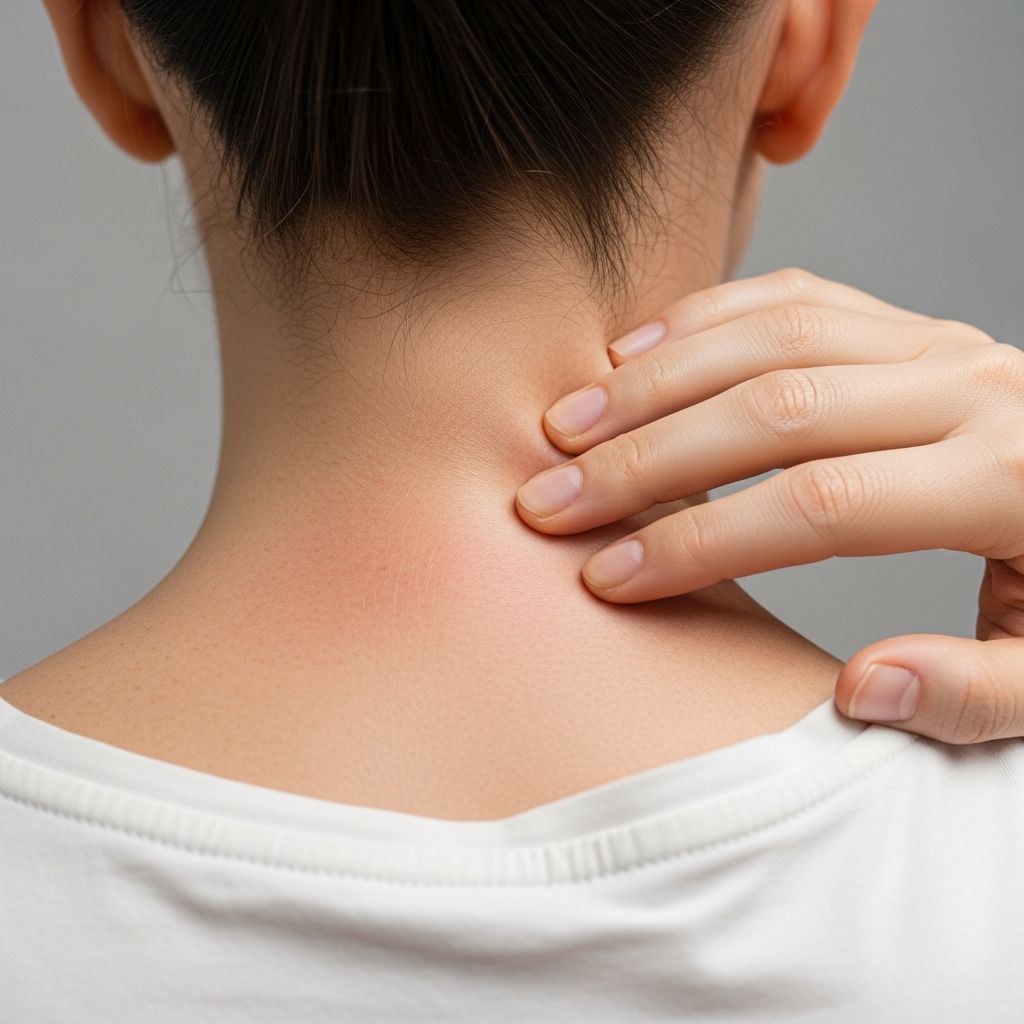
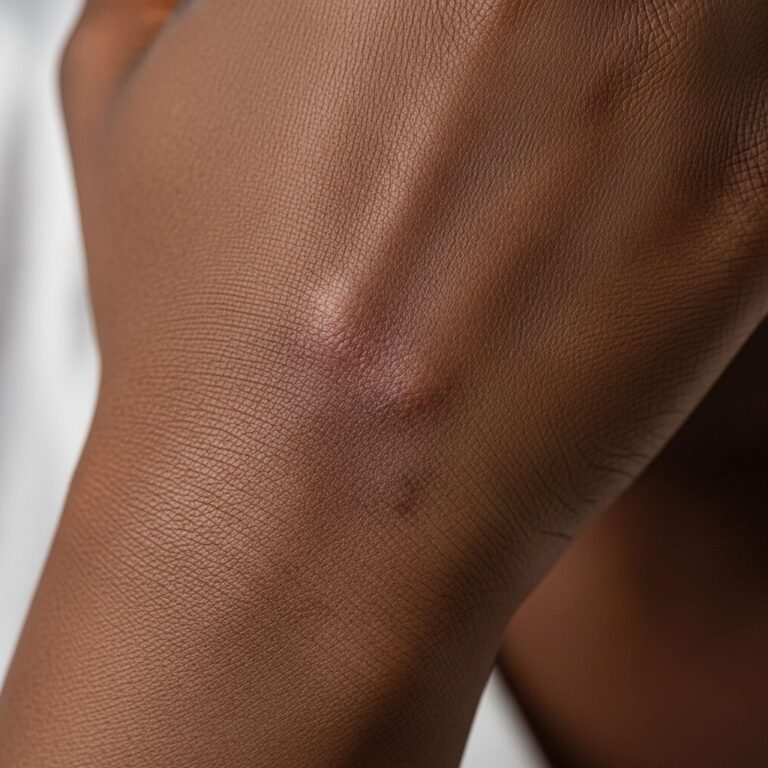
An itchy neck, medically known as pruritus in that area, manifests as a persistent tickling or irritating sensation urging you to scratch. While temporary relief comes from scratching, it often exacerbates the issue, leading to skin damage or infection. Instead, opt for gentle patting or tapping. This condition affects many people and can arise from various triggers, ranging from everyday irritants to underlying health issues. Most cases resolve with home care, but persistent or severe itching warrants medical attention.
What Causes an Itchy Neck?
The neck is particularly prone to itching due to its exposure to clothing, jewelry, hair products, and environmental factors. Causes fall into several categories: allergies, skin disorders, infections, parasites, and systemic conditions. Identifying the trigger is key to effective management.
Allergies and Skin Reactions
Allergic reactions or irritant contact often tops the list for itchy neck causes. Common culprits include:
- Cosmetic ingredients like fragrances or preservatives in lotions and shampoos.
- Rubber products, such as latex in gloves or elastic bands.
- Metals like nickel in jewelry or cobalt in dyes.
- Textiles, especially synthetic fabrics or wool that trap heat and moisture.
- Plants, such as poison ivy or pollen during allergy season.
- Foods triggering histamine release, like shellfish or nuts.
- Medications, including antibiotics or aspirin.
- Heat rash from sweat trapped under clothing.
- Sunburn from UV exposure without protection.
These reactions provoke histamine release, causing redness, swelling, and intense itch. Contact dermatitis, a frequent offender, inflames skin upon touch with allergens.
Skin Conditions
Chronic skin disorders frequently localize to the neck. Key examples include:
- Eczema (Atopic Dermatitis): Dry, inflamed patches that flake and itch relentlessly, often worsened by stress or weather changes.
- Urticaria (Hives): Raised, red welts from allergies, appearing suddenly and lasting hours to days.
- Psoriasis: Thick, scaly plaques with silvery scales, itchy and sometimes painful.
- Contact Dermatitis: Red, blistering rash from direct irritant exposure.
- Dandruff: Flaky scalp shedding onto the neck, causing secondary irritation.
- Prurigo: Tiny, intensely itchy nodules or blisters.
- Folliculitis: Inflamed hair follicles resembling pimples, often bacterial.
- Lichen Planus: Purple, polygonal itchy rash of unknown origin.
Dry skin (xerosis) alone can mimic these, especially in winter, by compromising the skin barrier.
Infections
Infectious agents can infiltrate neck skin, sparking itch. Notable ones:
- Chickenpox: Blistering rash with hallmark itch.
- Viral infections like shingles or measles.
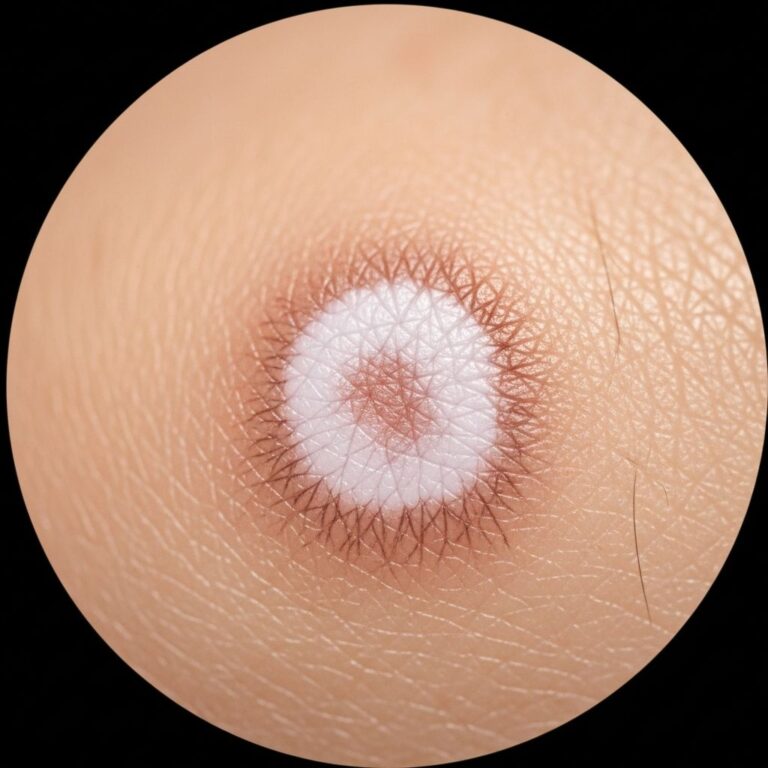
- Ringworm (tinea): Fungal ring-shaped patches.
- COVID-19 related rashes: Patchy, bumpy, or lace-like patterns, even without respiratory symptoms.
Bacterial issues like impetigo may also contribute, spreading via scratching.
Parasites and Insects
External invaders provoke localized bites:
- Bedbugs: Linear bites in clusters.
- Lice: Nits and crawling sensation.
- Scabies: Burrowing mites causing widespread itch, worse at night.
- Mosquitoes or fleas: Red, raised welts.
These often require specific eradication treatments.
Related Stories



Other Conditions
Systemic issues like thyroid disorders, diabetes, kidney disease, or liver problems can manifest as generalized pruritus, including the neck. Rarely, cancers like lymphoma present with intractable itch. Pregnancy-related cholestasis is another concern.
Symptoms Accompanying an Itchy Neck
Beyond itch, watch for:
- Redness, bumps, or hives.
- Scaling, dryness, or cracking.
- Blisters, oozing, or crusting.
- Swelling or warmth indicating infection.
- Neck lumps or pain suggesting deeper issues.
Sudden, severe, or body-wide itch demands prompt evaluation to rule out anaphylaxis or serious disease.
How Is an Itchy Neck Diagnosed?
Doctors start with history: onset, triggers, family allergies, meds. Physical exam checks rash patterns. Patch testing identifies allergens; biopsy confirms skin diseases. Blood tests screen systemic causes; scrapings detect fungi/parasites.
Treatments for an Itchy Neck
Treatment targets the cause:
Home Remedies
- Moisturize with fragrance-free creams (e.g., ceramide-based) post-bath.
- Cold compresses numb itch nerves.
- Oatmeal baths soothe inflammation.
- OTC hydrocortisone (1%) for short-term use.
- Antihistamines like loratadine reduce allergic response.
- Avoid triggers: Switch to cotton clothes, hypoallergenic products.
Medical Treatments
For stubborn cases:
- Prescription steroids (topical/oral).
- Phototherapy for eczema/psoriasis.
- Antifungals for ringworm.
- Scabicides for mites.
- Immunosuppressants for autoimmune conditions.
Lifestyle tweaks: Cool showers, humidifiers, hydration.
When to See a Doctor for an Itchy Neck
Seek care if:
- Itch lasts >2 weeks or disrupts sleep/work.
- Rash spreads, blisters, or infects.
- Accompanied by fever, swelling, breathing issues.
- No improvement with OTC care.
- History of cancer/autoimmunity.
Early intervention prevents complications.
How to Prevent an Itchy Neck
Proactive steps:
- Daily moisturizing on damp skin.
- Lukewarm, brief showers; gentle cleansers.
- Hydrate internally (8+ glasses water/day).
- Humidifier in dry climates.
- Sunscreen on neck; hypoallergenic jewelry.
- Launder bedding weekly; vacuum for pests.
These habits fortify skin resilience.
Frequently Asked Questions (FAQs)
Is an itchy neck always a sign of an allergy?
No, while allergies are common, dry skin, infections, or conditions like eczema can also cause it. Consult a doctor for diagnosis.
Can stress cause an itchy neck?
Yes, stress exacerbates eczema/psoriasis flares, intensifying itch via cortisol and immune shifts.
How long does an itchy neck from dry skin last?
With consistent moisturizing, relief comes in days; neglect prolongs it weeks.
Does COVID-19 cause neck itch?
Possible, via rashes like hives or maculopapular eruptions. Test and monitor.
Are home remedies enough for chronic itch?
Often yes for mild cases, but persistent itch needs professional evaluation.
References
- What Is an Itchy Neck, and How Is It Treated? — Healthgrades. 2023. https://resources.healthgrades.com/right-care/skin-hair-and-nails/neck-itch
- Pruritus (Itchy Skin) — Cleveland Clinic. 2023-05-04. https://my.clevelandclinic.org/health/diseases/11879-pruritus
- Atopic Dermatitis (Eczema) — National Institute of Arthritis and Musculoskeletal and Skin Diseases (NIAMS). 2023-07-20. https://www.niams.nih.gov/health-topics/atopic-dermatitis
- Contact Dermatitis — American Academy of Dermatology (AAD). 2024. https://www.aad.org/public/diseases/eczema/types/contact-dermatitis
- Skin Rashes with COVID-19 — Centers for Disease Control and Prevention (CDC). 2023. https://www.cdc.gov/coronavirus/2019-ncov/symptoms-testing/symptoms.html
Similar Articles








Read full bio of medha deb