IUDs: Complete Guide To Use, Risks, And Benefits
Everything you need to know about intrauterine devices, from types and insertion to benefits, risks, and common questions.
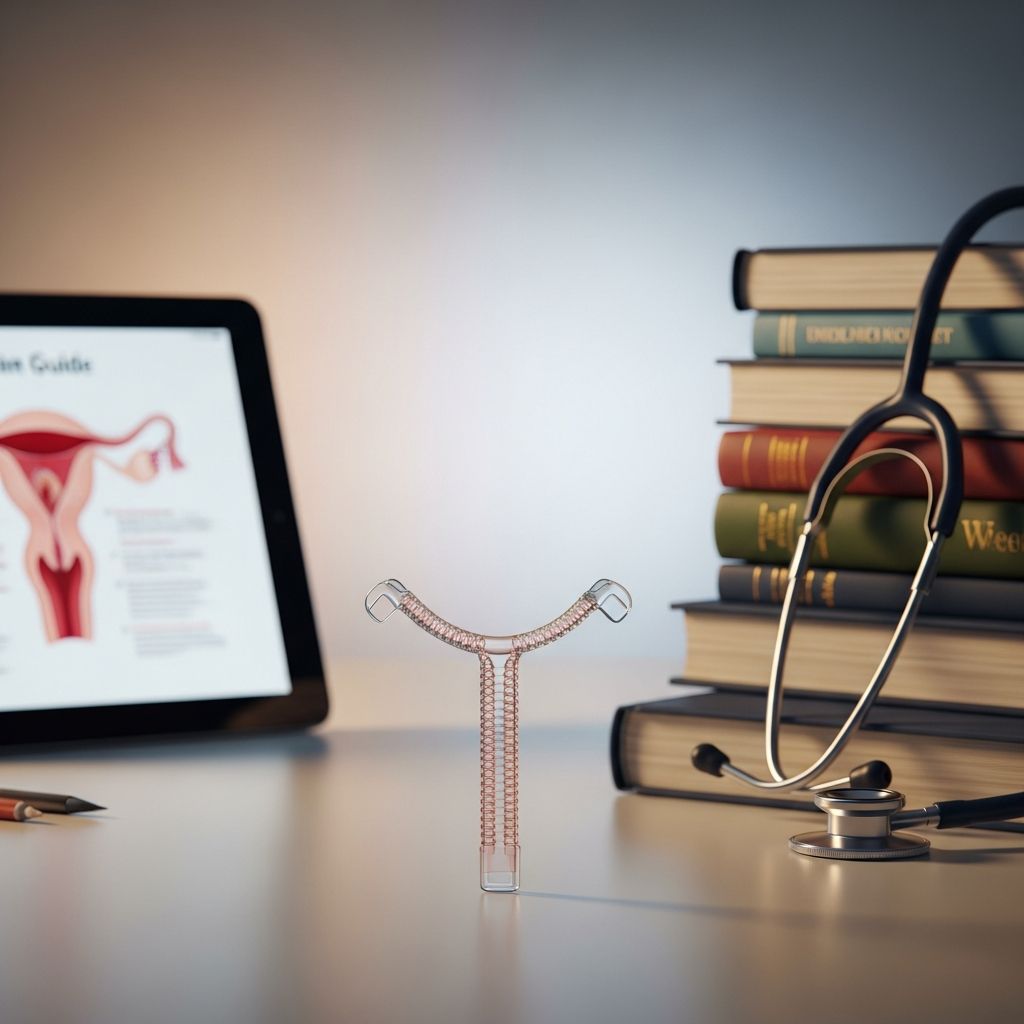
Intrauterine devices (IUDs) rank among the most reliable reversible contraceptives available today, offering long-term protection without daily maintenance. This guide addresses key questions about IUDs, drawing from authoritative health sources to provide clear, evidence-based information on their use, benefits, and considerations.
What Are Intrauterine Devices?
An
IUD
is a small, T-shaped device inserted into the uterus to prevent pregnancy. It works primarily by interfering with sperm movement and egg fertilization, providing highly effective contraception for several years.- Copper IUDs release copper ions that act as a spermicide, immobilizing sperm.
- Hormonal IUDs release progestin, which thickens cervical mucus and thins the uterine lining.
Both types are over 99% effective, outperforming methods like pills or condoms that require consistent use.
Types of IUDs Available
There are two main categories of IUDs, each suited to different needs.
| Type | Duration | Key Features | Best For |
|---|---|---|---|
| Copper IUD (e.g., ParaGard) | Up to 10-12 years | Hormone-free; can be used as emergency contraception if inserted within 5 days of unprotected sex | Those avoiding hormones; emergency use |
| Hormonal IUD (e.g., Mirena, Liletta) | 3-8 years | Reduces heavy bleeding and cramps; may lead to lighter or no periods | Managing menstrual issues; long-term use |
How Effective Are IUDs at Preventing Pregnancy?
IUDs prevent pregnancy in more than 99% of cases, making them one of the top reversible methods. Fewer than 1 in 100 users become pregnant annually.
- Effectiveness remains consistent regardless of user age or timing errors, unlike daily pills.
- Fertility returns immediately upon removal, with no delay in conception.
Copper IUDs as emergency contraception achieve 99.9% efficacy when inserted promptly after unprotected intercourse.
The Insertion Process: What to Expect
Insertion is a quick office procedure performed by a trained healthcare provider, typically taking 5-10 minutes.
- A pelvic exam confirms uterus position.
- The cervix is cleaned and numbed if needed.
- The IUD is folded into an inserter tube and placed into the uterus.
- Strings are trimmed for discreet use.
Mild cramping or spotting may occur for a few days post-insertion. Over-the-counter pain relief helps most people.
Potential Side Effects and How to Manage Them
Side effects vary by type but are generally mild and improve over time.
- Copper IUD: Heavier periods or cramps in the first 3-6 months (affects ~20% of users).
- Hormonal IUD: Irregular spotting initially, then lighter or absent periods.
Other common effects include temporary dizziness or aching post-insertion. Most resolve within months.
Serious Risks and When to Seek Help
Risks are rare but include:
- Expulsion: Device partially or fully exits (2-10% risk in first year); check strings monthly.
- Perforation: Uterus puncture during insertion (<1 in 1,000).
- Infection: Pelvic inflammatory disease (PID) risk elevated only in first 20 days if pre-existing STI; baseline thereafter.
Related Stories



Seek immediate care for severe pain, heavy bleeding, fever, or missing strings.
Who Cannot Use an IUD?
Not everyone is a candidate. Contraindications include:
- Suspected pregnancy.
- Recent pelvic infection post-childbirth/abortion (within 3 months).
- Unexplained vaginal bleeding.
- Uterine/cervical cancer or pelvic TB.
- Copper allergy or Wilson’s disease (copper IUD).
- Severe liver disease or active breast cancer (hormonal IUD).
Health Benefits Beyond Contraception
IUDs offer additional advantages:
- Menstrual management: Hormonal types reduce heavy bleeding and cramps; useful for endometriosis.
- Cancer risk reduction: Linked to lower rates of endometrial (OR 0.54), cervical, and ovarian cancers.
- Postpartum use: Safe immediately after childbirth if appropriate.
Safe for breastfeeding; no impact on milk supply.
Do IUDs Protect Against STIs?
No, IUDs do not prevent sexually transmitted infections, including HIV. Use condoms alongside if at risk.
Understanding Pregnancy with an IUD in Place
Pregnancy with an IUD is rare (<1%). If it occurs:
- Higher chance of ectopic pregnancy, though absolute risk is low (0-0.5/1,000 women-years vs. 3-5 without contraception).
- Removal improves outcomes; leaving it increases miscarriage/preterm risks.
Test if periods are late; consult a provider promptly.
Caring for Your IUD Long-Term
Monthly self-checks ensure strings are present and at consistent length. Annual provider exams confirm placement. Replacement occurs at labeled duration or sooner if needed.
Removal: Process and Fertility Return
Removal is simple: provider pulls strings gently. Fertility resumes immediately—no waiting period, unlike some methods.
Cost Considerations and Accessibility
IUDs are cost-effective long-term, often covered by insurance/Medicaid. Upfront costs range but provide years of protection.
Frequently Asked Questions (FAQs)
Can teens use IUDs?
Yes, suitable for adolescents; highly effective with low complication rates.
Does IUD insertion hurt?
Cramping similar to period pain; manageable with medication.
Will my partner feel the IUD?
Strings soften over time; rarely noticeable.
Can I use an IUD after menopause?
Not typically, as contraception is unnecessary.
What if I want to get pregnant soon?
Ideal for spacing; quick fertility return post-removal.
References
- Intrauterine devices (IUDs) — World Health Organization. 2023-10-31. https://www.who.int/news-room/fact-sheets/detail/intrauterine-devices
- Intrauterine Device (IUD) | Types, Benefits & Risks — CU Anschutz Medical Campus. 2024-05-15. https://medschool.cuanschutz.edu/womens-health/clinics/birth-control/iud
- Intrauterine Device (IUD): Birth Control, Use & Side Effects — Cleveland Clinic. 2024-02-10. https://my.clevelandclinic.org/health/treatments/24441-intrauterine-device-iud
- Understanding benefits and addressing misperceptions and barriers… — PMC (NCBI). 2014-06-01. https://pmc.ncbi.nlm.nih.gov/articles/PMC4090129/
- Intrauterine Contraception – Guidance — Centers for Disease Control and Prevention. 2023-11-20. https://www.cdc.gov/contraception/hcp/usspr/intrauterine-contraception.html
- IUD Pros and Cons — Baptist Health. 2024-01-12. https://www.baptisthealth.com/blog/womens-care/iud-pros-cons
- Pros and Cons of an IUD — Women’s Health Services. 2023-09-05. https://www.womenshealthservices.com/blog/pros-and-cons-of-an-iud
Similar Articles








Read full bio of Sneha Tete