IUD Fell Out: 7 Signs, Risks, And Next Steps
Signs your IUD has fallen out, what to do next, and how to prevent expulsion for reliable contraception.
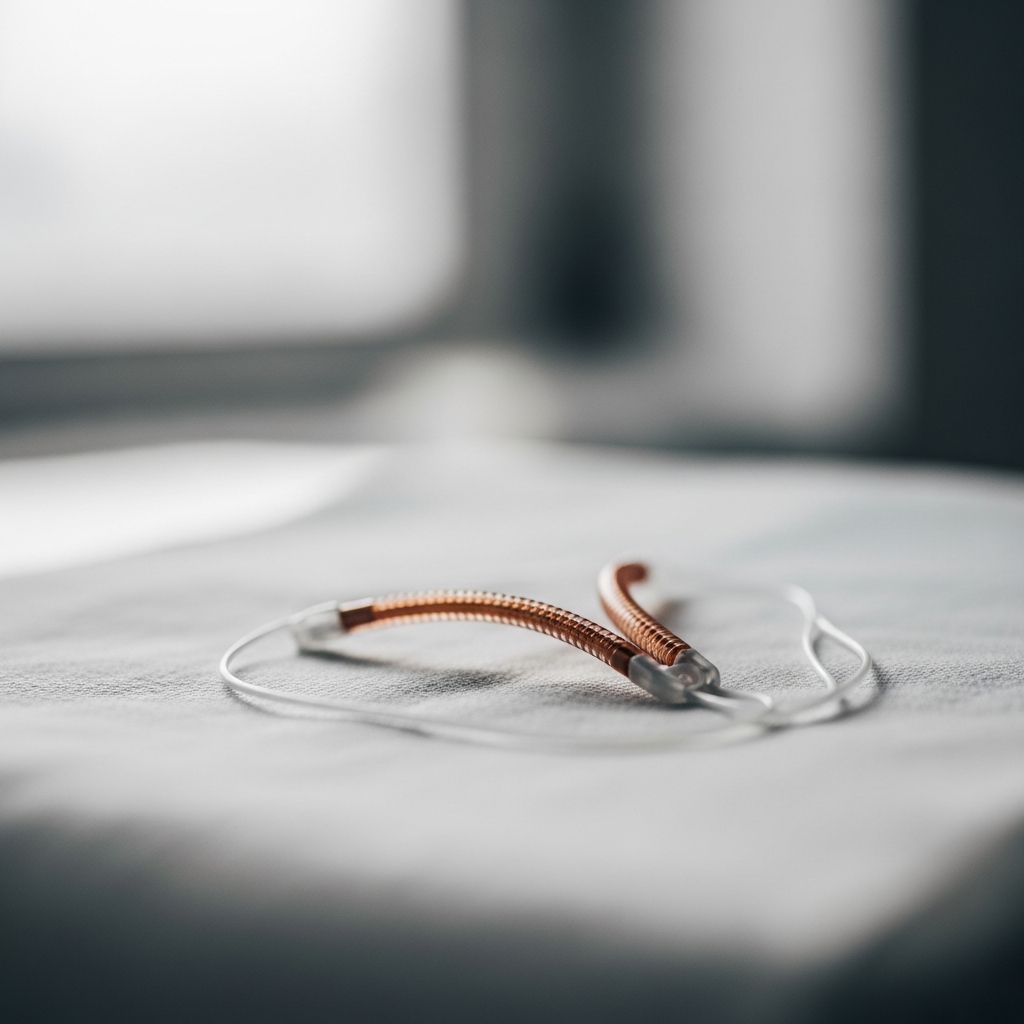
Intrauterine devices (IUDs) are highly effective long-acting reversible contraceptives, but expulsion occurs in about 2-10% of cases, often within the first year. Recognizing signs like cramping, bleeding changes, or palpable device parts is crucial for prompt action to restore protection.
What Does It Mean If Your IUD Fell Out?
An IUD falling out, or expulsion, happens when the device partially or fully exits the uterus, typically through the cervix. This can occur without notice, especially during heavy periods, but often presents with symptoms. Hormonal IUDs like Mirena release levonorgestrel to prevent pregnancy by thickening cervical mucus and thinning the uterine lining, while copper IUDs like Paragard create a spermicidal environment. Displacement reduces effectiveness, raising pregnancy risk.
Expulsion is most common in the first 3 months post-insertion but can happen anytime. Partial expulsion leaves the IUD low in the uterus or vagina, while complete expulsion means it’s passed out of the body, sometimes unnoticed in menstrual blood.
Symptoms Your IUD Has Fallen Out
Many notice symptoms, though some expulsions are asymptomatic. Key indicators include:
- Feeling the IUD itself: Normally, only soft strings are palpable at the cervix. Feeling hard plastic signals partial expulsion, causing irritation like a needle prick.
- Partner feels the IUD during sex: The hard device may be noticeable, unlike tucked-away strings.
- Intense cramping or pain: Uterine contractions to expel the ‘foreign body’ cause severe cramps, worse with copper IUDs.
- Changes in bleeding: Sudden heavy or irregular periods with hormonal IUDs (which typically lighten flow); lighter flow with copper IUDs (which usually increase it).
- Abnormal discharge: Unusual color, smell, or texture from irritation, distinct from infections.
- String changes: Longer, shorter, or absent strings during self-check.
- Discomfort during sex or abdominal pain: Due to misplacement.
Rarely, perforation occurs (1-2 per 1,000 insertions), where the IUD pokes through the uterine wall, causing severe pain and possibly requiring surgery.
Risk Factors for IUD Expulsion
Not all IUD users face equal risk. Factors increasing expulsion likelihood include:
- Young age (under 20-25): 5.5 times higher risk due to stronger uterine contractions.
- Heavy or painful periods: 2.4 times greater risk from vigorous muscle activity.
- Recent childbirth or second-trimester abortion: Uterus not fully regained tone.
- Nulliparity (never pregnant): Though recent data conflicts.
- Uterine abnormalities: Tilt, fibroids, bicornuate shape, or irregular surfaces.
- Improper insertion or ill-fitting size.
- Infection or inflammation post-insertion.
- Vigorous activity: Sports, heavy lifting.
- High prostaglandin levels causing strong contractions.
Heavy menstrual bleeding is the top risk factor per U.S. cohort studies.
How To Check If Your IUD Is Still in Place
Monthly self-checks after your period are recommended. Wash hands, assume a squatting position, and feel for strings:
- Insert clean fingers into vagina toward cervix.
- Locate firm cervix; strings should feel like fishing line (1-2 inches), trailing from one spot.
- Normal variations: Strings may soften, curl, or shorten over time.
If strings feel different, device is palpable, or absent, contact a provider immediately. Do not tug strings.
| Normal Findings | Warning Signs |
|---|---|
| Soft, thin strings (1-2 inches) | No strings felt |
| Strings from single cervical spot | Strings longer/shorter |
| Cannot feel hard plastic | Hard IUD body palpable |
Related Stories



What to Do If You Think Your IUD Fell Out
Act quickly to avoid pregnancy:
- Stop intercourse or use backup (condoms) until confirmed/replaced.
- Call provider same day for exam, ultrasound, or X-ray.
- Check period products/toilet for expelled IUD if during menses.
- Monitor for infection: Fever, chills, foul discharge warrant ER visit.
Providers confirm placement via pelvic exam, ultrasound, or imaging. If expelled, discuss reinsertion (often after next period) or alternatives. Effectiveness returns upon proper replacement.
Can You Get Pregnant If Your IUD Fell Out?
Yes, fertility resumes immediately upon displacement. Pregnancy risk spikes without backup contraception. If suspected pregnancy post-expulsion, seek evaluation for ectopic risk (rare but serious with IUDs).
Preventing IUD Expulsion
While not fully preventable:
- Choose experienced inserter.
- Insert during menses or post-period for easier placement.
- Take NSAIDs pre-insertion for cramping.
- Avoid vigorous exercise 48 hours post-insertion.
- Monitor high-risk factors; consider alternatives if multiple risks.
- Attend follow-up 4-6 weeks post-insertion.
Reinsertion success is high; many continue IUD use successfully.
Frequently Asked Questions (FAQs)
Can an IUD fall out without symptoms?
Yes, rarely, especially with heavy flow where it passes in blood clots unnoticed.
How common is IUD expulsion?
2-10%, highest first year, first 3 months.
What if I can’t feel my IUD strings?
Possible migration, curling, or expulsion. See provider for ultrasound.
Does IUD expulsion mean it’s not for me?
Not necessarily; reinsertion often succeeds. Discuss risks with doctor.
Can sex cause IUD expulsion?
Unlikely directly, but displacement may cause painful sex as symptom.
Is IUD expulsion dangerous?
Usually not, but perforation (rare) or infection needs urgent care.
References
- How To Know If Your IUD Is Out Of Place: Signs And Symptoms — Womens-Healthcare.co.uk. 2023. https://womens-healthcare.co.uk/iud-out-of-place-signs-and-symptoms/
- IUD Expulsion: What To Do If Your IUD Falls Out — Flo Health. 2024. https://flo.health/menstrual-cycle/sex/birth-control/iud-expulsion
- Can An IUD Fall Out? Why? And What To Do? — Pandia Health. 2024. https://www.pandiahealth.com/blog/can-an-iud-fall-out-why-and-what-to-do/
- IUD displacement: Signs, how to check, and next steps — Medical News Today. 2024-01-29. https://www.medicalnewstoday.com/articles/signs-your-iud-is-out-of-place
- Risk factors for IUD expulsion — Contemporary OB/GYN. 2023. https://www.contemporaryobgyn.net/view/risk-factors-for-iud-expulsion
Similar Articles








Read full bio of medha deb