IUD Side Effects: Common, Rare, And When To Worry
Understanding common and rare IUD side effects, from cramping to infection risks, and when to seek medical help.
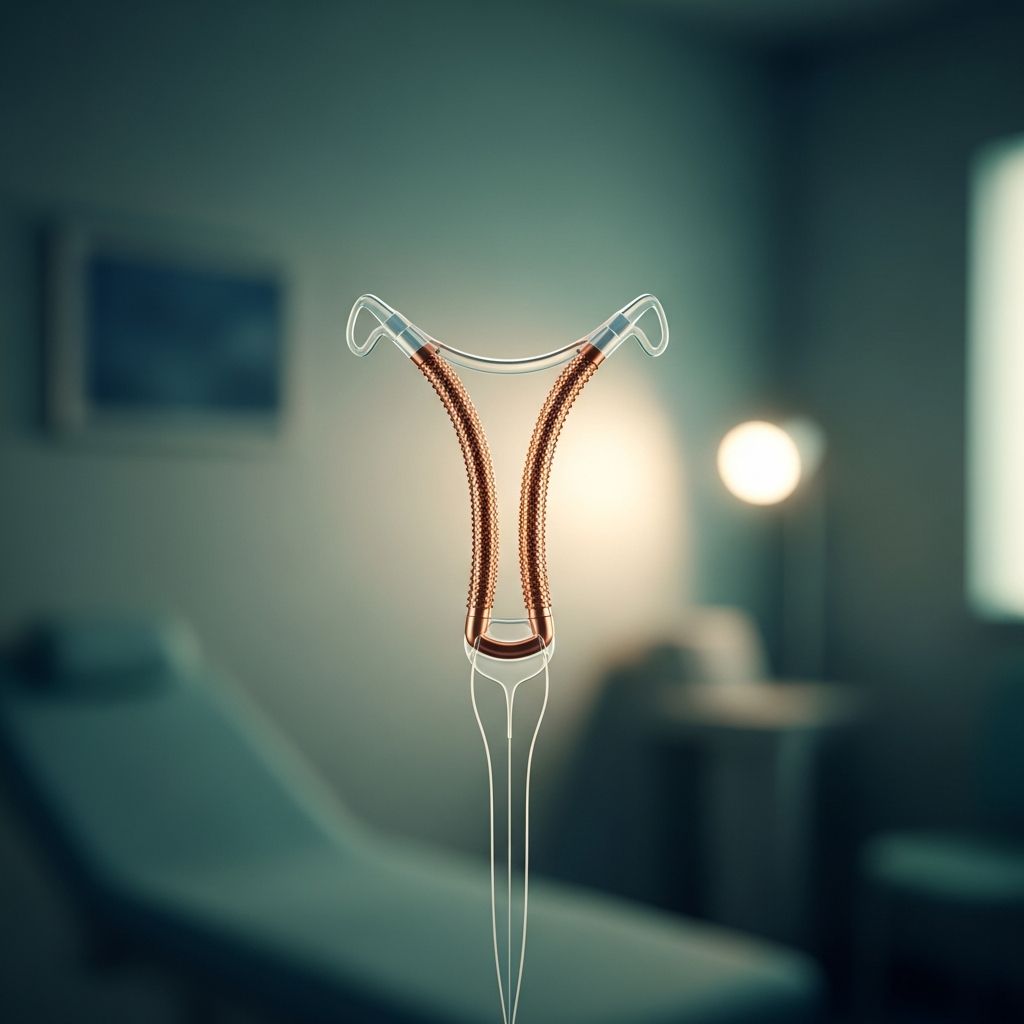
Intrauterine devices (IUDs) are highly effective long-acting reversible contraceptives, but like any medical intervention, they come with potential side effects. These small T-shaped devices, inserted into the uterus, include hormonal types (such as Mirena, Kyleena, Liletta, and Skyla) that release progestin and the nonhormonal copper IUD (Paragard). While most side effects are mild and temporary, understanding them helps users make informed decisions and know when to seek care.
What Is an IUD?
An IUD is a small, flexible device placed in the uterus by a healthcare provider to prevent pregnancy. Hormonal IUDs thicken cervical mucus, thin the uterine lining, and may suppress ovulation, lasting 3–8 years depending on the brand. The copper IUD creates a spermicidal environment and lasts up to 10–12 years. Both are over 99% effective, with failure rates under 1%.
Insertion typically takes a few minutes during a pelvic exam, often during menstruation for easier placement. Benefits include convenience—no daily pills—and reversibility upon removal, with fertility returning quickly.
Side Effects During and After Insertion
Most people experience temporary discomfort during and shortly after IUD insertion. Common symptoms include:
- Abdominal or pelvic pain and cramping: Feels like intense period cramps due to uterine stretching; peaks in the first hour and subsides within hours to days.
- Bleeding or spotting: Light bleeding is normal for 3–6 months post-insertion.
- Dizziness, nausea, vomiting, or fainting: Vasovagal response from pain or cervical manipulation; resolves quickly.
- Back pain or pressure: Mild and short-lived.
Pain tolerance, cervical length, and prior vaginal births influence intensity. Taking ibuprofen beforehand, using a heating pad, or cervical numbing can help. Severe or prolonged symptoms warrant a call to your provider.
Common Side Effects by IUD Type
Hormonal IUD Side Effects
Hormonal IUDs primarily affect bleeding patterns and may cause systemic symptoms from progestin:
- Changes in menstrual bleeding: Lighter, irregular, or absent periods (amenorrhea in up to 20–50% after one year); breakthrough spotting common first 3–6 months.
- Ovarian cysts: Benign, fluid-filled sacs in 12% of users first year; usually asymptomatic and resolve in 2–3 months.
- Acne, oily skin, headaches, breast tenderness, nausea: Hormonal adjustments; often improve over time.
Copper IUD Side Effects
Paragard increases inflammation to repel sperm but can intensify menstrual symptoms:
- Heavier, longer, more painful periods: Up to 50% more blood loss; cramping worsens initially but may decrease subjectively over time despite objective increases.
- Increased spotting or intermenstrual bleeding: Days with spotting may rise.
- Pelvic pain: Common complaint leading to 5–15% early removal.
A study of 1,947 first-time copper IUD users found menstrual pain and bleeding complaints decreased over 12 months (p<0.05), though intermenstrual spotting days increased.
Other Common Side Effects
Both types share these issues:
- Changes in vaginal discharge: Increased volume or odor changes.
- Pain during sex (dyspareunia): Due to strings or positioning; trims strings if needed.
- Vulvovaginitis: Yeast or bacterial infections.
- Dysmenorrhea: Worsened cramps.
Related Stories



Most resolve within months; 67% of copper IUD users report some menstrual changes in year one, but many continue use.
Rare but Serious Side Effects and Complications
While uncommon (<5%), these require prompt attention:
| Complication | Description | Risk Factors | Incidence |
|---|---|---|---|
| Expulsion | IUD partially or fully exits uterus | Prior births, heavy periods | 2–10% first year |
| Perforation/Embedment | IUD punctures or embeds in uterine wall | Postpartum insertion | <1/1,000 |
| Infection/PID | Bacterial ascent causing pelvic inflammatory disease | First 20 days post-insertion, STIs | <1%; highest early |
| Ectopic Pregnancy | Rare if IUD fails | Any contraceptive failure | Low overall |
Expulsion symptoms mimic cramps/bleeding; check strings monthly. Perforation may be asymptomatic, detected on exam. PID symptoms: fever, severe pain, discharge.
Managing IUD Side Effects
- Pain relief: NSAIDs like ibuprofen (600–800mg pre-insertion), heat therapy.
- Bleeding: Wait 3–6 months; iron supplements if heavy.
- Cysts: Monitor; most resolve.
- Infection prevention: STI screening pre-insertion.
- Follow-up: Check strings after periods; first post-insertion visit at 4–6 weeks.
If side effects persist beyond 6 months or impact quality of life, discuss removal or switch (e.g., to another brand).
When to Contact a Healthcare Provider
Seek immediate care if:
- Severe abdominal pain unresponsive to meds.
- Heavy bleeding soaking >1 pad/hour.
- Fever >100.4°F, chills, foul discharge.
- Cannot feel strings or they lengthen/shorten.
- Pain/bleeding with sex, possible pregnancy signs.
- Sudden severe pain (possible rupture).
Urgent: Call GP or 111-equivalent for lower tummy pain, high temp, or abnormal discharge.
Frequently Asked Questions (FAQs)
Do IUD side effects go away?
Yes, most like cramping and irregular bleeding improve after 3–6 months. Copper IUD bleeding/pain may lessen subjectively over 12 months.
Can an IUD cause weight gain?
No strong evidence; any gain likely lifestyle-related, not directly from IUD.
How do I check if my IUD is in place?
Wash hands, feel for strings at cervix end monthly post-period. No strings? See provider.
Does IUD protect against STIs?
No; use condoms for STI prevention.
Can I exercise after IUD insertion?
Light activity ok; avoid tampons/heavy lifting 24–48 hours.
References
- IUD Side Effects and How to Handle Them — Healthline. 2023. https://www.healthline.com/health/birth-control/iud-side-effects
- Side effects from the copper IUD: do they decrease over time? — NIH/PMC. 2009-06-25. https://pmc.ncbi.nlm.nih.gov/articles/PMC2702765/
- Side effects of an IUD (intrauterine device) or copper coil — NHS. 2023. https://www.nhs.uk/contraception/methods-of-contraception/iud-coil/side-effects/
- What Women Should Know About Intrauterine Devices (IUDs) — Yale Medicine. 2023. https://www.yalemedicine.org/news/intrauterine-devices-iud
- IUD Side Effects — WebMD. 2023. https://www.webmd.com/sex/birth-control/iud-side-effects
Similar Articles








Read full bio of Sneha Tete