IUDs For Contraception: Complete Guide To Benefits And Risks
Explore effective, long-term birth control options with intrauterine devices, including types, benefits, and what to expect.
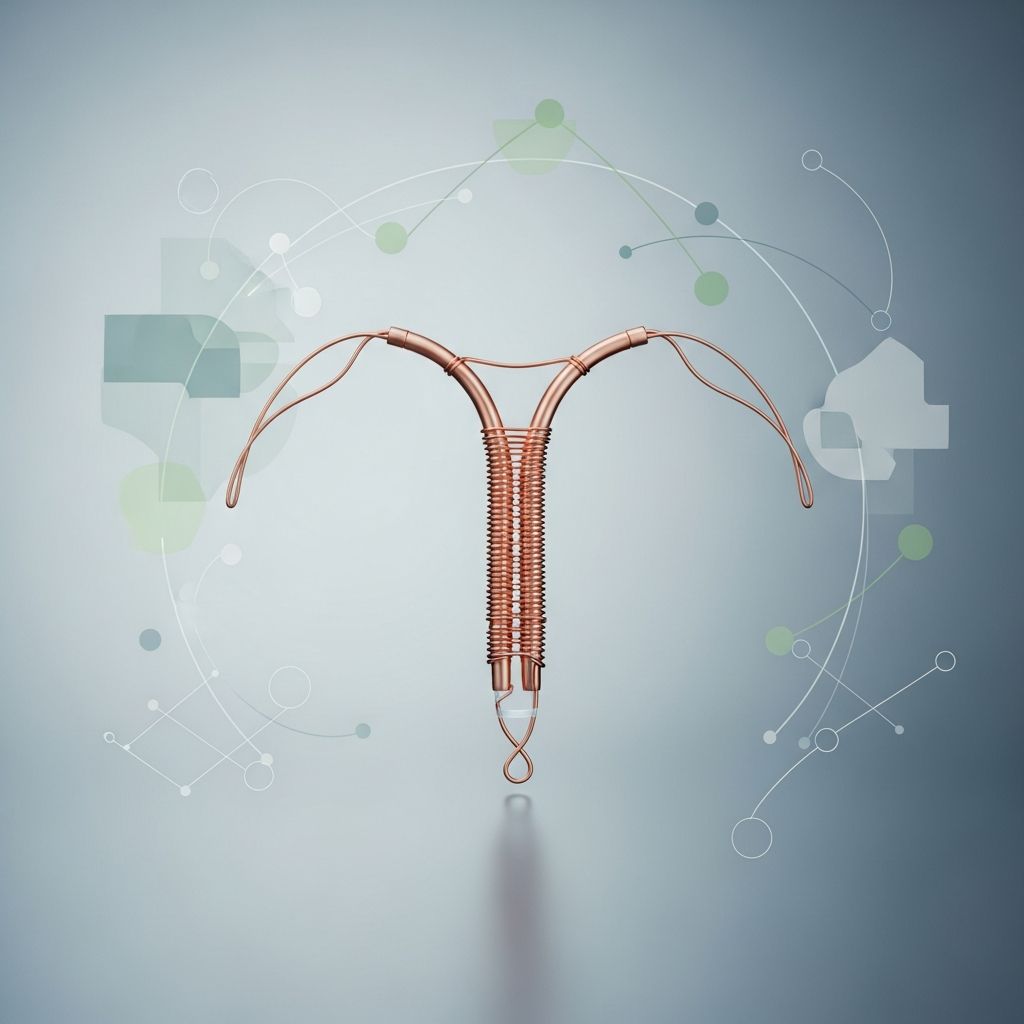
Intrauterine devices, commonly known as IUDs, represent one of the most reliable forms of long-acting reversible contraception available today. These small, T-shaped devices are placed inside the uterus by a healthcare professional and can prevent pregnancy for several years without daily attention.
Understanding the Basics of IUDs
IUDs belong to the category of long-acting reversible contraceptives (LARCs), which are distinguished by their high efficacy rates exceeding 99% and ease of use once inserted. Unlike daily pills or weekly patches, IUDs require no ongoing user action after placement, making them suitable for individuals seeking hassle-free protection. They are reversible, meaning fertility typically returns quickly upon removal.
Types of Intrauterine Devices
There are two primary categories of IUDs: hormonal and non-hormonal (copper). Each type employs distinct mechanisms to achieve contraception while offering unique benefits tailored to different needs.
Hormonal IUDs
Hormonal IUDs release progestin, a synthetic form of progesterone, directly into the uterus. This local hormone delivery primarily works by thickening cervical mucus to block sperm, thinning the uterine lining to prevent implantation, and sometimes suppressing ovulation. Brands vary in duration, with approvals ranging from 3 to 8 years depending on the specific product. These devices are particularly beneficial for managing heavy menstrual bleeding and associated pain over time.
Copper IUDs
Copper IUDs, hormone-free, feature copper coiled around the device arms. The copper ions create a toxic environment for sperm, impairing their motility and ability to fertilize an egg. This type is approved for up to 10 years of use and serves as an effective emergency contraceptive when inserted within 5 days of unprotected intercourse. It appeals to those preferring non-hormonal options.
| Type | Duration | Key Mechanism | Additional Benefits |
|---|---|---|---|
| Hormonal | 3-8 years | Progestin release: mucus thickening, lining thinning | Reduces heavy periods, menstrual pain |
| Copper | Up to 10 years | Copper ions impair sperm | Emergency contraception, no hormones |
How IUDs Prevent Pregnancy
Both types excel at blocking fertilization. Hormonal variants alter the cervical environment and uterine conditions, while copper disrupts sperm function directly. Neither protects against sexually transmitted infections (STIs), so combining with condoms is recommended for STI prevention. Studies indicate potential protective effects against certain cancers and pelvic inflammatory disease, though more research is needed.
The Insertion Process Explained
Insertion is a quick office procedure performed by trained providers, often taking just minutes. Patients may receive local anesthesia or pain relief. The process involves passing the folded IUD through the cervix into the uterus using a thin applicator. Thin strings attached to the IUD extend into the vagina for later checking and removal. Timing is flexible: post-childbirth, abortion, or during breastfeeding, with no impact on milk production.
- Preparation: Discussion of medical history, STI screening if needed.
- During: Speculum exam, cervix cleansing, IUD placement.
- After: Cramping possible; rest advised for the day.
Effectiveness and Real-World Performance
IUDs boast failure rates below 1%, outperforming most user-dependent methods. Their set-it-and-forget-it nature minimizes typical use errors. Suitable for adolescents, those without children, and across ages, they provide consistent protection.
Advantages of Choosing an IUD
The appeal of IUDs lies in their convenience and reliability:
- Long-term protection without daily remembrance.
- Discreet—no visible signs or interference with intimacy or activities.
- Reversible fertility restoration shortly after removal.
- Hormonal types often lighten or eliminate periods.
- Copper option for emergency use and hormone avoidance.
- Cost-effective over time despite upfront expense.
Related Stories



Almost all individuals can use them, with few contraindications.
Potential Side Effects and Risks
While safe for most, side effects vary by type. Hormonal IUDs may cause irregular spotting initially, resolving over months; some experience lighter periods long-term. Copper IUDs can increase menstrual flow and cramping.
Rare risks include:
- Expulsion (2-10% in first year).
- Perforation during insertion (1/1,000).
- Infection shortly after placement.
- Ectopic pregnancy if failure occurs (lower overall risk).
Regular thread checks monthly ensure proper positioning. Seek care for missing strings, severe pain, or unusual discharge.
Who Might Not Be Suitable for an IUD?
Certain conditions warrant caution: active pelvic infection, undiagnosed uterine bleeding, breast cancer (for hormonal), or copper allergy. Providers assess suitability individually.
Comparing IUDs to Other Contraceptives
| Method | Effectiveness | User Effort | Hormones? |
|---|---|---|---|
| IUD | >99% | Low (one-time) | Optional |
| Pill | 91% typical | Daily | Yes |
| Condom | 82% typical | Per use | No |
| Implant | >99% | Low (one-time) | Yes |
Cost Considerations and Access
Initial costs range from hundreds of dollars, often covered by insurance or public programs. Longevity offsets expenses compared to shorter-term methods.
Living with an IUD: Daily Tips
Feel for strings monthly post-period. Use tampons or cups safely. Partner may notice strings during sex initially, softening over time. Annual check-ups monitor placement.
Removal and Fertility Return
Removal is simple: strings are pulled gently, taking seconds. Fertility rebounds immediately, with no lasting impact.
Addressing Common Myths
- Myth: IUDs cause infertility. Fact: No evidence; fertility returns promptly.
- Myth: Only for those who’ve given birth. Fact: Safe for nulliparous individuals.
- Myth: Increases STI risk long-term. Fact: No, but use barriers for protection.
Frequently Asked Questions (FAQs)
Does an IUD hurt to insert?
Pain varies; cramping similar to severe periods is common but brief. Pain management options exist.
Can I use an IUD while breastfeeding?
Yes, both types are safe and recommended.
How soon after insertion is it effective?
Immediate for copper; wait 7 days for hormonal unless inserted during period.
What if I can’t feel the strings?
Contact provider promptly for evaluation.
Can I switch IUD types easily?
Yes, removal and new insertion can occur same visit.
Consulting Healthcare Providers
Discuss options with a doctor or nurse to choose the best fit. Personalized advice ensures safety and satisfaction.
References
- Long-Acting Reversible Contraception: Implants and Intrauterine Devices — American College of Obstetricians and Gynecologists (ACOG). 2023. https://www.acog.org/womens-health/faqs/long-acting-reversible-contraception-iud-and-implant
- Contraception – intrauterine devices (IUD) — Better Health Channel, Victoria Government. 2024. https://www.betterhealth.vic.gov.au/health/healthyliving/contraception-intrauterine-devices-iud
- Intrauterine Device (IUD): Birth Control, Use & Side Effects — Cleveland Clinic. 2024. https://my.clevelandclinic.org/health/treatments/24441-intrauterine-device-iud
- Intrauterine Device Placement and Removal — StatPearls, NCBI Bookshelf. 2023. https://www.ncbi.nlm.nih.gov/books/NBK557403/
- What Women Should Know About Intrauterine Devices (IUDs) — Yale Medicine. 2023. https://www.yalemedicine.org/news/intrauterine-devices-iud
- U.S. Selected Practice Recommendations for Contraceptive Use — Centers for Disease Control and Prevention (CDC). 2024. https://www.cdc.gov/contraception/hcp/usspr/intrauterine-contraception.html
Similar Articles








Read full bio of Sneha Tete