IV Fluids: Purpose, Types, Benefits & Side Effects
Complete guide to intravenous fluids: how they work, types, benefits, risks, and when they're used in medical care.
What Are IV Fluids?
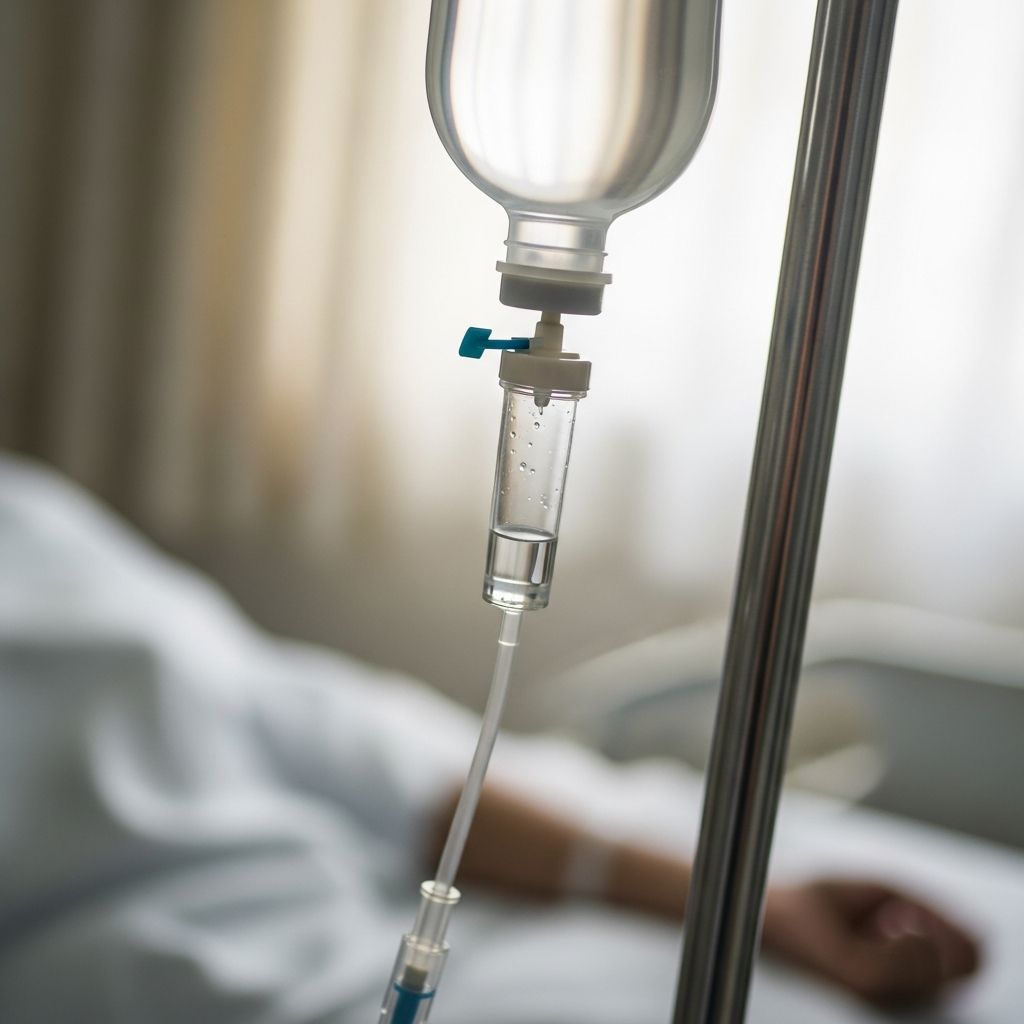
Intravenous (IV) fluids are sterile liquid solutions administered directly into your bloodstream through a needle or catheter placed in a vein. The term “intravenous” literally means “within a vein,” and this method of delivery allows medications, nutrients, and fluids to bypass your digestive system and work immediately in your body. IV fluids serve multiple critical functions in modern healthcare, from basic hydration to delivering life-saving medications and nutritional support.
IV therapy has become one of the most common medical procedures performed in hospitals, clinics, and emergency care settings worldwide. Healthcare providers use peripheral IV lines, which are thin, flexible tubes that can remain in place for several days, preventing the need for repeated needle sticks and allowing continuous access to the circulatory system.
Why Do You Need IV Fluids?
Healthcare providers recommend IV fluids for various medical conditions and situations where your body needs immediate rehydration or therapeutic intervention. The primary reasons for receiving IV fluids include:
Dehydration and Fluid Loss: When your body loses significant amounts of fluid through vomiting, diarrhea, excessive sweating, or bleeding, IV fluids can rapidly restore your fluid balance. This is particularly important in emergency situations where oral rehydration isn’t possible or sufficient.
Hypovolemia Treatment: Hypovolemia occurs when your body doesn’t have enough fluid volume to maintain adequate blood flow and oxygen delivery to vital organs. Treatment with IV fluids rehydrates and replenishes the fluid your body lost, with the goal of increasing the amount of fluid volume in your body via fluid replacement, also known as fluid resuscitation.
Medication Delivery: IV fluids provide an efficient pathway for delivering medications directly into your bloodstream, allowing for faster absorption and more controlled dosing compared to oral medications. This is essential for pain management, antibiotics, chemotherapy, and other therapeutic drugs.
Nutritional Support: For patients who cannot eat or whose digestive systems aren’t functioning properly, IV fluids containing essential nutrients, vitamins, and minerals help maintain proper nutrition and support healing.
Post-Surgery Recovery: After surgical procedures, IV fluids help prevent complications from blood loss, maintain fluid balance, and provide necessary medications for pain management and infection prevention.
Emergency Situations: In trauma, severe illness, or life-threatening conditions, IV fluids are critical for maintaining blood pressure, oxygen delivery, and organ function.
Types of IV Fluids
Different types of IV fluids serve specific purposes based on your medical condition and treatment needs. Healthcare providers select the appropriate fluid composition to match what your body requires.
Crystalloid Solutions: These are electrolyte-balanced solutions that mimic the composition of blood plasma. They include normal saline (0.9% sodium chloride) and balanced electrolyte solutions like Lactated Ringer’s solution. Crystalloids are the most commonly used IV fluids in hospitals and are appropriate for most patients requiring hydration and fluid replacement.
Related Stories



Colloid Solutions: These solutions contain larger molecules like albumin, dextran, or gelatin that help maintain fluid in the bloodstream longer than crystalloids. Colloids are used in specific situations where sustained fluid retention is beneficial, such as in severe burns or critical illness.
Blood Products: In cases of significant blood loss, patients may receive packed red blood cells, fresh frozen plasma, or platelets through IV lines. These products restore oxygen-carrying capacity and clotting factors.
Hypertonic Solutions: These contain higher concentrations of solutes than blood plasma and are used in specific situations, such as treating severe hyponatremia (low sodium levels) or reducing intracranial pressure in head injuries.
Hypotonic Solutions: These solutions have fewer solutes than blood plasma and are used cautiously, primarily for patients with hypernatremia (high sodium levels) or specific electrolyte imbalances.
Dextrose Solutions: These contain glucose combined with water and are used primarily to provide calories and hydration for patients who cannot eat, or to treat hypoglycemia (low blood sugar).
How Are IV Fluids Administered?
The process of administering IV fluids begins with careful assessment and preparation by your healthcare provider. Before insertion, your provider will examine your arm or other potential insertion sites to locate an appropriate vein, typically looking for larger veins that are nonmoving and can support the IV catheter.
Your healthcare provider may apply a tourniquet above the insertion site to make veins more visible and easier to access. If necessary, they may use a vein-finder device to locate suitable veins, particularly in patients with difficult venous access. Once an appropriate vein is identified, the provider may apply topical anesthetic to numb the area, especially when treating children.
After cleaning the site with an antiseptic swab and reapplying the tourniquet, your provider will gently hold the area still and taut with one hand while holding the needle and catheter in the other. They’ll insert the needle into your skin at a shallow angle, advancing it through your skin and into the vein. Once the needle is positioned correctly, the provider gently advances the catheter into your vein and removes the needle and tourniquet.
After placement, your healthcare provider will cover the catheter with a transparent dressing and secure the tubing to your skin with tape, noting the date and time of insertion. The IV line is then flushed with saline to confirm adequate flow before connecting to the IV bag containing your prescribed fluid.
The IV bag is typically positioned above the insertion site, allowing gravity to facilitate fluid flow into your vein. The rate of fluid administration is carefully controlled using infusion pumps or gravity-fed drip rates determined by your specific medical needs and condition.
Benefits of IV Fluids
Immediate Hydration: IV fluids work much faster than oral hydration because they bypass the digestive system and enter your bloodstream directly. This allows your body to quickly restore fluid balance and cellular function.
Direct Circulatory Access: By delivering therapeutic substances directly to the circulatory system rather than requiring them to pass through the digestive process, IV fluids ensure maximum bioavailability and effectiveness. This is particularly beneficial for patients with digestive issues that impair nutrient absorption.
Rapid Medication Delivery: IV fluids provide an ideal pathway for medications that need to work quickly or cannot be taken orally, such as antibiotics for severe infections or pain medications following surgery.
Prevents Organ Damage: In conditions like hypovolemia, rapid IV fluid administration helps maintain adequate blood flow and oxygen delivery to vital organs, preventing damage from insufficient perfusion.
Controlled Dosing: Healthcare providers can precisely control the amount and rate of fluid administration, allowing for more accurate therapeutic dosing compared to other routes of medication delivery.
Reduced Digestive Burden: For patients with severe illness, post-operative conditions, or digestive disorders, IV fluids and nutrition bypass compromised digestive systems, allowing the body to focus energy on healing.
Potential Side Effects and Complications
While IV therapy is generally safe when administered by trained healthcare professionals, some potential complications can occur. Understanding these risks helps you recognize symptoms and report them promptly to your healthcare team.
Infection: Although rare, infection at the IV insertion site or bloodstream infection (sepsis) can develop if sterile technique is not maintained. Signs include redness, warmth, swelling, or pus at the insertion site, or fever and chills.
Infiltration: This occurs when IV fluid leaks into surrounding tissue instead of remaining in the vein, causing swelling, pain, and coolness around the insertion site. Tissue damage can result from certain medications if infiltration occurs.
Phlebitis: Inflammation of the vein can develop, causing pain, redness, and warmth along the vein’s path. This complication is why peripheral IVs are typically replaced every 72 to 96 hours in most hospital settings.
Fluid Overload: In some cases, particularly in patients with heart or kidney conditions, receiving too much IV fluid can cause hypervolemia (excess fluid), leading to swelling, difficulty breathing, or heart complications.
Electrolyte Imbalances: Some IV fluids contain sodium, and it’s possible to experience symptoms of hypervolemia while receiving IV fluids if your body’s sodium levels aren’t balanced.
Air Embolism: In rare cases, air can enter the bloodstream through IV lines, potentially causing serious complications. This risk is minimized through proper tubing priming and monitoring.
Bruising and Discomfort: Minor bruising at the insertion site is common, and some patients experience discomfort during needle insertion or while the IV is in place.
Duration of IV Fluid Treatment
The length of time you receive IV fluids depends entirely on your medical condition and treatment goals. Hypovolemia, for example, lasts until your body can replenish the amount of fluid lost, which could take a couple of days to a few weeks. Once treatment begins, it will progress in steps to ensure your body receives enough fluid to maintain blood flow and prevent life-threatening symptoms.
Initially, you might receive a larger amount of IV fluid for rapid rehydration, and once your fluid volume gets closer to 100%, the amount of fluid you receive will decrease until your fluid volume stabilizes and your symptoms go away. After a provider inserts a peripheral IV, it can remain in place for several days, which prevents the need for repeated needle sticks.
Some patients require short-term IV therapy lasting only a few hours, while others may need ongoing treatment for weeks or months. Your healthcare provider will determine the appropriate duration based on your individual circumstances and treatment response.
Frequently Asked Questions
Q: What’s the difference between IV fluids and oral hydration?
A: IV fluids bypass your digestive system and enter your bloodstream directly, working much faster than oral hydration. IV fluids are used when patients cannot drink, have severe dehydration, or require immediate therapeutic intervention. Oral hydration is appropriate for mild dehydration in patients who can drink and tolerate fluids.
Q: How long does an IV stay in place?
A: Peripheral IVs typically remain in place for several days. In most hospitals, healthcare providers must replace peripheral IVs every 72 to 96 hours to reduce the risk of infection and phlebitis.
Q: Is IV therapy painful?
A: Most patients experience minimal pain during IV insertion—usually just a brief pinch or sting when the needle enters the skin. Once in place, an IV causes little or no pain. Experienced IV administrators can place an IV so expertly that many patients hardly notice the procedure.
Q: Can I eat or drink while receiving IV fluids?
A: This depends on your medical condition and the reason for your IV therapy. Your healthcare provider will advise you on any dietary restrictions. In some cases, you can continue eating and drinking, while in others—such as before surgery—you may need to fast.
Q: What should I do if my IV site becomes red, swollen, or painful?
A: Report any signs of infection, infiltration, or phlebitis to your healthcare provider immediately. These symptoms require prompt medical attention to prevent complications and ensure the IV is properly functioning or replaced if necessary.
Q: Are there alternatives to IV fluid therapy?
A: For mild dehydration, oral hydration with water and electrolyte solutions is often sufficient. However, for severe dehydration, emergency situations, or when oral intake isn’t possible, IV fluids are the most effective treatment. Your healthcare provider will recommend the best approach for your specific situation.
Q: Can I move around with an IV in place?
A: Yes, in most cases you can move around carefully with an IV in place. However, you should keep the IV arm relatively immobilized and protected to prevent infiltration or accidentally pulling out the catheter. Your healthcare provider will give you specific instructions about activity restrictions.
When IV Fluids Treatment is Most Important
IV fluid therapy becomes particularly critical in emergency situations where immediate intervention can be lifesaving. In severe dehydration from heat exhaustion, gastroenteritis, or other causes, rapid fluid replacement prevents organ failure and maintains vital functions. For trauma victims experiencing significant blood loss, IV fluids and blood products maintain blood pressure and oxygen delivery while preventing shock.
Following surgical procedures, IV fluids prevent complications from anesthesia, blood loss, and surgical manipulation. Immediate treatment leads to the best outcome for people diagnosed with hypovolemia and other conditions requiring fluid replacement.
In chronic conditions requiring ongoing support, such as cancer patients receiving chemotherapy or those with long-term nutritional deficiencies, IV therapy can be administered in home settings through home infusion pharmacy services, allowing patients to maintain treatment while remaining in their familiar environment.
References
- Hypovolemia Symptoms, Causes & Treatment — Cleveland Clinic. 2024. https://my.clevelandclinic.org/health/diseases/22963-hypovolemia
- Peripheral IV — Cleveland Clinic. 2024. https://my.clevelandclinic.org/health/treatments/24930-peripheral-iv
- Hypervolemia Symptoms, Causes & Treatment — Cleveland Clinic. 2024. https://my.clevelandclinic.org/health/diseases/22962-hypervolemia
- Parenteral Nutrition: What it Is, Uses & Types — Cleveland Clinic. 2024. https://my.clevelandclinic.org/health/treatments/22802-parenteral-nutrition
- What fluids should I order for my patient with acute pancreatitis? — Cleveland Clinic Journal of Medicine. 2024. https://www.ccjm.org/content/91/8/466
Similar Articles








Read full bio of medha deb