Ivabradine Tablets: Uses, Dosage, Side Effects Guide
Comprehensive guide to Ivabradine (Procoralan) for treating chronic stable angina and heart failure symptoms effectively.
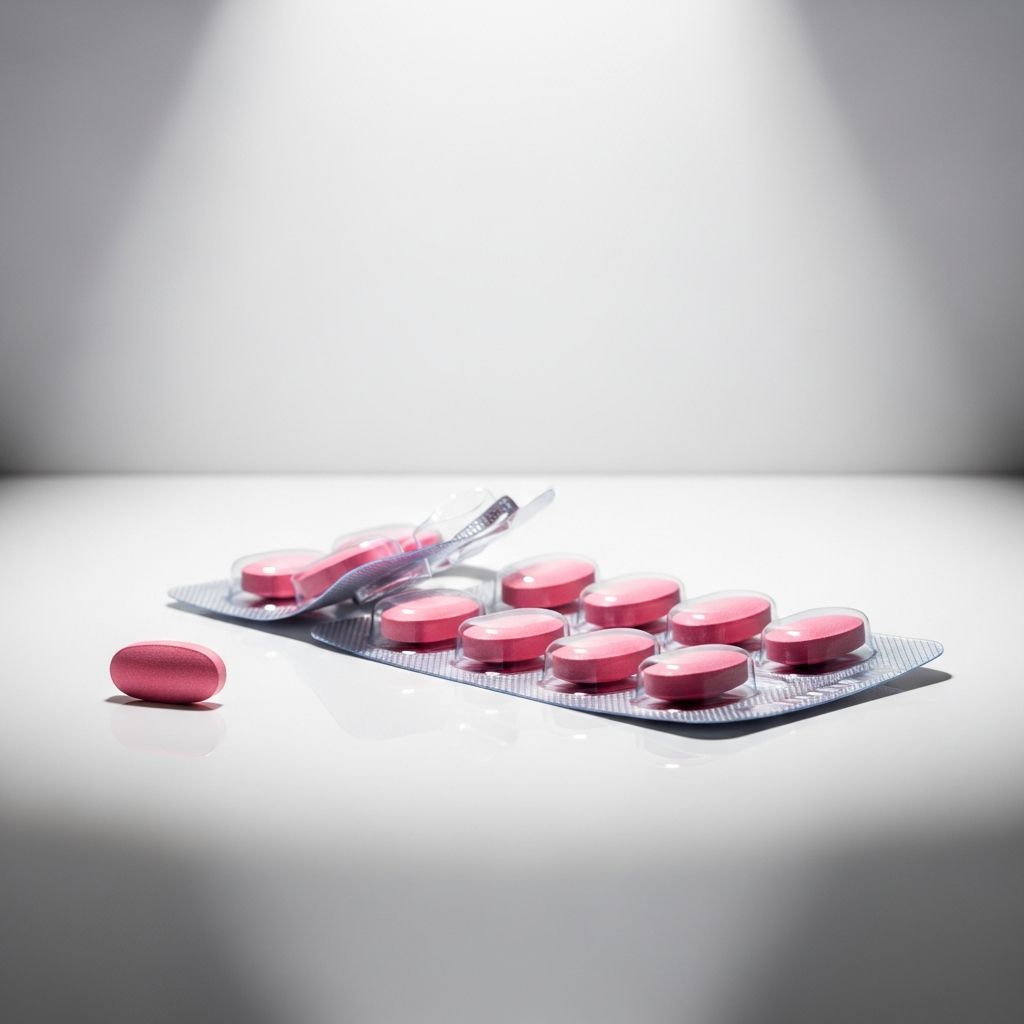
Ivabradine, marketed as Procoralan, is a prescription medication that selectively lowers heart rate by inhibiting the pacemaker current (If) in the sinoatrial node. It treats symptomatic chronic stable angina pectoris in adults with normal sinus rhythm and heart rate 60670 bpm, especially when beta-blockers are not tolerated or insufficient, and chronic heart failure (NYHA class II-IV) with systolic dysfunction and heart rate 60 2675 bpm.
About ivabradine tablets
Ivabradine tablets, known by the brand name Procoralan, belong to a class of drugs called hyperpolarization-activated cyclic nucleotide-gated (HCN) channel blockers. Unlike beta-blockers or calcium channel blockers, ivabradine specifically targets the ‘funny’ If current in the sinus node, reducing heart rate without affecting cardiac contractility or blood pressure significantly. This mechanism allows the heart to work less strenuously, improving oxygen supply to the myocardium and alleviating symptoms of angina or heart failure.
The tablets are film-coated, available in 5 mg and 7.5 mg strengths, and intended for oral use. Procoralan is authorized in the European Union for adults and is equivalent to brands like Corlanor in the US, approved by the FDA for similar indications.
Key facts
- Ivabradine starts reducing heart rate within 30-60 minutes, with maximum effect in 2-4 hours.
- Common brand names: Procoralan (EU), Corlanor (US).
- Treatment duration: Long-term for chronic conditions; regular heart rate monitoring required.
- Not a cure but symptom management; often combined with beta-blockers.
- Suitable for patients intolerant to beta-blockers or with persistent high heart rates.
About chronic stable angina
Chronic stable angina pectoris is chest pain or discomfort triggered by physical exertion or stress, due to reduced blood flow to the heart muscle from coronary artery disease. Symptoms include pain in the chest, jaw, shoulders, or back, relieved by rest or nitroglycerin. Ivabradine is indicated for adults in normal sinus rhythm with heart rate 60 2670 bpm who cannot use beta-blockers or need additional control.
By lowering heart rate, it decreases myocardial oxygen demand, increasing exercise tolerance and reducing angina episodes. Clinical trials showed reductions in coronary events by 22%, myocardial infarction by 36%, and need for revascularization by 30% when added to beta-blockers.
About chronic heart failure
Chronic heart failure occurs when the heart cannot pump blood effectively, leading to symptoms like breathlessness, fatigue, ankle swelling, and reduced exercise capacity. Ivabradine targets NYHA class II-IV patients with left ventricular systolic dysfunction (ejection fraction 60 2635%), sinus rhythm, and heart rate 60 2675 bpm despite standard therapy including beta-blockers.
It reduces hospitalization risk for worsening heart failure by improving cardiac efficiency. In pediatric patients 60 266 months with stable symptomatic heart failure from dilated cardiomyopathy, it is also indicated.
How ivabradine works
Ivabradine selectively blocks the If channels in the sinoatrial node, prolonging diastolic depolarization and slowing pacemaker activity. This dose-dependently lowers heart rate (typically by 10-15 bpm) without impacting conduction, contractility, or vascular tone. The result is reduced cardiac workload, better oxygen balance, and fewer ischemic events in angina or decompensation in heart failure.
Related Stories



Unlike other rate-lowering agents, it preserves stroke volume, making it ideal for heart failure where maintaining contractility is crucial.
How and when to take it
Take ivabradine tablets twice daily, once in the morning and once in the evening, with food to enhance absorption. Swallow whole with water; do not chew or crush. Dosage is individualized based on heart rate and tolerance.
Dosage
| Condition | Starting Dose | Target Heart Rate | Maximum Dose |
|---|---|---|---|
| Angina (adults) | 5 mg twice daily | 50-60 bpm | 7.5 mg twice daily |
| Heart failure (adults) | 5 mg twice daily | 50-60 bpm | 7.5 mg twice daily |
| Adults 60 2675 years | 2.5 mg twice daily (half 5 mg tablet) | 50-60 bpm | 5 mg twice daily |
| Pediatric (dilated cardiomyopathy, 60 266 months) | Weight-based (0.4 mg/kg/day oral solution) | Monitored | Consult label |
Adjust dose every 2 weeks based on resting heart rate measured before morning dose. Discontinue if heart rate <50 bpm or symptoms persist.
Dosage adjustments
- If heart rate 60 2670 bpm after 2 weeks: Increase to 7.5 mg twice daily.
- If heart rate 60-70 bpm: Maintain dose.
- If heart rate <60 bpm or symptoms of bradycardia: Reduce dose or stop.
- Hepatic impairment or CYP3A4 inhibitors: Start lower, max 5 mg twice daily.
- Elderly or low body weight: Cautious titration.
Common questions
How long does it take to work?
Heart rate reduction begins within hours; symptom improvement in 2-4 weeks with consistent use.
Can you drink alcohol with it?
Moderate alcohol is generally safe but avoid excess, as it may enhance bradycardia risk. Consult your doctor.
How to take it with other medicines
Ivabradine is metabolized by CYP3A4; avoid strong inhibitors (ketoconazole, ritonavir) or inducers (rifampicin). Use caution with moderate inhibitors (diltiazem, verapamil) or grapefruit juice, which increase levels. Compatible with beta-blockers, ACE inhibitors, statins, and diuretics in standard heart failure regimens.
Who can and cannot take ivabradine tablets
Who can take ivabradine
- Adults with chronic stable angina, normal sinus rhythm, HR 60 2670 bpm.
- Adults/children 60 266 months with chronic heart failure, sinus rhythm, elevated HR.
- Patients intolerant/contraindicated to beta-blockers.
Who cannot take it
- Hypersensitivity to ivabradine.
- Resting HR <60 bpm (adults) or <70 bpm (children).
- Pacemaker-dependent.
- Acute decompensated heart failure, severe hepatic impairment (Child-Pugh C), severe bradycardia.
- Pregnancy/breastfeeding.
Pregnancy and breastfeeding
Ivabradine is contraindicated in pregnancy due to potential fetal harm; effective contraception required. Not recommended during breastfeeding as it passes into milk. Discuss alternatives with your doctor.
Side effects
Most side effects relate to heart rate reduction and are dose-dependent, occurring early in treatment.
Serious side effects
- Bradycardia (slow heart rate): Fatigue, dizziness, low BP.
- Atrial fibrillation (1/10 patients): Palpitations, irregular heartbeat.
- Second/third-degree AV block.
- Ventricular arrhythmias (rare).
- Visual disturbances (phosphenes: bright lights, blurred vision) in 3-5%, usually transient.
Common side effects
- Bradycardia, extrasystoles.
- Hypertension, headache, dizziness.
- Constipation, nausea.
- Angioedema (rare).
Report persistent visual effects or heart rhythm issues immediately. Monitor heart rate regularly.
How to cope with side effects
- Bradycardia/dizziness: Rise slowly, avoid driving until stable.
- Visual phosphenes: Dim lights, avoid hazards; usually resolve on discontinuation.
- Headache: Paracetamol; persists >1 week, consult doctor.
- Dose reduction often resolves issues.
Pregnancy, breastfeeding and fertility while taking ivabradine tablets
Avoid in pregnancy (category C/D risk); use non-hormonal contraception. Limited data on fertility, but no major concerns in animal studies. Breastfeeding mothers should pump and discard milk during treatment.
Common questions about ivabradine tablets
Do ivabradine tablets affect fertility?
No evidence of impaired fertility in humans; animal studies show no adverse effects.
Will it affect my contraception?
No interaction with hormonal contraceptives, but barrier methods preferred in pregnancy risk.
Will lifestyle changes help?
Yes: Quit smoking, healthy diet, exercise, weight management enhance efficacy.
Analysing your ‘About’ page
(Note: Adapted for medication context) Patients should track symptoms, heart rate, and side effects. Use a diary for doctor reviews. Regular ECG and eye exams recommended for long-term use.
Further reading & references
For full prescribing information, consult official leaflets or healthcare providers. Clinical trials like SHIFT demonstrated 18% relative risk reduction in heart failure hospitalization.
References
- Ivabradine – Wikipedia — Wikimedia Foundation. 2023. https://en.wikipedia.org/wiki/Ivabradine
- Procoralan | European Medicines Agency (EMA) — EMA. 2023-10-01. https://www.ema.europa.eu/en/medicines/human/EPAR/procoralan
- Ivabradine: Uses, Interactions, Mechanism of Action | DrugBank — DrugBank. 2024. https://go.drugbank.com/drugs/DB09083
- CORLANOR17 (ivabradine) Label — FDA. 2019-12. https://www.accessdata.fda.gov/drugsatfda_docs/label/2019/209964lbl.pdf
- Ivabradine (oral route) – Mayo Clinic — Mayo Clinic. 2024. https://www.mayoclinic.org/drugs-supplements/ivabradine-oral-route/description/drg-20138533
- Procoralan 5 mg film-coated tablets – Patient Information Leaflet — medicines.org.uk. 2023. https://www.medicines.org.uk/emc/product/166/pil
- Ivabradine – StatPearls — NCBI. 2023-07-17. https://www.ncbi.nlm.nih.gov/books/NBK507783/
Frequently Asked Questions (FAQs)
What is ivabradine used for?
Ivabradine treats chronic stable angina and heart failure by lowering heart rate selectively.
What are the side effects of Procoralan?
Common: bradycardia, phosphenes, atrial fibrillation; monitor heart rate closely.
How should I take ivabradine?
Twice daily with meals, titrate based on heart rate; do not exceed 7.5 mg BID.
Is ivabradine safe for elderly patients?
Yes, but start at 2.5 mg BID and monitor closely for bradycardia.
Can children take ivabradine?
Approved for 60 266 months with dilated cardiomyopathy heart failure (oral solution).
Similar Articles








Read full bio of medha deb