Ivermectin Medication Guide: Uses, Dosage, Safety
Comprehensive insights into ivermectin's uses, safety profile, administration, and emerging research for parasitic and skin conditions.
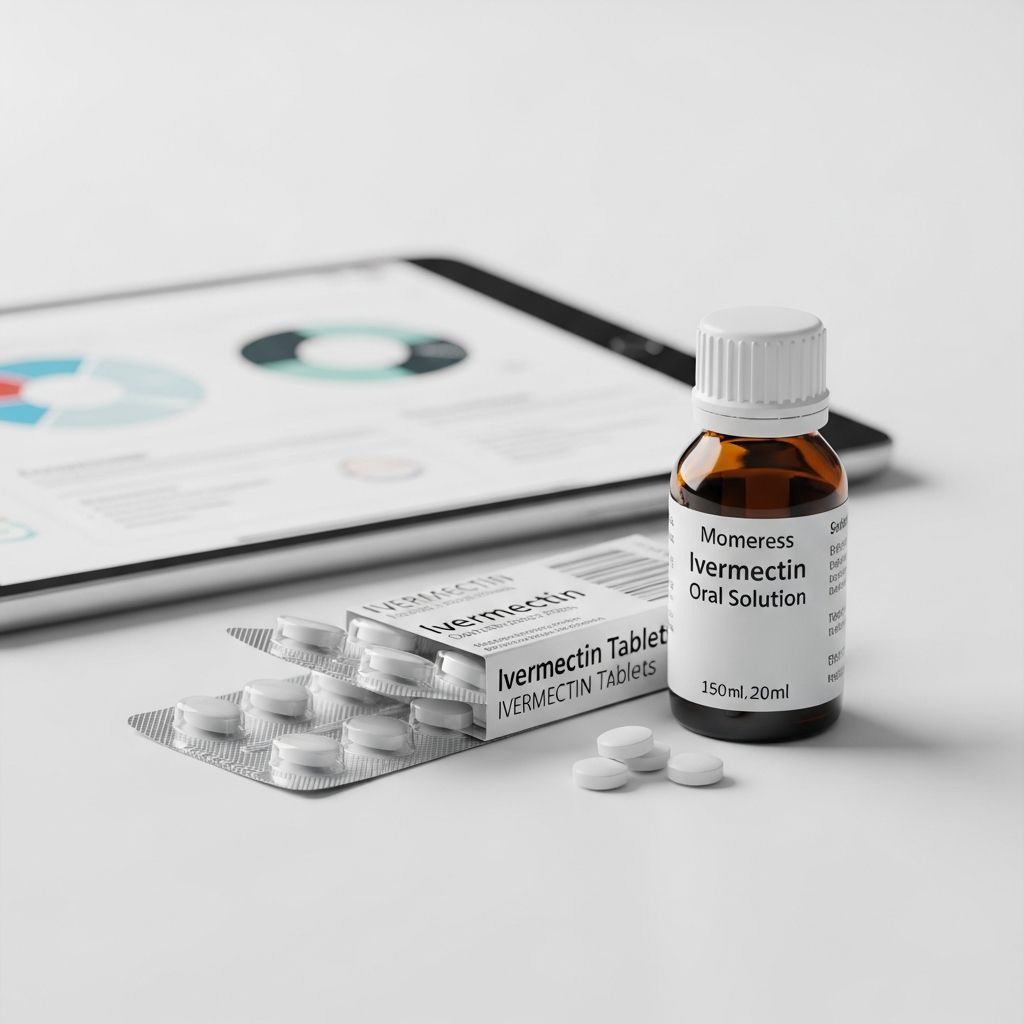
Ivermectin is a broad-spectrum antiparasitic medication primarily used to combat infections caused by worms and external parasites in humans. Discovered in the 1970s, it has become a cornerstone in global health efforts against neglected tropical diseases.
Historical Development and Global Impact
Originating from soil bacteria in Japan, ivermectin was first identified for its potent antiparasitic properties. Extensive clinical trials in the 1980s led to its approval for human use, revolutionizing treatment for river blindness (onchocerciasis). Today, billions of doses have been distributed worldwide, significantly reducing the burden of parasitic diseases in endemic regions.
Organizations like the World Health Organization recognize ivermectin as essential for mass drug administration programs targeting lymphatic filariasis and onchocerciasis, often in combination with other agents.
Primary Approved Uses in Humans
Ivermectin targets a variety of nematode (roundworm) infections and ectoparasites. Key FDA-approved indications include:
- Onchocerciasis (river blindness): Caused by Onchocerca volvulus, transmitted by blackfly bites. It kills microfilariae, reducing skin and eye damage.
- Strongyloidiasis: Intestinal infection from Strongyloides stercoralis, often asymptomatic but potentially severe in immunocompromised individuals.
Beyond these, ivermectin treats other conditions internationally, such as ascariasis, trichuriasis, loiasis, cutaneous larva migrans, gnathostomiasis, and filariasis.
For ectoparasites, it addresses scabies (Sarcoptes scabiei), head lice (pediculosis), and Demodex mites.
Topical Applications for Skin Conditions
Topical ivermectin cream is approved for inflammatory lesions of rosacea, working by reducing inflammation and killing Demodex mites associated with the condition.
Over-the-counter lotion treats head lice in patients aged 6 months and older.
How Ivermectin Works: Mechanism of Action
Ivermectin binds to glutamate-gated chloride channels in invertebrate nerve and muscle cells, causing paralysis and death of parasites. In humans, it minimally affects mammalian cells due to poor penetration of the blood-brain barrier.
Its anti-inflammatory effects, via NF-κB pathway inhibition, contribute to rosacea management by curbing proinflammatory cytokines like IL-1 and TNFα.
Dosage Guidelines and Administration
Ivermectin is available as oral tablets (e.g., Stromectol) and topical formulations. Dosing varies by condition, weight, and parasite load. Always follow medical prescription.
| Condition | Typical Oral Dose (Adults) | Frequency |
|---|---|---|
| Strongyloidiasis | 200 mcg/kg | Single dose |
| Onchocerciasis | 150 mcg/kg | Repeat every 3-12 months |
| Scabies | 200 mcg/kg | Two doses, 1-2 weeks apart |
| Rosacea (topical) | 1% cream | Once daily |
Take oral doses on an empty stomach with water. For children, dosing is weight-based; not recommended under 15 kg without specialist advice.
Safety Profile and Common Side Effects
Ivermectin has a strong safety record at approved doses, with low adverse reaction rates.
Common side effects (mild, self-limiting):
- Mazzotti reaction in onchocerciasis: Itching, rash, swelling from dying microfilariae.
- Gastrointestinal: Nausea, diarrhea, abdominal pain.
- Neurological: Dizziness, headache.
Serious risks: Encephalopathy in loiasis with high microfilarial loads; avoid or test first.
Special Precautions and Contraindications
- Pregnancy: Category C; use only if benefits outweigh risks.
- Breastfeeding: Present in milk; weigh risks.
- Children: Safe above 15 kg; monitor.
- Drug interactions: CYP3A4 inducers/inhibitors (e.g., rifampin, ketoconazole).
- Avoid in severe liver disease or known hypersensitivity.
Related Stories



Emerging Research and Off-Label Potential
Beyond parasites, preclinical studies explore ivermectin’s anti-inflammatory, antiviral, and anticancer properties. It shows promise against viruses by blocking importin α/β1, but lacks approval for COVID-19.
In cancer, it inhibits proliferation via Akt/mTOR pathway and promotes apoptosis, though human trials are needed.
Note: FDA warns against unapproved uses like COVID-19 prevention/treatment.
Global Health Contributions
Ivermectin’s donation programs have treated over 3.7 billion people, slashing onchocerciasis prevalence and co-benefiting other helminths.
In lymphatic filariasis, it’s key in triple therapy with albendazole and diethylcarbamazine.
Frequently Asked Questions (FAQs)
What parasites does ivermectin treat?
Onchocerca volvulus, Strongyloides stercoralis, lice, scabies mites, and more.
Is ivermectin safe for COVID-19?
No, FDA has not approved it for COVID-19; use only approved treatments.
How quickly does ivermectin work for scabies?
Symptoms improve in days; full resolution may take weeks with repeat dosing.
Can I buy ivermectin over-the-counter?
Topical lotion for lice yes; oral requires prescription.
What if I overdose on ivermectin?
Seek immediate medical help; symptoms include severe dizziness, seizures.
Monitoring and Follow-Up
Post-treatment stool exams confirm parasite clearance in strongyloidiasis. For onchocerciasis, skin snips assess microfilariae.
Regular eye checks in river blindness patients.
References
- Ivermectin: A Multifaceted Drug With a Potential Beyond Anti-Parasitic Therapy — PMC. 2024. https://pmc.ncbi.nlm.nih.gov/articles/PMC11008553/
- What Is Ivermectin? — WebMD. 2023-10-12. https://www.webmd.com/drugs/what-is-ivermectin
- Ivermectin: Uses, Interactions, Mechanism of Action — DrugBank. 2025. https://go.drugbank.com/drugs/DB00602
- Ivermectin, ‘Wonder drug’ from Japan: the human use perspective — PMC. 2011-02-01. https://pmc.ncbi.nlm.nih.gov/articles/PMC3043740/
- Ivermectin and COVID-19 — FDA. 2025. https://www.fda.gov/consumers/consumer-updates/ivermectin-and-covid-19
- Ivermectin (oral route) — Mayo Clinic. 2024-08-01. https://www.mayoclinic.org/drugs-supplements/ivermectin-oral-route/description/drg-20064397
Similar Articles








Read full bio of Sneha Tete