J Tube (Jejunostomy): What It Is, Placement & Complications
Complete guide to jejunostomy tubes: placement methods, care, and managing complications.
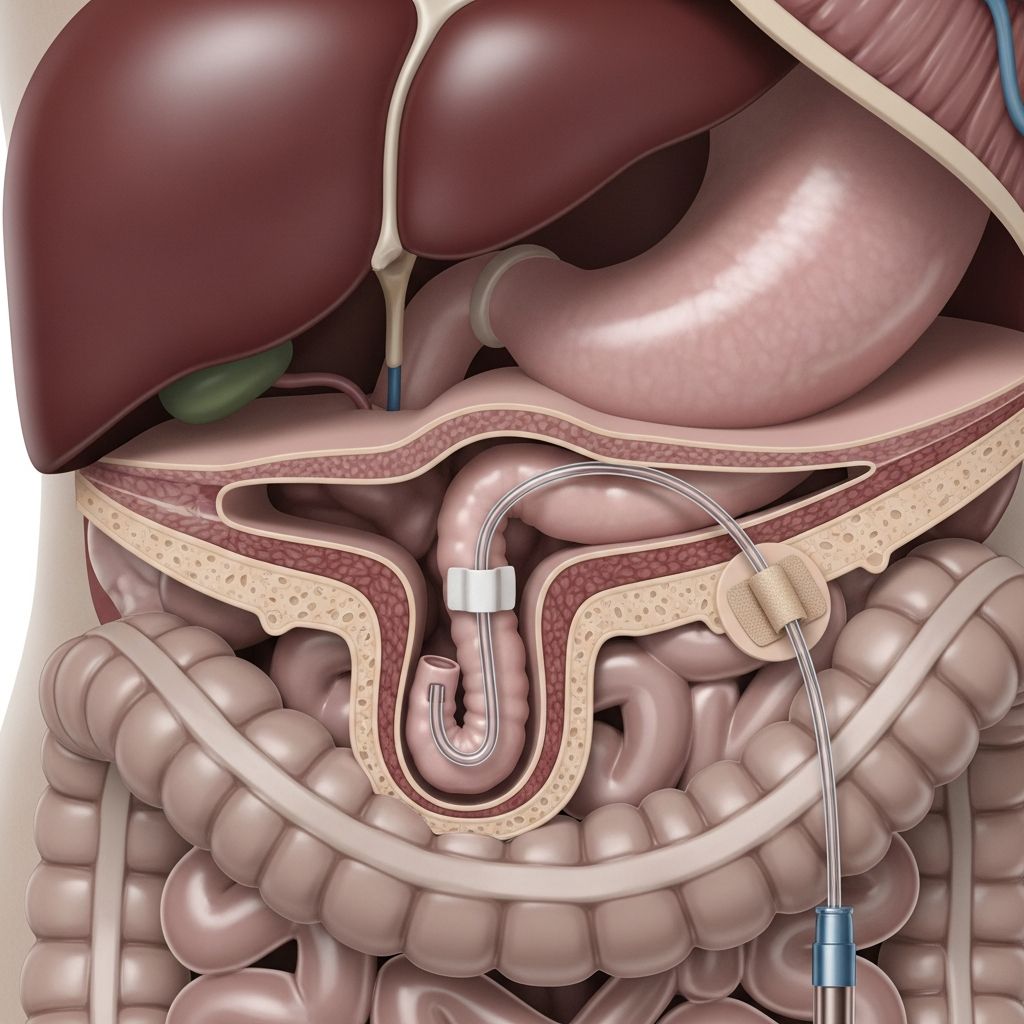
Understanding J Tube (Jejunostomy)
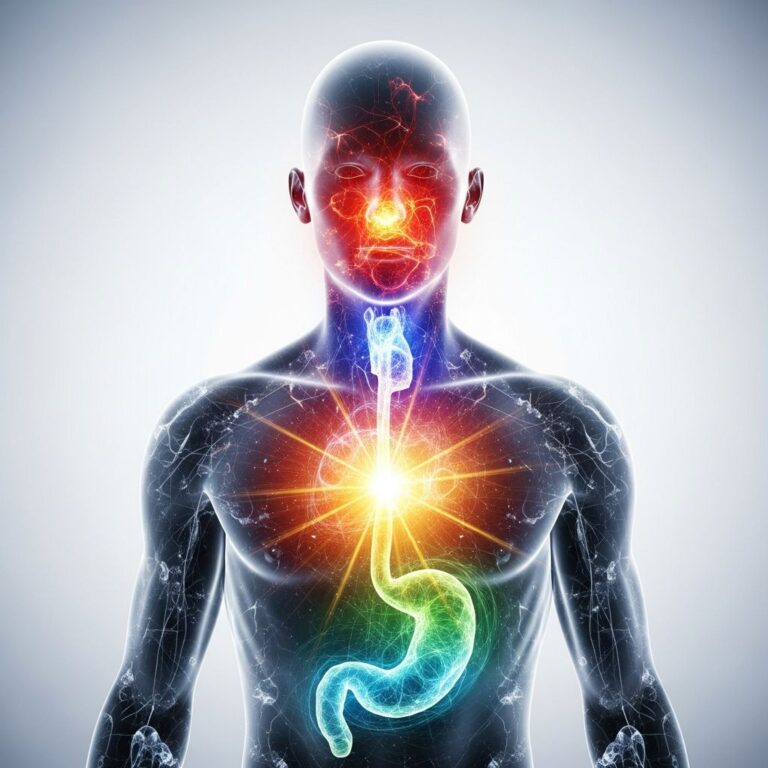
A J tube, or jejunostomy tube, is a specialized feeding tube that healthcare providers place directly into the jejunum, which is the middle section of your small intestine. Unlike temporary feeding solutions, a jejunostomy tube represents a long-term feeding option designed for patients who cannot obtain adequate nutrition through normal oral consumption. The tube is inserted through a small opening (stoma) created in your abdomen, allowing liquid nutrition and medications to bypass the normal digestive pathway and enter directly into your small intestine.
This procedure offers significant advantages for patients with various medical conditions affecting their ability to eat or digest food normally. Most people who require a jejunostomy tube will use it for at least six weeks, while others may continue using it for the remainder of their lives, depending on their underlying medical condition and recovery trajectory. The tube remains in place for as long as needed and can be replaced multiple times throughout a patient’s lifetime if necessary.
What Is a Jejunostomy Procedure?
A jejunostomy is a minor surgical procedure that creates a new opening, called an ostomy, in your jejunum (small intestine). The surgeon also creates an opening in your abdomen called a stoma, through which the feeding tube passes. During the procedure, the healthcare provider carefully positions the tube to ensure it delivers nutrition directly into your small intestine, bypassing the stomach and the first portion of the small intestine (duodenum).
The specific approach and techniques used during your jejunostomy will depend on several factors, including your overall health status, the reason you need the feeding tube, and your surgeon’s particular expertise and preferences. In many cases, patients are able to return home on the same day as their procedure, making it a relatively convenient option for long-term nutritional support.
Types of Jejunostomy Placement Methods
Healthcare providers have developed several different techniques for placing jejunostomy tubes, each with distinct advantages and considerations. Your surgeon will determine which method is most appropriate for your specific situation.
Percutaneous Endoscopic Jejunostomy (PEJ)
This minimally invasive method uses endoscopy to place the J tube through your skin without requiring open surgery. A gastroenterologist carefully guides a lighted enteroscope into your jejunum. The light allows the physician to locate the precise position of your jejunum through your abdominal wall. Once located, the surgeon makes a small incision over the identified area to reach your jejunum and place the tube. This technique minimizes tissue trauma and typically results in a faster recovery compared to open surgical approaches.
Laparoscopic Surgery Placement
Laparoscopic surgery represents a minimally invasive surgical technique that uses specialized instruments and cameras to place the jejunostomy tube. During this procedure, a surgeon makes three small incisions in your abdomen and inserts a laparoscope, which transmits images to a monitor in the operating room. Your surgeon then operates using long, thin instruments passed through the small incisions to carefully position the feeding tube in your jejunum. This approach balances the minimal invasiveness of endoscopy with the direct visualization and control of open surgery.
Open Surgical Placement
Open surgery involves your surgeon making one larger incision in your abdomen to access your jejunum directly. The surgeon locates your jejunum, brings it to the surface of your abdomen, places the feeding tube inside, and then closes the wound carefully around the tube. While this method requires a larger incision than laparoscopic approaches, it may be necessary in certain clinical situations where other methods are not appropriate.
Related Stories



Preparing for Your Jejunostomy Procedure
Your surgeon will provide specific preparation instructions tailored to your individual situation and the type of procedure you’ll undergo. Generally, preparation may include fasting for a certain period before the procedure, typically starting the night before surgery. You’ll also need to arrange for transportation home and plan for someone to be with you during your recovery period.
Be sure to inform your healthcare provider about all medications you’re currently taking, as some may need to be adjusted before the procedure. Discuss any allergies, previous surgical complications, or medical conditions that might affect your care. Your medical team will want complete information to ensure your safety and optimize your outcomes.
What to Expect During Recovery
Most patients can return home on the same day of their jejunostomy procedure, though some may require an overnight hospital stay depending on their individual circumstances and the placement method used. Initially, you may experience some discomfort, swelling, or mild drainage around the stoma site. Your healthcare team will provide detailed wound care instructions before you leave the hospital.
During the early recovery period, your surgeon will determine when you can begin using your feeding tube. Some patients start with small amounts of liquid nutrition, gradually increasing volume and concentration as tolerated. Your healthcare provider will monitor your tolerance to ensure your jejunum is handling the tube feeding appropriately.
J Tube Care and Maintenance
Proper care and maintenance of your jejunostomy tube are essential for preventing complications and ensuring the tube functions effectively for as long as possible. Daily care includes cleaning the skin around the stoma with gentle techniques, checking for signs of infection or complications, and properly flushing the tube.
Daily Cleaning and Dressing Changes
Clean the skin around your tube daily and anytime you notice leaking or drainage. Use a gentle approach with cotton swabs or soft cloths to carefully clean hard-to-reach areas around the stoma. Pat the area dry thoroughly after cleaning. Replace dressings as instructed by your healthcare provider or when they become soiled, wet, or loose.
Flushing Your J Tube
Flushing your jejunostomy tube with warm water is critical for preventing clogs and ensuring proper medication and nutrition delivery. Before and after administering any medication or feeding formula, fill a syringe with 30 to 60 milliliters of warm water and gently push it through the tube. The water should flow smoothly if the tube is patent. If you encounter resistance, stop and do not force water through the tube.
Medication Administration
When administering medications through your J tube, follow these essential steps. First, wash your hands thoroughly and don clean gloves. Draw the prescribed medication into a syringe, expelling any air bubbles. Verify correct tube placement according to your healthcare provider’s instructions. Flush the tube with warm water before medication administration. Attach the syringe containing medication to the tube port and administer the medication slowly and steadily, ensuring the patient remains in a comfortable position. After administration, flush the tube again with warm water using a separate syringe.
Managing Tube Clogs
Jejunostomy tube clogs can occur and require prompt attention. If you notice resistance when flushing with warm water, attempt to clear the clog carefully. Fill a syringe with warm water, attach it to the tube port, and apply gentle, steady pressure to the plunger to dislodge the obstruction. Pay close attention to the water flow—if it begins to flow smoothly, the clog may have cleared. If initial flushing attempts don’t resolve the problem, you may carefully insert a small tube brush into the tube and gently maneuver it through to dislodge the clog. Never force instruments into the tube, as this can cause damage. If you cannot clear the clog after gentle attempts, contact your healthcare provider immediately.
Potential Complications and When to Seek Help
While jejunostomy tubes are generally safe, some complications can develop, particularly during daily use. Most complications relate to the tube itself or to the feeding formula being used. Understanding these potential issues helps you recognize problems early and seek appropriate care.
Infection and Stoma Care
Signs of infection around the stoma include increased redness, warmth, swelling, pus, or unusual drainage. If you notice any of these signs, contact your healthcare provider promptly. Maintaining clean dressings and keeping the area dry helps prevent infections.
Tube Displacement or Damage
Accidentally dislodged or damaged tubes require immediate medical attention. Never attempt to reinsert a tube yourself. Signs of displacement include sudden cessation of feeding tolerance, abdominal pain, or drainage from the stoma with no feeding tube output.
Digestive Issues
Some patients experience nausea, vomiting, diarrhea, or cramping related to their feeding formula or tube feeding rate. Your healthcare provider can adjust feeding rates, change formulas, or add medications to manage these symptoms.
Surgical Complications
Any surgery carries a small risk of complications such as infection or accidental injury to nearby organs during the procedure. However, these complications are uncommon when the procedure is performed by experienced healthcare providers.
Tube Replacement and Removal
Your jejunostomy tube will need periodic replacement based on the tube type and your individual needs. Your healthcare provider will schedule replacement procedures as needed to maintain tube function. If your medical condition improves and you no longer require tube feeding, your healthcare provider can remove the tube through a minor procedure. The jejunostomy opening in your abdomen will then be closed, typically healing naturally over time.
Long-Term Use and Lifestyle
Many patients successfully use jejunostomy tubes for extended periods while maintaining active, fulfilling lives. Once you become comfortable with tube care and feeding routines, most daily activities can continue normally. Your healthcare team will provide comprehensive training on all aspects of tube management before discharge, ensuring you feel confident caring for your tube at home.
Learning proper flushing techniques, recognizing early signs of complications, maintaining excellent stoma hygiene, and following your nutritional plan are key to successful long-term tube use. Many patients develop efficient routines that integrate tube feeding into their daily schedules with minimal disruption.
Frequently Asked Questions
Q: How long can I use a J tube?
A: Most people use jejunostomy tubes for at least six weeks, but duration varies based on individual medical conditions. Some patients use them for life, while others may have them removed once their condition improves. Your healthcare provider will determine the appropriate duration for your specific situation.
Q: Is the jejunostomy procedure painful?
A: The procedure itself is performed under sedation or anesthesia, so you should not experience pain during placement. After the procedure, you may have some discomfort at the stoma site, which can usually be managed with prescribed pain medication.
Q: Can I shower or bathe with my J tube?
A: Generally, you can shower or bathe with your J tube, but you should keep the stoma area dry. Ask your healthcare provider about waterproof dressing options and specific precautions for your situation before resuming water activities.
Q: What should I do if my tube becomes clogged?
A: First, try flushing the tube gently with warm water. If that doesn’t work, you may carefully use a small tube brush to dislodge the clog. If these attempts fail, contact your healthcare provider immediately. Never force anything into the tube.
Q: Can I eat normally while using a J tube?
A: This depends on your medical condition and your healthcare provider’s recommendations. Some patients can eat small amounts of food orally while receiving tube feeding, while others must rely solely on tube feeding. Discuss dietary options with your healthcare team.
Q: How do I know if my tube is infected or malfunctioning?
A: Signs of problems include redness, swelling, warmth, or discharge around the stoma; unusual pain; resistance when flushing; or sudden feeding intolerance. Contact your healthcare provider if you notice any concerning symptoms.
Q: Will I have a visible scar after tube removal?
A: The stoma usually closes naturally after tube removal, leaving a small scar that typically fades over time. The appearance and size of any residual scar vary based on individual healing and the tube size used.
References
- J Tube (Jejunostomy): What It Is, Placement & Complications — Cleveland Clinic. 2025-07-14. https://my.clevelandclinic.org/health/procedures/j-tube-jejunostomy
- Jejunostomy Tube Medication Administration Instruction — Cleveland Clinic. 2024. https://www.youtube.com/watch?v=MxFYF9u2n6w
- Direct Percutaneous Endoscopic Jejunostomy (DPEJ) — National Center for Biotechnology Information (PubMed). https://pubmed.ncbi.nlm.nih.gov/27995433/
- Tube Feeding (Enteral Nutrition) — Cleveland Clinic. 2024. https://my.clevelandclinic.org/health/treatments/21098-tube-feeding–enteral-nutrition
- Unclogging a Jejunostomy Tube — Cleveland Clinic. 2024. https://www.youtube.com/watch?v=mzCmyJu1JmE
- J Tube (Jejunostomy) Feeding Tube Care Instructions — Cleveland Clinic. 2024. https://www.youtube.com/watch?v=PCM4V1TwZqM
- Gastrojejunostomy: Procedure Details & Recovery — Cleveland Clinic. 2024. https://my.clevelandclinic.org/health/treatments/24408-gastrojejunostomy
Similar Articles








Read full bio of medha deb