Jackfruit Health Benefits: Nutrition and Uses
Discover the powerful health benefits of jackfruit, from heart health to blood sugar management and immune support.
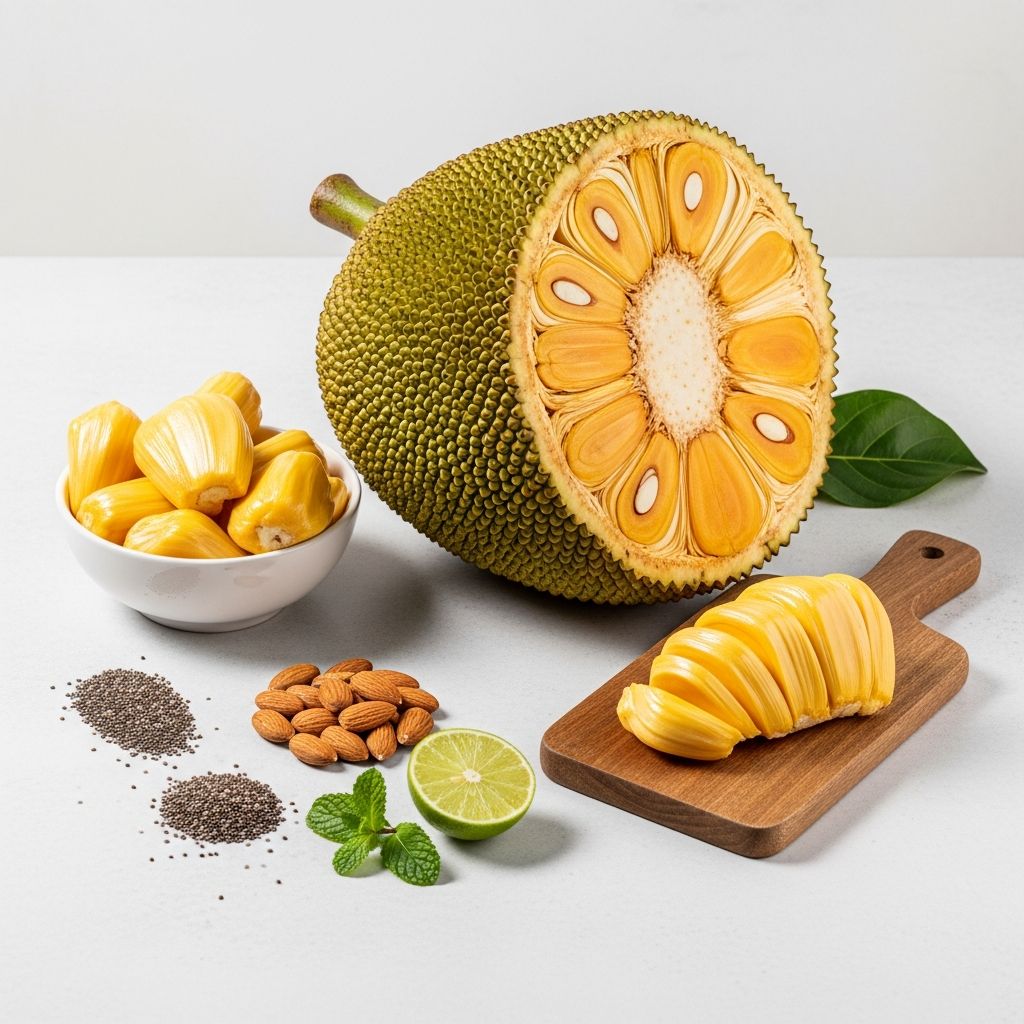
Jackfruit, scientifically known as Artocarpus heterophyllus, is a tropical tree fruit grown across Asia, Africa, and South America that belongs to the same plant family as figs and mulberries. This remarkable fruit has gained significant attention in recent years due to its impressive nutritional profile and diverse health benefits. Rich in essential nutrients including carbohydrates, proteins, vitamins, minerals, and phytochemicals, jackfruit offers a unique combination of compounds that support overall wellness. Whether consumed fresh during its summer season or from canned varieties available year-round, jackfruit presents an excellent addition to a health-conscious diet.
What Makes Jackfruit Nutritionally Valuable
Jackfruit is a good source of vitamin C, potassium, dietary fiber, and other important vitamins and minerals. The fruit is particularly rich in magnesium, a mineral linked with helping the body relax. This diverse nutrient composition makes jackfruit stand out among tropical fruits, offering multiple pathways to improved health. The combination of these nutrients works synergistically to provide comprehensive health benefits, making it more than just a tasty fruit but a functional food with genuine therapeutic potential.
Blood Sugar Management and Diabetes Support
One of the most compelling benefits of jackfruit is its potential to support healthy blood sugar levels. Jackfruit has a fairly low glycemic index (GI), which is a measure of how quickly your blood sugar rises after eating a food. This property has been attributed to the fiber it provides, which slows digestion and helps prevent blood sugar spikes. Diets that include lots of low-GI foods have been shown to help promote blood sugar management.
Moreover, jackfruit provides some protein, which may help prevent blood sugar levels from rising too quickly after a meal. Your body digests and absorbs jackfruit more slowly than some other foods, meaning your blood sugar won’t rise as quickly as it might when you eat other fruits. In one older study, adults who consumed jackfruit extract were found to have significantly improved blood sugar levels. Additionally, a 2011 study of diabetic rats found that jackfruit leaf extract helped reduce fasting blood sugar levels and provided long-term blood sugar regulation.
These effects were attributed to jackfruit’s content of flavonoid antioxidants, which are known for their ability to promote balanced blood sugar levels. One study found that jackfruit extract made it easier for people with diabetes to control their blood sugar. Although the results from these studies are promising, more studies of people eating fresh jackfruit are necessary to confirm these potential benefits.
Heart Health and Cardiovascular Protection
Research shows that eating jackfruit can potentially reduce the risk of heart disease. The combination of potassium, fiber and antioxidants can benefit heart health. The potassium in this tropical fruit could help lower your blood pressure, which can help protect against heart disease and stroke. Potassium combats the negative effects of sodium on your blood pressure, while fiber contributes to lowering your cholesterol levels.
Jackfruit may have the potential to reduce the risk of heart disease due to its content of potassium, fiber, and antioxidants. Furthermore, Vitamin B6 present in jackfruit helps to reduce homocysteine levels in the blood, consequently lowering the risk of heart disease. Jackfruit also contains functional compounds that have capability to reduce various diseases such as high blood pressure, heart diseases, and strokes. The fruit is also rich in potassium which aids in lowering blood pressure and reversing the effects of sodium that causes a rise in blood pressure that affects the heart and blood vessels.
Related Stories



Anti-Inflammatory Properties and Disease Prevention
Jackfruit is high in a few powerful antioxidants that provide various health benefits, including a reduced risk of several diseases. Antioxidants protect your cells from oxidative stress and inflammation, which often result from damage caused by molecules called free radicals. All these antioxidants found in jackfruit protect your cells from inflammation and oxidative stress, which can lead to chronic diseases like Type 2 diabetes.
Inflammation can be hard to see but has a big impact on your health, as too much inflammation raises your risk for chronic diseases such as diabetes and cancer. Luckily, the vitamin C and antioxidants in jackfruit can help fight inflammation. Jackfruit is high in vitamin C, which studies show can help prevent inflammation. Research also shows that jackfruit contains flavonoids and lignans, plant compounds that may help fight inflammation.
Key Antioxidants in Jackfruit
- Vitamin C: Jackfruit contains high amounts of vitamin C, which may help prevent the inflammation that can lead to chronic diseases like heart disease and cancer.
- Carotenoids: Research suggests that carotenoids may help lower inflammation and reduce the risk of various chronic diseases, such as type 2 diabetes and heart disease.
- Flavanones: Flavanones contain anti-inflammatory properties that may help lower blood sugar, blood pressure, and cholesterol levels — important factors in reducing the risk of type 2 diabetes and heart disease.
- Flavonoids: These antioxidants fight cancer, boost your heart health, and keep your brain healthy as you age.
- Lignans: These antioxidants help lower your risk for heart disease, breast cancer, and osteoporosis. They might also help ease menopause symptoms.
Immune System Support
Jackfruit’s content of immune-boosting vitamins A and C may help prevent illnesses. Eating this fruit is also claimed to be helpful for reducing the risk of viral infections. The high concentration of these immune-supporting vitamins makes jackfruit a valuable addition to your diet during cold and flu season or as a general immune support strategy year-round.
Skin Health and Anti-Aging Benefits
This fruit provides several nutrients and antioxidants, such as vitamin C, that may improve skin health. There is anecdotal evidence that eating it may slow skin aging. The high amounts of vitamin C in jackfruit may help protect your skin from sun damage. Vitamin C is essential for the production of collagen, which gives firmness and strength to the skin. It fights aging and keeps your skin firm and strong.
Jackfruit is also a good source of vitamin C, which protects the skin from the damage that occurs as a consequence of the natural aging process and prolonged exposure to sun. Vitamin C is also essential for maintaining oral health. The comprehensive approach jackfruit takes to skin health, addressing both sun damage and collagen production, makes it a fruit worth incorporating into a beauty and wellness routine.
Digestive Health and Constipation Relief
Jackfruit is a good source of fiber, so it can keep your bowel movements regular. Dietary fiber present in jackfruit makes it a good bulk laxative. This decreases the exposure time and binds to cancer causing chemicals in the colon, and helps to protect the colon mucous membrane. High fiber content also maintains smooth bowel movements and prevents constipation.
Additional Health Benefits
Ulcer Prevention and Stomach Health
Jackfruit contains nutrients that may help prevent sores in the stomach, or ulcers, from forming. The natural compounds in jackfruit may help prevent these sores from forming inside your stomach. In addition, the fruit is rich in fiber, which can help reduce acid in the stomach. The roots and extracts have been used in traditional Indian and Sri Lankan medicine to treat several conditions, including asthma, diarrhea, and stomach ulcers. Still, these effects have never been scientifically proven.
Cancer-Fighting Properties
Phytonutrients, like those found in jackfruit, are natural compounds that might have cancer-fighting benefits, such as preventing cancer cells from forming in your body. Phytonutrients such as lignans, isoflavones, and saponins in jackfruit contribute to its anticancer, antihypertensive, antiulcer, and antiaging properties. They prevent the formation of cancer cells in the body and fight against stomach ulcers. These antioxidants help lower your risk for breast cancer and other malignancies.
Bone Health and Osteoporosis Prevention
The magnesium in jackfruit helps your body to absorb calcium. This strengthens the bones and helps prevent conditions such as osteoporosis. The lignans and other antioxidants in jackfruit also help lower your risk for osteoporosis.
Infection Prevention
Jackfruits are used in traditional medicine and contain natural compounds with antibacterial and antifungal properties. Jackfruit is well known for its antibacterial, antifungal, antidiabetic, anti-inflammatory, and antioxidant activities. However, more research needs to be done to figure out how this works in modern clinical contexts.
Energy and Nerve Function
Niacin in jackfruit is necessary for energy metabolism, nerve function, and the synthesis of certain hormones. Jackfruit is also capable of improving muscle and nerve function.
How to Incorporate Jackfruit Into Your Diet
You can easily incorporate jackfruit into your diet by eating it plain or in various dishes. It makes an excellent meat alternative in vegetarian and vegan recipes. Fresh jackfruit is easiest to find when it’s in season during the summer months, but you can find canned jackfruit in most grocery stores year-round. Whether you choose fresh or canned varieties, jackfruit offers convenient access to its impressive nutritional benefits throughout the year.
The versatility of jackfruit extends beyond traditional preparations. Its meat-like texture when cooked makes it ideal for creating plant-based versions of pulled pork sandwiches, tacos, and curries. The mild, slightly sweet flavor allows it to absorb the tastes of surrounding ingredients while providing substantial nutritional benefits. This adaptability makes jackfruit particularly valuable for those seeking to expand their culinary horizons while maintaining health-conscious eating habits.
Frequently Asked Questions
Q: Is jackfruit safe for people with diabetes?
A: Yes, jackfruit may be beneficial for people with diabetes due to its low glycemic index and high fiber content. However, portion control is important, and individuals should monitor their blood sugar response. Consulting with a healthcare provider or dietitian is recommended before making significant dietary changes.
Q: How much jackfruit should I eat daily?
A: There is no established daily recommended amount, but incorporating jackfruit into a balanced diet is beneficial. A serving size of about one cup of fresh fruit or a reasonable portion in prepared dishes is a good starting point.
Q: Can jackfruit help with weight management?
A: Jackfruit’s high fiber content and relatively low calorie density can support satiety and healthy digestion, which may indirectly support weight management efforts when combined with a balanced diet and exercise.
Q: Are jackfruit seeds edible?
A: Yes, jackfruit seeds are edible and can be roasted or boiled. They contain additional nutrients and can be incorporated into various dishes.
Q: Where can I buy jackfruit?
A: Fresh jackfruit is available during summer months at specialty produce markets and some mainstream grocery stores. Canned jackfruit is widely available year-round in most grocery stores, health food stores, and online retailers.
The Bottom Line
Jackfruit is very good for you for many reasons. It is high in nutrients and antioxidants and may have a number of health benefits, including improved blood sugar regulation. Jackfruit is a tropical tree, which is a rich source of nutrients such as carbohydrates, proteins, vitamins, minerals, dietary fiber, and phytochemicals. Previous studies have revealed numerous health benefits of jackfruit including anticarcinogenic, antimicrobial, antifungal, anti-inflammatory, wound healing, and hypoglycemic properties.
Adding jackfruit to your diet is worth a try, as it is quite healthy and a unique food to experiment with. Whether you’re seeking to improve heart health, manage blood sugar levels, support immune function, or simply expand your nutritional intake, jackfruit offers a delicious and versatile solution. The combination of traditional uses in Indian and Sri Lankan medicine with emerging scientific evidence suggests that this tropical fruit deserves a place in modern wellness routines.
References
- Jackfruit Nutrition, Benefits, and Uses — Healthline. 2024. https://www.healthline.com/nutrition/jackfruit-benefits
- Jackfruit: Nutrition, Health Benefits, & How to Prepare — WebMD. 2024. https://www.webmd.com/food-recipes/health-benefits-jackfruit
- Jackfruit: What It Is and Why It’s Healthy — Cleveland Clinic. 2024. https://health.clevelandclinic.org/what-is-jackfruit-and-is-it-healthy
- Nutritional and Health Benefits of Jackfruit (Artocarpus heterophyllus Lam) — National Center for Biotechnology Information. 2019. https://www.ncbi.nlm.nih.gov/pmc/articles/PMC6339770/
- Jackfruit: Benefits and Nutrition — Medical News Today. 2024. https://www.medicalnewstoday.com/articles/324787
Similar Articles








Read full bio of medha deb