Jackson-Pratt (JP) Drain: Purpose, Care & Recovery
Complete guide to Jackson-Pratt drains: what they are, how they work, and proper care after surgery.
What Is a Jackson-Pratt Drain?
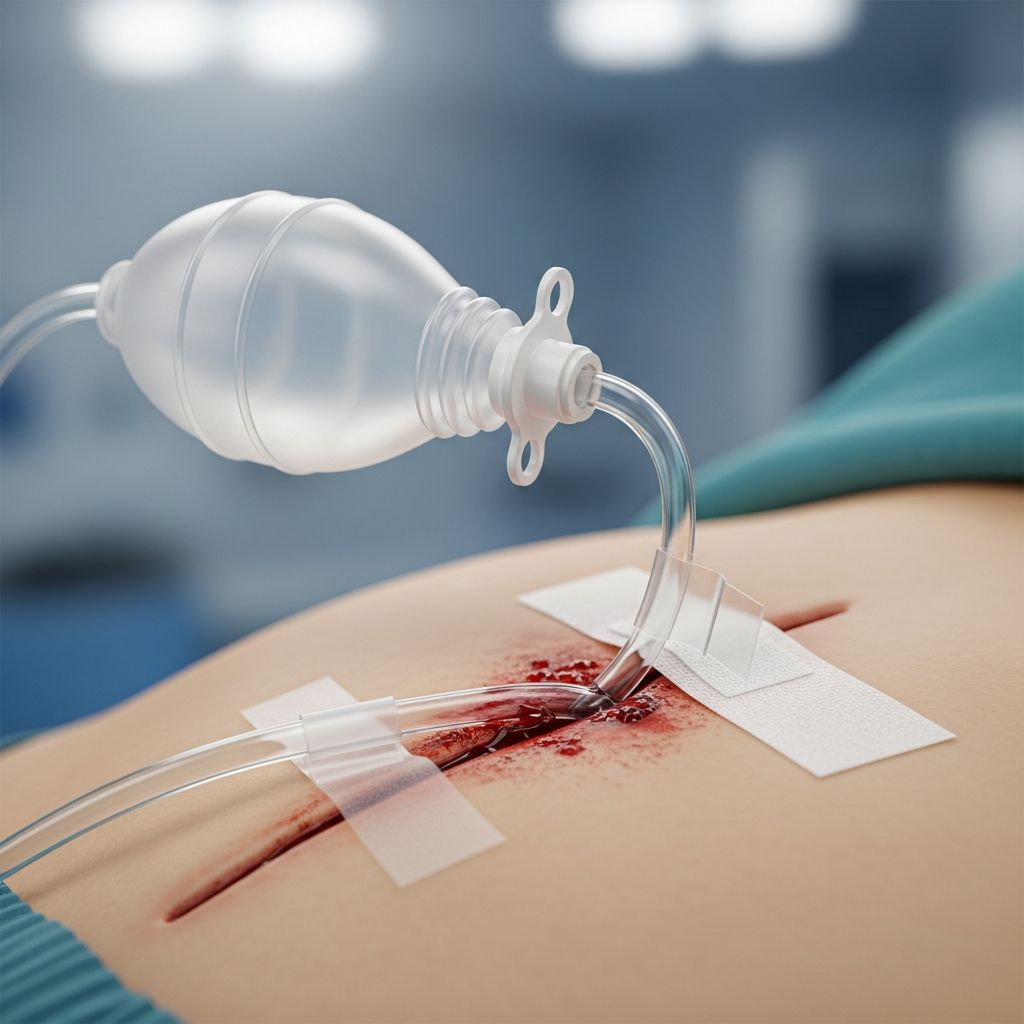
A Jackson-Pratt drain, commonly referred to as a JP drain, is a closed-suction medical device that plays a critical role in post-operative care. This specialized drainage system is surgically placed during an operation to collect bodily fluids from the surgical site, helping to facilitate proper wound healing and prevent complications. The JP drain is one of the most widely used surgical drainage devices across various surgical specialties, from orthopedic procedures to reconstructive surgery.
The device consists of several key components that work together as an integrated system. At its core is a thin, flexible rubber tube that is positioned under the skin near the surgical incision. This tube connects to a collection bulb, which is typically grenade-shaped or cylindrical, serving as the reservoir for collected fluids. The bulb features a plug or stopper that allows for easy emptying and air removal, which is essential for maintaining the suction mechanism that drives the drain’s effectiveness.
Why Your Healthcare Provider May Recommend a Jackson-Pratt Drain
The primary purpose of a Jackson-Pratt drain is to prevent the accumulation of fluid in what surgeons call a “dead space” beneath the incision. When surgical wounds close, they can create empty spaces where blood, serum, and other bodily fluids naturally accumulate. Without proper drainage, these fluids can cause several complications that interfere with the healing process.
One of the most significant risks of fluid accumulation is the development of a hematoma, which is a collection of blood that can disrupt wound healing and create an environment conducive to infection. In some cases, untreated fluid buildup can lead to the formation of an infected abscess, requiring additional surgical intervention and another trip to the operating room. By actively removing excess fluids, JP drains reduce pressure on the incision site, minimize swelling, and create an optimal environment for tissue repair and regeneration.
Additionally, JP drains help reduce the amount of drainage that saturates surgical bandages, making the post-operative period more comfortable for patients. The drain also serves a preventive function by evacuating internal abscesses before surgery when an infection already exists, helping to control the infection before the primary surgical procedure takes place.
Common Surgical Procedures Using Jackson-Pratt Drains
Jackson-Pratt drains are employed across numerous surgical specialties due to their effectiveness and reliability. Healthcare providers commonly use JP drains in the following procedures:
– Abdominal surgery and abdominal wall reconstruction- Breast surgery, including mastectomy and breast reconstruction- Craniotomy and other neurosurgical procedures- Joint replacement surgery (arthroplasty)- Thoracic surgery- Abdominoplasty and body contouring procedures- Lymph node dissection
The versatility of the JP drain makes it an invaluable tool across diverse surgical fields, helping surgeons provide optimal post-operative care regardless of the procedure performed.
How Does a Jackson-Pratt Drain Work?
Understanding how your JP drain functions is essential for proper care and maintenance. The Jackson-Pratt drain operates on a closed-suction principle, meaning it creates a self-contained system without requiring an external suction machine or power source. This makes it ideal for both in-hospital and home care settings.
The Suction Mechanism
The operative principle behind the JP drain is elegantly simple yet highly effective. When the bulb is squeezed to remove air, it creates negative pressure or suction within the drainage system. This vacuum gradually pulls fluids from the surgical site through the tube and into the collection bulb. The suction remains constant as long as the bulb is kept compressed and the system remains intact and functional.
Related Stories



Each time you empty the bulb, the process repeats: you open the plug to allow fluid drainage, compress the bulb to expel air, and then close the plug to re-establish suction. This cyclical process ensures continuous, gentle drainage of fluids, preventing their accumulation in the wound space.
Fluid Collection and Appearance
The fluids that collect in the JP drain bulb change appearance over time as healing progresses. Initially, the drainage is typically very red due to the presence of blood from the surgical site. As days pass and healing advances, the fluid gradually changes to a more orange or straw-colored appearance. This color progression is a normal and expected part of the healing process. Healthcare providers monitor both the volume and appearance of drainage to assess wound healing and determine when the drain can be safely removed.
Placement and Securing the Drain
During surgery, your surgeon carefully positions the JP drain at the surgical site, then passes the sharp end of the drain through the skin to exit the body. The sharp end is then removed, leaving only the soft drainage tube in place. The surgeon pulls the drain until two black dots marked on the tube align just inside the skin, ensuring proper positioning. The drain is then sutured (stitched) to the skin at the insertion point to maintain stability and prevent accidental displacement. These sutures are crucial for keeping the drain in the correct position throughout your recovery.
Daily Care and Maintenance of Your Jackson-Pratt Drain
Proper care of your JP drain is essential for maintaining its function and promoting optimal healing. Understanding the correct maintenance procedures will help you manage your drain confidently during your recovery period.
Emptying and Re-establishing Suction
The flexible bulb should be emptied regularly to maintain optimal suction and comfort. To properly empty your drain, follow these steps carefully. First, hold the bulb and open the plug at the top. Gently pour the collected fluid into a measuring cup, recording the amount in cubic centimeters (cc’s) or milliliters (ml’s). Most healthcare providers recommend emptying drains before they become more than half full to avoid the discomfort of the drain’s weight pulling on the internal tubing.
After recording the volume, squeeze all the air out of the bulb completely. Once the air is expelled, close the plug to re-establish the suction. The resulting vacuum in the system will begin drawing fluid from the surgical site again. Most patients are instructed to empty and record drain output twice daily, though your specific schedule may vary based on your individual situation.
Stripping and Milking the Drain
Occasionally, clots and other solid matter may accumulate in the drainage tubing, potentially occluding the tube and preventing proper drainage. To maintain patency and ensure continued function, healthcare providers may recommend a technique called “stripping” or “milking” the drain. This technique involves gripping the portion of the tube closest to where it exits the body, then gently running your fingers along the entire length of the drain tube. Once you’ve completed the full length, release at the end closest to the surgical site. This action increases the level of suction and helps move any clots through the drainage tube into the bulb.
Your healthcare team will demonstrate this technique and provide specific instructions about whether and how often you should perform it. Never attempt stripping without clear guidance from your healthcare provider.
Preventing Clotting and Clogging
One of the primary concerns with closed-suction drain systems is the potential for fibrin and clots to accumulate, causing loss of drain patency. When this occurs, fluid, blood, or infected material can accumulate in the wound, potentially resulting in hematoma or abscess formation. Careful attention to drain function is therefore critical while the drain remains in place.
In cases where patients are at high risk for drain clogging, healthcare providers may recommend daily subcutaneous injections of low-molecular-weight heparin (LMWH) until the drain is removed. This blood thinner helps prevent clot formation within the drainage system and significantly reduces the risk of drain occlusion. Your surgical team will determine whether this preventive measure is appropriate for your specific situation.
Monitoring Drain Output and Signs of Complications
During your recovery, it’s important to monitor your drain for signs that it’s functioning properly or for any indicators of complications. Normal drain output should gradually decrease over time as your wound heals. Most drains are left in place until drainage reaches approximately 30 cc’s or less per drain for each of two consecutive days, indicating that fluid accumulation has significantly diminished.
When to Contact Your Healthcare Provider
Certain changes in your drain’s function or appearance warrant immediate medical attention. Contact your healthcare provider if you experience any of the following:
– The sutures holding the drain in place become loose, fall out, or are no longer attached to the drain- The tube falls out completely- The bulb no longer holds suction when compressed- Skin around the JP tubing becomes red, swollen, painful, or begins seeping pus- New or increased leaking occurs at the area where the tubing enters your body- The amount of drainage suddenly decreases or stops without reaching the removal threshold- Drainage becomes cloudy or develops a foul or unusual smell- You develop a fever of 100.4 degrees Fahrenheit or higher, or as directed by your clinician- You experience increased pain in the area surrounding the drain- You notice holes, cracks, or leaking in the tubing or bulb itself- The drain fills very quickly with bright red blood- Your bandages become soaked with blood
Caring for the Drain Site
In addition to maintaining the drain itself, you’ll need to care for the skin around where the tube exits your body. Change bandages at the JP drain site every day or as directed by your healthcare team. Keep the area clean and dry, and watch for any signs of infection or irritation. Your healthcare provider will give you specific instructions for site care during your pre-discharge education.
Removal of Your Jackson-Pratt Drain
The duration of JP drain placement depends on the type of surgery you underwent and the amount and type of drainage you’re experiencing. Your healthcare provider will determine the appropriate time for removal based on these factors. When the decision is made to remove your drain, the procedure itself is quick and generally painless, taking only a few seconds to perform. Your provider may remove the drain in the office, or a home care nurse may perform the removal at your residence.
The removal process involves cutting the sutures that hold the drain in place and gently withdrawing the tube. Once removed, your healthcare provider will provide instructions for caring for your skin and what signs to watch for as the site heals completely.
Frequently Asked Questions About Jackson-Pratt Drains
Q: How long will I need to keep my Jackson-Pratt drain?
A: The duration varies depending on your specific surgery and healing progress. Most drains remain in place for one to three weeks, though some patients may have drains for longer or shorter periods. Removal typically occurs when drainage drops to 30 cc’s or less per drain daily for two consecutive days. Your healthcare team will monitor your progress and determine the appropriate removal timing.
Q: Can I shower or bathe with my JP drain in place?
A: Most healthcare providers recommend avoiding immersion in water (baths or swimming) while you have a drain in place. However, you may be able to shower if the drain insertion site is properly covered with a waterproof dressing. Always follow your specific healthcare provider’s instructions, as protocols may vary based on your surgical procedure and individual circumstances.
Q: What should I do if the drain accidentally comes out?
A: Contact your healthcare provider immediately if your drain accidentally becomes dislodged. Do not attempt to reinsert it yourself. Your provider may need to examine the wound and potentially replace the drain to ensure proper fluid drainage and prevent complications.
Q: Is it normal to feel the drain under my skin?
A: Yes, it’s normal to feel the drain tubing under your skin. You may experience mild discomfort or a sensation of pulling, especially when you move or change positions. However, significant pain should be reported to your healthcare provider, as it may indicate a problem such as infection or drain displacement.
Q: How should I record and report my drain output?
A: Keep a daily log of your drain output, recording the date, time, and volume in cc’s or ml’s each time you empty the bulb. Most patients record output twice daily. Bring this log to your healthcare appointments, as it helps your provider assess healing progress and determine the appropriate removal timing.
Q: What if my drain output is bright red instead of the expected color?
A: While some red blood is expected immediately after surgery, persistently bright red drainage or a sudden increase in red drainage may indicate a problem. Contact your healthcare provider if you notice this change, as it could represent continued bleeding that requires medical evaluation.
Summary
Jackson-Pratt drains are essential tools in modern surgical care, helping to prevent serious complications and promote optimal healing. By understanding how your drain works, following proper maintenance procedures, and monitoring for signs of complications, you can successfully manage your drain during your recovery period. Remember to follow all instructions provided by your healthcare team, maintain accurate records of your drain output, and don’t hesitate to contact your provider if you have concerns or notice any warning signs. With proper care and attention, your JP drain will help ensure a smooth and successful recovery from your surgical procedure.
References
- Jackson-Pratt Drain — Wikipedia. Accessed December 2025. https://en.wikipedia.org/wiki/Jackson-Pratt_drain
- Closed Suction Drain with Bulb: MedlinePlus Medical Encyclopedia — U.S. National Library of Medicine. Accessed December 2025. https://medlineplus.gov/ency/patientinstructions/000039.htm
- Jackson-Pratt (JP) Surgical Drain — OncoLink, University of Pennsylvania. Accessed December 2025. https://www.oncolink.org/cancer-treatment/hospital-helpers/jackson-pratt-jp-surgical-drain
- Jackson Pratt (JP) Drain – Saint John’s Cancer Institute — Saint John’s Cancer Institute. Accessed December 2025. https://www.saintjohnscancer.org/melanoma/patient-resources/jackson-pratt-jp-drain/
- Jackson-Pratt Drainage Tube: After Hospital Care — Northwestern Medicine. Accessed December 2025. https://www.nm.org/
- Jackson Pratt (or Blake) Drain Care — Rutgers Cancer Institute of New Jersey. Accessed December 2025. https://cinj.org/
- Surgical Drains 101: What to Know About Their Use, Care and Removal — MD Anderson Cancer Center. Accessed December 2025. https://www.mdanderson.org/
Similar Articles








Read full bio of medha deb