Jaggery Benefits: 7 Natural Sweetener Advantages
Discover the potential health benefits of jaggery, a traditional unrefined sweetener richer in nutrients than white sugar, from digestion to immunity.
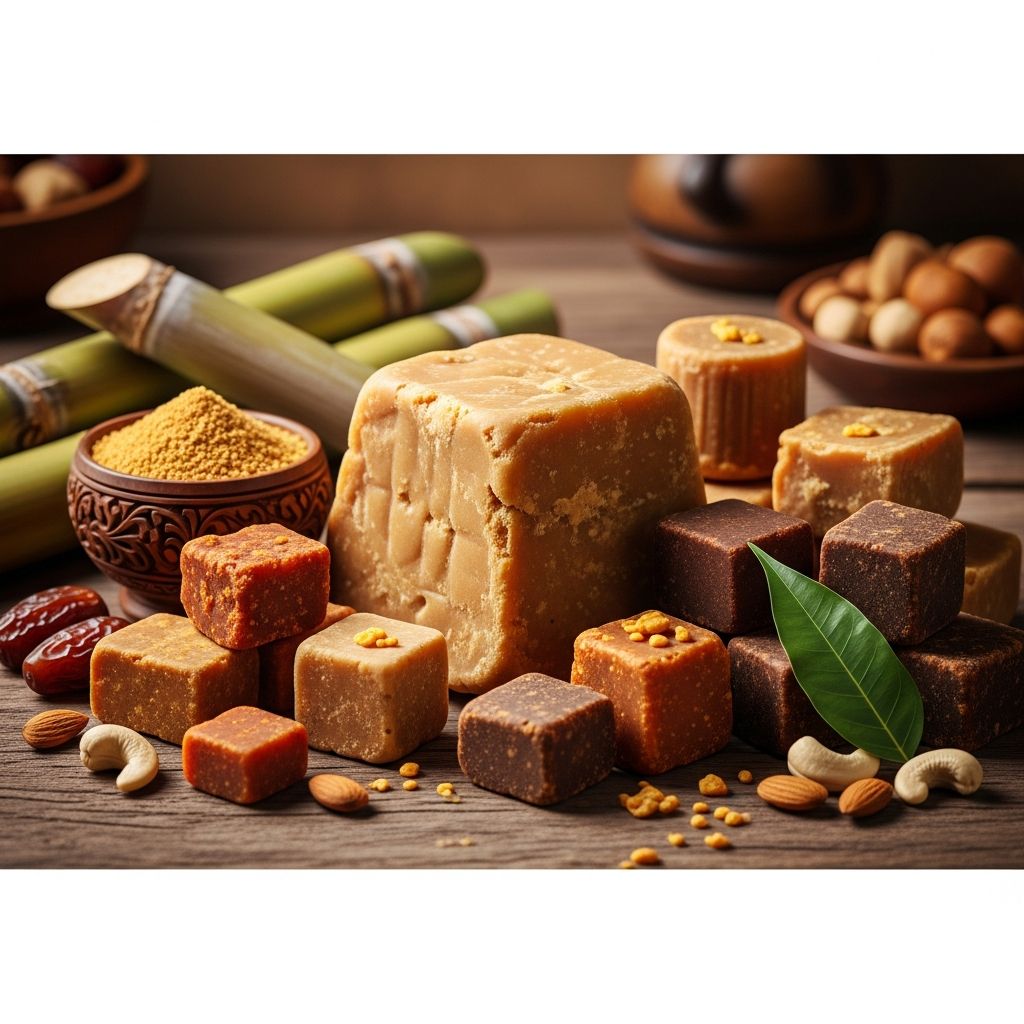
Jaggery, a traditional unrefined sweetener made from sugarcane juice or palm sap, is celebrated in many cultures for its potential health advantages over refined white sugar. Richer in minerals and antioxidants, it may support digestion, immunity, and more, though scientific evidence varies.
What Is Jaggery?
Jaggery is produced by boiling sugarcane juice or palm sap until it thickens into a solid block, retaining natural vitamins, minerals, and molasses absent in refined sugar. Unlike white sugar, which undergoes heavy processing that strips nutrients, jaggery preserves iron, magnesium, potassium, and antioxidants, making it a ‘superfood sweetener’ in traditional diets.
Available in forms like blocks, powder, or liquid, jaggery varies by source—sugarcane (most common), palm, or date palm—with distinct flavors and nutrient profiles. Date palm jaggery, for instance, provides a warming effect ideal for winters. Its caramel-like taste makes it versatile for sweets, teas, and savory dishes in Indian, African, and Asian cuisines.
Jaggery Nutrition Facts
Per 100g, jaggery delivers about 383 calories, primarily from carbohydrates (98g, mostly sucrose), with trace proteins and no fats. Key micronutrients include iron (11mg, aiding anemia prevention), magnesium (70-90mg for nervous system health), potassium (1050mg for blood pressure regulation), calcium, phosphorus, zinc, copper, and B-vitamins like folate.
Antioxidants such as phenols and selenium combat oxidative stress, while its lower glycemic index (around 84 vs. sugar’s 65) causes a steadier blood sugar rise, though it’s still unsuitable for diabetics in excess. Compared to sugar’s empty calories, jaggery’s profile supports its use as a healthier alternative.
| Nutrient | Amount per 100g | % Daily Value* |
|---|---|---|
| Calories | 383 kcal | 19% |
| Carbohydrates | 98g | 33% |
| Iron | 11mg | 61% |
| Magnesium | 80mg | 20% |
| Potassium | 1050mg | 30% |
| Calcium | 40-100mg | 4-10% |
| *Approximate values based on 2000-calorie diet. Sources: | ||
Potential Health Benefits of Jaggery
1. May Improve Digestion
Jaggery activates digestive enzymes, relieves constipation, and acts as a natural laxative, especially when paired with ghee post-meals. Its fiber content cleanses the digestive tract, reducing bloating and indigestion. Ayurvedic traditions recommend it for enhancing appetite and enzymatic activity in the stomach.
- Stimulates bowel movements and prevents flatulence.
- Converts to acetic acid in the gut, boosting digestion.
- Ideal after heavy meals for smoother digestion.
2. Could Boost Immunity
Rich in zinc, selenium, and phenols, jaggery’s antioxidants neutralize free radicals, potentially strengthening immunity against colds, flu, and infections. Traditional tonics with jaggery aid recovery, though human trials are limited. It may also alleviate throat and lung issues per Ayurveda.
- Zinc and selenium fight oxidative stress.
- Supports recovery from respiratory ailments.
- Anti-allergy properties may ease asthma.
3. Might Help Prevent Anemia
High iron (11mg/100g) and folate content promote hemoglobin production, combating iron-deficiency anemia, common in women and vegetarians. Regular intake raises hemoglobin levels effectively.
- Enhances blood circulation to scalp, promoting hair growth.
- Prevents fatigue from low iron.
- Combines well with vitamin C sources for better absorption.
Related Stories



4. May Aid Liver Detoxification
Jaggery flushes toxins from the liver and blood, supporting detoxification. Studies note antitoxicity effects, potentially protecting against liver diseases. It purifies blood, aiding jaundice treatment in traditional medicine.
5. Potential for Respiratory Health
Its warming properties treat coughs, colds, bronchitis, and asthma. Smoke-exposed workers may benefit from its lung-protective effects. Black jaggery is particularly noted for respiratory relief.
6. Could Support Heart Health
Potassium and magnesium regulate blood pressure, improve circulation, and relax blood vessels. Lower GI may benefit cardiac function over refined sugar.
7. Other Possible Benefits
- Energy Boost: Provides sustained energy without sharp blood sugar spikes.
- Bone and Joint Health: Calcium strengthens bones; daily intake eases arthritis.
- Skin and Hair: Iron nourishes scalp for lustrous hair; antioxidants benefit skin.
- Menstrual Relief: Eases cramps and regulates cycles for women.
- Stress Relief: Magnesium relaxes nerves and muscles.
Is Jaggery Better Than Sugar?
Yes, nutritionally: jaggery retains minerals and antioxidants lost in refining sugar, offering gradual energy and health perks. However, both are high in calories and carbs; jaggery’s higher GI (84) still spikes blood sugar quickly, unsuitable for diabetics. Use in moderation as a ‘healthier’ swap, not a free pass.
| Aspect | Jaggery | White Sugar |
|---|---|---|
| Glycemic Index | 84 | 65 |
| Iron | High | None |
| Minerals | Rich (Mg, K, Zn) | Negligible |
| Calories/100g | 383 | 387 |
How to Use Jaggery
- Sweeten tea, coffee, or warm milk.
- Bake into laddoos with nuts for energy balls.
- Mix with ginger for cough syrup.
- Use in curries or chutneys for balance.
- Consume 10-25g daily; post-meal for digestion.
Opt for organic, sulfur-free varieties to maximize benefits.
Risks and Precautions
Despite benefits, jaggery is calorie-dense (limit to 1-2 tsp/day). High sugar content risks weight gain, dental issues, and blood sugar spikes—avoid excess if diabetic or prediabetic. Not a substitute for medical treatment; consult doctors for anemia or liver issues. Parasites possible in poor-quality jaggery.
Frequently Asked Questions (FAQs)
Is jaggery good for diabetics?
No, its high GI causes rapid blood sugar rises; use sparingly or avoid.
Can jaggery help with weight loss?
It may aid digestion but is calorie-rich; moderation key, not a direct aid.
Is jaggery safe during pregnancy?
Yes, in moderation; cleanses blood and boosts iron, per Ayurveda.
How much jaggery per day?
10-25g (1-2 tsp) for benefits without excess calories.
Does jaggery expire?
Store in cool, dry place; lasts 6-12 months, check for mold.
References
- Value Addition and Fortification in Non-Centrifugal Sugar (Jaggery) — PMC/NCBI. 2021-07-20. https://pmc.ncbi.nlm.nih.gov/articles/PMC8314846/
- Jaggery: Is this superfood sweetener better for you than sugar? — Medical News Today. 2023. https://www.medicalnewstoday.com/articles/jaggery
- What Is Jaggery and What Are Its Benefits? 3 Types & 4 Risks — MedicineNet. 2023. https://www.medicinenet.com/what_is_jaggery_and_what_are_its_benefits/article.htm
- What is Jaggery and What Benefits Does it Have? — Healthline. 2023. https://www.healthline.com/nutrition/jaggery
- The health halo of jaggery: Benefits beyond sugar, but a high glycemic index risk — Magna Scientia Advanced Research and Reviews. 2023. https://magnascientiapub.com/journals/msarr/content/health-halo-jaggery-benefits-beyond-sugar-high-glycemic-index-risk
Similar Articles








Read full bio of Sneha Tete