Jaundice in Children: Causes, Symptoms, and Treatment
Understanding jaundice in children: recognizing symptoms, identifying causes, and exploring treatment options.
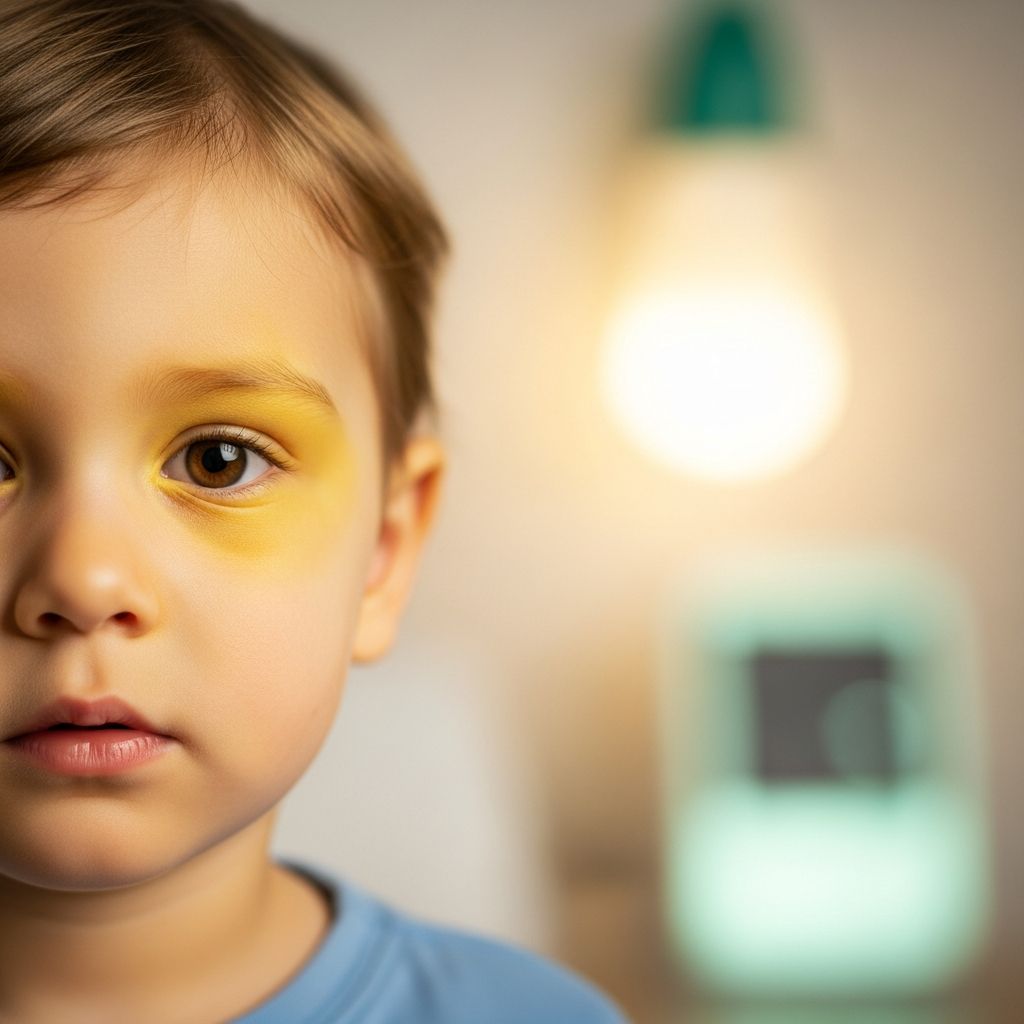
Understanding Jaundice in Children
Jaundice is a medical condition characterized by the yellowing of the skin and the whites of the eyes, resulting from elevated levels of bilirubin in the bloodstream. While jaundice is remarkably common in newborns and often resolves without intervention, jaundice in older children can indicate a more serious underlying health condition that requires prompt medical evaluation and treatment. Understanding the causes, symptoms, and available treatment options is essential for parents and caregivers to ensure proper management and prevent potential complications.
Bilirubin is an orange-yellow pigment produced during the normal breakdown of red blood cells. In healthy individuals, this substance passes through the liver, where it is processed and ultimately excreted from the body through bile. However, when the liver cannot efficiently process bilirubin—whether due to immaturity, disease, or other factors—bilirubin accumulates in the bloodstream, leading to the characteristic yellowing of the skin and eyes associated with jaundice.
What Causes Jaundice in Children?
The underlying causes of jaundice in children vary considerably depending on the child’s age and overall health status. Understanding these causes is crucial for determining the appropriate course of treatment and identifying any serious underlying conditions.
Common Causes in Newborns
Newborn jaundice, also called neonatal jaundice, occurs in approximately 60% of full-term newborns and 80% of premature babies. The primary reason is that newborns’ livers are not yet fully developed and cannot efficiently process bilirubin. Additionally, newborns have a higher number of red blood cells compared to older children, and these cells break down more rapidly, producing excess bilirubin that immature livers struggle to eliminate.
Birth trauma can also contribute to jaundice development. If a newborn sustains bruising during delivery, the broken-down blood from these bruises can increase bilirubin production, leading to elevated levels in the bloodstream.
Breast milk jaundice represents another common cause in nursing newborns. This condition occurs when breast milk temporarily interferes with the liver’s ability to break down bilirubin, particularly when infants have difficulty nursing or are not receiving adequate nutrition from breastfeeding. Dehydration or insufficient caloric intake can exacerbate this condition.
Serious Underlying Conditions
In some cases, jaundice indicates a more serious medical problem requiring prompt diagnosis and treatment. Biliary atresia is a serious condition where the bile ducts connected to the liver are either absent or too small to function properly. Early diagnosis of biliary atresia is vital, as the condition typically requires surgical intervention.
Other serious conditions that can cause jaundice include cystic fibrosis, hepatitis, sepsis (infection in the baby’s blood), and various viral or bacterial infections. Hemolytic disease can occur when incompatibility exists between the mother’s blood type and the baby’s blood type, causing the mother’s antibodies to attack the baby’s red blood cells, leading to rapid cell breakdown and bilirubin accumulation.
Internal bleeding (hemorrhage), enzyme deficiencies, liver malfunction, and conditions affecting red blood cell stability can all contribute to jaundice development in children.
Recognizing the Symptoms
The most obvious sign of jaundice is the yellowing of the skin and the whites of the eyes. However, parents and caregivers should be aware of additional symptoms that may accompany this condition.
Related Stories



Primary Symptoms
Beyond the characteristic yellowing, jaundice can cause noticeable changes to bodily fluids. Children with jaundice may have pale or clay-colored stools and unusually dark urine. These changes reflect the body’s altered bilirubin metabolism and excretion patterns.
The timing of jaundice onset carries diagnostic significance. Jaundice appearing within the first 12 to 24 hours after birth is considered early-onset jaundice and may warrant immediate treatment to prevent complications. Jaundice that develops on the second or third day is typically physiological jaundice and is usually less concerning, though it still requires monitoring.
Signs of Serious Conditions
If your child’s jaundice is related to a serious medical condition such as hepatitis or infection, additional symptoms typically develop. These may include fever, abdominal pain, nausea, and fatigue. Any child presenting with jaundice accompanied by signs of distress should receive immediate emergency medical evaluation.
Severe jaundice, if left untreated, can lead to a rare but serious complication called kernicterus, which can cause permanent brain damage. This underscores the importance of early detection and appropriate treatment.
Diagnosis and Testing
All newborns should be tested for jaundice with a simple blood test after birth, regardless of whether visible yellowing is present. Healthcare providers use transcutaneous bilirubin measurement and serum bilirubin tests to determine bilirubin levels in the bloodstream.
The timing of jaundice onset helps healthcare providers establish a diagnosis. Early-onset jaundice within the first day suggests hemolytic disease or other serious conditions requiring investigation. Delayed-onset jaundice occurring after the second or third day is often physiological jaundice related to the immature liver’s limited capacity.
Your child’s healthcare provider may order repeat blood tests to monitor bilirubin levels over time, especially while hospitalized. These ongoing measurements guide treatment decisions and help determine whether bilirubin levels are rising dangerously or decreasing appropriately.
Treatment Options for Jaundice
The appropriate treatment for jaundice depends entirely on the underlying cause, the severity of bilirubin elevation, and the child’s age and overall health status. Treatment approaches range from simple monitoring to intensive medical interventions.
Phototherapy Treatment
Phototherapy represents the most common treatment for elevated bilirubin levels in children. During phototherapy, children are exposed to special blue spectrum light that helps their bodies break down and eliminate excess bilirubin more efficiently. The therapeutic mechanism works by converting bilirubin into a form that the liver can more easily process and the body can excrete.
During treatment, the child’s diaper remains on, and an eye mask protects the eyes from direct light exposure. The child is placed on a warm bed or in an incubator with blue lights positioned above. Standard phototherapy typically requires one to two days of treatment.
For less severe cases, intensified phototherapy may be offered, involving either increased light intensity or the simultaneous use of multiple light sources, such as combining traditional overhead lights with a light-emitting blanket. Home phototherapy is now available in many cases, allowing families to treat mild to moderate jaundice in the comfort of their homes using specialized fiberoptic blankets.
Phototherapy treatment is typically paused for approximately 30 minutes to allow for feeding, diaper changes, and bonding time between parent and child.
Exchange Transfusion
For severe cases where bilirubin levels remain dangerously high despite phototherapy, exchange transfusion may be necessary. This procedure involves replacing a portion of the child’s blood with donor blood, effectively removing excess bilirubin while simultaneously providing fresh red blood cells.
Medical Treatments for Underlying Conditions
If jaundice is caused by an underlying health problem such as infection or hemolytic disease, treating that condition becomes the priority. Intravenous immunoglobulin (IVIG) may be administered when jaundice results from rhesus disease, where the mother has rhesus-negative blood and the baby has rhesus-positive blood. IVIG is typically reserved for cases where phototherapy alone proves insufficient and bilirubin levels continue to rise.
For conditions like biliary atresia, surgical intervention may be necessary to correct the structural problem and restore proper bile flow from the liver.
Supportive Care and Feeding
Regular, frequent feeding—whether through breastfeeding or formula feeding—plays a crucial role in managing jaundice. Adequate nutrition supports the child’s growth and helps eliminate bilirubin through normal metabolic processes. Ensuring proper hydration and caloric intake can help prevent jaundice development and support bilirubin elimination in children with existing jaundice.
When to Seek Medical Care
Parents and caregivers must understand when professional medical evaluation is necessary. Any visible yellowing of the skin and eyes warrants contact with a healthcare provider for evaluation and possible testing. Jaundice appearing in the first 24 hours of life requires immediate medical attention, as this may indicate a serious condition.
If jaundice is accompanied by fever, abdominal pain, extreme lethargy, poor feeding, or other signs of distress, seek emergency medical care immediately. Similarly, if jaundice worsens despite treatment or fails to improve over time, contact your healthcare provider promptly.
Home Care and Management
For mild cases of jaundice that do not require hospitalization, several strategies can support your child’s recovery. Ensure your child receives regular, adequate feedings to support growth and bilirubin elimination. Monitor your child’s urine and stool output, noting pale stools or dark urine as potential indicators of jaundice.
While sunlight exposure was historically recommended, modern medical guidance emphasizes that sunlight is not a reliable or safe substitute for medical phototherapy. Maintain regular follow-up appointments with your healthcare provider to monitor bilirubin levels through blood testing, ensuring that levels are decreasing appropriately.
In cases where home phototherapy is prescribed, follow all instructions from your healthcare provider carefully, including proper positioning, eye protection, and regular bilirubin monitoring.
Prognosis and Prevention
Most cases of jaundice in children resolve completely with appropriate treatment or naturally as the child’s liver matures and bilirubin levels normalize. Mild cases often resolve within a few days to a couple of weeks without any lasting effects.
Early detection and prompt treatment are essential for achieving the best outcomes and preventing complications like kernicterus. Parents who notice yellowing of their child’s skin or eyes should bring this to their pediatrician’s attention immediately so that appropriate testing and diagnosis can be performed.
Frequently Asked Questions
Q: Is jaundice in newborns always serious?
A: No, jaundice is common and usually benign, occurring in approximately 60% of full-term newborns. However, if bilirubin levels become dangerously high, it can lead to serious complications. Regular monitoring ensures early detection of any concerning elevation.
Q: Can breastfeeding cause jaundice?
A: Breastfeeding can contribute to jaundice if the infant is not receiving adequate nutrition or is becoming dehydrated. However, experts still recommend breastfeeding due to its numerous benefits. Ensuring proper nursing technique and adequate milk transfer minimizes this risk.
Q: How long does phototherapy treatment take?
A: Standard phototherapy typically requires one to two days of continuous treatment. Home phototherapy with fiberoptic blankets may be used for milder cases and offers greater convenience for families.
Q: What is kernicterus and how can it be prevented?
A: Kernicterus is a rare but serious complication of severe, untreated jaundice that can cause permanent brain damage. Prevention involves early detection of jaundice through newborn screening and prompt treatment to prevent bilirubin levels from reaching dangerous thresholds.
Q: Can jaundice in children indicate a serious disease?
A: While most cases of jaundice are benign, jaundice in older children can indicate serious conditions such as hepatitis, biliary atresia, cystic fibrosis, or infection. Professional medical evaluation is essential to determine the underlying cause.
Q: What should I do if I notice yellowing of my child’s skin?
A: Contact your healthcare provider immediately for evaluation and possible blood testing. Early detection and diagnosis are crucial for appropriate treatment and prevention of complications.
References
- Jaundice in Children: Symptoms, Causes, Home Remedies, and More — Healthline Media. 2024. https://www.healthline.com/health/jaundice-in-children
- Jaundice in Newborns: Causes and Treatment — Children’s Health, UT Southwestern. 2024. https://www.childrens.com/health-wellness/jaundice-in-newborns-causes-and-treatments
- Newborn Jaundice – Treatment — National Health Service (NHS). Updated 2025. https://www.nhs.uk/conditions/jaundice-newborn/treatment/
- Infant Jaundice – Symptoms & Causes — Mayo Clinic. 2024. https://www.mayoclinic.org/diseases-conditions/infant-jaundice/symptoms-causes/syc-20373865
- Jaundice in Newborns: Symptoms, Causes & Treatment — Cleveland Clinic. 2024. https://my.clevelandclinic.org/health/diseases/22263-jaundice-in-newborns
- Hyperbilirubinemia and Jaundice — St. Louis Children’s Hospital. 2024. https://www.stlouischildrens.org/conditions-treatments/jaundice
Similar Articles








Read full bio of Sneha Tete