Jaw Pain On One Side: 7 Key Causes, Symptoms, And Treatments
Discover the common and serious causes of one-sided jaw pain, from TMJ disorders to dental issues, plus treatments and when to seek help.
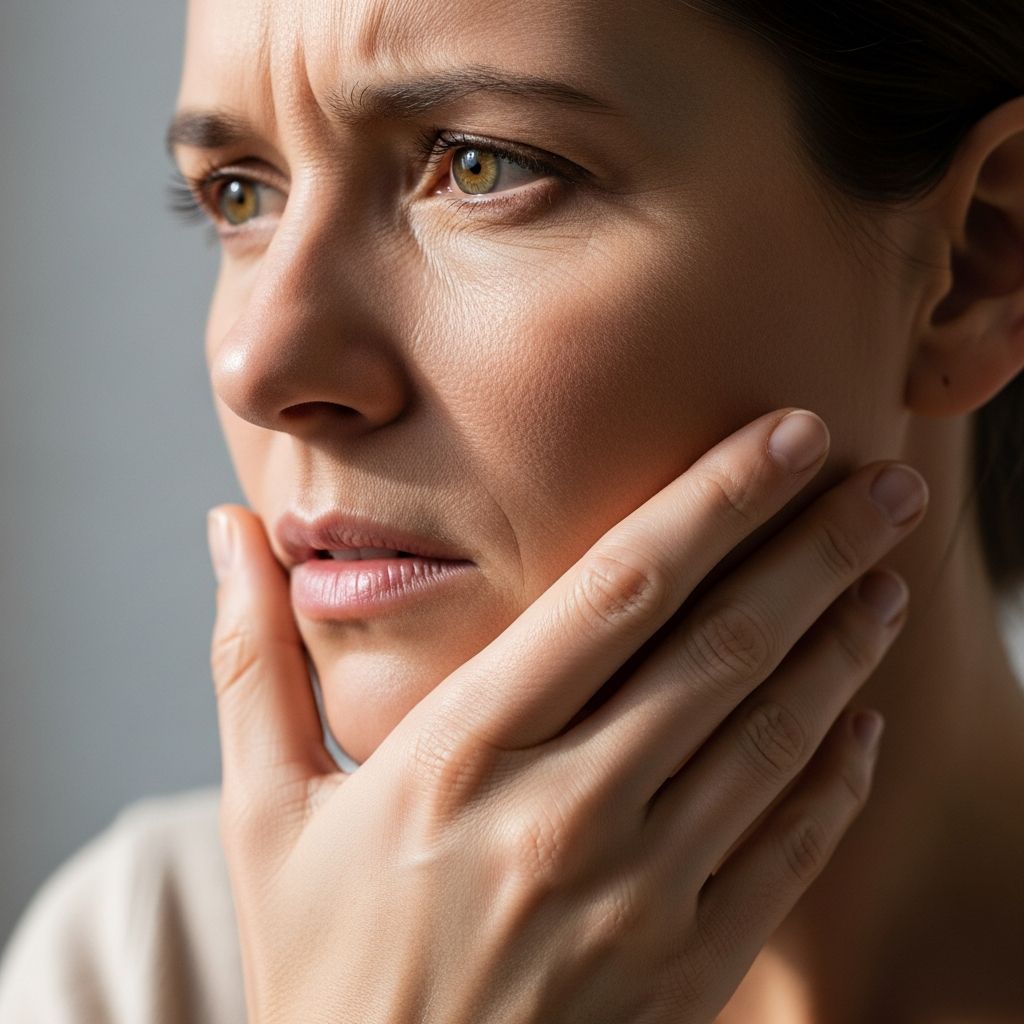
Jaw pain on one side is a common complaint that can range from mild discomfort to severe agony, often signaling issues with the temporomandibular joint (TMJ), teeth, sinuses, or nerves. While many cases resolve with home remedies, persistent or intense pain warrants professional evaluation to rule out serious conditions. This article covers the primary causes, associated symptoms, treatment options, and prevention strategies based on expert insights from medical authorities.
What Causes Jaw Pain on One Side?
The jaw’s complex structure, involving the TMJ—which connects the mandible to the skull—makes it susceptible to unilateral pain from various sources. Pain may arise from musculoskeletal problems, infections, dental issues, or neurological conditions. Identifying accompanying symptoms like swelling, clicking sounds, or referred pain helps pinpoint the cause.
Temporomandibular Disorders (TMD)
**Temporomandibular disorders (TMD)** are among the most frequent culprits of one-sided jaw pain, affecting the joint and surrounding muscles that control chewing and jaw movement. TMD encompasses over 30 conditions causing pain, dysfunction, and limited mobility.
Symptoms include:
- Pain or tenderness in the jaw, face, or neck, often worsening with chewing.
- Clicking, popping, or grating sounds when opening the mouth.
- Locking of the jaw or difficulty opening/closing the mouth.
- Stiffness or limited range of motion.
Contributing factors include jaw injury, arthritis, teeth grinding (bruxism), stress-induced clenching, or misalignment of the jaw or teeth. Women are more commonly affected, particularly those aged 20-40.
Treatment focuses on conservative measures: soft food diets, jaw rest, warm compresses, gentle stretches, and NSAIDs like ibuprofen for pain relief. Mouthguards prevent nighttime grinding, and physical therapy or stress management can address root causes. Severe cases may require injections, splints, or surgery, but these are rare.
Bruxism (Teeth Grinding and Clenching)
Bruxism involves involuntary grinding or clenching of teeth, often during sleep or under stress, leading to jaw muscle fatigue and one-sided pain. Daytime clenching is common in high-stress individuals, while nocturnal bruxism may go unnoticed until pain develops.
Symptoms:
- Morning jaw soreness or tightness on one side.
- Worn, chipped, or sensitive teeth.
- Headaches, particularly around the temples.
- Facial muscle hypertrophy from chronic clenching.
Management includes custom-fitted night guards, stress reduction techniques like mindfulness or biofeedback, and reminders to relax the jaw during the day. Botox injections relax overactive muscles in refractory cases. Addressing underlying anxiety or sleep disorders enhances outcomes.
Sinusitis
Sinusitis, or inflammation of the sinuses, can refer pain to the jaw due to proximity—maxillary sinuses sit above the upper teeth. Acute cases often follow viral infections, allergies, or irritants like smoke.
Key symptoms:
- Pressure or pain in cheeks, upper teeth, or jaw.
- Nasal congestion, discharge, or postnasal drip.
- Reduced sense of smell, sore throat, or cough.
- Fever in bacterial infections.
Related Stories



Treatment: Decongestants, saline rinses, humidifiers, and antibiotics if bacterial. Most resolve in 7-10 days; persistent cases need ENT evaluation.
Dental Problems
Dental issues frequently cause localized jaw pain:
- Cavities or abscesses: Throbbing pain from infection, with swelling or pus.
- Wisdom teeth: Impacted molars cause swelling and referred jaw pain.
- Gum disease: Periodontitis leads to bone loss and discomfort.
- Misaligned or missing teeth strain the jaw.
See a dentist promptly for X-rays and treatments like fillings, root canals, or extractions.
Trigeminal Neuralgia
A rare but intense cause, trigeminal neuralgia (TN) involves the trigeminal nerve, causing electric-shock-like pain on one face side, including the jaw. Type 1 is sharp and episodic; Type 2 is constant aching. Triggers: light touch, chewing.
Treatments: Anticonvulsants (carbamazepine), nerve blocks, or surgeries like microvascular decompression. More common in women over 50.
Rare Causes: Infections and Tumors
Osteomyelitis: Jaw bone infection from injury or spread, with fever, swelling, chills. Requires antibiotics or surgery.
Tumors/Cysts: Benign odontogenic cysts or malignant ones like ameloblastic carcinoma/osteosarcoma cause swelling, numbness, or bleeding. Biopsy and excision needed.
Heart Attack (Rare Emergency)
Women may experience jaw pain as a heart attack symptom, with chest pressure, shortness of breath, nausea. Seek ER immediately.
When to See a Doctor or Dentist
Consult a professional if pain lasts >1 week, is severe, or accompanies:
- Swelling, fever, difficulty swallowing/breathing.
- Jaw locking or significant limited motion.
- Chest pain, dizziness, or sudden weakness.
- Trauma or unexplained numbness.
Dentists handle TMD/bruxism/dental; physicians manage sinusitis/TN; ER for emergencies.
Home Remedies and Relief Tips
Immediate relief:
- Ice/Heat: Ice for swelling (15 min), heat for muscle relaxation.
- Medications: Ibuprofen or acetaminophen.
- Diet: Soft foods (yogurt, soups); avoid gum/chewy items.
- Rest/Relaxation: Jaw exercises, meditation; sleep position changes.
| Remedy | How It Helps | Duration |
|---|---|---|
| Cold Compress | Reduces swelling and numbs pain | 10-15 min, 3-4x/day |
| Warm Compress | Relaxes muscles | 15-20 min |
| NSAIDs | Anti-inflammatory pain relief | As directed |
| Soft Diet | Minimizes jaw strain | Until pain subsides |
Prevention Strategies
Prevent recurrence:
- Manage stress via yoga or therapy.
- Use mouthguards for bruxism.
- Maintain oral hygiene; regular dental checkups.
- Treat allergies/sinus issues promptly.
Frequently Asked Questions (FAQs)
Q: How long does jaw pain from TMD last?
A: Mild cases improve in weeks with conservative care; chronic TMD may persist months, needing ongoing management.
Q: Can stress cause one-sided jaw pain?
A: Yes, stress triggers bruxism and muscle tension, often unilateral.
Q: Is one-sided jaw pain always TMJ-related?
A: No, dental, sinus, or nerve issues are common alternatives.
Q: When is jaw pain a medical emergency?
A: If with chest pain, shortness of breath, or swelling obstructing airways, seek immediate care.
Q: Can I treat jaw pain at home forever?
A: Home remedies help short-term; see a pro for diagnosis if no improvement in 7-10 days.
References
- Jaw pain on one side: Causes and treatments — Medical News Today. 2023-10-12. https://www.medicalnewstoday.com/articles/jaw-joint-pain-on-one-side
- Jaw Pain On One Side: Causes and What You Can Do About It — Healthline. 2024-12-17. https://www.healthline.com/health/jaw-pain-one-side
- TMD (Temporomandibular Disorders) — National Institute of Dental and Craniofacial Research (NIDCR). 2024. https://www.nidcr.nih.gov/health-info/tmd
- TMJ disorders – Symptoms and causes — Mayo Clinic. 2024-08-05. https://www.mayoclinic.org/diseases-conditions/tmj/symptoms-causes/syc-20350941
Similar Articles








Read full bio of Sneha Tete