Jellyfish Stings: 5 Essential First-Aid Steps And Recovery
Understand the risks, recognize symptoms, and learn proven first aid for jellyfish stings to stay safe in coastal waters.
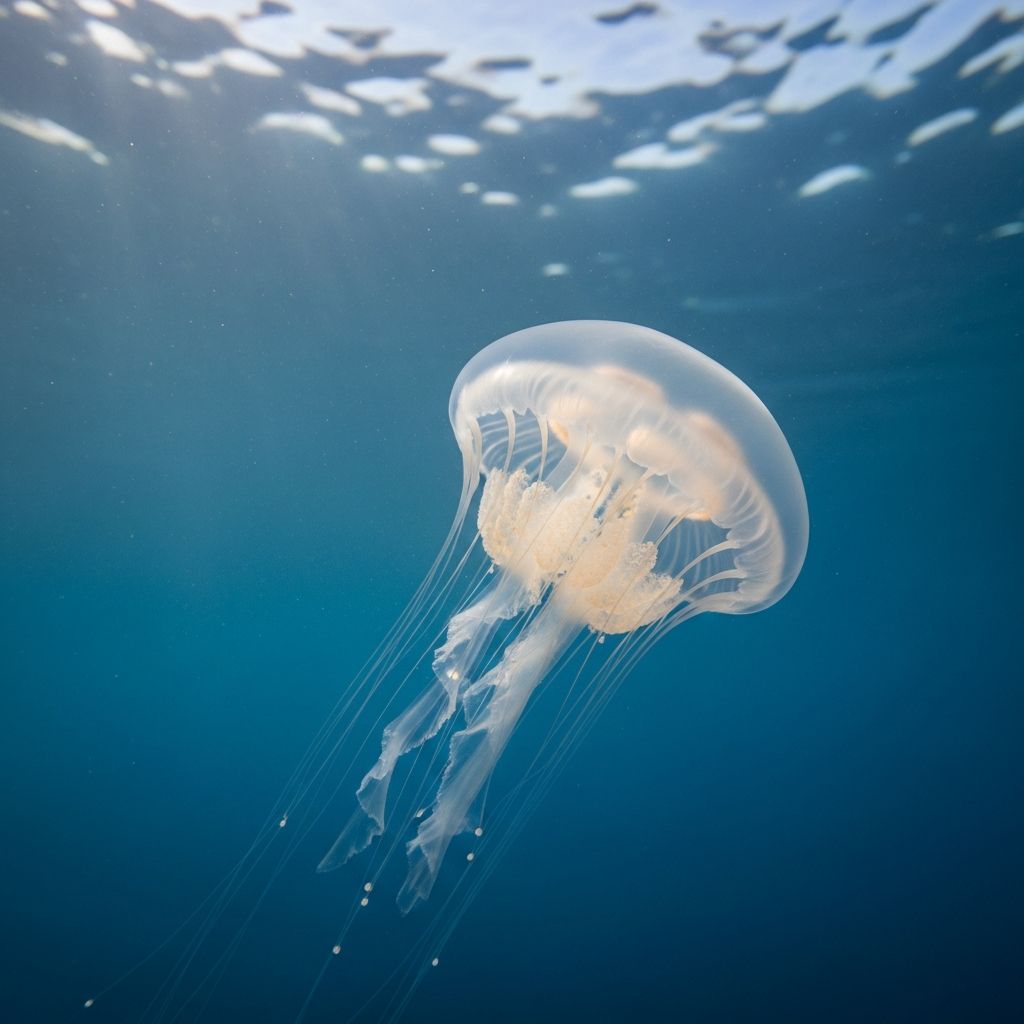
Jellyfish encounters in ocean waters can lead to painful stings from venom-laden tentacles equipped with microscopic harpoons called nematocysts. These stings typically produce localized skin reactions but can escalate to systemic issues in vulnerable individuals or with potent species.
The Science Behind Jellyfish Stings
Jellyfish belong to the cnidarian family, featuring tentacles lined with nematocysts that discharge upon contact, injecting venom composed of proteins, enzymes, and bioactive peptides. This venom disrupts cell membranes, triggers inflammation, and in severe instances, causes hemolysis or neurological effects.
Factors influencing sting severity include the jellyfish species—such as box jellyfish (Chironex fleckeri) known for potent toxins—the extent of skin contact, victim age, and pre-existing health conditions. Children and those with larger exposure areas face heightened risks.
Recognizing Sting Symptoms
Initial symptoms manifest as sharp, burning pain at the contact site, often with red welts resembling whip-like marks or raised hives. Throbbing may radiate to nearby limbs, accompanied by swelling and itching.
Severe reactions, appearing within minutes to hours, involve:
- Nausea, vomiting, and abdominal cramps
- Headaches, dizziness, or confusion
- Muscle cramps, spasms, or weakness
- Breathing difficulties or chest tightness
- Heart rhythm irregularities or low blood pressure
- Sweating, fainting, or shock
Eye or mouth stings demand urgent care due to risks of corneal damage or airway swelling.
Immediate First Aid Actions
Swift intervention minimizes venom spread and further nematocyst discharge. Key steps include:
- Exit the water safely: Prevent drowning by assisting the victim ashore.
- Rinse with seawater: Use copious seawater to dislodge tentacles; avoid freshwater, which triggers more discharges.
- Remove tentacles: Wear gloves or use a stick/towel to pick off visible remnants; scrape with a credit card edge if adhered.
- Inactivate nematocysts: Apply vinegar (4-6% acetic acid) for 30 seconds on most stings, especially box jellyfish. For physically stable victims without vinegar, hot water immersion (40-45°C/104-113°F) for 20-45 minutes provides analgesia.
- Manage pain: Over-the-counter ibuprofen or acetaminophen; apply cold packs wrapped in cloth.
Avoid alcohol, urine, or pressure immobilization unless specified for certain species like bluebottles.
When to Seek Professional Medical Help
Most stings resolve with home care in days to weeks, but escalate to emergency services if systemic symptoms emerge or persist beyond 24 hours.
| Symptom Category | Action Required |
|---|---|
| Mild: Localized pain, rash | Monitor at home; see doctor if worsening |
| Moderate: Nausea, large area affected, eye/mouth involvement | Urgent care or ER |
| Severe: Breathing issues, collapse, chest pain | Call emergency services immediately |
Healthcare providers assess via vital signs, wound inspection, and may collect nematocyst samples for species identification.
Advanced Medical Interventions
In hospital settings, treatments target symptoms and complications:
- Life support: CPR, oxygen, or intubation for respiratory failure.
- Antivenom: Specific for Indo-Pacific box jellyfish (Chironex fleckeri), administered IV.
- Analgesics and anti-inflammatories: Opioids, corticosteroids for severe pain or swelling.
- Monitoring for Irukandji syndrome: A delayed reaction from tiny jellyfish causing catecholamine surge, leading to hypertension, tachycardia, and pain 30 minutes to 48 hours post-sting.
Emerging research explores zinc/copper gluconate for hemolysis inhibition and pain relief, though species-specific efficacy requires validation.
Potential Complications and Long-Term Effects
Beyond acute phases, stings can yield:
- Delayed hypersensitivity: Blisters, hyperpigmentation, or scarring lasting months.
- Infections: From open wounds, treated with antibiotics if pus or fever develops.
- Chronic pain or neuropathy: Rare, managed with gabapentinoids.
- Immune-mediated issues: Allergic responses triggering ongoing inflammation.
Related Stories



Skin changes often persist despite treatment, emphasizing prevention.
Prevention Strategies for Coastal Activities
Minimize risks through proactive measures:
- Check local beach reports for jellyfish warnings via apps or lifeguards.
- Wear protective wetsuits, rash guards, or stinger suits in high-risk areas like Australia or Florida.
- Swim in groups, avoid dawn/dusk when jellyfish are active.
- Use commercial stinger repellents (e.g., with calcium gluconate) sparingly, as evidence is limited.
- Learn regional hazards: Box jellyfish in tropics, sea nettles in temperate zones.
Post-swim showers remove adhering nematocysts.
Species Spotlight: Common Culprits
| Jellyfish Type | Habitat | Symptoms | Treatment Notes |
|---|---|---|---|
| Box Jellyfish | Indo-Pacific | Excruciating pain, cardiac arrest possible | Vinegar, antivenom |
| Sea Nettle | Atlantic, temperate | Rash, muscle cramps | Hot water, vinegar |
| Bluebottle | Australia, Pacific | Whip-like welts | Cold packs, no vinegar |
| Irukandji | Tropics | Delayed severe syndrome |
FAQs on Jellyfish Stings
Is vinegar always effective?
Vinegar neutralizes most nematocysts but avoid on bluebottle stings; hot water is versatile.
Can jellyfish stings be fatal?
Yes, particularly box jellyfish; deaths occur within minutes or via delayed syndromes like Irukandji.
How long do symptoms last?
Mild stings: 1-3 days; severe skin effects: weeks to months with possible scarring.
Should I pee on a jellyfish sting?
No; urine’s variable pH can worsen discharge. Stick to seawater and vinegar.
Are jellyfish stings worse for kids?
Yes, due to body size and skin sensitivity; monitor closely.
Research Directions and Global Trends
Climate change expands jellyfish blooms, heightening encounters. Ongoing studies decode venom components for targeted therapies, including porin blockers and anti-hemolytic agents. Standardized protocols vary by region, underscoring need for unified guidelines.
Public education empowers safer recreation; always prioritize evidence-based responses.
References
- Jellyfish stings | UM Health-Sparrow — University of Michigan Health-Sparrow. 2023. https://www.uofmhealthsparrow.org/departments-conditions/conditions/jellyfish-stings
- Jellyfish Stings: A Review of Skin Symptoms, Pathophysiology, and… — PMC (PubMed Central). 2024-07-24. https://pmc.ncbi.nlm.nih.gov/articles/PMC11297359/
- Jellyfish Sting: Symptoms & Treatment – Cleveland Clinic — Cleveland Clinic. 2023. https://my.clevelandclinic.org/health/diseases/17821-jellyfish-stings
- Jellyfish Stings | Rady Children’s Health — Rady Children’s Hospital. 2023. https://www.rchsd.org/health-article/jellyfish-stings/
- Jellyfish stings | Health Encyclopedia | FloridaHealthFinder — Florida Health Finder. 2024. https://quality.healthfinder.fl.gov/health-encyclopedia/HIE/1/002845
- Jellyfish Stings: Symptoms & Treatment – American Red Cross — American Red Cross. 2023. https://www.redcross.org/take-a-class/resources/learn-first-aid/jellyfish-stings
Similar Articles








Read full bio of medha deb