Jennifer Aniston’s Collagen Coffee: Is It Healthy?
Jennifer Aniston swears by collagen coffee for glowing skin and vitality—does science back her morning ritual?
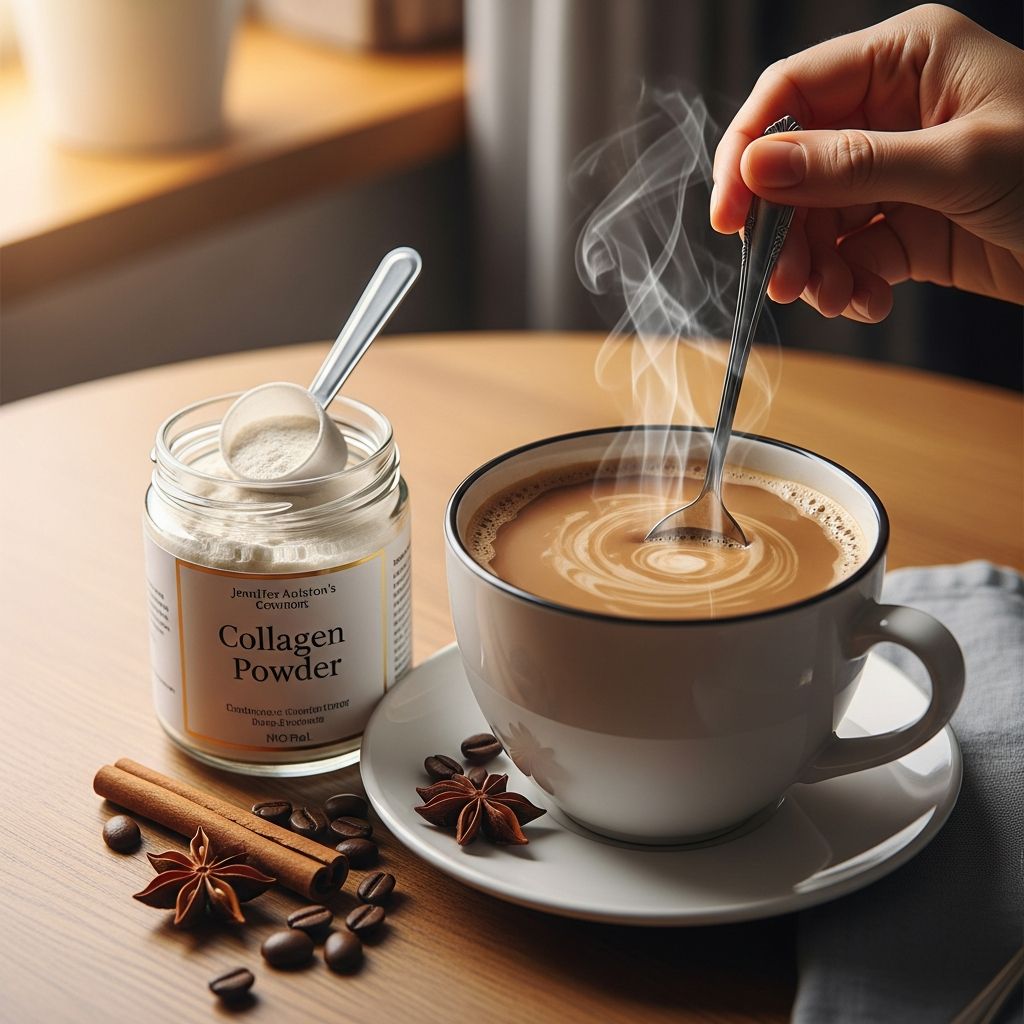
Jennifer Aniston has popularized a simple morning ritual: stirring collagen powder into hot coffee for a nutrient boost she credits for her youthful glow and vitality. This trend, dubbed ‘collagen coffee,’ blends the comfort of a daily brew with promises of improved skin, stronger hair, nails, and joint support. But does adding collagen to your coffee truly deliver health benefits, or is it just celebrity hype? This article breaks down the science, recipe, benefits, risks, and expert opinions to help you decide if it’s worth trying.
What Is Collagen Coffee?
Collagen coffee is a customized version of bulletproof coffee, where unflavored collagen peptides—a hydrolyzed form of collagen protein—are mixed into freshly brewed coffee. Aniston revealed in interviews that she adds this supplement to her morning joe, often pairing it with a splash of milk or sweetener for palatability. Collagen, the body’s most abundant protein, provides structure to skin, bones, tendons, ligaments, and cartilage. As we age, natural collagen production declines by about 1% per year after age 20, leading to wrinkles, joint pain, and brittle hair and nails.
The appeal lies in its simplicity: no blender required, low calories, and seamless integration into routines. Proponents claim it enhances coffee’s effects without the heaviness of butter or oils used in traditional bulletproof recipes. Popular brands like Vital Proteins, which Aniston has endorsed, offer powders that dissolve easily in hot liquids.
How to Make Jennifer Aniston’s Collagen Coffee
Recreating Aniston’s go-to drink is straightforward, taking under 10 minutes. This low-calorie recipe yields one serving and can be customized for taste.
- Ingredients:
- 8 ounces hot brewed black coffee (espresso or strong drip works best)
- 1 scoop (about 10-20g) unflavored collagen peptides powder
- 1/3 cup milk of choice (almond, oat, or dairy, heated)
- 1 teaspoon sweetener (sugar, honey, stevia, or monk fruit—to taste)
- Optional: Dash of cinnamon or vanilla extract for flavor
- Brew coffee to your preferred strength.
- Heat milk gently (microwave or stovetop) to avoid curdling.
- Pour coffee into a mug, add heated milk and sweetener. Stir well.
- Whisk in collagen powder vigorously for 30 seconds until fully dissolved—no lumps!
- Sip hot, or pour over ice for an iced version. Enjoy as breakfast or mid-morning pick-me-up.
Nutrition per serving (unsweetened, almond milk): ~50 calories, 10g protein, 2g fat, 2g carbs. Doubling the recipe scales easily for sharing.
| Variation | Twist | Calories |
|---|---|---|
| Classic | Black coffee + collagen | 40 |
| Creamy | With oat milk + honey | 80 |
| Iced | Cold brew + collagen + splash almond milk | 45 |
| Mocha | Add 1 tsp cocoa powder | 60 |
Potential Health Benefits of Collagen Coffee
Collagen supplements have surged in popularity, with sales exceeding $1 billion annually. Research suggests several benefits, though results vary by individual factors like age, diet, and dosage (typically 2.5-15g daily).
Skin Health and Anti-Aging
The most touted benefit is improved skin elasticity and hydration. A 2019 randomized controlled trial found women taking 2.5-5g collagen daily for 8 weeks experienced 20% reduced wrinkle depth and 28% higher skin elasticity. Hydrolyzed collagen peptides are small enough to absorb efficiently, signaling fibroblasts to produce more collagen. Aniston’s radiant complexion may partly stem from this, as she pairs it with a clean diet and exercise.
Related Stories



Hair, Nails, and Gut Support
Collagen provides amino acids like glycine and proline, essential for keratin production in hair and nails. Studies show 12 weeks of supplementation strengthens nails (reduced brittleness by 42%) and promotes thicker hair growth. For gut health, it may repair intestinal lining, aiding leaky gut syndrome—beneficial for those with IBS or inflammation.
Joint and Bone Health
Athletes and those over 40 report less joint pain. A meta-analysis of 15 studies confirmed 10g daily reduces osteoarthritis symptoms by 20-30%, improving mobility. Post-menopausal women saw bone density increases with long-term use, countering age-related loss.
Muscle Recovery and Weight Management
With 18 amino acids, collagen supports muscle repair when combined with resistance training. It promotes satiety, potentially aiding weight control in a low-carb coffee format.
- Key Benefits Summary:
- Enhances skin hydration (+12% after 8 weeks)
- Reduces wrinkles and fine lines
- Strengthens hair and nails
- Supports joint comfort and flexibility
- May improve sleep via glycine content
What the Science Says: Does It Really Work?
While promising, evidence is mixed. Most studies are small (under 100 participants) and industry-funded. A 2023 review in Nutrients concluded benefits are modest and dose-dependent, best from marine or bovine sources. Collagen doesn’t ‘replace’ dietary sources like bone broth; it’s a convenient boost. Hot coffee doesn’t degrade peptides, as they withstand up to 180°F.
Bioavailability is high (90% absorption), but whole-food collagen (chicken skin, fish) may outperform isolates. Long-term data (>1 year) is lacking, and benefits plateau after 12 weeks.
Potential Risks and Downsides
Generally safe, but consider:
- Digestive Issues: Bloating or fullness in 10-15% of users; start with half scoop.
- Allergies: Bovine collagen risky for alpha-gal syndrome; opt for marine.
- Heavy Metals: Third-party tested brands essential (NSF or USP certified).
- Calorie Creep: Sweeteners add up; unsweetened best.
- Not a Cure-All: No substitute for sunscreen, hydration, or balanced nutrition.
Consult a doctor if pregnant, nursing, or on medications like levothyroxine (may affect absorption).
Expert Opinions on Collagen Coffee
Registered dietitian Toby Amidor notes: “Collagen can complement a protein-rich diet but isn’t magic. Prioritize whole foods.” Dermatologist Dr. Whitney Bowe adds: “Topical + oral collagen yields best skin results.” Aniston herself emphasizes consistency alongside sleep and stress management.
Frequently Asked Questions (FAQs)
Is collagen coffee actually healthy?
Yes, in moderation—it adds protein with potential skin and joint perks, backed by preliminary studies. Pair with a varied diet for best results.
How much collagen should I add to coffee?
1 scoop (10-20g) daily; don’t exceed 20g to avoid GI upset.
Does heat destroy collagen in coffee?
No, hydrolyzed peptides remain intact in hot liquids.
Can I use collagen coffee for weight loss?
It may promote fullness, but combine with calorie control and exercise.
What’s the best collagen for coffee?
Unflavored, grass-fed bovine or marine peptides from reputable brands like Vital Proteins or Sports Research.
Vegetarian alternatives to collagen?
Plant-based ‘collagen builders’ with silica, biotin, and vitamin C mimic effects but lack actual collagen.
Final Verdict: Worth the Hype?
Jennifer Aniston’s collagen coffee is a tasty, protein-packed upgrade to your brew with science-supported benefits for skin, joints, and more. While not a miracle, it’s low-risk and easy. Experiment mindfully, choose quality sources, and track how you feel after 8-12 weeks. For optimal health, integrate it into a holistic routine—think nutrient-dense meals, hydration, and movement.
References
- Effects of 12 Weeks of Hydrolyzed Collagen Intake on Facial Skin — Proksch E, et al. Skin Pharmacology and Physiology. 2014-02-01. https://doi.org/10.1159/000351376
- Collagen Supplementation for Joint Health — García-Coronado JM, et al. Nutrients. 2019-04-26. https://doi.org/10.3390/nu11040920
- National Institutes of Health: Collagen Fact Sheet — Office of Dietary Supplements, NIH. 2023-05-15. https://ods.od.nih.gov/factsheets/Collagen-HealthProfessional/
- Collagen Peptides for Skin and Nail Health — Hexsel D, et al. Journal of Cosmetic Dermatology. 2017-10-01. https://doi.org/10.1111/jocd.12393
- Harvard T.H. Chan School of Public Health: Protein Supplements — Harvard Nutrition Source. 2024-01-10. https://nutritionsource.hsph.harvard.edu/protein/
Similar Articles








Read full bio of Sneha Tete