Delola Bottled Cocktails: Are They Healthy?
Jennifer Lopez's Delola spritzes promise refreshment with premium ingredients—but do they qualify as a healthier cocktail option?
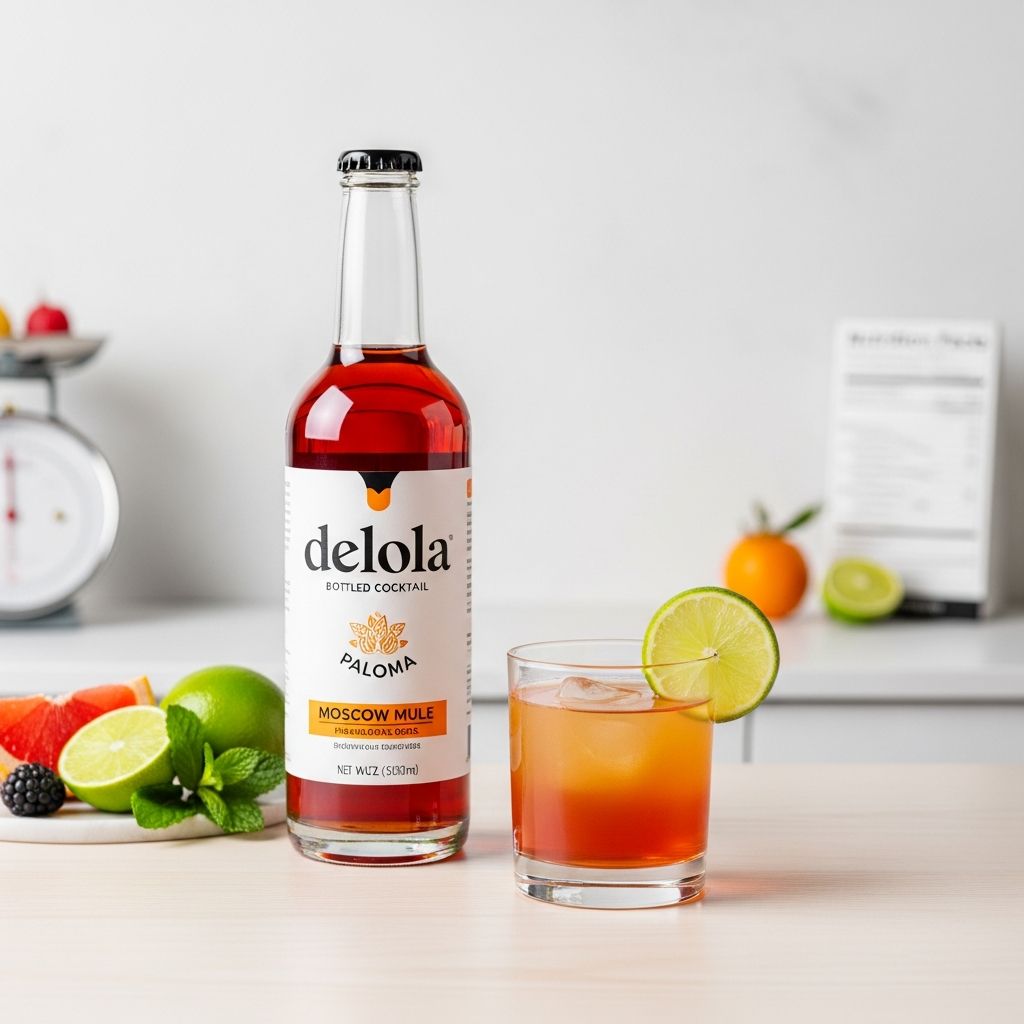
Jennifer Lopez’s Delola spritz line offers convenient, ready-to-drink cocktails in flavors like Paloma Rosa, Bella Berry, and L’Orange. Marketed with premium spirits and natural botanicals, these 10.5-11.5% ABV beverages aim for a sophisticated twist on canned cocktails. But with health-conscious consumers on the rise, questions linger: Are they lower in sugar and calories than traditional mixes? Do they support wellness goals? This analysis dives into nutrition facts, ingredients, taste profiles from reviewers, and health implications.
What Is Delola?
Launched by Jennifer Lopez in 2023, Delola (short for “deliciously light alcohol”) targets the booming ready-to-drink (RTD) market. Unlike heavily sweetened hard seltzers, Delola uses premium bases: tequila for Paloma Rosa, vodka for Bella Berry, and amaro for L’Orange. Each 750ml bottle or 187ml can emphasizes real fruit flavors, gluten-free formulas, and lower calories—around 107 per serving. Lopez promotes them as beach-ready refreshers, but experts scrutinize their fit in moderated drinking.
- Core Flavors: Paloma Rosa (tequila, grapefruit, elderflower; 11.5% ABV), Bella Berry (vodka, berry, hibiscus; 10.5% ABV), L’Orange (amaro, orange, passionfruit; 10.5% ABV).
- Positioning: Premium alternative to mass-market RTDs, with no artificial colors—using vegetable juice and beta-carotene instead.
- Availability: Sold in bottles ($18/750ml) or cans, found at retailers like Total Wine.
Ingredients Breakdown
Delola prides itself on transparency. Carbonated water forms the base, blended with spirits, natural flavors, and citric acid for fizz and tartness. No high-fructose corn syrup appears, a win over many competitors. However, added sugars from fruit juices and sweeteners like agave contribute to the profile.
| Flavor | Key Ingredients | Notable Additives |
|---|---|---|
| Paloma Rosa | Tequila, grapefruit juice, elderflower extract | Citric acid, vegetable juice (color), beta-carotene |
| Bella Berry | Vodka, berry puree, hibiscus | Natural flavors, preservatives for shelf life |
| L’Orange | Premium amaro, orange, passionfruit | Botanicals, minimal sweeteners |
Per U.S. FDA guidelines, these qualify as gluten-free and use natural botanicals, but the alcohol content matches standard wines, not ‘light’ seltzers (5% ABV).
Nutrition Facts: Calories, Sugar, and Alcohol
A standard serving (8-12 oz) clocks in at 107-120 calories, lower than mixed bar cocktails (200+ calories). Sugar hovers at 8-12g per serving—comparable to a soda but far below sugary margaritas (30g+). Alcohol is the wildcard: 10.5-11.5% ABV means one bottle equals 4-5 standard drinks.
- Calories: ~107 (L’Orange/Bella Berry), ~120 (Paloma Rosa).
- Sugar: 8-10g, from real fruit—not a ‘no-sugar’ option.
- Carbs: 10-12g, mostly sugars.
- Health Note: CDC recommends ≤1-2 drinks/day; Delola’s potency risks overconsumption.
Compared to peers:
| Beverage | Calories/Serving | Sugar (g) | ABV |
|---|---|---|---|
| Delola (avg) | 107-120 | 8-12 | 10.5-11.5% |
| White Claw | 100 | 2 | 5% |
| High Noon | 100 | 4 | 4.5% |
| Traditional Paloma | 250+ | 25+ | ~12% |
Delola edges out homemade mixes on calories/sugar but trails seltzers on ABV.
Taste Test: How Do They Stack Up?
Reviewers praise Delola’s fizz and premium spirits, though flavors vary. YouTube tastings highlight refreshment with ice, while critics note vegetal notes from colorants.
- Paloma Rosa (11.5% ABV): Citrusy grapefruit shines, tequila-forward. “Refreshing, beach-perfect—needs ice to tame sweetness.” Reviewers give it a B/B+, loving the balance despite faint elderflower.
- Bella Berry (10.5% ABV): Bold raspberry/cranberry, hibiscus tang. Least bubbly; improves with lime. Mixed reviews: B+ for fruit lovers, less fresh than citrus peers.
- L’Orange (10.5% ABV): Amaro base adds bitterness, orange-passionfruit notes. Vibrant color, candle-like aroma. Top pick for some, C- for others due to gummy, medicinal finish.
Related Stories



Consensus: Solid for RTDs—crisp, not cloying—but ice/lime elevates them. Carbonation is controlled, aiding sensitive stomachs.
Are They Actually Healthy?
No cocktail is ‘healthy,’ per NIH standards—alcohol links to liver risks, addiction. Delola’s perks: lower sugar/calories than mixes, natural ingredients, portion control via cans. Drawbacks: High ABV promotes rapid intake; fruit sugars add empty carbs. For moderation (≤7 drinks/week women, ≤14 men), they’re viable. Pair with food, hydrate. Not for low-alcohol diets.
WHO data: No safe alcohol level exists, but lower-calorie options aid harm reduction. Delola fits ‘mindful drinking’ trends.
Pros and Cons
- Pros: Premium spirits, real fruit, gluten-free, convenient, refreshing taste.
- Cons: Higher ABV, added sugars, potential overconsumption, pricey ($18/bottle).
Frequently Asked Questions (FAQs)
What is the alcohol content in Delola cocktails?
Paloma Rosa is 11.5% ABV; Bella Berry and L’Orange are 10.5% ABV—equivalent to wine.
Are Delola cocktails low-calorie?
Yes, 107-120 calories per serving, lower than most mixed drinks but similar to other RTDs.
Do Delola spritzes have added sugar?
Yes, 8-12g from fruit juices—better than sodas but not sugar-free.
Is Delola gluten-free?
Yes, all flavors are crafted gluten-free with natural botanicals.
What’s the best Delola flavor?
Paloma Rosa tops most reviews for tequila-grapefruit balance; L’Orange for complexity.
Can Delola help with weight loss?
No—alcohol halts fat-burning; moderation is key, not a diet aid.
References
- Review: Delola Spritzes, Complete Lineup — Drinkhacker. 2023-11-09. https://www.drinkhacker.com/2023/11/09/review-delola-spritzes-complete-lineup/
- We Tried JLo’s Delola Wine Spritz Cocktails—Are They Worth It? — YouTube (Tasting Review). 2023. https://www.youtube.com/watch?v=rKGZnY21W2s
- Delola by J Lo: Complete Flavor & Nutrition Breakdown! — Thirsty Bartenders (YouTube). 2023-06-15. https://www.youtube.com/watch?v=GIrsIBvVPCQ
- Dietary Guidelines for Americans, 2020-2025 — U.S. Department of Health and Human Services (HHS.gov). 2020-12-21. https://www.dietaryguidelines.gov/sites/default/files/2020-12/Dietary_Guidelines_for_Americans_2020-2025.pdf
- Alcohol Use and Your Health — Centers for Disease Control and Prevention (CDC.gov). 2024-01-15. https://www.cdc.gov/alcohol/fact-sheets/alcohol-use.htm
Similar Articles








Read full bio of Sneha Tete