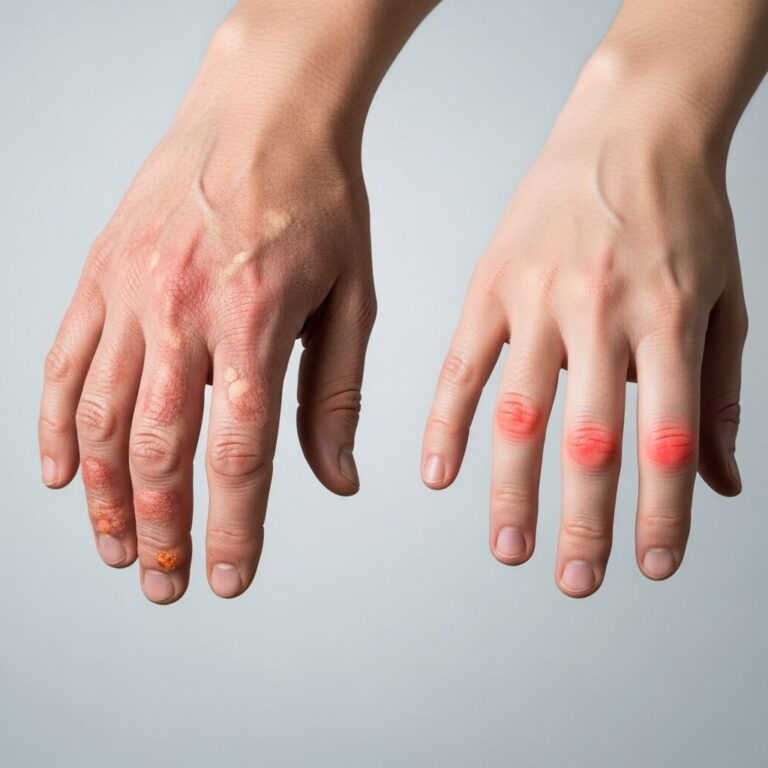
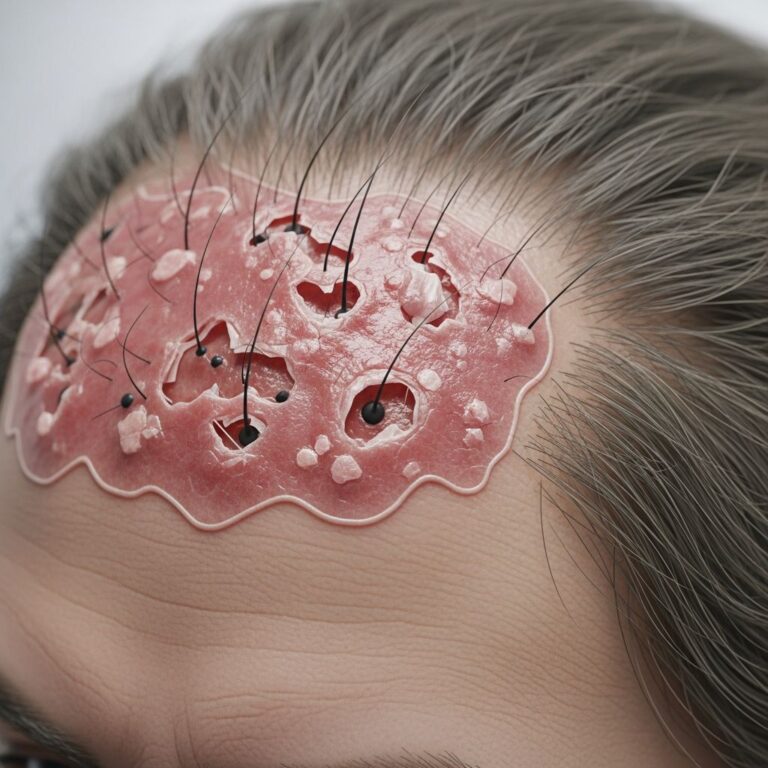
Juvenile Idiopathic Arthritis: What Parents Need To Know
Discover common comorbidities in juvenile idiopathic arthritis and essential strategies to protect your child's health beyond joint symptoms.
By Mary Anne Dunkin | Reviewed April 29, 2022
Hot, swollen joints may have been the first signs that led to your child’s arthritis diagnosis, but
juvenile idiopathic arthritis (JIA)
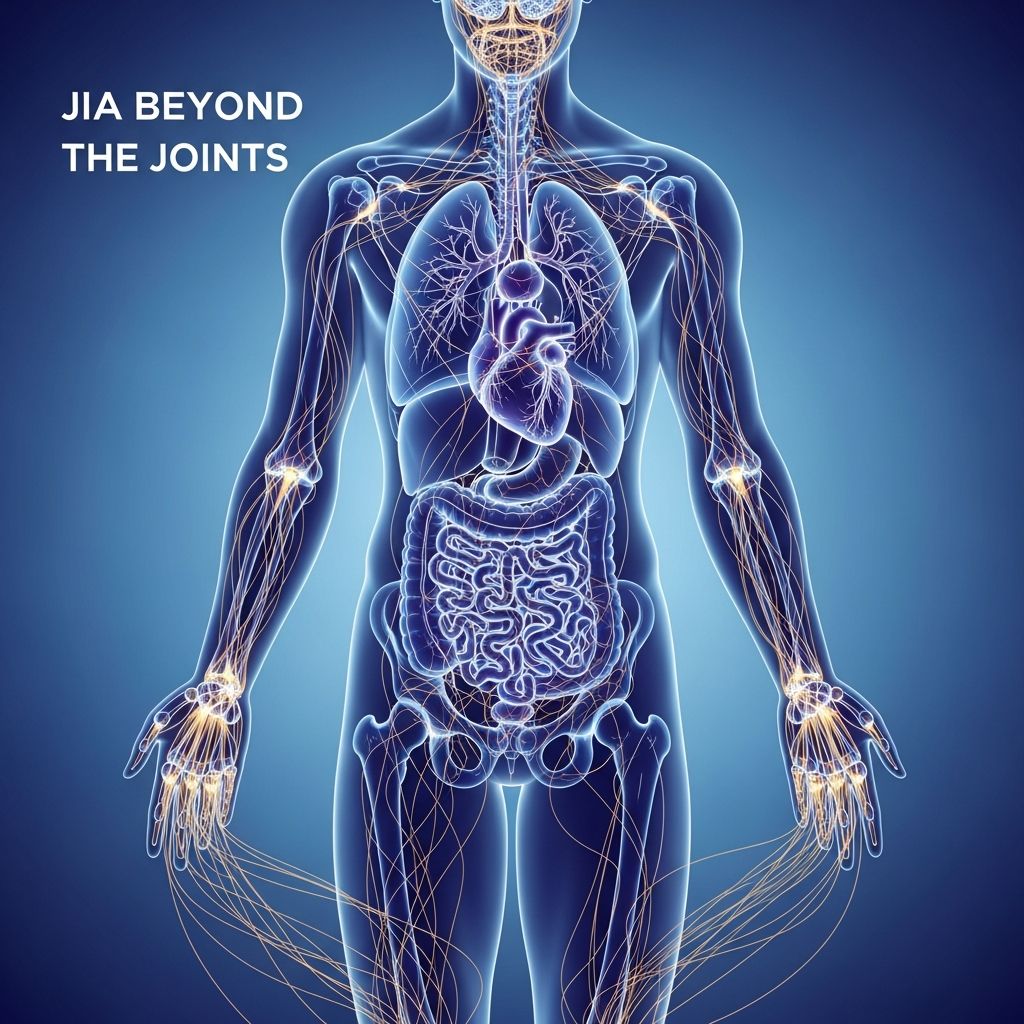
can mean more than joint involvement. Studies show that as many as one in five children with JIA have comorbidities — other conditions that occur alongside their arthritis. These extra-articular manifestations can significantly impact a child’s quality of life, development, and long-term health if not properly managed. Understanding these associated conditions is crucial for parents, caregivers, and healthcare providers to ensure comprehensive care.JIA is the most common chronic rheumatologic disease in children, characterized by persistent joint inflammation lasting at least six weeks in those under 16 years old. While joint pain, stiffness, and swelling are hallmark symptoms, the systemic nature of JIA means inflammation can affect multiple organs and systems. This article delves into the most prevalent non-joint issues, screening recommendations, treatment approaches, and proactive steps to safeguard your child’s health.
Uveitis
**Uveitis**, or inflammation of the eye, stands as the most common non-joint manifestation of JIA, particularly in oligoarticular and polyarticular subtypes. Left untreated, it can lead to serious complications like cataracts, glaucoma, synechiae (adhesions within the eye), band keratopathy, and even permanent vision loss. Alarmingly, uveitis affects up to 20-30% of children with JIA, with the highest risk in young girls with antinuclear antibody (ANA)-positive oligoarticular disease.
While uveitis may cause symptoms such as blurred vision, eye pain, sensitivity to sunlight (photophobia), red eyes, or headaches, younger children — who are more prone to it — often cannot verbalize these issues. Jonathan Hausmann, MD, a pediatric rheumatologist at Boston Children’s Hospital, notes that the predominant form in JIA, anterior uveitis, frequently presents asymptomatically in its early stages, earning it the moniker ‘silent uveitis’. This lack of symptoms underscores the necessity for routine screening.
Guidelines from the American College of Rheumatology (ACR) and the Childhood Arthritis and Rheumatology Research Alliance (CARRA) recommend slit-lamp eye exams by a pediatric ophthalmologist at diagnosis and then every 3-4 months for high-risk patients (young, ANA-positive girls with oligoarticular JIA), or every 6-12 months for lower-risk groups. Early detection allows for prompt intervention with topical corticosteroids, immunosuppressive agents like methotrexate, or biologic therapies such as adalimumab, which have revolutionized uveitis management in JIA.
Other Autoimmune Diseases
Children with JIA face an elevated risk for additional autoimmune conditions due to shared genetic and immunologic pathways. A 2018 study in the Journal of Pediatrics highlighted
type 1 diabetes
as a notable comorbidity, with JIA patients showing higher incidence rates. Other associated diseases includeautoimmune thyroiditis
(Hashimoto’s or Graves’ disease),celiac disease
(gluten intolerance leading to intestinal damage), and less commonly, inflammatory bowel disease (IBD) or psoriasis.The autoimmune overlap arises because JIA involves dysregulated T-cell and B-cell responses, similar to these conditions. Research indicates that aggressive control of JIA inflammation with disease-modifying antirheumatic drugs (DMARDs) like methotrexate may reduce the risk of developing type 1 diabetes, mirroring findings in adult rheumatoid arthritis (RA). Routine screening for thyroid function (TSH, free T4) and celiac serologies (tTG-IgA) is advised, especially if symptoms like fatigue, weight changes, or gastrointestinal issues arise.
Growth and Development Issues
Chronic inflammation in JIA disrupts normal growth patterns through multiple mechanisms: systemic cytokine effects suppressing growth hormone, localized joint damage leading to leg length discrepancies, and medication side effects like corticosteroid-induced growth suppression. Children with systemic JIA or polyarticular disease are particularly vulnerable, often experiencing overall growth retardation, delayed puberty, and reduced final adult height.
Related Stories



- Systemic effects: Interleukin-6 (IL-6) and tumor necrosis factor (TNF) inhibit insulin-like growth factor-1 (IGF-1), stunting linear growth.
- Localized overgrowth/undergrowth: Inflamed joints can cause temporary overgrowth followed by permanent shortening.
- Musculoskeletal complications: Contractures, osteoporosis, and fractures from reduced mobility and glucocorticoid use.
Management involves optimizing disease control with biologics (e.g., etanercept, tocilizumab), minimizing steroids, nutritional support, and physical therapy. Regular monitoring of height, weight, bone age via X-rays, and dual-energy X-ray absorptiometry (DEXA) scans for bone density is essential.
Heart and Blood Vessel Problems
Though rarer, JIA — especially the systemic subtype — can involve cardiovascular complications. Pericarditis (inflammation of the heart’s sac), myocarditis, or subclinical atherosclerosis from chronic inflammation increase risks. Children with longstanding active disease may develop accelerated vascular stiffness, akin to adult RA. Anemia of chronic disease, thrombocytosis, or macrophage activation syndrome (MAS) — a life-threatening hyperinflammatory state — are also concerns.
Echocardiograms and baseline cardiac assessments are recommended for systemic JIA. Lifestyle measures like a heart-healthy diet and exercise complement pharmacologic control.
Musculoskeletal Complications
Beyond joints, JIA leads to enthesitis (tendon insertion inflammation, common in enthesitis-related arthritis), tenosynovitis, bursitis, and spinal involvement mimicking juvenile ankylosing spondylitis. Osteoporosis risk heightens from immobility, inflammation, and treatments, with up to 50% of children showing low bone mineral density.
| Complication | Risk Factors | Management |
|---|---|---|
| Osteoporosis | Chronic steroids, inactivity | Calcium/vit D, bisphosphonates, weight-bearing exercise |
| Leg length discrepancy | Unilateral knee/ankle involvement | Shoe lifts, epiphysiodesis surgery |
| Contractures | Poor PT adherence | Daily stretching, splinting |
Managing Comorbidities: What Parents Need to Know
Proactive management hinges on a multidisciplinary team: pediatric rheumatologist, ophthalmologist, physical/occupational therapists, nutritionist, and psychologist. Key steps include:
- Adhering to screening schedules for uveitis and other risks.
- Tracking growth charts and developmental milestones.
- Promoting joint protection, healthy diet, and age-appropriate exercise.
- Monitoring for infection risks on immunosuppressants via vaccinations and prophylaxis.
- Addressing psychosocial impacts like school absenteeism and peer bullying.
Recent advances like IL-1/IL-6 inhibitors (anakinra, canakinumab) have improved outcomes, reducing comorbidity burdens.
Frequently Asked Questions (FAQs)
What is the most common comorbidity in JIA?
Uveitis is the most frequent, affecting up to 20% of children, especially in oligoarticular JIA.
How often should eye exams be done?
Every 3-4 months for high-risk patients; consult your rheumatologist for personalized schedule.
Can JIA cause growth problems?
Yes, chronic inflammation and treatments often lead to stunted growth; early aggressive therapy helps mitigate this.
Is type 1 diabetes more common in JIA kids?
Studies show increased risk; controlling JIA inflammation may lower it.
What role does diet play?
Anti-inflammatory diets rich in omega-3s, fruits, veggies support overall health and may aid medication efficacy.
References
- JIA Beyond the Joints — Arthritis Foundation. 2022-04-29. https://www.arthritis.org/health-wellness/about-arthritis/related-conditions/other-diseases/jia-beyond-the-joints
- Five Questions to Ask about Juvenile Idiopathic Arthritis — Arkansas Children’s Hospital. 2023. https://www.archildrens.org/blog/five-questions-to-ask-about-juvenile-idiopathic-arthritis
- Juvenile Idiopathic Arthritis — American Academy of Pediatrics, Pediatrics in Review. 2023-10-01. https://publications.aap.org/pediatricsinreview/article/44/10/565/194012/Juvenile-Idiopathic-Arthritis
- Noninflammatory disorders mimic juvenile idiopathic arthritis — National Institutes of Health, PMC. 2019-02-23. https://pmc.ncbi.nlm.nih.gov/articles/PMC6363254/
- Polyarticular Juvenile Idiopathic Arthritis — Nemours KidsHealth. 2024. https://kidshealth.org/en/parents/polyarticular-jia.html
- Childhood Arthritis — Centers for Disease Control and Prevention (CDC). 2025. https://www.cdc.gov/arthritis/childhood-arthritis/index.html
Similar Articles








Read full bio of Sneha Tete