Jicama Benefits: 8 Powerful Ways It Boosts Health
Discover the impressive health benefits of jicama, from boosting immunity and digestion to supporting heart health and weight management.
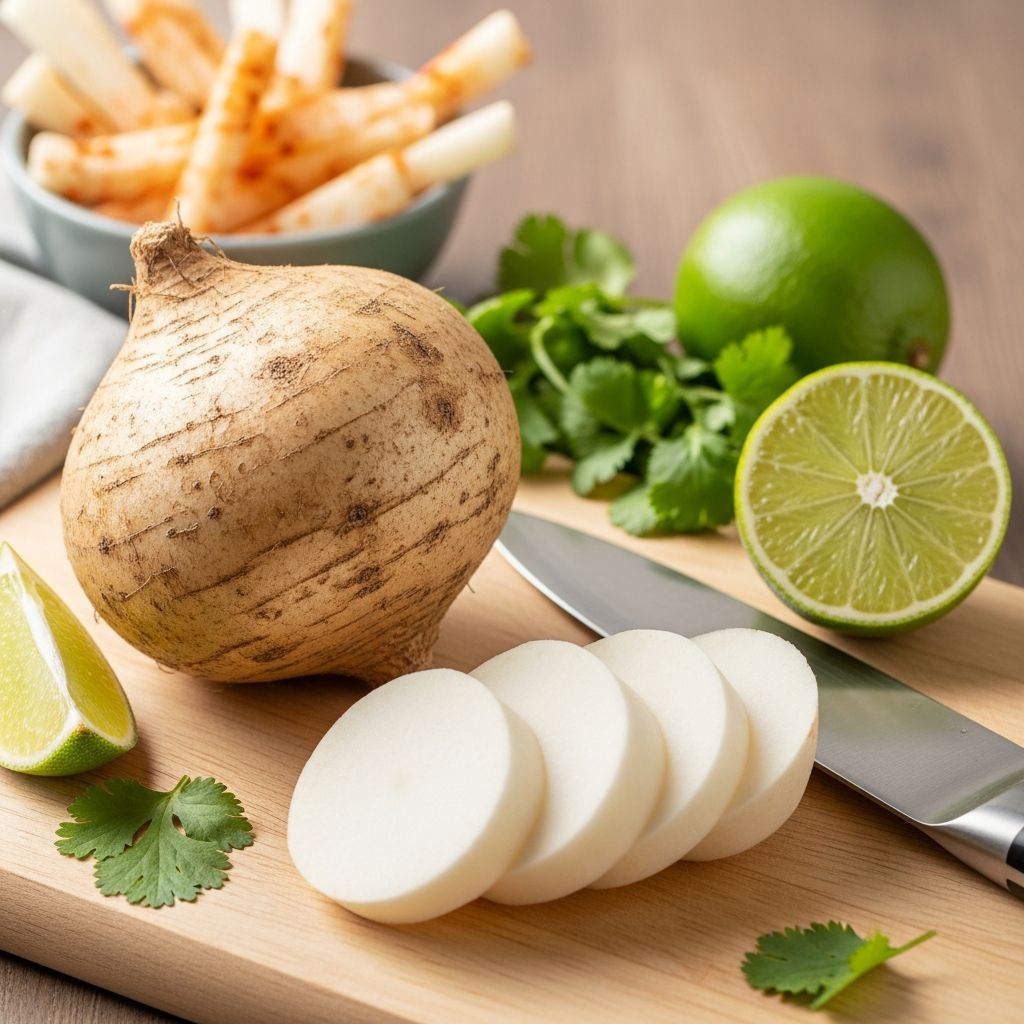
Jicama, also known as Mexican yam or Mexican turnip, is a crisp, mildly sweet root vegetable native to Central and South America. With its white, juicy flesh and thin brown skin, jicama has gained popularity for its refreshing crunch and impressive nutritional profile. Low in calories yet packed with fiber, vitamins, and antioxidants, jicama supports various aspects of health, from digestion to heart function.
What Is Jicama?
Jicama (Pachyrhizus erosus) belongs to the legume family and grows on vines. Only the tuberous root is edible; leaves, seeds, and stems contain toxic compounds like rotenone and should be avoided. The root is about 90% water, giving it a hydrating quality similar to cucumber or watermelon. It’s commonly eaten raw in salads, sticks, or salsas, and its texture makes it a versatile, low-carb alternative to potatoes or chips.
Nutritionally, one cup (130g) of raw jicama provides approximately 49 calories, 6.4g fiber (25% DV), 26mg vitamin C (over 30% DV for men, 35% for women), plus vitamin E, B6, potassium, and selenium. Its low glycemic index and high water content make it ideal for blood sugar management.
Nutrition Facts of Jicama
Jicama stands out for its nutrient density relative to its low calorie count. Here’s a breakdown per 1 cup (130g) serving:
| Nutrient | Amount | % Daily Value |
|---|---|---|
| Calories | 49 | 2% |
| Carbohydrates | 11.6g | 4% |
| Dietary Fiber | 6.4g | 25% |
| Protein | 0.9g | 2% |
| Vitamin C | 26.3mg | 33% (men), 39% (women) |
| Potassium | 195mg | 4% |
| Vitamin E | 0.2mg | 1% |
| Selenium | 1.3mcg | 2% |
This profile highlights jicama’s role as a fiber powerhouse with minimal fat, sodium, and sugar.
Health Benefits of Jicama
1. High in Antioxidants
Jicama is rich in antioxidants like vitamin C, vitamin E, selenium, and beta-carotene, which combat free radicals and oxidative stress. One cup delivers nearly one-third of the daily vitamin C needs, supporting immune function, skin health, and reducing inflammation linked to arthritis or infections.
Research shows jicama’s phytochemicals in tubers, leaves, and seeds may lower risks of chronic diseases like cancer, diabetes, and cognitive decline by neutralizing harmful molecules.
2. Boosts Heart Health
The soluble fiber in jicama (6.4g per cup) helps lower LDL cholesterol and blood pressure, key factors in preventing heart disease and stroke. Potassium relaxes blood vessels for better flow, while studies show jicama juice reduces clotting risks and diastolic pressure.
A 2018 review links high fiber intake to decreased cardiovascular risks, making jicama a heart-friendly choice.
3. Supports Healthy Digestion
With 6.4g fiber and 90% water content, jicama bulks stool, prevents constipation, and promotes regularity. Inulin, a prebiotic fiber, softens stool and speeds gastric emptying.
Fiber slows digestion, fostering fullness and aiding weight control. For those with digestive disorders, inulin supports gut health and mental well-being.
4. Good for Gut Bacteria
Inulin acts as a prebiotic, feeding beneficial gut probiotics. This boosts good bacteria populations, potentially reducing chronic disease risks like obesity and heart issues.
A 2019 mouse study found jicama-enhanced yogurt lowered blood sugar more effectively, attributing benefits to inulin’s role in metabolism, immunity, and mood.
Related Stories



5. May Aid Weight Loss
Low-calorie (49 per cup), high-fiber jicama promotes satiety, curbs appetite, and boosts metabolism. Its effects on insulin sensitivity combat obesity; a 2015 mouse study showed improved sensitivity and lower blood sugar.
Compared to potatoes, jicama’s low sodium, fat, and high fiber make it superior for weight management and cholesterol reduction.
6. Helps Regulate Blood Sugar
Jicama’s low glycemic index, fiber, and inulin prevent spikes, ideal for diabetes management. A PMC study in mice demonstrated jicama fiber maintained normoglycemia against high-sugar diets, reducing obesity risks.
Weekly monitoring showed significantly lower blood glucose in jicama-supplemented groups.
7. Supports Immune Function
Vitamin C, B6, and antioxidants bolster immunity, aiding antibody production and fighting viruses. Selenium and vitamin E protect cells, while B6 supports brain and nerve health.
8. Lowers Cholesterol
Soluble fiber binds cholesterol in the gut, preventing absorption and reducing artery clogging.
How to Eat Jicama
Peel the tough skin with a knife or peeler, then slice into sticks, cubes, or thin sheets. Eat raw for maximum crunch:
- Snacks: With lime, chili, or salt.
- Salads: Shredded in slaws or green salads.
- Salsas: Diced with tomatoes, onions, cilantro.
- Stir-fries: Cooked briefly to retain crispness.
- Smoothies: Blended for hydration.
Store peeled jicama in water in the fridge for up to a week. Avoid cooking too long to preserve nutrients.
Jicama Risks and Side Effects
Jicama is safe for most, but excessive fiber may cause gas or bloating initially—increase gradually. Those with IBS should monitor inulin tolerance. Only eat the flesh; seeds and pods are poisonous. Diabetics should note its carbs, though low GI minimizes impact. Consult a doctor if pregnant or on blood thinners due to vitamin effects.
Frequently Asked Questions (FAQs)
Is jicama keto-friendly?
Yes, with 11g net carbs per cup (after 6g fiber), it’s suitable in moderation for low-carb diets.
Can you eat jicama every day?
Absolutely, its low calories and high nutrients make daily consumption beneficial for fiber and hydration goals.
Does jicama spike blood sugar?
No, its low GI and fiber promote steady release, aiding diabetes control.
Is jicama skin edible?
No, remove the waxy brown skin; only the white interior is safe.
How many calories in jicama sticks?
About 49 calories per cup raw, making it a guilt-free snack.
References
- Jicama vs. Potatoes Health Benefits — Baptist Health. 2023. https://www.baptisthealth.com/blog/health-and-wellness/jicama-vs-potatoes-health-benefits
- 8 Health and Nutrition Benefits of Jicama — Healthline. 2023-10-20. https://www.healthline.com/nutrition/jicama-nutrition-benefits
- Jicama: Nutrition Facts and Benefits — Cleveland Clinic. 2024. https://health.clevelandclinic.org/jicama-nutrition
- Jicama (Pachyrhizus erosus) fiber prevents excessive blood glucose — PMC (NCBI). 2019-08-24. https://pmc.ncbi.nlm.nih.gov/articles/PMC6702872/
- Jicama: Health benefits, nutrition, and diet tips — Medical News Today. 2023. https://www.medicalnewstoday.com/articles/324241
Similar Articles








Read full bio of Sneha Tete