Jock Itch: Symptoms, Causes, and Treatment
Everything you need to know about jock itch: symptoms, causes, effective treatments, and prevention strategies for this common fungal infection.
Jock itch, medically known as tinea cruris, is a common fungal infection that affects the groin area, inner thighs, and buttocks. It causes an itchy, red rash that can be uncomfortable and persistent if not treated properly. This condition primarily impacts adolescent and young adult men but can affect anyone. Understanding its symptoms, causes, and treatments is key to effective management.
What Is Jock Itch?
Jock itch is a contagious fungal infection caused by dermatophytes, a type of fungus that thrives on keratinized skin structures like the epidermis’ stratum corneum. Also called tinea cruris—where ‘tinea’ refers to ringworm-like infections and ‘cruris’ means groin—it leads to an itchy, stinging, burning rash in warm, moist areas. Unlike ringworm on other body parts, jock itch specifically targets intertriginous (skin-fold) regions due to heat, moisture, and friction.
The infection rarely affects the genitals themselves (penis, scrotum, or vulva) but commonly involves the surrounding groin, inner thighs, and gluteal cleft. It spreads easily through skin-to-skin contact, shared towels, or contaminated surfaces, making it prevalent among athletes using public showers or locker rooms.
Symptoms of Jock Itch
The hallmark symptom of jock itch is intense
itching
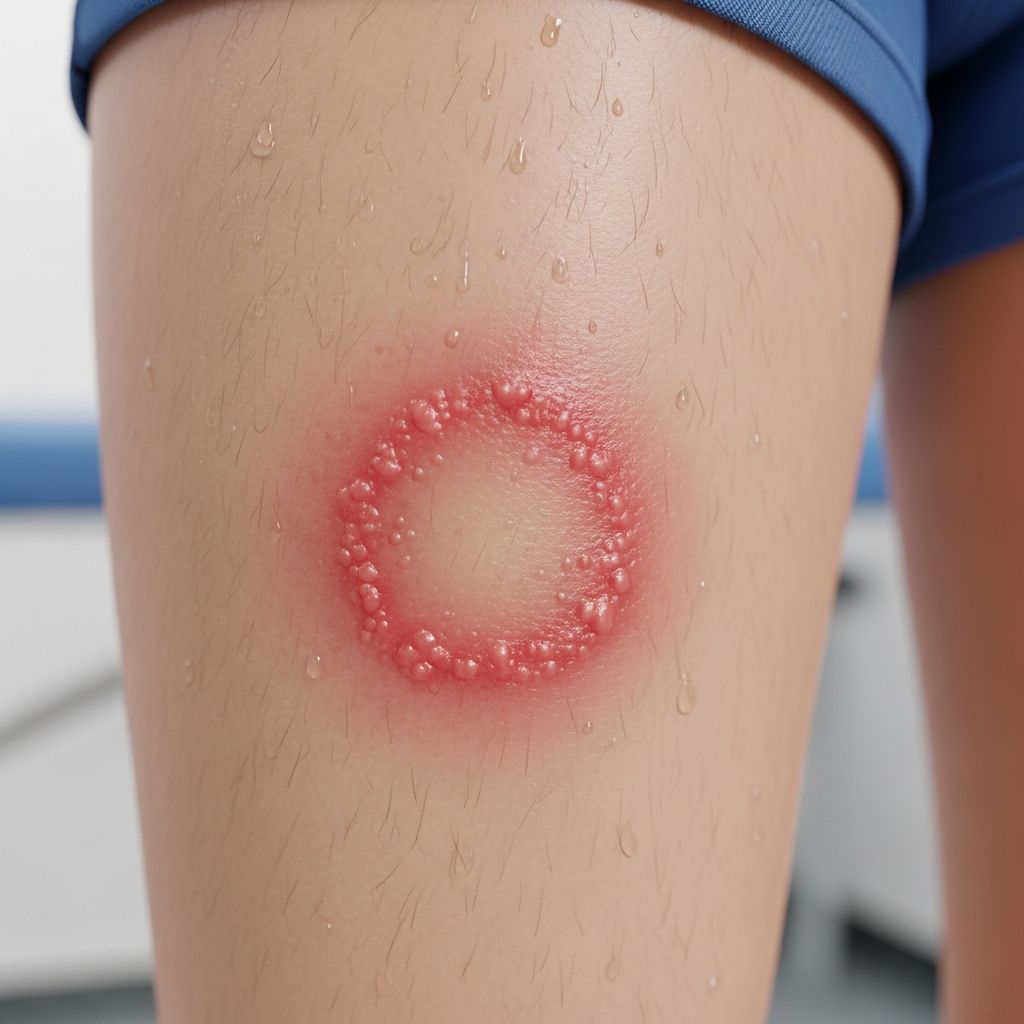
, often accompanied by a stinging or burning sensation in the groin area. The rash typically appears as:- A red, raised, scaly border forming a ring-like or half-moon shape on the inner thighs or groin.
- Cracking, peeling, or flaking skin, especially at the edges.
- Tiny bumps, blisters, or pustules along the rash margin.
- Color changes, such as reddish-brown discoloration in lighter skin or lighter patches in darker skin tones.
- Dryness, irritation, and scaling that worsens with sweat or friction.
Symptoms often start unilaterally (on one side) and spread to the opposite thigh or buttocks if untreated. The rash spares the scrotum or vulva but may extend to the perineum or perianal area. In severe cases, the skin becomes macerated (softened and whitish) due to moisture.
Causes and Risk Factors
Jock itch is caused by dermatophyte fungi, primarily Trichophyton rubrum, Trichophyton mentagrophytes, or Epidermophyton floccosum. These fungi grow best in warm, moist environments, explaining the groin predilection. Tight clothing traps heat and sweat, creating ideal conditions.
Risk factors include:
- Gender and age: Men are three times more likely than women; most common in adolescent/young adult males. Rare in children.
- Athletic activity: Heavy sweating, chafing from workouts, and shared facilities like locker rooms.
- Obesity or skin folds: Increases moisture and friction.
- Weakened immunity: Conditions like HIV, diabetes, or immunosuppressant use hinder fungal clearance.
- Poor hygiene: Damp towels, infrequent laundry, or not drying the groin thoroughly.
- Other fungal infections: Athlete’s foot can spread to the groin via hands or towels.
Women can develop it in the groin folds but less frequently; it rarely involves the vulva.
How Does Jock Itch Spread?
This infection is highly contagious. Direct transmission occurs via skin-to-skin contact, including sexual activity. Indirect spread happens through contaminated items like towels, clothing, gym mats, or benches. Fungi survive on surfaces, thriving in public showers or locker rooms. Self-infection is common if you scratch an infected area (e.g., athlete’s foot) and touch the groin.
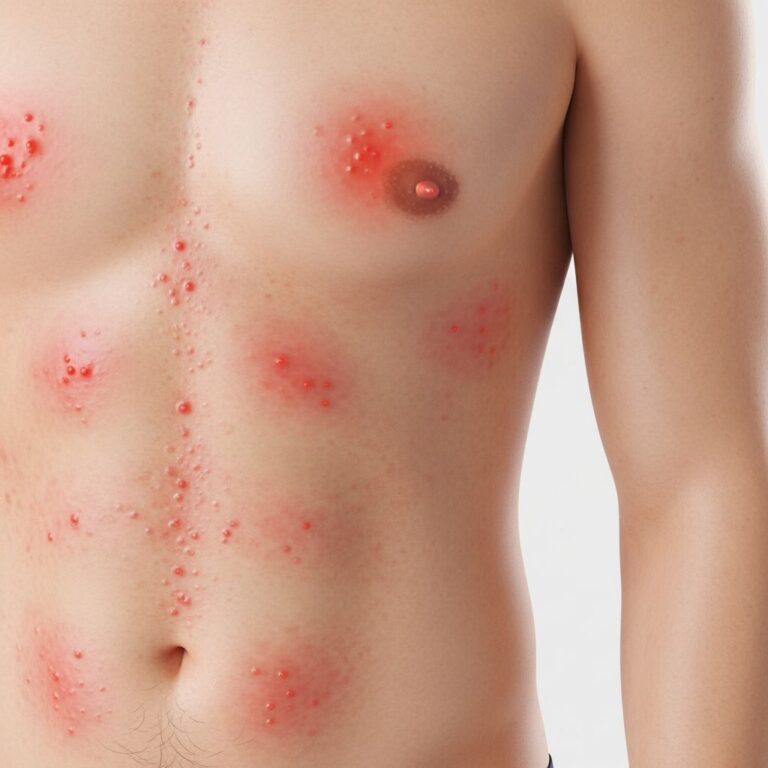
Once established, untreated jock itch can spread to the abdomen, back, or arms, evolving into tinea corporis (body ringworm).
Diagnosis
Diagnosis is usually clinical, based on the characteristic rash appearance. Healthcare providers may perform a KOH (potassium hydroxide) prep test, scraping skin scales for microscopic fungal elements, or a fungal culture for confirmation. Differential diagnoses include inverse psoriasis (smooth, shiny red patches without scaling), contact dermatitis, or bacterial intertrigo. Biopsy is rare but used for atypical cases.
Related Stories



| Condition | Key Features | Differentiator from Jock Itch |
|---|---|---|
| Inverse Psoriasis | Smooth, shiny red patches in skin folds; tender | No scaling/peeling; autoimmune, not fungal |
| Contact Dermatitis | Diffuse redness, possible vesicles | History of irritant exposure; no ring-like border |
| Erythrasma | Brownish-red, coral-like glow under Wood’s lamp | Bacterial (Corynebacterium); no itch/scaling |
Treatment Options
Most cases resolve with over-the-counter (OTC) antifungals within 1-8 weeks. Apply creams twice daily for 2-4 weeks, extending 1-2 cm beyond the rash. Finish the full course even if symptoms fade to prevent recurrence.
OTC Treatments:
- Clotrimazole (Lotrimin), miconazole (Monistat-Derm), terbinafine (Lamisil AT), tolnaftate (Tinactin).
Prescription Options: For resistant cases, oral antifungals like fluconazole, itraconazole, or terbinafine (1-2 weeks). Severe infections may require combination therapy.
Home Care:
- Keep the area clean and dry: Shower after sweating, pat dry thoroughly.
- Wear loose, breathable cotton underwear; change daily.
- Apply drying powders (e.g., talc-free) or antifungal powders.
- Avoid scratching, tight clothes, and steroid creams (e.g., hydrocortisone), which worsen infections by suppressing immunity.
Signs of improvement: Fading rash, normalized skin color, reduced itching within 1-4 weeks.
Prevention Tips
Prevent recurrence with these strategies:
- Shower immediately after exercise; dry groin completely.
- Wear loose cotton underwear; change if damp.
- Use separate towels; launder after each use.
- Avoid sharing clothing/gear; wipe down equipment.
- Treat co-existing athlete’s foot promptly.
- Consider antifungal powders for high-risk activities.
When to See a Doctor
Seek medical care if:
- Rash persists >2 weeks despite OTC treatment.
- Symptoms worsen, spread, or include fever/blisters.
- You have diabetes, immunosuppression, or recurrent infections.
- Rash affects genitals or doesn’t respond.
Frequently Asked Questions (FAQs)
Is jock itch contagious?
Yes, it spreads via skin contact or contaminated items. Avoid sharing towels until cleared.
Can women get jock itch?
Yes, though less common; affects groin folds, rarely vulva.
How long does jock itch last?
1-8 weeks with treatment; untreated, it may persist or spread.
Does jock itch go away on its own?
Rarely; treatment is needed to fully eradicate the fungus.
Can I use hydrocortisone for jock itch?
No, steroids worsen fungal infections; use antifungals only.
What’s the difference between jock itch and psoriasis?
Jock itch has scaly borders; psoriasis is smooth/shiny without peeling.
References
- Jock Itch: What It Is, Symptoms & Treatment — Cleveland Clinic. 2023. https://my.clevelandclinic.org/health/diseases/22141-jock-itch-tinea-cruris
- Jock Itch That Won’t Go Away: Causes and Treatments — Healthline. 2023. https://www.healthline.com/health/jock-itch-won-t-go-away
- Inverse psoriasis or jock itch? Symptoms, triggers, and treatment — Medical News Today. 2023. https://www.medicalnewstoday.com/articles/323158
- Tinea Cruris – StatPearls — NCBI Bookshelf. 2023-09-04. https://www.ncbi.nlm.nih.gov/books/NBK554602/
Similar Articles








Read full bio of medha deb