Jock Itch (Tinea Cruris): Causes, Symptoms, Treatment, and Prevention
Comprehensive guide to understanding and managing jock itch (tinea cruris), a common fungal infection of the groin.
What is Jock Itch (Tinea Cruris)?
Jock itch, medically known as tinea cruris, is a fungal infection that affects the skin in the groin area, including the inner thighs, pubic region, and sometimes the perineum and perianal areas. It is caused by dermatophyte fungi, which thrive in warm, moist environments, making the groin a common site for infection.
Causes and Risk Factors
Tinea cruris develops when pathogenic fungi infect the skin around the groin. These fungi belong primarily to the Trichophyton species, although other dermatophytes may also be involved. The infection spreads easily in environments that promote fungal growth, including places where sweat accumulates.
- Excessive sweating: Sweat creates a moist environment that favors fungal growth.
- Warm, humid climates: Hot weather increases the risk.
- Tight or non-breathable clothing: Increases moisture retention.
- Obesity: Skin folds can trap heat and moisture.
- Diabetes and weakened immune system: Increase susceptibility to infections.
- Close contact and sharing personal items: The infection can spread by skin-to-skin contact or contaminated clothing, towels, and sports equipment.
Signs and Symptoms of Jock Itch
The symptoms of tinea cruris typically include:
- Itchiness: Persistent itching in the groin area.
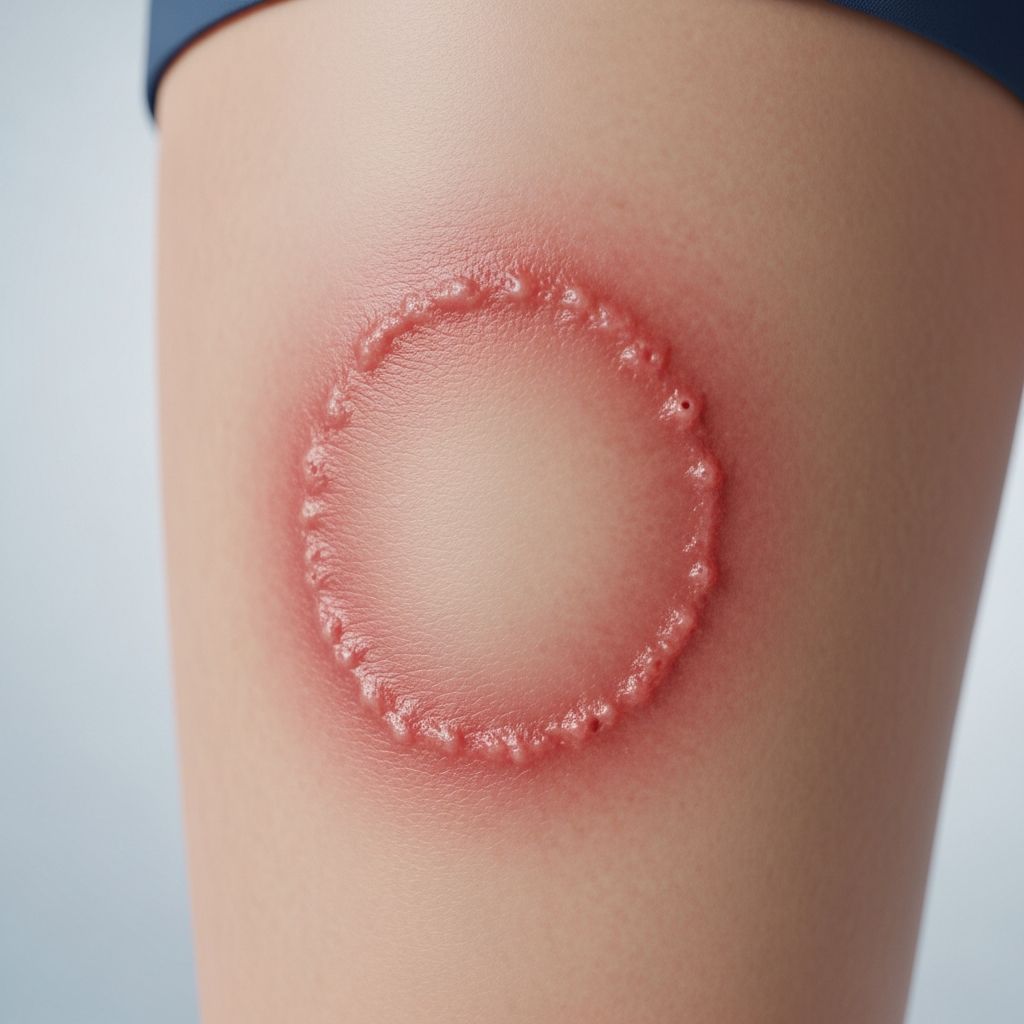
- Redness and rash: The affected skin becomes red and scaling, often with a ring-shaped or irregularly shaped rash.
- Sharp, raised border: The rash often has a distinct edge that may be slightly raised.
- Spread to inner thighs: The rash frequently extends along the upper inner thighs.
- Possible soreness or burning sensation.
- Occasional musty or yeasty odor.
In men, the infection can sometimes irritate the scrotum, though the scrotum is less commonly involved compared to the groin folds.
How is Jock Itch Diagnosed?
Diagnosis is mainly clinical, based on the characteristic appearance of the rash and symptoms. However, in uncertain or recurrent cases, additional tests may be performed:
- Potassium hydroxide (KOH) preparation: Scrapings of the affected skin are examined under a microscope after treatment with KOH to detect fungal elements.
- Fungal culture: Skin samples may be cultured to identify the exact fungus involved.
- Skin biopsy: Rarely, a biopsy and special staining may be performed for difficult cases.
Differential diagnoses to consider include candidiasis, erythrasma, psoriasis, seborrheic dermatitis, and contact dermatitis. Candida infections often present with satellite lesions and more scrotal involvement. Erythrasma fluoresces coral-red under a Wood lamp, unlike tinea cruris.
Effective Treatments for Tinea Cruris
Treatment goals are to eliminate the fungus, relieve symptoms, and prevent recurrence. The antifungal approach is typically successful with appropriate use:
Topical Antifungal Medications
These are the first line of treatment for mild to moderate jock itch. Common topical antifungals include:
- Clotrimazole
- Miconazole
- Terbinafine
- Butenafine
- Ketoconazole
Application is usually once or twice daily for 2 to 4 weeks, ensuring to continue treatment even after symptoms resolve to prevent relapse. Creams are generally preferred over powders as they provide better efficacy.
Related Stories



Oral Antifungal Therapy
Oral antifungals might be prescribed when the infection is severe, extensive, recurrent, or resistant to topical treatment. They may also be necessary for patients with weakened immune systems. Examples include:
- Terbinafine
- Itraconazole
- Griseofulvin (less commonly used for jock itch compared to other fungal infections)
Oral ketoconazole is no longer recommended due to potential liver toxicity. Treatment duration varies based on severity and response but generally spans several weeks.
Adjunctive Therapies
- Topical corticosteroids: May be added briefly in cases of intense inflammation but should never be used alone as they can worsen fungal infections.
- Antibacterial agents: Needed if a bacterial superinfection occurs.
Prevention Strategies
Reducing risk factors and maintaining good hygiene can help prevent jock itch or its recurrence. Important prevention measures include:
- Keeping the groin area clean and dry.
- Wearing loose, breathable clothing, preferably cotton.
- Changing underwear and workout clothes daily.
- Using antifungal powders or sprays in susceptible individuals.
- Managing underlying health conditions such as diabetes effectively.
- Avoiding sharing towels, clothing, or sports equipment.
Potential Complications of Untreated or Recurrent Jock Itch
- Secondary bacterial infections: Scratching can break skin, allowing bacteria to invade.
- Chronic or recurrent infections: Repeated exposure and incomplete treatment can cause persistent issues.
- Misdiagnosis and inappropriate treatment: Use of corticosteroids alone can mask symptoms and worsen the infection.
Prognosis
With proper antifungal treatment, the majority of patients (80–90%) achieve complete cure. Early treatment prevents spread and complications. However, individuals with frequent sweating, obesity, diabetes, or immune suppression may experience recurrent infections requiring ongoing management.
Frequently Asked Questions (FAQs)
Q: Can jock itch spread to other parts of the body?
A: Yes, while it primarily affects the groin, tinea cruris can spread to adjacent areas such as the inner thighs, perineum, and occasionally the buttocks if untreated.
Q: Is jock itch contagious?
A: Yes, it can spread through direct skin contact or indirectly via contaminated towels, clothing, or locker room surfaces.
Q: How long does jock itch take to heal?
A: With proper treatment, symptoms often improve within 1 to 3 weeks. However, it is important to complete the full course of antifungal therapy to prevent recurrence.
Q: When should I see a doctor?
A: Seek medical attention if the rash is painful, worsening, does not improve after 2 weeks of treatment, or if you have a weakened immune system.
Q: Can jock itch be prevented?
A: Yes, maintaining good hygiene, keeping the groin dry, wearing breathable clothing, and treating any fungal infections elsewhere on the body can reduce risk.
References
- Tinea Cruris – StatPearls — NCBI Bookshelf. 2023-05-01. https://www.ncbi.nlm.nih.gov/books/NBK554602/
- Tinea Cruris (Fungal Groin Infection) — Patient.info. 2024-01-10. https://patient.info/infections/fungal-infections/fungal-groin-infection-tinea-cruris
- Understanding Tinea Cruris — UMass Memorial Health. 2023-11-15. https://www.ummhealth.org/health-library/understanding-tinea-cruris
- Tinea Cruris (Jock Itch) – Dermatologic Disorders — Merck Manuals. 2023-08-20. https://www.merckmanuals.com/professional/dermatologic-disorders/fungal-skin-infections/tinea-cruris-jock-itch
- Tinea Cruris — DermNet NZ. 2024-02-02. https://dermnetnz.org/topics/tinea-cruris
Similar Articles








Read full bio of medha deb