Jock Itch: What It Is, Symptoms & Treatment
Understanding jock itch: causes, symptoms, diagnosis, and effective treatment options.
What Is Jock Itch?
Jock itch, medically known as tinea cruris, is a contagious fungal infection that affects the skin around your groin, inner thighs, and buttocks area. This condition belongs to a family of fungal infections similar to ringworm and athlete’s foot, caused by pathogenic fungi known as dermatophytes. These microscopic organisms naturally live on your skin, hair, and nails, but when they multiply excessively, they can overtake the beneficial bacteria that maintain skin health, resulting in a characteristic itchy rash.
Tinea is the medical term for ringworm, while cruris specifically refers to the groin area. The infection gets the common name “jock itch” because it’s particularly prevalent among athletes and individuals who sweat heavily. The warm, moist environment of the groin creates ideal conditions for fungal growth, especially when combined with skin friction and inadequate moisture management.
Understanding the Affected Areas
Jock itch commonly develops in intertriginous areas—skin folds and creases where moisture accumulates. The condition typically affects:
– The skin creases of the groin area
– Inner thighs and upper leg region
– The gluteal cleft (buttock crease)
– Skin around the perineal and perianal regions
Interestingly, jock itch rarely affects the genitals themselves, such as the penis, scrotum, or vulva. The infection shows a strong predilection for the groin area due to factors including excessive sweating, skin maceration (softening from moisture), and the naturally alkaline pH of the region, which creates an optimal environment for dermatophyte proliferation.
Recognizing Jock Itch Symptoms
The symptoms of jock itch can vary in severity and presentation, but most people experience characteristic signs that develop progressively:
Primary Symptoms:
– Intense itching and discomfort in the affected area
– Stinging or burning sensations on infected skin
– A spreading rash that begins in the groin crease and extends toward the upper thigh and buttocks
– Scaly, flaky, or cracked skin texture
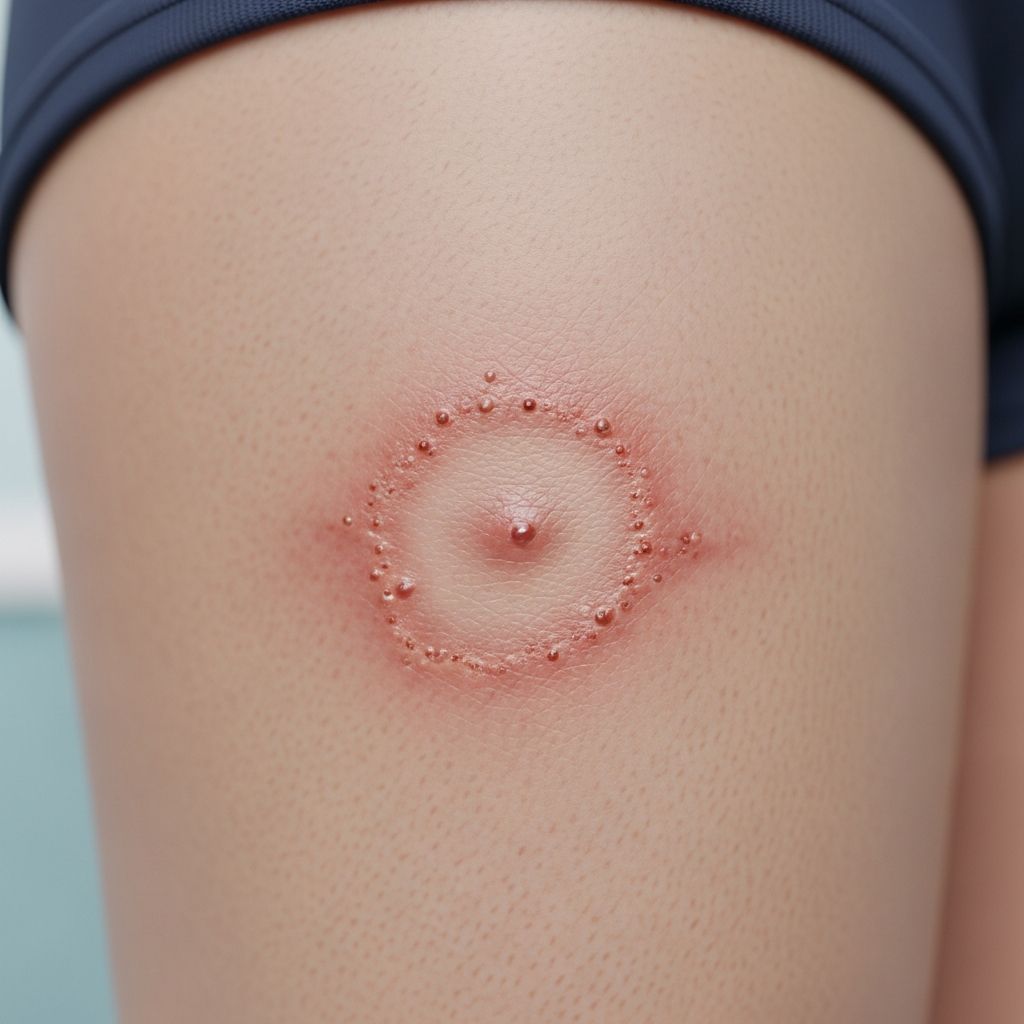
– Small bumps or blisters that may develop along the rash margins
– Skin irritation with color changes appearing red, purple, gray, tan, or white depending on skin tone
The rash typically presents with distinctive characteristics that aid in diagnosis. Many people notice a ring-shaped pattern, where the center begins to clear as the infection spreads outward—similar to classic ringworm presentations. The borders of the rash are often sharply defined and may be adorned with small blisters or pustules. The affected skin may become abnormally dark or light in color, and in some cases, these pigmentation changes can become permanent.
It’s important to note that symptoms can range from mild to serious, and early recognition enables prompt treatment intervention. The itching can be particularly bothersome at night or after physical activity when perspiration increases.
Causes and Risk Factors
Jock itch develops when dermatophytes colonize the outer layer of skin called the stratum corneum. Several factors contribute to fungal overgrowth in the groin region:
Environmental Factors:
– Excessive sweating from athletic activity or warm weather
– Prolonged moisture exposure in the groin area
– Friction from tight clothing or athletic wear
– Poor hygiene or infrequent clothing changes
– Sharing contaminated towels, clothing, or bedding
Personal Risk Factors:
– Male gender (significantly more common in men than women)
– Obesity or excess body weight
– Weakened immune system
– Diabetes or other metabolic conditions
– Previous fungal infections
– Poor personal hygiene practices
Related Stories



The fungus can survive on various surfaces, including bedding, clothing, and communal areas like locker rooms and swimming pools. Direct person-to-person contact is also a transmission route, making it essential to practice proper hygiene and avoid sharing personal items during active infection.
Diagnosis of Jock Itch
Healthcare providers typically diagnose jock itch through clinical examination and symptom review. Your healthcare provider will examine the affected groin area, looking for characteristic features including the distinctive rash pattern, scaly patches, blisters, and color changes.
Diagnostic Methods:
In most cases, visual examination combined with patient history provides sufficient information for diagnosis. However, if confirmation is needed or if the diagnosis remains uncertain, your healthcare provider may perform additional tests.
Potassium Hydroxide (KOH) Test: A healthcare provider may remove a small piece of affected skin (biopsy) and send it to a laboratory for analysis. The sample is treated with potassium hydroxide solution, which dissolves skin cells and allows fungal elements to become visible under microscopy. This test definitively confirms the fungal nature of the infection.
When Testing Is Recommended:
– Uncertain diagnosis based on appearance alone
– Treatment-resistant cases
– Recurrent infections
– Severe or extensive involvement
– Immunocompromised patients requiring definitive confirmation
Treatment Options for Jock Itch
The good news is that jock itch responds well to treatment when properly managed. Most cases resolve within one to eight weeks with appropriate therapy, depending on infection severity and treatment adherence.
Over-the-Counter Antifungal Treatments:
Over-the-counter antifungal medications are often effective for jock itch management. These products come in multiple formulations to accommodate different preferences:
– Topical creams and ointments
– Antifungal gels
– Medicated sprays
– Drying powders for moisture management
– Combination products with multiple active ingredients
Common active ingredients include clotrimazole, miconazole, tolnaftate, and terbinafine—all proven antifungal agents that eliminate dermatophyte overgrowth. These medications typically require twice-daily application for two to four weeks to achieve complete resolution.
Prescription Antifungal Medications:
When over-the-counter treatments fail to resolve the infection after two to three weeks, or in cases of extensive involvement, prescription-strength antifungal medications may be necessary. Your healthcare provider can prescribe more potent topical agents or, in severe cases, systemic oral antifungal medications that work throughout the body.
Critical Treatment Considerations:
One of the most important aspects of successful jock itch treatment is completing the full course of medication as prescribed, even after symptoms disappear. Many people discontinue treatment once itching and irritation fade, but fungal spores may persist in the skin. Incomplete treatment significantly increases the risk of recurrence, and reinfection tends to be more resistant to treatment.
Home Care and Self-Management Strategies
While antifungal medications are the primary treatment, complementary home care measures significantly enhance recovery and prevent recurrence:
Preventive Measures:
– Keep the groin area clean and completely dry after bathing
– Change out of sweaty clothing promptly after exercise
– Wear loose-fitting, breathable undergarments and clothing
– Avoid tight jeans, athletic wear, or synthetic fabrics that trap moisture
– Use antifungal or drying powders regularly after bathing
– Continue using drying powders even after infection clears to prevent recurrence
– Avoid scratching the affected area, as this spreads fungal spores to other body regions
– Wash towels, bedding, and clothing in hot water to eliminate fungal spores
– Disinfect personal items like nail clippers and grooming tools
These preventive strategies address the fundamental conditions that allow fungal overgrowth—moisture, warmth, and friction.
Duration and Contagiousness of Jock Itch
Understanding how long jock itch remains contagious is crucial for preventing transmission to others. Jock itch remains contagious as long as active fungal infection persists on your skin. If you have any visible symptoms—itching, rash, scaly patches, or blisters—you can potentially transmit the infection to others through direct contact or contaminated surfaces.
With proper treatment, jock itch typically clears within one to three weeks, though complete resolution may take up to eight weeks in stubborn cases. The infection becomes less contagious as treatment progresses and visible symptoms diminish, but spores can persist even after symptoms resolve, potentially causing recurrence or transmission if precautions aren’t maintained.
When to Seek Medical Attention
While many jock itch cases respond to home treatment, certain situations warrant professional medical evaluation:
Seek healthcare provider consultation if:
– Your rash is painful or accompanied by fever
– The rash hasn’t improved after two weeks of over-the-counter antifungal treatment
– Symptoms persist beyond three weeks despite consistent self-care efforts
– The infection spreads to other body areas including the abdomen, buttocks, or thighs
– You develop signs of secondary bacterial infection such as warmth, pus, or increased swelling
– The condition occurs in immunocompromised individuals
– You experience severe discomfort interfering with daily activities
Early professional intervention prevents complications and ensures appropriate treatment selection based on infection severity and individual factors.
Preventing Jock Itch Recurrence
Since jock itch can recur, especially in susceptible individuals, implementing ongoing preventive strategies is essential:
Long-Term Prevention:
– Maintain strict personal hygiene with daily groin washing
– Keep the groin area completely dry, especially after bathing or exercise
– Change clothes and undergarments immediately after sweating
– Wear breathable, loose-fitting clothing when possible
– Use antifungal or drying powders regularly as maintenance therapy
– Avoid sharing towels, clothing, or personal care items
– Use separate towels for different body areas
– Disinfect shower areas after use if living with others
– Maintain good overall hygiene and skin health
– Address underlying conditions like diabetes or immune system issues
For individuals prone to recurrent jock itch, continued application of antifungal or drying powders even when free of symptoms can prevent fungal overgrowth and maintain healthy skin balance in the groin area.
Frequently Asked Questions About Jock Itch
Q: Is jock itch contagious?
A: Yes, jock itch is contagious as long as you have active fungal infection. It spreads through direct skin-to-skin contact or contaminated surfaces like bedding and towels. The infection remains contagious while symptoms are present.
Q: Can jock itch go away on its own?
A: Jock itch doesn’t typically resolve without treatment. If left untreated, it can spread to other body areas and become more difficult to manage. Proper antifungal treatment is necessary for complete resolution.
Q: How long does jock itch take to heal?
A: With proper diagnosis and treatment, jock itch should resolve within one to eight weeks. Early treatment and consistent adherence to medication improve healing speed.
Q: Can women get jock itch?
A: While more common in men, jock itch can also affect women. The condition develops in warm, moist skin folds and can occur in anyone with appropriate risk factors and environmental conditions.
Q: What’s the difference between jock itch and other fungal infections?
A: Jock itch (tinea cruris) specifically affects the groin and inner thighs, while athlete’s foot (tinea pedis) affects the feet. Ringworm (tinea corporis) can affect other body areas. All are caused by dermatophytes but differ in location and presentation.
Q: Should I stop using antifungal medication once symptoms disappear?
A: No, it’s crucial to complete your full course of antifungal medication even after symptoms resolve. Stopping early allows fungal spores to persist and causes recurrence that’s harder to treat.
Q: Can scratching jock itch spread it to other areas?
A: Yes, scratching transfers fungal spores to other body parts. Avoid scratching and wash your hands after touching the affected area to prevent spread to other regions of your body.
Conclusion
Jock itch is an unpleasant but treatable fungal infection that affects many individuals, particularly athletes and those in warm, moist environments. While it’s itchy, uncomfortable, and potentially contagious, appropriate antifungal medications combined with proper hygiene and preventive measures effectively eliminate the infection. Following your healthcare provider’s treatment recommendations, completing your full medication course, and implementing ongoing preventive strategies ensure successful resolution and minimize recurrence risk. If over-the-counter treatments don’t provide improvement within two to three weeks, professional medical evaluation helps determine the need for prescription-strength therapy. With proper management, most jock itch cases resolve completely, restoring comfort and normal skin health to the affected area.
References
- Tinea Cruris — National Center for Biotechnology Information (NCBI) Bookshelf. 2024. https://www.ncbi.nlm.nih.gov/books/NBK554602/
- Jock Itch (Tinea Cruris): What It Is, Symptoms & Treatment — Cleveland Clinic. 2024. https://my.clevelandclinic.org/health/diseases/22141-jock-itch-tinea-cruris
- How to Recognize and Treat Jock Itch — Medical Educational Resources. 2024. https://www.youtube.com/watch?v=J5OMlvg2Eak
- Can Jock Itch (Tinea Cruris) Spread? — Healthline. 2024. https://www.healthline.com/health/is-jock-itch-contagious
- Jock Itch – Symptoms and Causes — Mayo Clinic. 2024. https://www.mayoclinic.org/diseases-conditions/jock-itch/symptoms-causes/syc-20353807
Similar Articles








Read full bio of Sneha Tete