Johns Hopkins Children’s Center Fellowship Programs
Premier pediatric fellowship training at Johns Hopkins Children's Center with world-class faculty and cutting-edge clinical programs.
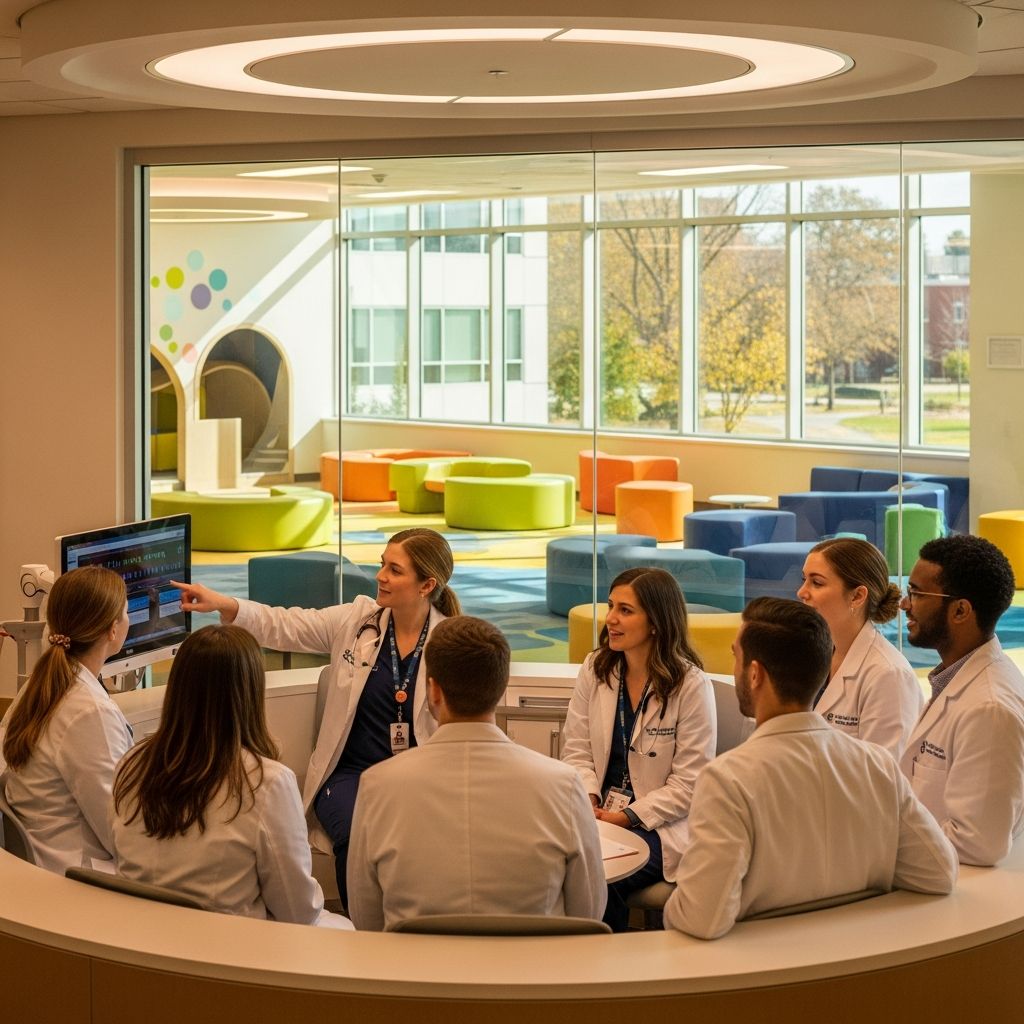
Johns Hopkins Children’s Center stands as a beacon of excellence in pediatric medical education, offering comprehensive fellowship programs that combine world-class clinical training with robust mentorship and research opportunities. The Office of Medical Education provides fellows with a dynamic, learner-centric environment that emphasizes not only the acquisition of advanced clinical skills but also excellence in scholarship and leadership development.
As one of the pioneers in graduate medical education, Johns Hopkins Medicine supports its fellowship programs with distinguished resources and a philosophy of innovative, individualized education. This approach enables trainees to chart their own educational course while benefiting from renowned academic faculty and state-of-the-art clinical facilities.
Overview of Fellowship Training at Johns Hopkins
The fellowship programs at Johns Hopkins Children’s Center represent a commitment to developing the next generation of pediatric leaders and clinicians. Each program is designed to meet the healthcare needs of children and families within the local community and beyond, with a focus on interdisciplinary collaboration and evidence-based practice.
What distinguishes Johns Hopkins fellowship programs from others is the genuine emphasis on education and mentoring. While fellows engage in significant clinical service and may work extended hours, the institutional culture prioritizes teaching and education alongside service delivery. The faculty at Johns Hopkins Children’s Center comprises leading experts in their respective fields, providing fellows with unparalleled access to mentorship and clinical expertise.
Fellows benefit from a robust infrastructure that supports scholarship through research and quality improvement initiatives. The institution recognizes that comprehensive professional development requires exposure to multiple career pathways and educational opportunities.
Distinctive Features of Johns Hopkins Fellowship Programs
Learner-Centric Educational Environment
The Office of Medical Education has cultivated a learning environment specifically designed to support fellow success. This environment fosters the development of clinical expertise while maintaining a focus on the holistic growth of each trainee as both a clinician and scholar.
Access to World-Class Faculty
Fellows train under the guidance of internationally recognized experts in pediatric medicine. The faculty commitment to education ensures that fellows receive personalized mentorship and guidance tailored to their individual career aspirations and learning needs.
Research and Scholarship Opportunities
Johns Hopkins maintains a distinguished reputation in biomedical research. Fellows have access to multiple research tracks, including the Clinical and Translational Research Track (CTRT), which focuses on developing passionate trainees and junior faculty on pathways toward independent investigation in child health and disease.
Quality Improvement and Patient Safety Focus
Hopkins has long been associated with quality improvement initiatives and patient safety excellence. Many fellowship programs, particularly pediatric hospital medicine, emphasize quality improvement methodology and leadership, preparing fellows to implement evidence-based practice changes throughout their careers.
Specific Fellowship Programs
Pediatric Hospital Medicine Fellowship
The Pediatric Hospital Medicine Fellowship Program at Johns Hopkins Children’s Center focuses on developing academic hospitalists equipped to improve patient care at both local and national levels. The program emphasizes quality improvement and patient safety, leveraging Hopkins’ close association with the Armstrong Institute for Patient Safety and Quality.
Related Stories



This fellowship provides fellows with comprehensive experience in patient management, resident supervision, and scholarly production. The program’s individualized curriculum allows fellows to explore specialized interests through coursework in public health, education, and quality improvement methodology. Upon graduation, fellows are prepared to work in academic medical centers, community settings, or industry positions.
Pediatric Critical Care Medicine Fellowship
The Pediatric Critical Care Medicine Fellowship offers a comprehensive, multidisciplinary approach to training in pediatric intensive care. This three-year program combines exceptional clinical experience with robust research opportunities and mentorship from leading critical care specialists.
Fellows at Johns Hopkins receive early clinical responsibilities and gain experience managing complex pediatric patients in the intensive care setting. The program’s research opportunities span laboratory investigations, clinical trials, advocacy initiatives, and quality improvement projects. Graduates of this program serve as leaders in pediatric critical care throughout the country, directing units and divisions while advancing the field through scientific discovery.
Pediatric Cardiology Fellowship
Located at the Bloomberg Children’s Center, the Pediatric Cardiology Fellowship provides specialized training in pediatric cardiac care. The program is accredited by the Accreditation Council for Graduate Medical Education (ACGME) and offers comprehensive clinical experience in both inpatient and outpatient settings.
Pediatric Rehabilitation Medicine Fellowship
The Pediatric Rehabilitation Medicine (PRM) Fellowship Program, offered through a partnership between Johns Hopkins and Kennedy Krieger Institute, provides one- and two-year programs depending on trainee experience and board certification requirements. This interdisciplinary program exposes fellows to diverse rehabilitation conditions and teaches collaborative team management principles.
PRM fellows follow their own patients in weekly pediatric rehabilitation clinics and rotate through specialized subspecialty clinics. Mentorship is provided by faculty from the Johns Hopkins Department of Physical Medicine and Rehabilitation and Kennedy Krieger Institute, including physicians trained in pediatric and adult rehabilitation medicine, pediatric hospitalists, neuropsychologists, and associated specialists in neurology, orthopedic surgery, and rehabilitation therapies.
Clinical Training Components
Inpatient and Outpatient Experience
Fellows gain extensive clinical exposure across diverse patient populations and settings. Inpatient rotations provide experience managing complex cases under faculty supervision, while outpatient clinics develop longitudinal patient care skills and continuity of care understanding.
Interdisciplinary Collaboration
Johns Hopkins emphasizes interdisciplinary teamwork as a core competency. Fellows learn to collaborate with specialists across multiple disciplines, understanding how various healthcare professionals contribute to comprehensive patient care. This approach prepares fellows to function effectively within modern healthcare systems.
Resident and Student Supervision
Many fellowship programs include responsibilities for teaching residents and medical students. These supervisory experiences develop leadership and communication skills essential for future academic careers.
Research and Scholarly Activities
Clinical and Translational Research Track
Fellows interested in research can participate in the Clinical and Translational Research Track (CTRT), an immersive program designed to develop and mentor passionate trainees and junior faculty. This track creates pathways toward independent, successful investigation in child health and disease.
Scholarly Projects and Mentorship
Each fellow participates in a scholarly project, working directly with faculty members on either fellow-initiated investigations or established research programs. This structured approach to scholarship ensures all fellows develop competency in research methodology and scholarly communication.
Multiple Research Pathways
Johns Hopkins offers numerous options for fellows pursuing research interests, including laboratory-based investigations, clinical trials, health services research, quality improvement projects, advocacy initiatives, education-focused projects, and global health opportunities.
Educational Resources and Support
Advanced Coursework Opportunities
Fellows have access to coursework through Johns Hopkins School of Medicine, School of Public Health, School of Education, and specialized institutes such as the Armstrong Institute for Patient Safety and Quality. This access enables fellows to pursue additional credentials or develop expertise in specialized areas.
Mentorship Programs
Formal mentorship programs pair fellows with experienced faculty who provide guidance in clinical practice, research, teaching, and professional development. Faculty demonstrate commitment to fellow success and invest time in individualized education.
Professional Development
Beyond clinical and research training, fellows receive support in career planning, professional networking, and leadership development. The institution recognizes that successful fellowship training requires attention to the whole clinician-scholar.
Geographic Location and Resources
Located in Baltimore, Maryland, Johns Hopkins Children’s Center benefits from proximity to Washington, D.C., and access to diverse research institutions and healthcare settings. The geographic location provides fellows with unique opportunities for collaboration, research partnerships, and career networking.
The institution’s tertiary care status and comprehensive service lines expose fellows to complex cases and rare conditions, providing exceptional clinical learning opportunities. Additionally, the location near the Chesapeake Bay creates a balanced quality of life, with opportunities for recreation and personal well-being outside of clinical training.
Accreditation and Quality Standards
Johns Hopkins fellowship programs maintain accreditation through appropriate regulatory bodies, including the Accreditation Council for Graduate Medical Education (ACGME). This accreditation ensures programs meet rigorous standards for curriculum, faculty, and trainee support.
The institution’s commitment to quality extends beyond accreditation to include continuous program improvement, regular feedback mechanisms, and evaluation of trainee outcomes. Programs track fellow success in board certification, academic careers, clinical practice, and other professional endeavors.
Career Outcomes and Graduate Success
Graduates of Johns Hopkins Children’s Center fellowship programs pursue diverse career pathways. Many enter academic medicine, directing units, divisions, and departments at leading institutions. Others establish successful clinical practices in community or specialty settings. Some fellows transition into healthcare administration, quality improvement leadership, or industry positions.
The strong training received at Johns Hopkins prepares graduates to excel regardless of their chosen career trajectory. Alumni network throughout the country, maintaining connections to their alma mater and contributing to the ongoing reputation of Johns Hopkins as a training institution of exceptional quality.
Application and Admission Process
Program-Specific Requirements
Each fellowship program maintains specific admission requirements, typically including board eligibility in relevant specialties, completion of appropriate residency training, and demonstrated commitment to academic medicine. Prospective fellows should review individual program requirements carefully.
Application Materials
Applicants generally submit curricula vitae, personal statements describing career goals and research interests, letters of recommendation from mentors and supervisors, and relevant test scores or certifications. Program-specific materials may include additional requirements such as supplementary essays or project proposals.
Evaluation Criteria
Programs evaluate applicants based on clinical competency, demonstrated research ability or potential, communication skills, leadership qualities, and alignment between applicant goals and program offerings. Interviews provide opportunities for mutual assessment between candidates and program leadership.
Frequently Asked Questions About Johns Hopkins Fellowships
Q: What is the typical duration of fellowship programs at Johns Hopkins Children’s Center?
A: Program duration varies by specialty. Most programs range from two to three years, though some specialized programs may offer flexible one- or two-year options depending on trainee background and certification requirements.
Q: Are research opportunities mandatory or optional in Johns Hopkins fellowships?
A: All fellows engage in some scholarly activity, typically including a formal scholarly project. However, the intensity and focus of research varies by program. Some programs offer dedicated research tracks for fellows with strong research interests, while maintaining clinical focus for those pursuing clinical careers.
Q: What support is available for fellows pursuing quality improvement projects?
A: Johns Hopkins provides extensive support through the Armstrong Institute for Patient Safety and Quality, including mentorship, methodology training, and resources for implementing practice improvement initiatives. Many programs specifically emphasize quality improvement as a core competency.
Q: How does Johns Hopkins support work-life balance during fellowship training?
A: While fellowship training involves significant clinical responsibilities, Johns Hopkins emphasizes education and mentorship alongside service. The institution recognizes the importance of sustainable practice and supports fellow well-being through reasonable scheduling, professional development time, and access to wellness resources.
Q: What career counseling and mentorship is available to fellows?
A: Each fellow is assigned a faculty mentor who provides guidance in clinical development, research, and career planning. Additional career counseling resources are available through the Office of Medical Education and program leadership.
Q: Can fellows customize their training based on career interests?
A: Yes, Johns Hopkins fellowship programs emphasize individualized education. Fellows can work with their mentors and program directors to develop curriculum plans aligned with their specific career goals, whether in academic medicine, clinical practice, global health, or other specialties.
Conclusion
Johns Hopkins Children’s Center fellowship programs represent an exceptional opportunity for pediatric physicians seeking comprehensive, high-quality training. The combination of world-class faculty mentorship, cutting-edge clinical training, robust research opportunities, and individualized educational planning creates an environment where fellows develop into outstanding clinicians and scholars.
Whether pursuing clinical expertise, research innovation, quality improvement leadership, or academic medicine, fellows at Johns Hopkins Children’s Center receive training that prepares them for successful, meaningful careers dedicated to advancing pediatric healthcare and improving outcomes for children and families.
References
- Johns Hopkins All Children’s Hospital Fellowship Programs Overview — Johns Hopkins Medicine. August 12, 2024. https://www.youtube.com/watch?v=1jmBU6r-J8o
- Pediatric Rehabilitation Medicine Fellowship Program — Kennedy Krieger Institute and Johns Hopkins University. 2024. https://www.kennedykrieger.org/training/programs/pediatric-rehabilitation-medicine-fellowship/about
- Pediatric Hospital Medicine Fellowship Program at Johns Hopkins Children’s Center — Johns Hopkins Medicine. August 1, 2024. https://www.youtube.com/watch?v=6-EoS3IHxq0
- Johns Hopkins University Pediatric Cardiology Fellowship Program — SPCTPD Directory. 2024. https://spctpd.org/Johns-Hopkins-University-Fellowship-Program
- Pediatric Critical Care Medicine Fellowship at Johns Hopkins Children’s Center — Johns Hopkins Medicine. August 2, 2024. https://www.youtube.com/watch?v=WZ8TxhpUMGI
- Accreditation Council for Graduate Medical Education (ACGME) Standards — ACGME. 2024. https://www.acgme.org
Similar Articles








Read full bio of medha deb