Johns Hopkins Echocardiographic Lab: Advanced Cardiac Imaging
State-of-the-art cardiac imaging and diagnostic excellence for heart health.
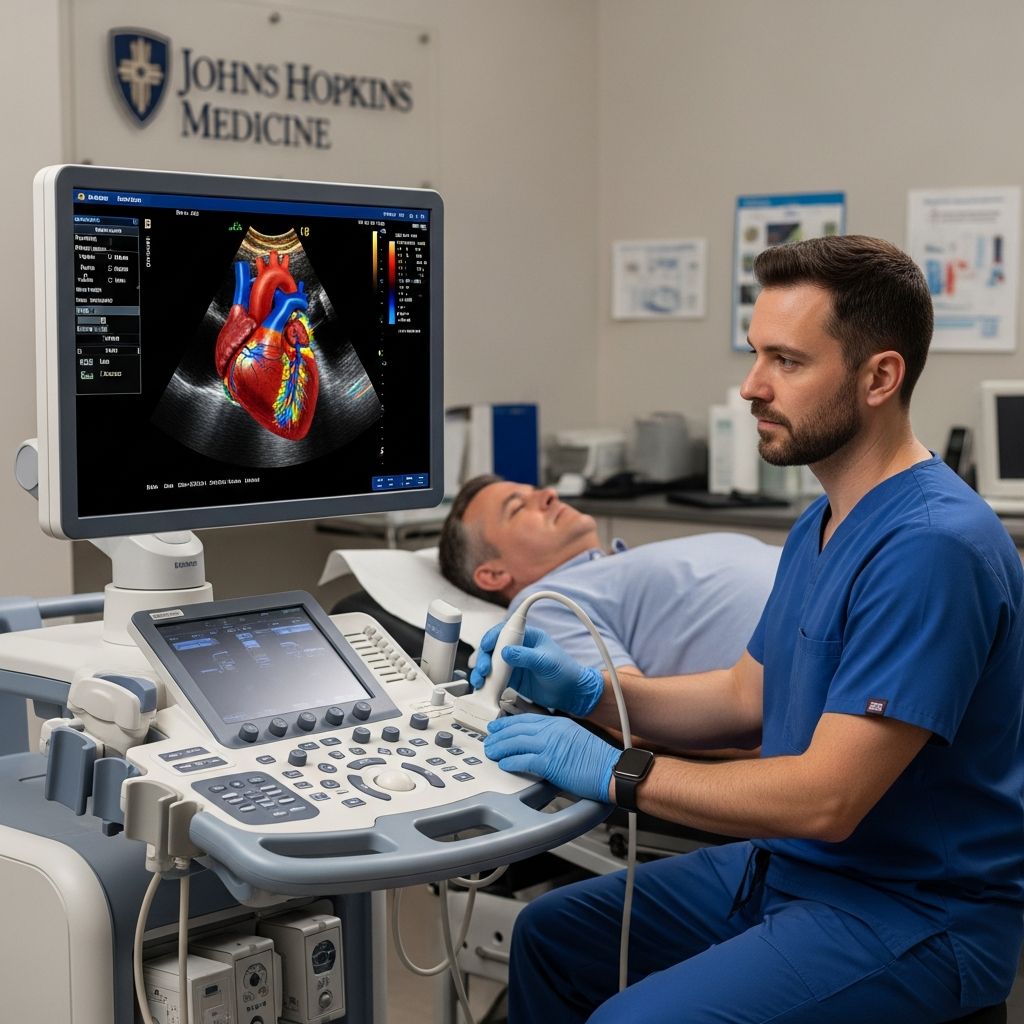
Johns Hopkins Echocardiographic Lab: Advancing Cardiac Diagnostics
The Johns Hopkins Hospital Echocardiographic Lab represents one of the most advanced cardiac imaging centers in the nation, combining cutting-edge technology with decades of clinical expertise. As a state-of-the-art facility, the echo lab has established a strong tradition of research excellence and clinical innovation in non-invasive cardiac imaging. The lab serves as a cornerstone of Johns Hopkins’ commitment to providing patients with the most advanced diagnostic tools and comprehensive cardiovascular care available in modern medicine.
Located within the Heart and Vascular Institute, the Echocardiographic Lab operates as a specialized diagnostic center dedicated to imaging the heart’s structure and function. The facility maintains the highest standards of quality assurance, leveraging sophisticated ultrasound technology and the expertise of board-certified cardiologists and specialized cardiac sonographers to deliver precise diagnoses and exceptional patient care.
Advanced Imaging Services and Capabilities
The Johns Hopkins Echocardiographic Lab offers a comprehensive range of imaging services designed to assess virtually every aspect of cardiac function and structure. These services provide physicians with detailed information essential for diagnosing heart disease, monitoring cardiac conditions, and guiding treatment decisions.
Transthoracic Echocardiography
Transthoracic echocardiography (TTE) represents the most common and non-invasive form of cardiac ultrasound imaging performed at the facility. This procedure uses ultrasound waves transmitted through the chest wall to create detailed images of the heart’s chambers, valves, and blood flow patterns. The lab’s state-of-the-art equipment and experienced sonographers ensure high-quality images that allow cardiologists to assess ventricular function, valve competence, and overall cardiac performance. TTE is particularly valuable for routine cardiac screening, follow-up monitoring, and initial diagnosis of heart conditions.
Transesophageal Echocardiography
Transesophageal echocardiography (TEE) provides superior visualization of cardiac structures by positioning the ultrasound transducer in the esophagus, which sits directly behind the heart. This advanced imaging modality offers exceptional image quality and is particularly useful for evaluating prosthetic valves, detecting blood clots, assessing complex cardiac anatomy, and guiding interventional procedures. The lab’s expertise in TEE procedures reflects its commitment to providing comprehensive diagnostic capabilities for complex cardiac cases.
Stress Testing and Stress Echocardiography
Stress echocardiography combines traditional echocardiography with cardiac stress testing to evaluate how the heart responds to increased physical demands. During this procedure, patients either exercise on a treadmill or receive medication to simulate exercise stress while undergoing real-time echocardiographic imaging. This technique reveals areas of the heart muscle that may not receive adequate blood flow during increased exertion, making it invaluable for detecting coronary artery disease and assessing cardiac reserve. The lab’s specialized equipment and trained personnel ensure safe, accurate stress testing protocols.
Research and Innovation in Cardiac Imaging
Beyond clinical diagnostics, the Echocardiographic Lab actively engages in groundbreaking research to advance the field of non-invasive cardiac imaging. The lab maintains research interests in several cutting-edge areas that promise to enhance diagnostic capabilities and improve patient outcomes.
Strain Imaging and Myocardial Analysis
Strain imaging represents one of the most significant advances in echocardiography, allowing sonographers to measure the deformation and motion of heart muscle with unprecedented precision. This technique uses specialized software to track minute changes in cardiac muscle contraction, revealing subtle dysfunction that may not be apparent on conventional imaging. The lab’s involvement in strain imaging research has contributed to improved detection of early cardiac dysfunction in various disease states, including cardiomyopathies, ischemic heart disease, and systemic conditions affecting the heart.
Three-Dimensional Imaging Technology
Advanced three-dimensional (3D) echocardiographic imaging provides volumetric data and spatial relationships that two-dimensional imaging cannot capture. The lab utilizes this technology to create comprehensive three-dimensional models of cardiac chambers and valves, enabling more accurate assessment of complex anatomy and guiding surgical and interventional planning. 3D imaging proves particularly valuable in evaluating valvular disease and planning transcatheter interventions.
Specialized Applications
The Echocardiographic Lab maintains active research programs in several specialized areas including cardiotoxicity assessment, transcatheter aortic valve replacements (TAVR), tricuspid and mitral valve interventions, and blood speckle imaging. These research initiatives position the lab at the forefront of cardiac imaging innovation and ensure that patients benefit from the most current diagnostic and therapeutic advances.
Core Laboratory Services for Clinical Research
The Echocardiographic Lab functions as a dedicated core laboratory for clinical research studies, providing comprehensive imaging services that support rigorous scientific investigation. This specialized role encompasses multiple dimensions of research support and quality assurance.
Protocol Development and Research Support
The lab collaborates with researchers to develop imaging protocols tailored to specific clinical research questions. Expert staff members work with investigators to design imaging strategies that capture relevant data while maintaining consistency and quality across multiple study subjects and sites. This collaborative approach ensures that research protocols generate reliable, reproducible data suitable for publication and regulatory submissions.
Onsite Training and Standardization
To maintain consistency in imaging quality across multi-center research studies, the lab provides onsite training to sonographers at participating institutions. This training ensures that all personnel follow standardized imaging techniques and protocols, minimizing variability and enhancing data reliability. The lab’s commitment to standardization reflects recognition that high-quality imaging data forms the foundation of rigorous clinical research.
Image Interpretation and Quality Assurance
The lab’s board-certified cardiologists provide expert interpretation of research echocardiograms, applying strict quality assurance standards to all imaging data. This rigorous quality control process ensures that only studies meeting the highest technical standards contribute to research databases. The lab maintains high-quality image storage systems that preserve imaging data in accessible formats while maintaining security and regulatory compliance.
Expert Staffing and Credentials
The excellence of the Johns Hopkins Echocardiographic Lab stems directly from its exceptional team of healthcare professionals. All staff members bring specialized training, advanced credentials, and decades of cumulative experience to their work.
Board-Certified Cardiologists
The lab’s physicians hold board certification in cardiology from the American Board of Internal Medicine, demonstrating comprehensive knowledge of cardiovascular disease and advanced cardiac imaging. Many cardiologists maintain subspecialty expertise in specific areas such as echocardiography, valvular disease, or heart failure, allowing them to provide sophisticated image interpretation and clinical correlation.
Specialized Cardiac Sonographers
Cardiac sonographers performing examinations at the Johns Hopkins Echocardiographic Lab maintain credentials through either the American Registry for Diagnostic Medical Sonography (ARDMS) or the Cardiovascular Credentialing International (CCI). These rigorous credentialing programs require extensive training, clinical experience, and successful completion of comprehensive examinations. Lead cardiac sonographers like Nicole Bavaro, RDCS, FASE, bring additional expertise through specialized certifications including the Echocardiography Sonographer Credential with Added Qualification in Stress Echocardiography (RDCS) and the Fellow of the American Society of Echocardiography (FASE) designation.
Nursing and Support Staff
Nurses and support personnel working in the echo lab have received specialized training in echocardiography procedures, patient care, and safety protocols. This comprehensive team approach ensures that patients receive not only excellent imaging services but also compassionate, knowledgeable clinical support throughout their experience.
Accreditation and Quality Standards
The Johns Hopkins Echocardiographic Lab maintains accreditation through the Intersocietal Accreditation Commission (IAC), an independent organization that establishes rigorous standards for cardiac ultrasound laboratories. This accreditation reflects the lab’s commitment to quality imaging, adherence to professional standards, and continuous quality improvement. IAC-accredited laboratories undergo intensive application and review processes, demonstrating excellence in equipment maintenance, personnel qualifications, safety protocols, and image quality standards.
The accreditation process includes comprehensive evaluations of technical equipment, personnel credentials, quality assurance procedures, and patient safety measures. By maintaining this prestigious accreditation, the Johns Hopkins Echocardiographic Lab assures patients and referring physicians that all services meet or exceed industry standards for excellence.
Patient Experience and Clinical Integration
The Echocardiographic Lab operates as an integrated component of the Johns Hopkins Heart and Vascular Institute’s comprehensive cardiac care system. Patients undergoing echocardiographic procedures benefit from seamless coordination with other cardiac services, including cardiology consultation, cardiac catheterization, and cardiac surgery.
The lab accommodates both inpatient and outpatient patients, with convenient scheduling and location within the main Johns Hopkins Hospital facility. For hospitalized cardiac patients, the lab’s integrated location facilitates rapid diagnostic assessment and immediate coordination with other cardiac services. Outpatient scheduling provides community members access to world-class diagnostic imaging in a convenient setting.
Frequently Asked Questions
Q: What is echocardiography and why might my doctor recommend it?
A: Echocardiography is an ultrasound examination of the heart that creates detailed images of the heart’s structure and function. Physicians recommend echocardiography to diagnose heart conditions, monitor existing heart disease, evaluate symptoms such as shortness of breath or chest pain, assess valve function, and guide treatment decisions. It provides essential information without radiation exposure or invasive procedures.
Q: What is the difference between transthoracic and transesophageal echocardiography?
A: Transthoracic echocardiography (TTE) uses an ultrasound probe on the chest surface to image the heart from outside the body. Transesophageal echocardiography (TEE) places the ultrasound probe in the esophagus to image the heart from behind, providing superior image quality for certain clinical situations. TEE requires patient sedation and is particularly useful for evaluating valve problems, detecting blood clots, and guiding procedures.
Q: Is echocardiography safe?
A: Yes, echocardiography is among the safest cardiac diagnostic procedures available. Transthoracic echocardiography uses harmless ultrasound waves and involves no radiation, contrast injection, or significant discomfort. It can be safely repeated as often as clinically necessary for monitoring purposes. Transesophageal echocardiography requires sedation but is generally well-tolerated with minimal complications in experienced centers.
Q: How long does an echocardiographic examination take?
A: A typical transthoracic echocardiogram requires approximately 30 to 45 minutes, including patient preparation and image acquisition. Transesophageal echocardiography typically takes 20 to 30 minutes of actual imaging time, though total appointment time may be longer due to sedation protocols and recovery time. Stress echocardiography may require 45 to 60 minutes depending on the protocol used.
Q: How can I contact the Johns Hopkins Echocardiographic Lab for more information?
A: The lab welcomes inquiries from patients and healthcare professionals. For additional information about services, research opportunities, or to schedule an examination, contact the lab at ncrl@jh.edu or call 410-614-3650. The lab is located at 1800 Orleans Street, Zayed Tower #4052, Baltimore, MD 21287.
Conclusion
The Johns Hopkins Echocardiographic Lab represents the pinnacle of cardiac imaging excellence, combining state-of-the-art technology with world-renowned expertise to advance both clinical care and cardiovascular research. Through comprehensive diagnostic services, commitment to quality, rigorous research initiatives, and exceptional staffing, the lab continues to set standards for excellence in non-invasive cardiac imaging. Whether serving patients requiring diagnostic evaluation, supporting complex clinical research, or advancing the frontier of cardiac imaging technology, the Johns Hopkins Echocardiographic Lab remains dedicated to improving cardiovascular health and advancing the field of cardiac medicine.
References
- NCRL (Echo Lab) – iLab Organizer — Johns Hopkins University, Agilent iLab. https://johnshopkins.ilab.agilent.com/service_center/show_external/3825
- Johns Hopkins Heart and Vascular Institute: The Patient Experience — Johns Hopkins Medicine. 2024. https://www.youtube.com/watch?v=s7a7jdLdhus
- Cardiology Services – Johns Hopkins Heart Center at GBMC — Johns Hopkins Medicine, GBMC. https://www.gbmc.org/services/cardiology
- Advanced Echo Detection of Heart Disease in Scleroderma — Johns Hopkins Rheumatology Division. 2016. https://www.hopkinsrheumatology.org/2016/07/echo-detection-of-cardiac-disease-in-scleroderma/
- Research Overview – PULSE Lab — Muyinatu Bell, Johns Hopkins University. 2024. https://pulselab.jhu.edu/research/
- JHAH Echocardiography Laboratory Achieves IAC Accreditation — Johns Hopkins HealthCare. 2024. https://www.jhah.com/en/news-events/in-focus/jhah-echocardiography-laboratory-achieves-accreditation
Similar Articles








Read full bio of medha deb