Johns Hopkins Radiology Residency Program
Transform your radiology career with world-class clinical training and mentorship at Johns Hopkins Medicine.
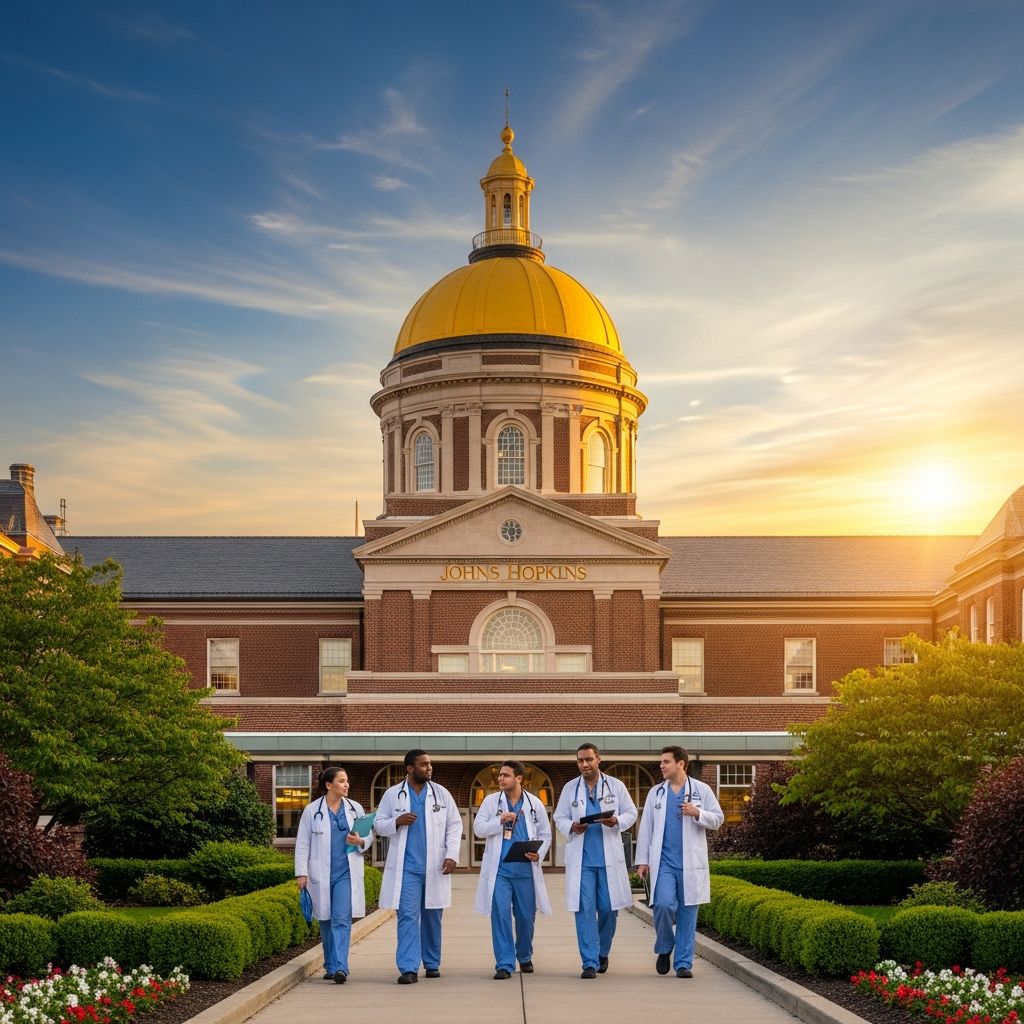
Johns Hopkins Diagnostic Radiology Residency Program
The Diagnostic Radiology Residency Program at Johns Hopkins Medical Institutions stands as a cornerstone of medical education, providing comprehensive training within the prestigious Russell H. Morgan Department of Radiology and Radiological Science. This program is dedicated to developing the next generation of radiology leaders through an exceptional blend of clinical training, scholarly research, and professional development opportunities. As part of Johns Hopkins Medicine, consistently ranked among the foremost medical institutions globally, residents benefit from state-of-the-art facilities, world-class faculty mentorship, and exposure to an extraordinarily diverse case volume that prepares them for successful careers in radiology.
Program Overview and Structure
The Diagnostic Radiology Residency at Johns Hopkins offers a five-year comprehensive training pathway designed to create skilled, compassionate, and innovative radiologists. The program operates within a supportive and collegial environment that emphasizes both academic excellence and resident wellbeing. With 13 PGY-2 positions available annually, the program maintains an optimal balance between educational quality and resident attention. The residency is structured to provide residents with meaningful involvement in program governance, including participation in scheduling decisions and the resident selection process, fostering a truly collaborative training atmosphere.
The program’s accreditation since July 2025 reflects its commitment to maintaining the highest standards of medical education and training excellence. Johns Hopkins radiology residents are encouraged to take on leadership roles that extend beyond clinical work, positioning them as future leaders in the field who will shape the future of radiology practice and education.
Comprehensive Curriculum and Clinical Rotations
The curriculum at Johns Hopkins is meticulously structured to provide extensive clinical exposure across all major radiology subspecialties. Residents encounter a remarkable diversity of cases and cutting-edge surgical techniques throughout their training, ensuring they develop comprehensive diagnostic skills across imaging modalities and clinical scenarios. The program meets all requirements of the American Board of Radiology (ABR) CORE exam, with protected morning conference time dedicated entirely to education and professional development.
Morning conferences represent a cornerstone of the educational experience, featuring subspecialty lectures and case conferences led by internationally recognized experts. These sessions occur without clinical responsibilities, allowing residents to fully engage with the material essential for board certification. The curriculum includes mandatory engagement with scholarly projects, with residents required to complete at least one significant research or academic inquiry during their training period.
Beyond the core curriculum, residents benefit from access to premium educational resources including STATdx, RADPrimer, and comprehensive online learning platforms. The department provides funding for conference attendance and presentations, enabling residents to share their work with the broader radiology community and build their professional networks while still in training.
Specialized Distinction Tracks and Leadership Development
One of the distinctive features of the Johns Hopkins Radiology Residency is the availability of specialized distinction tracks that allow residents to customize their training experience according to their professional interests and career goals. These tracks include:
– Research and scholarly inquiry- Medical education and curriculum development- Quality improvement initiatives- Innovation and entrepreneurship- Healthcare policy and administration- High-value consultant services and healthcare economics
Residents are actively encouraged to pursue leadership roles within the residency program, including positions such as Chief Resident, Director of Residency Research, Program Evaluation Committee member, and other committee chairmanships. These leadership opportunities provide practical experience in program administration, resident advocacy, and organizational development while contributing meaningfully to the residency’s continuous improvement. The program structure recognizes that today’s residents are tomorrow’s program directors and departmental leaders, and therefore invests in developing these leadership skills early in training.
Related Stories



Mentorship and Faculty Support
The Johns Hopkins Radiology Residency places exceptional emphasis on mentorship as a fundamental component of the educational experience. The program boasts an illustrious faculty comprising highly reputable and accomplished radiologists who are leaders in their respective subspecialties. These faculty members are committed to providing residents with unparalleled guidance and support throughout their training journey.
The mentorship culture at Johns Hopkins is proactive and highly invested, with faculty members taking personal interest in resident development and career planning. Regular meetings with department leadership provide platforms for residents to voice concerns, contribute ideas, and participate in program improvement. This collaborative approach ensures that residents feel supported not only in their academic pursuits but also in their personal and professional development. Many residents choose to engage in multiple scholarly projects beyond the minimum requirement, drawn by the exceptional mentorship culture and resources available.
State-of-the-Art Facilities and Technology
Residents at Johns Hopkins have access to state-of-the-art imaging facilities and advanced diagnostic equipment that represents the cutting edge of radiology technology. The department’s commitment to technological excellence ensures that residents train on the same equipment and platforms they will encounter in their future practices, providing immediate applicability of their training.
The resident learning environment extends beyond imaging equipment to include a well-appointed resident lounge equipped with educational materials, computers, and recreational amenities. Upon arrival, each resident receives an iPad to support their educational pursuits and facilitate access to online resources. This comprehensive technological infrastructure reflects the program’s commitment to creating an optimal learning environment.
Application Process and Requirements
Prospective applicants to the Johns Hopkins Diagnostic Radiology Residency must apply through the Electronic Residency Application Service (ERAS) and submit a comprehensive application package. Required documentation includes:
– USMLE Step 1 scores- Medical school transcripts- Three recommendation letters from supervising physicians- A personal statement articulating career goals and motivations- Curriculum vitae documenting academic and clinical achievements
The program application deadline is October 31st, with interview invitations typically dispatched by November 1st. Applicants are advised to submit applications early to maximize consideration. The program operates with NRMP codes 1242770A0, 1242770R0, and 1242420A0, depending on track selection. Prospective residents should note that Step 1 scores typically range from 255-270 for competitively successful applicants.
The program welcomes supplemental ERAS applications that allow candidates to provide additional information about their background, experiences, and specific interests within radiology. This opportunity enables applicants to present a more complete picture of their qualifications and fit with the program’s mission and values.
Diversity, Equity, and Inclusion Initiatives
Johns Hopkins Radiology is deeply committed to building a diverse and inclusive residency cohort that reflects the breadth of the populations served by the healthcare system. The program actively welcomes applications from underrepresented minorities in medicine and has implemented comprehensive DEI initiatives including dedicated lecture series, partnerships with national organizations supporting underrepresented medical students, and structured opportunities for underrepresented residents to engage in meaningful elective experiences.
The program strives to create a safe and empowering environment for all residents, fostering both personal and professional growth regardless of background. This commitment to inclusion and equity is reflected in the program’s hiring practices and ongoing support systems for residents from underrepresented backgrounds. The program recognizes that diversity strengthens the quality of training and better prepares residents to serve diverse patient populations with cultural competency and understanding.
Visa Support and International Medical Graduates
The Johns Hopkins Radiology Residency is notably friendly to international medical graduates (IMGs) and provides comprehensive visa sponsorship support. The program offers assistance in obtaining both J-1 exchange visitor visas and H-1B temporary work visas, opening opportunities for a global pool of qualified candidates to participate in the program. This support significantly enriches the resident cohort with diverse international perspectives and experiences.
IMGs and visa-sponsored residents receive the same comprehensive support and mentorship as U.S. medical graduates, ensuring equitable access to all program benefits and opportunities. The program’s commitment to supporting international residents reflects its recognition of the significant talent available in the global medical community.
Resident Wellbeing and Quality of Life
Beyond academic excellence, the Johns Hopkins Radiology Residency prioritizes resident wellbeing and quality of life. The program actively funds social and community-building events throughout the academic year, reinforcing collegial relationships and promoting a balanced residency experience. These events strengthen the bonds among residents and create a supportive community that extends beyond the clinical workspace.
The program provides substantial financial and logistical support to residents, including coverage for Maryland medical licensing fees, conference attendance funding, book allowances, meal vouchers, and other professional development expenses. Night call includes indirect supervision, balancing the educational value of night shifts with appropriate oversight and resident safety. This comprehensive approach to resident support acknowledges that successful radiology training requires attention to the whole person, not just clinical competency.
Competitiveness and Program Selectivity
The Diagnostic Radiology Residency at Johns Hopkins is highly competitive, attracting applicants from across the United States and internationally due to its renowned reputation and exceptional training opportunities. The program focuses on attracting a diverse pool of candidates and is known for being welcoming to both DO graduates and international medical graduates, promoting an inclusive approach to residency training.
Selection criteria extend beyond test scores and academic performance to include assessment of personal qualities such as integrity, compassion, communication skills, and fit with the program’s collaborative culture. The program seeks residents who not only demonstrate exceptional clinical potential but also embody the values of professionalism, collegiality, and commitment to excellence that characterize Johns Hopkins Medicine.
Post-Residency Training and Career Development
Johns Hopkins Radiology residents consistently pursue fellowship training at prestigious institutions, with a 100% fellowship placement rate reflecting both the quality of training provided and the reputation of the program within the radiology community. The strong foundation provided by the residency program positions graduates for successful careers in academic radiology, private practice, healthcare administration, and other diverse career paths within and beyond radiology.
Alumni of the Johns Hopkins Radiology Residency assume leadership positions throughout the United States and internationally, contributing to advancements in clinical practice, research, education, and healthcare policy. The program’s network of alumni serves as a valuable resource for current residents seeking mentorship, career advice, and professional connections.
Frequently Asked Questions
Q: What are the application deadlines for the Johns Hopkins Radiology Residency?
A: Applications must be submitted through ERAS by October 31st, with interview invitations typically extended by November 1st for the following academic year. Early submission is encouraged to maximize consideration.
Q: Does Johns Hopkins provide visa sponsorship for international medical graduates?
A: Yes, the program provides comprehensive visa sponsorship support including J-1 exchange visitor visas and H-1B temporary work visas for qualified international medical graduates.
Q: What research or scholarly requirements are part of the residency?
A: Residents are required to complete at least one scholarly project during their training, with many choosing to engage in multiple projects due to the exceptional mentorship and resources available. The program emphasizes research and academic inquiry as integral to radiologist development.
Q: Are there opportunities for leadership roles during residency?
A: Yes, residents are actively encouraged to pursue leadership positions such as Chief Resident, Director of Residency Research, and committee chairs, providing practical experience in program administration and professional development.
Q: What distinguishes Johns Hopkins Radiology from other programs?
A: The program offers an exceptional combination of hands-on clinical experience with diverse case volumes, close faculty mentorship, customizable distinction tracks, state-of-the-art facilities, and placement within one of the nation’s top medical institutions with access to Johns Hopkins’ extensive resources and research opportunities.
Q: What is the fellowship placement rate for Johns Hopkins radiology graduates?
A: Graduates of the Johns Hopkins Radiology Residency achieve a 100% fellowship placement rate, with alumni pursuing fellowships at prestigious institutions throughout the United States and internationally.
Q: Are there opportunities for residents to participate in program decision-making?
A: Yes, residents have significant involvement in program governance, including participation in scheduling decisions and the resident selection process, fostering a collaborative atmosphere and resident investment in program success.
References
- Johns Hopkins University School of Medicine Program in Diagnostic Radiology/Nuclear Medicine — Residency Advisor. 2025. https://residencyadvisor.com/program/johns-hopkins-university-school-of-medicine-program-diagnostic-radiologynuclear-medicine-baltimore-md
- Johns Hopkins University Program in Radiology-Diagnostic — Residency Advisor. 2025. https://residencyadvisor.com/program/johns-hopkins-university-program-radiologydiagnostic-baltimore-md
- Johns Hopkins Radiology Residency Program Overview — American Medical Association FREIDA. 2025. https://freida.ama-assn.org/program/4202311077
- The Art and Science of Radiology: Johns Hopkins Approach to Residency Training — Core Physics Review. 2024. https://corephysicsreview.com/post/blog/case-study-jhmi/
- Johns Hopkins Radiology Residency Program Information — Match a Resident. 2025. https://www.matcharesident.com/residency-programs/420-23-11-077
Similar Articles








Read full bio of Sneha Tete