Joint Dislocation: Types, Causes, Treatment & Prevention
Understanding dislocations: causes, symptoms, emergency care, and recovery options.
Understanding Joint Dislocations
A dislocation is a serious orthopedic injury where the bones in one of your joints are knocked or pushed out of their usual place. Unlike fractures, which involve broken bones, dislocations involve bones being displaced from their normal alignment within a joint. This traumatic injury can occur in virtually any joint in your body and typically requires immediate medical attention. Dislocations almost always happen during trauma or sports-related injuries, and they can be extremely painful while making it difficult or impossible to use the affected joint.
A joint is any place in your body where two bones meet. These are essential components of your skeletal system, and you have hundreds of joints throughout your body that support you from head to toe. When bones become dislocated, they can strain or tear the surrounding tissues, including ligaments, tendons, muscles, and nerves. This is why seeking professional medical care immediately after a suspected dislocation is crucial.
Types and Classification of Dislocations
Healthcare providers classify dislocations based on how far the bones in your joints have been moved from their normal position. Understanding these classifications helps determine the severity of your injury and the appropriate treatment approach.
Dislocations are categorized into different types depending on the degree of displacement. Complete dislocations occur when the bones are fully separated from their normal alignment, while partial dislocations involve incomplete displacement. Some dislocations may even correct themselves spontaneously, though they still require medical evaluation to assess for underlying damage.
Most Commonly Dislocated Joints
While dislocations can occur in any joint throughout your body, certain joints are more frequently affected than others due to their structure and the types of injuries people commonly experience:
- Shoulder joint (most common)
- Fingers and thumb
- Kneecap (patella)
- Elbow
- Hip
- Ankle
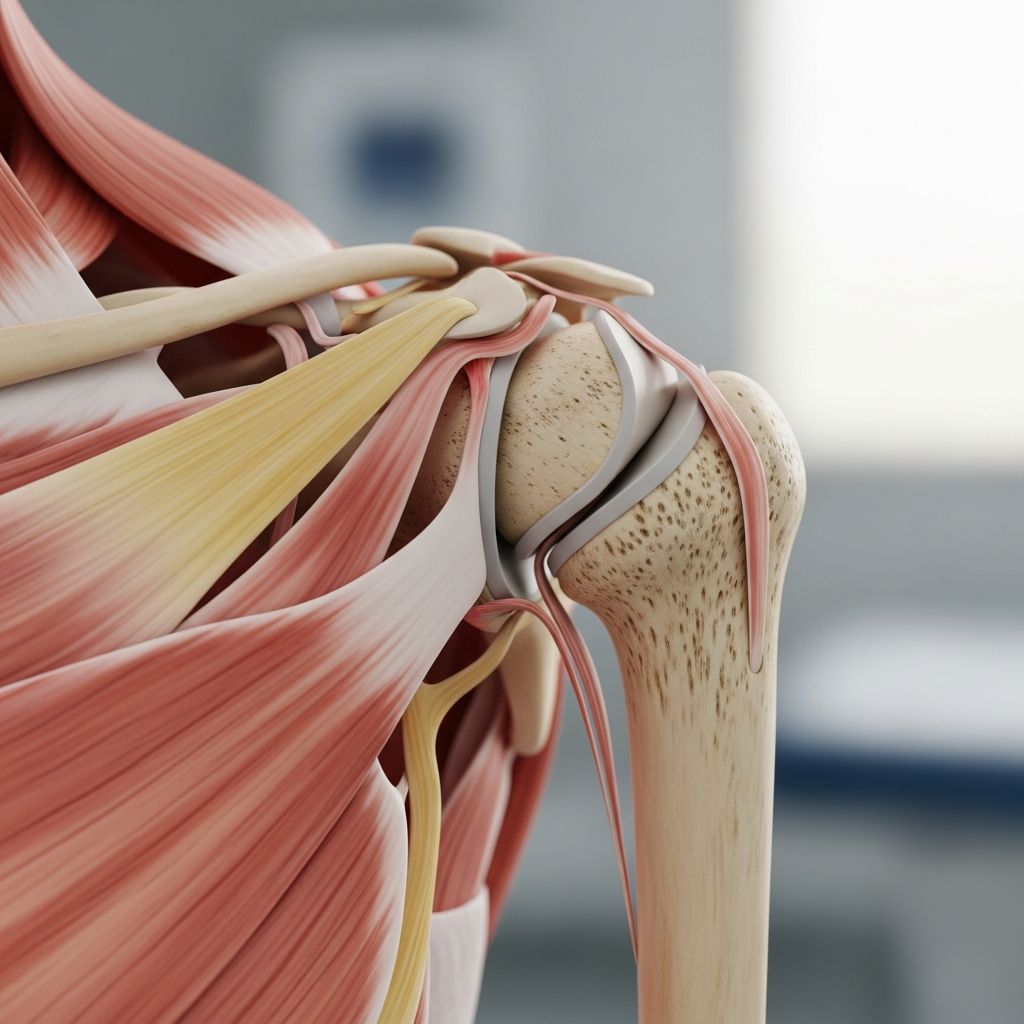
The shoulder is particularly vulnerable to dislocation because it is a ball-and-socket joint with a wide range of motion. This flexibility, while beneficial for movement, makes it more susceptible to displacement. Finger dislocations are also common, especially in athletes and individuals who participate in contact sports.
Common Symptoms of Dislocation
The symptoms of a dislocation can vary depending on which joint is affected and the type of dislocation you experience. However, certain signs are consistent across most dislocation injuries:
- Severe pain at the injury site
- Visible deformity or abnormal appearance of the joint
- Swelling and bruising around the joint
- Inability to move or use the affected joint
- Numbness, tingling, or weakness in the area
- Skin around the joint appearing pale or dusky
- Muscle spasms or involuntary contractions
If you experience any of these symptoms following an injury, seek emergency medical care immediately. Do not attempt to treat a dislocation at home or try to push the joint back into place.
Causes of Dislocations
Any force strong enough to push a joint out of place can cause a dislocation. The most common causes include:
Related Stories



- Sports injuries: Contact sports like football, basketball, and rugby frequently result in dislocations.
- Motor vehicle accidents: High-impact collisions can easily displace joints.
- Falls: Landing on an outstretched hand or falling directly on a joint can cause dislocation.
- Direct blows: Trauma from impact during accidents or altercations.
- Repetitive stress: Chronic overuse can weaken joint structures.
- Seizures: Severe muscle contractions during seizures can dislocate joints.
- Atraumatic dislocation: In highly flexible individuals, dislocations can occur without significant injury.
Understanding these causes can help you take preventive measures, particularly if you participate in high-risk activities.
Risk Factors for Dislocation
Certain groups of people are at higher risk of experiencing a dislocation:
- Athletes: Particularly those in contact sports or sports requiring explosive movements.
- Young individuals: Younger athletes have increased risk of recurrent dislocations.
- Highly flexible people: Those with hypermobility or connective tissue disorders.
- People with previous dislocations: The risk of recurrence increases significantly after a first dislocation.
- Individuals with joint instability: Loose ligaments and tendons increase vulnerability.
- People with certain genetic conditions: Conditions like Ehlers-Danlos syndrome or Marfan syndrome increase dislocation risk.
If you fall into one of these categories, taking appropriate precautions such as wearing protective equipment and maintaining muscle strength is especially important.
Complications Associated with Dislocations
Dislocations can cause significant damage to the bones and tissues surrounding your joint. The most common complications include:
- Bone fractures: The force that causes dislocation can also break bones in or around the joint.
- Ligament tears: The connective tissues that hold joints together can be severely damaged.
- Tendon injuries: Muscle tendons attached to bones can be stretched or torn.
- Nerve damage: Nerves can be stretched, compressed, or torn, causing numbness or weakness.
- Blood vessel injury: Vascular structures can be damaged, affecting blood flow to tissues.
- Hill-Sachs lesion: In shoulder dislocations, a dent can form on the ball of the humerus.
- Cartilage damage: Joint cartilage can be bruised or torn, potentially leading to post-traumatic osteoarthritis.
These complications can have long-term effects on joint function and may require additional treatment beyond the initial dislocation management.
Diagnosis of Dislocations
A healthcare provider will diagnose a dislocation through a combination of physical examination and imaging tests. During the physical exam, your provider will:
- Examine your joint and the surrounding area
- Ask about your symptoms and what you were doing before the injury
- Check for neurovascular compromise (nerve and blood vessel function)
- Assess your range of motion and stability
Your provider might need imaging tests to diagnose damage inside your body after a dislocation. Common imaging tests include:
- X-rays: The primary imaging tool to visualize bone position and identify fractures.
- CT scans: Provide detailed cross-sectional images of the joint and surrounding structures.
- MRI: Can reveal soft tissue damage, including ligament and tendon injuries.
- Ultrasound: Sometimes used to assess soft tissue structures.
X-rays are typically taken before and after relocation to confirm proper alignment and check for any fractures.
Treatment Options for Dislocations
The most important treatment for a dislocation is putting your joint back in its correct place. This process is called relocation, manipulation, or closed reduction. A qualified healthcare provider will carefully push and pull on the dislocated joint to move it back into alignment.
Closed Reduction Procedure
During closed reduction, your healthcare provider might give you anesthesia or sedatives (medications that make you sleepy or reduce pain) to make the procedure more comfortable. This is essential because the pain from a dislocation is often severe. After the joint is relocated, you’ll receive X-rays to confirm proper positioning and rule out fractures.
Post-Reduction Care
After your joint has been relocated, treatment continues with:
- Immobilization with a sling, splint, or cast to protect the joint during healing
- Ice application to reduce swelling and pain
- Pain management with over-the-counter or prescription medications
- Rest and activity modification during the healing phase
- Physical therapy and rehabilitation exercises
Surgical Treatment
Surgery may be necessary in certain situations:
- Recurrent dislocations that happen repeatedly
- Young athletes at high risk of re-injury with up to an 80% chance of recurrence in certain patient populations
- Significant damage to bones, ligaments, or tendons
- Cases where closed reduction is unsuccessful
Surgical options may include ligament repair or reconstruction to stabilize the joint and prevent future dislocations.
Recovery and Healing Timeline
It usually takes at least a few weeks to heal from a dislocation, though the exact timeline depends on the joint affected and the severity of associated injuries. Most simple dislocations without fractures or soft tissue damage may heal within 3-6 weeks with appropriate immobilization and rehabilitation. More complex injuries involving fractures or extensive tissue damage may require several months of recovery.
Physical therapy is crucial during recovery to restore strength, flexibility, and stability to the joint. Your healthcare provider will guide you through a progressive rehabilitation program tailored to your specific injury.
Prevention Strategies
While not all dislocations can be prevented, you can reduce your risk through several strategies:
- Use protective equipment: Wear appropriate pads, braces, or supports during sports.
- Strengthen your muscles: Strong muscles provide better joint stability and support.
- Improve flexibility: Regular stretching and conditioning improve joint mobility.
- Practice proper technique: Learn correct form for sports and physical activities.
- Avoid high-risk activities: If you have a history of dislocations, discuss activity limitations with your provider.
- Maintain a healthy weight: Excess weight increases stress on joints.
- Wear appropriate footwear: Proper shoes reduce risk of ankle and lower extremity injuries.
When to Seek Emergency Care
It is absolutely critical to go to the emergency room immediately if you suspect a dislocation. Do not attempt to treat this at home or try to reposition the joint yourself. Never let anyone other than a qualified healthcare provider push your joint back into place.
If possible, go to the emergency room rather than an urgent care or other clinic. The ER is the best place because healthcare providers can get you any imaging tests and medications needed before and after they put your joint back into alignment. The combination of immediate professional care, proper imaging, and access to anesthesia makes the emergency room the appropriate setting for dislocation treatment.
Specific Types of Dislocations
Shoulder Dislocation
The shoulder is the most commonly dislocated joint. Shoulder dislocations can be very painful and make it impossible to move your arm. The most important treatment is getting your arm back into its socket through closed reduction or manipulation. Never try to pop your shoulder back in place on your own.
Patellar Dislocation
A dislocated kneecap occurs when your kneecap pops sideways out of its vertical groove. Treatment starts with resting your knee, avoiding walking or physical activities, using ice packs, and taking pain relievers. Your healthcare provider may use several different treatment methods depending on the severity.
Elbow Dislocation
A dislocated elbow happens when any of the three bones in your elbow joint are knocked out of place. This injury can be very painful and make it hard or impossible to move your elbow. Immediate emergency care is necessary.
Frequently Asked Questions
Q: What should I do immediately after I suspect a dislocation?
A: Stop all activity immediately and go to the emergency room right away. Do not attempt to push or manipulate the joint back into place. If possible, immobilize the affected area and apply ice to reduce swelling while waiting for emergency care.
Q: Can I treat a dislocation at home?
A: No, you should never attempt to treat a dislocation at home. A qualified healthcare provider must relocate the joint. Attempting self-treatment can cause additional damage to bones, nerves, and blood vessels.
Q: How long does it take to recover from a dislocation?
A: Recovery typically takes at least a few weeks, but the exact timeline depends on which joint is affected and whether there are associated injuries. Most simple dislocations heal within 3-6 weeks, while complex injuries may take several months.
Q: Will I need surgery for my dislocation?
A: Not all dislocations require surgery. Surgery is typically recommended for recurrent dislocations, young athletes at high risk of re-injury, or cases where closed reduction is unsuccessful or significant tissue damage has occurred.
Q: What are the chances of my dislocation happening again?
A: The risk of recurrence depends on several factors, including your age, the joint affected, and the severity of the initial injury. Young athletes can have up to an 80% chance of recurrence in certain patient populations without appropriate treatment or prevention strategies.
Q: Can I prevent dislocations?
A: While not all dislocations can be prevented, you can reduce your risk by using protective equipment, maintaining muscle strength and flexibility, practicing proper technique, and avoiding high-risk activities if you have a history of dislocations.
Q: Is physical therapy necessary after a dislocation?
A: Yes, physical therapy is crucial for recovery. It helps restore strength, flexibility, and stability to the joint and is essential for preventing recurrent dislocations.
References
- Dislocation: Types, Treatment & Prevention — Cleveland Clinic. 2023-03-01. https://my.clevelandclinic.org/health/diseases/17873-dislocation
- Dislocated Shoulder: Causes, Treatment & Prevention — Cleveland Clinic. 2023. https://my.clevelandclinic.org/health/diseases/17746-dislocated-shoulder
- Dislocated Elbow: Symptoms and Treatment — Cleveland Clinic. 2023-05-11. https://my.clevelandclinic.org/health/diseases/17942-dislocated-elbow
- Dislocated Kneecap (Patella Dislocation) — Cleveland Clinic. 2025-01-22. https://my.clevelandclinic.org/health/diseases/21633-patellar-dislocations
- Patellar Dislocation in Adolescent Patients — PubMed Central, National Institutes of Health. 2024. https://pmc.ncbi.nlm.nih.gov/articles/PMC11087140/
- Shoulder Dislocation: How It Happens + 5 Things To Do if You Suspect It — Cleveland Clinic. https://health.clevelandclinic.org/shoulder-dislocation-how-it-happens-5-things-to-do-if-you-suspect-it
Similar Articles








Read full bio of medha deb