Joint Pain: Causes, Symptoms & Treatment
Understanding joint pain: causes, symptoms, diagnosis, and effective treatment options for relief.
Understanding Joint Pain
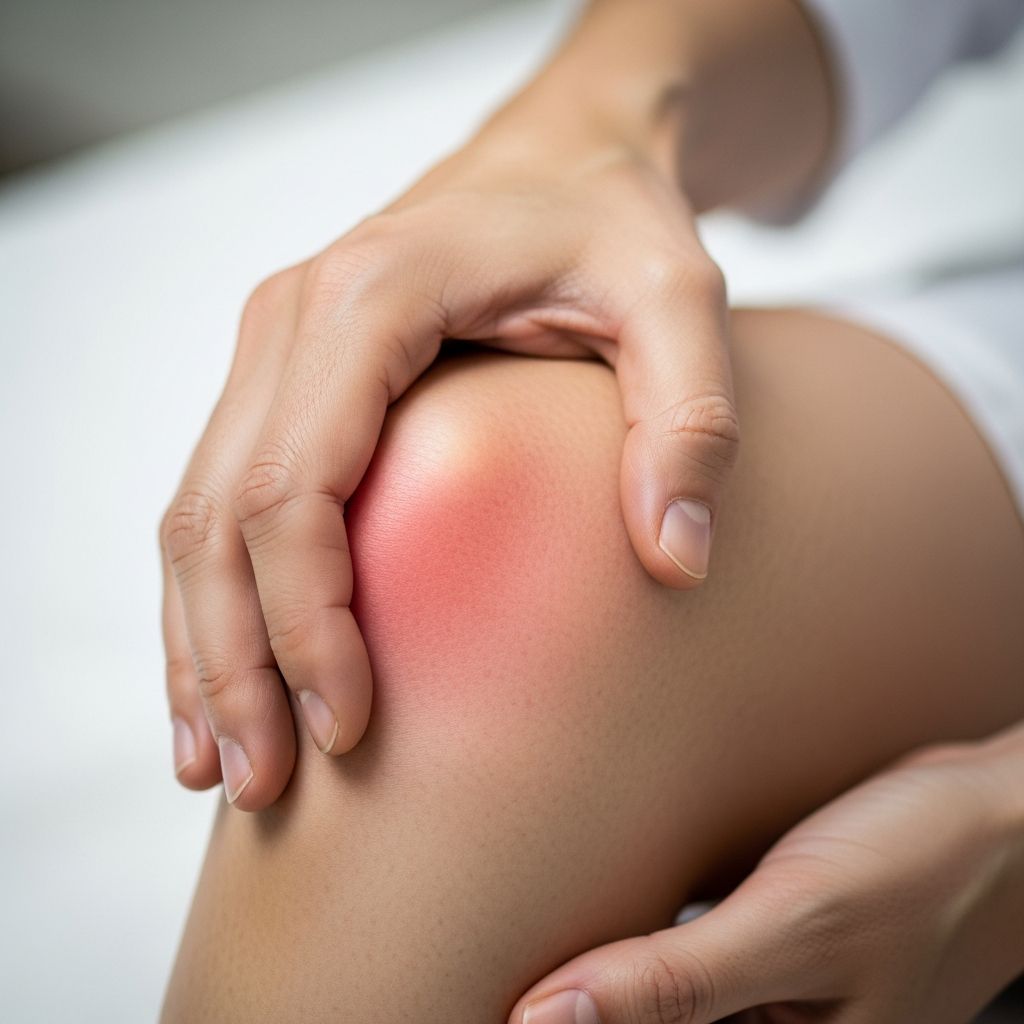
Joint pain is discomfort that can be felt in the joints throughout your body. It may be a symptom of many different health conditions, with arthritis being the most common cause. There are more than 100 kinds of arthritis, each potentially causing varying levels of joint discomfort. Joint pain may range from mild to severe, and treatments vary from simple at-home care to surgical intervention, depending on your specific condition and its severity.
Joint discomfort is particularly common and usually felt in your hands, feet, hips, knees, or spine. The pain in your joints may be constant, or it can come and go intermittently. Sometimes, your joints can feel stiff, achy, or sore, and some people describe a burning, throbbing, or “grating” sensation. Many individuals notice that their joints feel stiff in the morning but loosen up and feel better with movement and activity. However, too much activity could potentially make your pain worse.
Impact on Daily Life
Joint pain may affect the function of your joints and can significantly limit your ability to perform basic tasks. Severe, painful joints can interfere with your quality of life, making even routine activities challenging. The discomfort can prevent you from working, exercising, socializing, or enjoying hobbies you love. This is why treatment should focus not only on pain relief but also on getting you back to your daily activities and helping you live your life to the fullest.
Common Causes of Joint Pain
Understanding what causes your joint pain is essential for developing an effective treatment plan. The most common causes of joint pain include:
– Arthritis (osteoarthritis, rheumatoid arthritis, and other types)- Injuries such as sprains, strains, or fractures- Overuse or repetitive strain injuries- Inflammatory conditions- Infections, including viral infections- Autoimmune diseases- Degenerative joint disease
Injuries, such as broken bones or sprains, can also cause immediate joint pain. Additionally, viral infections, rash, or fever may make joint movement painful. Post-traumatic arthritis can develop after a traumatic injury to a joint, causing inflammation, swelling, and pain that may develop within weeks or months rather than years.
Symptoms and Warning Signs
Joint pain symptoms can range from mild to disabling. When cartilage breaks down or deteriorates, bones may rub directly against each other as your joint moves, leading to various uncomfortable sensations. Symptoms can include:
– Pain during movement or at rest- Stiffness, particularly in the morning- Swelling or inflammation around the joint- Redness or warmth in the affected area- Decreased range of motion- A “grating” or grinding sensation- Weakness or instability in the joint- Numbness or tingling sensations
It’s important to recognize that joint pain can present differently depending on the underlying cause. Some conditions cause gradual onset of symptoms over years, while others, like post-traumatic arthritis, can develop rapidly following an injury.
Related Stories



When to See a Healthcare Provider
If pain is interfering with your daily life activities, it’s time to talk to a healthcare provider about the problem. It’s important to diagnose the cause of your pain quickly and begin treatment to relieve pain and maintain healthy, functioning joints. You should see a provider if:
– Your joint pain persists for more than a few weeks- The pain is severe and significantly impacts your daily activities- You experience sudden swelling, redness, or warmth- The joint feels unstable or gives way- You have difficulty moving the joint- The pain follows an injury- You notice symptoms affecting multiple joints- Home care remedies are not providing relief
Diagnostic Process
During your appointment, your healthcare provider will ask many questions to figure out what may be causing your pain. You should be ready to answer questions about:
– When the pain started and how it has progressed- Which joints are affected- Whether the pain is constant or intermittent- What activities make the pain better or worse- Any injuries or trauma to the joint- Your family history of arthritis or joint conditions- Other symptoms you may be experiencing- Current medications and supplements- Your lifestyle and activity level
Your provider will perform an examination of the affected joint to see if there’s pain or limited motion. They’ll also look for signs of injury to your surrounding muscles, tendons, and ligaments. This physical examination helps your provider understand the range of motion in your joint and whether there are any structural abnormalities.
Testing and Imaging
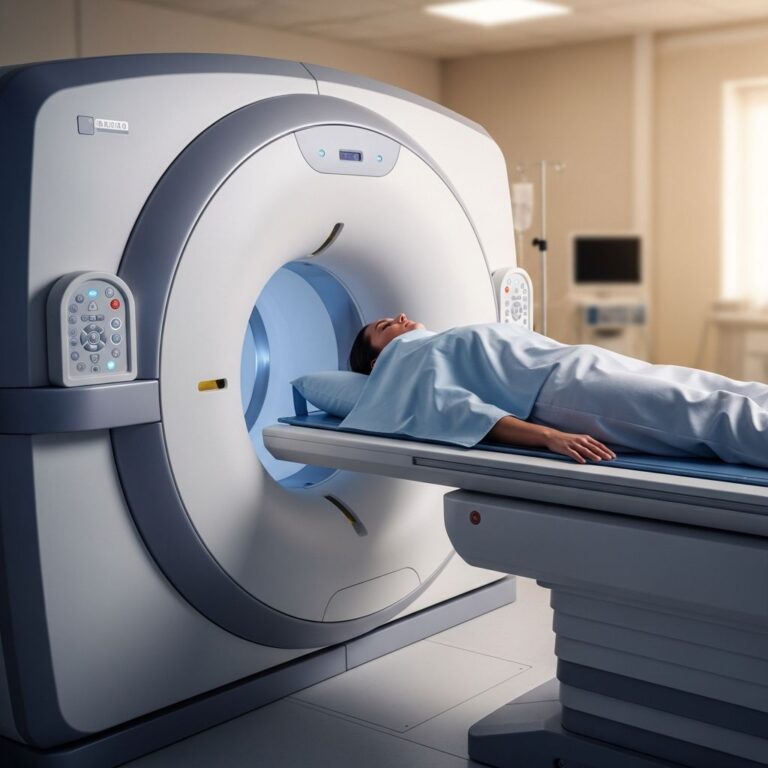
If necessary, your provider may also order X-rays or blood tests. X-rays can show if there’s joint deterioration, fluid in your joint, bone spurs, or other issues that may be contributing to your pain. Blood tests will help confirm a diagnosis or rule out other diseases that may be causing your pain. Additional imaging like MRI or ultrasound may be ordered depending on your symptoms and initial findings.
Treatment Options
The most important goal of treating joint pain is to reduce pain and swelling while maintaining or improving joint function. The long-term goal of treatment is to slow or stop joint damage. Managing joint inflammation reduces your pain and improves your quality of life. Treatment approaches vary based on the underlying cause of your joint pain:
At-Home Care
– Rest and activity modification- Ice or heat therapy- Compression using bandages or wraps- Elevation of the affected joint- Over-the-counter pain relievers- Gentle stretching and range-of-motion exercises
Medical Treatments
– Prescription medications for pain and inflammation- Physical therapy and rehabilitation- Corticosteroid injections- Joint injections with hyaluronic acid- Anti-inflammatory medications
Surgical Options
– Arthroscopy for joint cleaning and repair- Joint replacement surgery for severe cases- Fusion surgery to stabilize joints
Understanding Different Types of Arthritis
Osteoarthritis
Osteoarthritis is a type of arthritis that happens when cartilage in your joints wears down. Without that slippery, smooth shock absorber, your joints can feel stiff, painful, or like they’re grinding together when you use them. Osteoarthritis usually develops slowly as you age, and around 60% of people with osteoarthritis have symptoms they can notice or feel.
Rheumatoid Arthritis
Rheumatoid arthritis (RA) is a chronic autoimmune disease that causes pain, swelling, and stiffness in the lining of your joints. It most commonly affects the joints in your fingers, hands, wrists, knees, ankles, feet, and toes. RA usually occurs in the same joints on both sides of your body. Uncontrolled inflammation damages cartilage and can lead to joint deformation and bone erosion.
Post-Traumatic Arthritis
Post-traumatic arthritis develops after a traumatic injury to your joint and causes inflammation, swelling, and pain. It’s usually temporary and easy to treat at home, though it can develop within weeks or months rather than years. When it lasts more than six months, it’s considered a chronic condition.
Lifestyle and Prevention Strategies
While not all joint pain is preventable, certain strategies can help reduce your risk or manage existing pain:
– Maintain a healthy weight to reduce stress on joints- Stay physically active with low-impact exercises- Use proper form during exercise and daily activities- Take breaks to avoid overuse injuries- Wear supportive footwear- Apply ice or heat as needed for symptom management- Stay hydrated and maintain a nutritious diet- Practice stress reduction techniques- Protect joints during physical activities
Frequently Asked Questions
Q: What is the difference between acute and chronic joint pain?
A: Acute joint pain typically develops suddenly following an injury and usually resolves within a few weeks or months with proper treatment. Chronic joint pain persists for more than three months and may come and go over time, often related to underlying conditions like arthritis.
Q: Can joint pain be completely cured?
A: This depends on the underlying cause. Some joint pain from injuries can fully resolve with proper treatment. However, arthritis and other degenerative conditions are typically managed rather than cured, with the goal being to reduce pain and slow progression.
Q: How long does it take for treatments to work?
A: The timeline varies depending on your condition and treatment type. Some at-home remedies provide relief within days, while medications may take several weeks to show full effects. Physical therapy benefits accumulate over several weeks to months of consistent practice.
Q: Are there natural remedies for joint pain?
A: While some people find relief through natural approaches like heat therapy, massage, and certain supplements, it’s important to consult with your healthcare provider. Natural remedies should complement, not replace, medical treatment, especially for serious conditions.
Q: Can I exercise with joint pain?
A: Gentle, appropriate exercise can actually help manage joint pain by maintaining strength and flexibility. However, you should avoid activities that increase pain. Your healthcare provider or physical therapist can recommend safe exercises tailored to your condition.
Q: Why is early diagnosis important for joint pain?
A: Early diagnosis and treatment can prevent permanent joint damage, slow disease progression, and improve your long-term outcomes. The sooner you receive appropriate treatment, the better you can maintain joint function and quality of life.
Taking Action: Your Path to Relief
Joint pain can be seen as a red flag—your body’s way of signaling that something’s not quite right. Despite this warning, it’s not always easy to figure out why you’re in pain and how to fix it. If you’ve been experiencing joint pain, see your healthcare provider. They’ll ask you lots of questions to try to determine what’s going on. It may take some time and a little bit of trial and error, but eventually, you should start to feel some relief and be able to get back to the things you love.
Remember that effective management of joint pain requires a comprehensive approach that may include medical treatment, lifestyle modifications, and ongoing communication with your healthcare team. By taking action early and following your provider’s recommendations, you can significantly improve your symptoms and maintain an active, fulfilling life.
References
- Joint Pain: Causes & Treatment — Cleveland Clinic. 2024. https://my.clevelandclinic.org/health/symptoms/17752-joint-pain
- Arthritis: Symptoms, Causes, Types, Treatment & Prevention — Cleveland Clinic. 2024. https://my.clevelandclinic.org/health/diseases/12061-arthritis
- Osteoarthritis: Symptoms, Causes and Treatment — Cleveland Clinic. 2023. https://my.clevelandclinic.org/health/diseases/5599-osteoarthritis
- Rheumatoid Arthritis (RA): Symptoms, Stages & Treatment — Cleveland Clinic. 2024. https://my.clevelandclinic.org/health/diseases/4924-rheumatoid-arthritis
- Post-Traumatic Arthritis: What It Is, Symptoms & Treatment — Cleveland Clinic. 2025. https://my.clevelandclinic.org/health/diseases/14616-post-traumatic-arthritis
- Musculoskeletal Pain: What It Is, Symptoms, Treatment & Types — Cleveland Clinic. 2024. https://my.clevelandclinic.org/health/symptoms/musculoskeletal-pain
Similar Articles








Read full bio of medha deb