Jojoba Oil Benefits: 11 Proven Skin And Hair Uses
Discover the science-backed benefits of jojoba oil for moisturizing skin, fighting acne, soothing inflammation, and enhancing hair health.
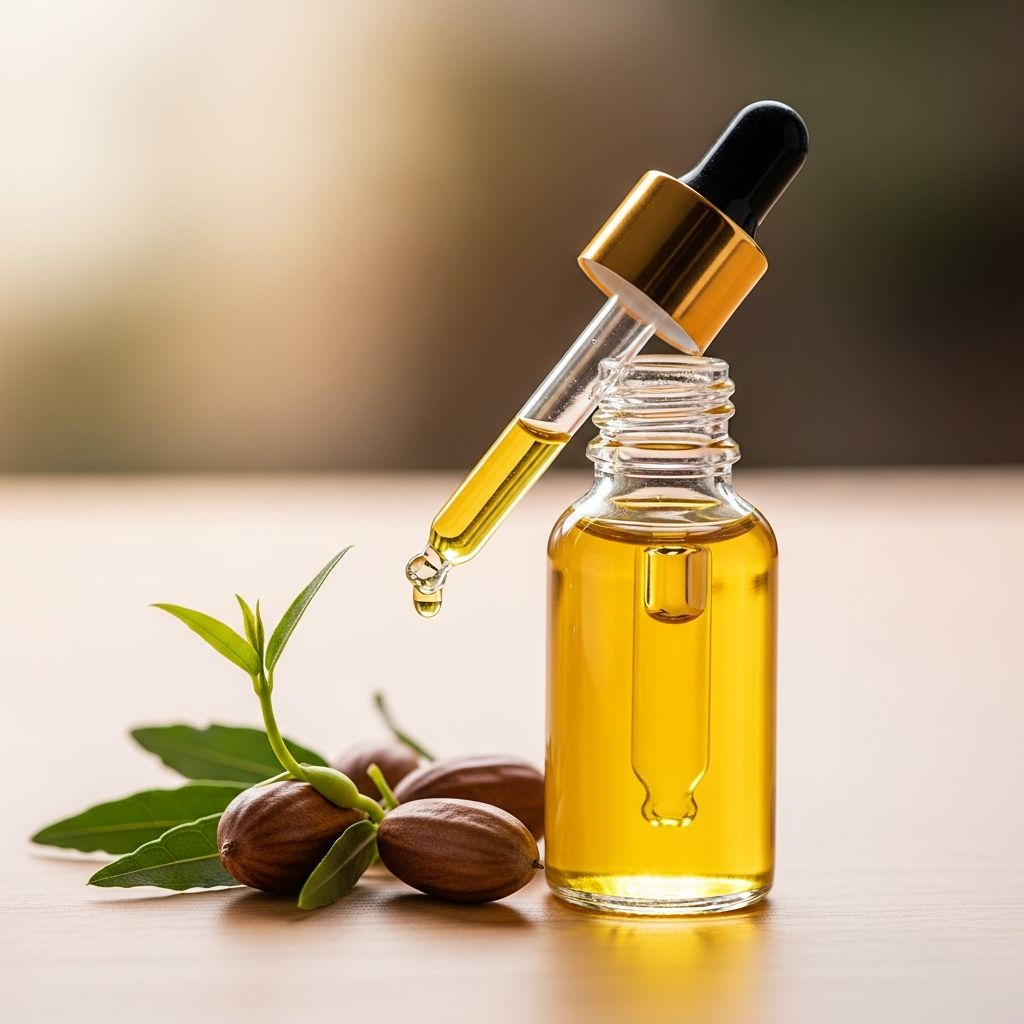
Jojoba oil, derived from the seeds of the Simmondsia chinensis plant native to North America, closely mimics human sebum, making it an exceptional natural moisturizer for skin and hair. Rich in antioxidants, vitamins, and unique long-chain fatty acids, it provides anti-inflammatory, antibacterial, and wound-healing properties supported by research.
What Is Jojoba Oil?
Jojoba oil is technically a liquid wax ester extracted from the seeds of the jojoba shrub, an evergreen perennial thriving in arid regions. Unlike true vegetable oils, its composition—primarily long-chain fatty acids like oleic and arachidonic acids—closely resembles the skin’s natural sebum, allowing superior absorption without clogging pores. It contains high levels of vitamin E (about 79% of its vitamins), vitamin B complex, copper, zinc, and antioxidants that combat free radicals and oxidative stress.
Native Americans have used jojoba oil for centuries to treat wounds, skin conditions, and scalp issues. Modern studies confirm its pharmacological versatility, including antioxidant, anti-inflammatory, anti-acne, and antipsoriasis effects. Its non-comedogenic nature makes it suitable for all skin types, including oily and acne-prone.
11 Benefits of Jojoba Oil
Research and expert insights highlight jojoba oil’s multifaceted benefits for skin and hair. Here are the key advantages:
- Moisturizes skin: Acts as a humectant, locking in moisture and preventing dryness without greasiness.
- Antibacterial properties: Inhibits bacteria like Staphylococcus aureus, aiding acne and infection prevention.
- Anti-inflammatory effects: Reduces edema, pain from burns, and chronic inflammation via COX-2 and lipoxygenase inhibition.
- Antioxidant protection: Vitamin E and other compounds fight free radicals, reducing oxidative stress.
- Promotes wound healing: Accelerates closure, stimulates collagen in fibroblasts.
- Reduces acne: Dissolves comedones, balances sebum production.
- Soothes eczema and psoriasis: Restores skin barrier, reduces flaking and itch.
- Anti-aging: Boosts collagen, improves elasticity, fades fine lines.
- Relieves sunburn: Soothes pain, promotes healing as a superficial wound treatment.
- Strengthens hair: Conditions scalp, prevents breakage, treats dandruff.
- Enhances cuticle health: Softens and nourishes nails.
Benefits of Jojoba Oil for Skin
Moisturizes Skin
Jojoba oil’s wax-like structure forms a breathable barrier that mimics sebum, preventing transepidermal water loss while allowing skin to breathe. Its spectrum of short- and long-chain fatty acids works synergistically for deep hydration, ideal for dry or flaky skin. Studies show it softens skin, improves elasticity, and prevents flakiness.
Has Antibacterial Properties
Lab tests demonstrate jojoba oil’s ability to prevent growth of skin-infecting bacteria, including Staphylococcus aureus. This makes it effective for sores, wounds, and acne prevention, enhanced by its vitamin E content that speeds healing and minimizes scars.
Is Anti-Inflammatory
Rich in anti-inflammatory compounds, jojoba oil blocks cyclooxygenase II and lipoxygenase enzymes, reducing acute and chronic skin inflammation. Animal studies confirm it alleviates edema and prostaglandin E2 from thermal injuries and sunburns. Dermatologists note it penetrates follicles to deliver relief without over-oiling.
Has Antioxidant Properties
High vitamin E and other antioxidants neutralize free radicals, combating oxidative stress that leads to premature aging. This supports collagen formation via copper and zinc, essential for skin repair and wound healing.
Promotes Wound Healing
Jojoba oil accelerates wound closure by stimulating collagen synthesis in fibroblast cells. Effective for cuts, scars, stretch marks, and superficial wounds like sunburns, it increases normal collagen production over scar tissue.
May Help Treat Acne
By resembling sebum, jojoba oil balances oil production, dissolving blackheads and whiteheads. A study found masks with jojoba oil and clay reduced acne lesions after 6 weeks. Its non-comedogenic profile prevents pore clogging.
Related Stories



May Help Treat Eczema and Psoriasis
For these inflammatory conditions, jojoba oil dissolves flakes, rebuilds the skin barrier, and soothes itch with anti-inflammatory waxes. It may prevent flare-ups and relieve pain, restoring normal barrier function.
Has Anti-Aging Effects
Vitamin E improves hydration and elasticity, while antioxidants and collagen-boosting minerals fade fine lines and wrinkles. Regular use enhances skin firmness, countering age-related collagen decline.
Can Soothe Sunburn
As a superficial wound, sunburn benefits from jojoba’s healing acceleration. Antioxidants reduce swelling and pain; mix into lotion post-exposure for recovery.
Benefits of Jojoba Oil for Hair
Strengthens Hair
Jojoba oil coats strands, reducing breakage and adding shine. Its sebum-like quality nourishes without weighing down, making it ideal as a leave-in conditioner.
Treats Dandruff and Dry Scalp
By moisturizing the scalp and creating a moisture-locking barrier, it prevents flakiness and soothes psoriasis plaques or dandruff. Anti-inflammatory properties calm itchiness.
How to Use Jojoba Oil
Incorporate pure, cold-pressed jojoba oil into routines safely. Always patch-test for allergies.
- Face moisturizer: Apply 2-3 drops post-cleanser as the last step.
- Acne treatment: Mix with clay for masks, 2-3 times weekly.
- Hair conditioner: Massage into scalp and lengths; leave in or shampoo out.
- Makeup remover: Use full-strength on cotton pad.
- Cuticle oil: Rub into nails daily.
- Sunburn relief: Blend into lotion after sun exposure.
- Dilution: Mix with essential oils for carriers.
For best results, use 100% pure oil. Consult dermatologists for severe conditions.
Side Effects and Precautions
Jojoba oil is generally safe, but rare allergies may cause redness or itching—patch-test first. Avoid ingesting large amounts, as it can induce diarrhea; Native uses were topical. Pregnant individuals should consult doctors. Not a substitute for medical treatment.
Frequently Asked Questions (FAQs)
Is jojoba oil good for all skin types?
Yes, its sebum-mimicking properties suit oily, dry, acne-prone, and sensitive skin without clogging pores.
Can jojoba oil clog pores?
No, it’s non-comedogenic and balances natural oils.
How often should I use jojoba oil on my face?
Daily as a moisturizer or 2-3 times weekly in masks.
Is jojoba oil safe for hair?
Absolutely; it strengthens, hydrates scalp, and fights dandruff.
Can I ingest jojoba oil?
Limited topical use only; ingestion may cause digestive upset.
References
- How Jojoba Oil Benefits Your Hair and Skin — Cleveland Clinic. 2023-10-12. https://health.clevelandclinic.org/jojoba-oil-benefits
- Health Benefits of Jojoba Oil — WebMD. 2024-05-15. https://www.webmd.com/diet/health-benefits-jojoba-oil
- Jojoba Oil: An Updated Comprehensive Review on Chemistry — PMC (NCBI). 2021-06-01. https://pmc.ncbi.nlm.nih.gov/articles/PMC8197201/
- Jojoba Oil for Hair: Loss, Benefits, and How to Use — Healthline. 2023-08-20. https://www.healthline.com/health/jojoba-oil-for-hair
- Bioactivities of Jojoba Oil Beyond Skincare — Sage Journals. 2024-02-14. https://journals.sagepub.com/doi/10.1089/jmf.2023.k.0062
Similar Articles








Read full bio of medha deb