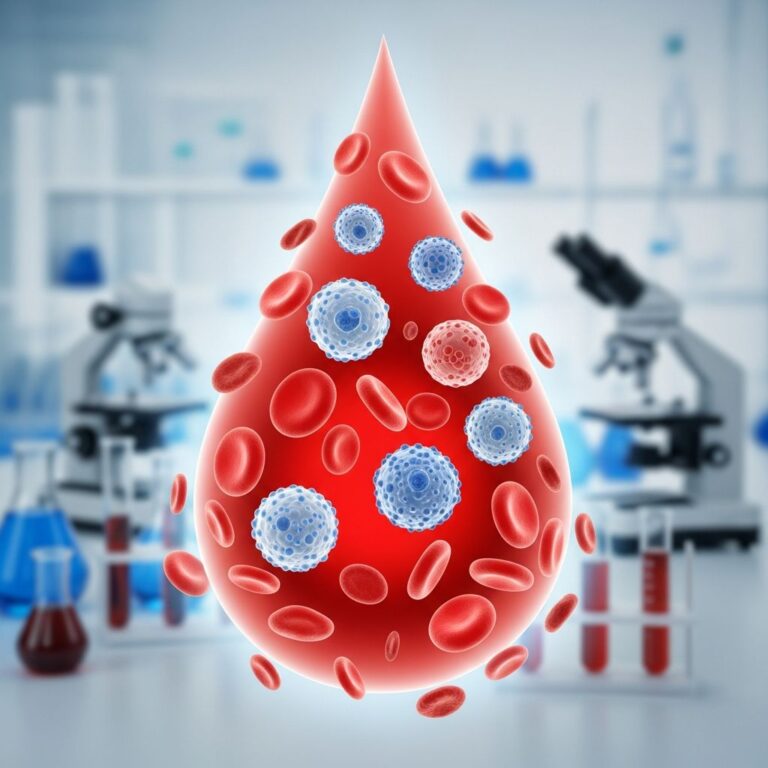
Flu Vaccines and Juvenile Arthritis: Safety and Protection
Essential guide to flu vaccination for children with juvenile arthritis and immune protection strategies.
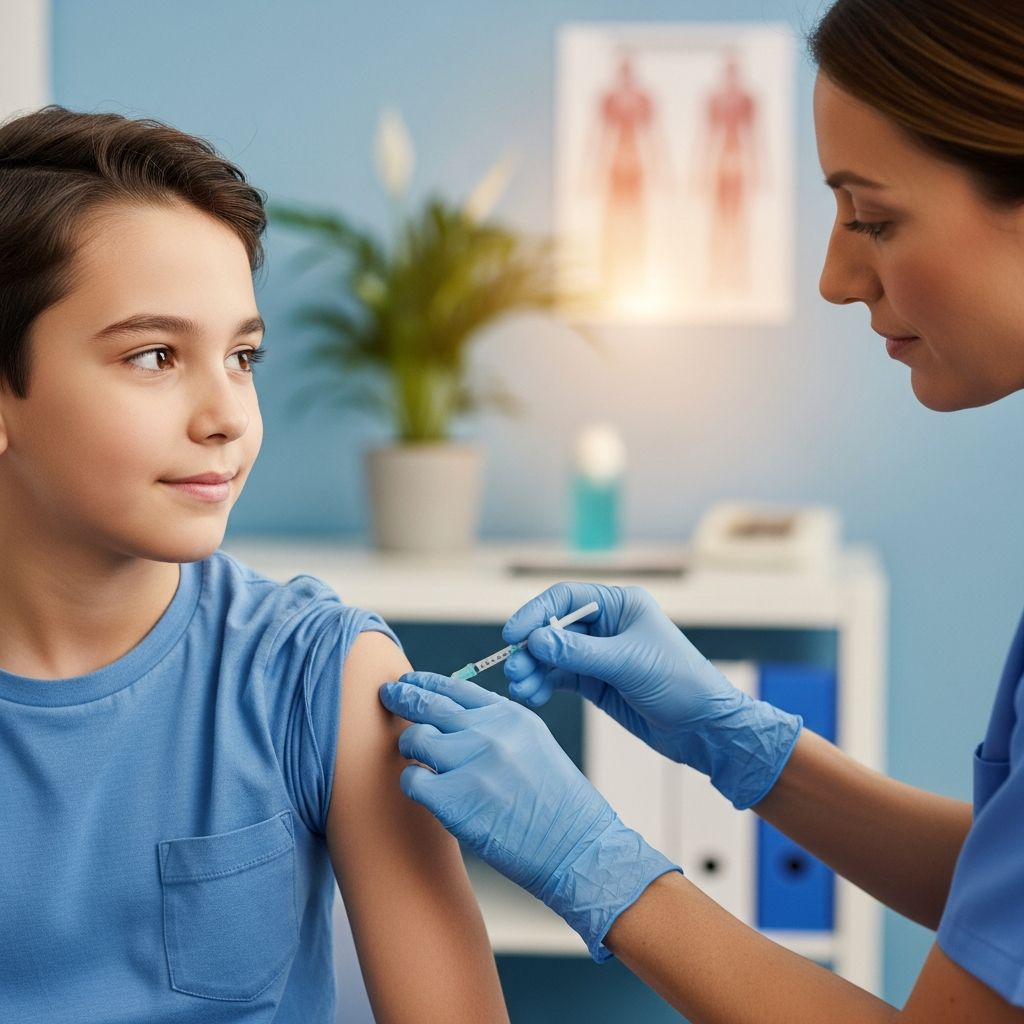
Children with juvenile arthritis (JA) face unique health considerations, particularly when it comes to infectious diseases like influenza. Many children with JA take medications that suppress their immune systems to manage their condition, which significantly increases their vulnerability to developing the flu and experiencing more severe complications. Understanding the importance of flu vaccination and addressing common concerns about vaccine safety is crucial for parents and caregivers of children with juvenile arthritis.
Why Flu Vaccination Matters for Children with Juvenile Arthritis
Children with juvenile arthritis are at substantially increased risk for developing the flu and experiencing severe illness due to their immunosuppressed state. The concern extends beyond the flu itself, as complications from influenza can include pneumonia, ear infections, and other secondary bacterial infections. Additionally, any infection, including the flu, can trigger flare-ups of arthritis symptoms, leading to increased inflammation, pain, and potentially requiring changes to their treatment regimen.
The medications used to treat juvenile arthritis—including immunosuppressive drugs, corticosteroids, and biologic therapies—work by dampening the immune system’s inflammatory response. While these medications are essential for controlling arthritis symptoms, they simultaneously reduce the body’s ability to fight off infections naturally. This makes vaccination an even more critical preventive measure for this population.
Understanding Flu Vaccine Types and Safety
There are two primary types of flu vaccines available: the flu shot and the nasal spray flu vaccine. For children with juvenile arthritis who are on immunosuppressive medications, the choice of vaccine type is important.
The Flu Shot (Inactivated Vaccine)
The flu shot contains an inactivated, or dead, form of the virus. Because the virus is inactivated, it is impossible for children to contract the flu from the vaccine itself. This makes it the safe and appropriate choice for immunocompromised children with juvenile arthritis. The inactivated flu vaccine can be safely administered regardless of what medications a child is taking for arthritis management.
Research has demonstrated that inactivated flu vaccines are both safe and effective for children with juvenile arthritis. A comprehensive clinical study examining cellular and humoral immune responses in pediatric patients with JIA receiving inactivated influenza vaccines showed adequate seroprotection rates against influenza A. Children receiving various arthritis medications—including methotrexate, biologic therapies, and corticosteroids—all mounted protective immune responses to the vaccine.
The Nasal Spray Flu Vaccine
The nasal spray flu vaccine is a live attenuated influenza vaccine (LAIV), meaning it contains a weakened form of the live virus. Children on immunosuppression should not receive the nasal spray flu vaccine because their compromised immune systems may be unable to safely handle even the weakened virus. Parents and caregivers should ensure their child receives the inactivated flu shot rather than the nasal spray version.
Vaccine Efficacy and Immune Response in Immunocompromised Children
One common concern among parents is whether vaccines work effectively in children taking immunosuppressive medications. Recent research provides reassuring evidence. A clinical study of 41 children with juvenile idiopathic arthritis receiving inactivated influenza vaccines demonstrated adequate seroprotection rates against influenza A in all participants, regardless of whether they were receiving methotrexate or biologic therapy.
Related Stories



The study found that the trivalent inactivated whole virus vaccine was immunogenic, safe, and effective in children with JIA. Importantly, the researchers found no relapses or cases of influenza infection following vaccination, and no evidence of non-specific immune activation that might trigger disease flare-ups. Children who were taking corticosteroids, methotrexate, and biologic drugs all mounted protective immune responses against the disease.
However, one important finding was that the immune response waned over time in children taking biologics, which may indicate the need for booster vaccinations to ensure adequate ongoing protection. Parents should discuss with their child’s rheumatologist whether additional doses might be beneficial for their specific situation.
Addressing Common Vaccine Safety Concerns
Will the Flu Shot Cause My Child to Get the Flu?
No. The flu shot contains inactivated virus, so it cannot cause the flu. Your child will not contract influenza from receiving the vaccine. This is one of the most important safety facts to understand.
Will the Vaccine Increase the Risk of an Arthritis Flare?
No. There is no reason to worry that getting vaccinated will increase your child’s risk of an arthritis flare. In fact, clinical evidence shows that inactivated vaccines do not trigger disease flares in children with arthritis. The comprehensive clinical trial examining immune responses in JIA patients found no relapses following vaccination. The real risk comes from actually contracting the flu, which can trigger arthritis flares, not from the vaccine itself.
Do Non-Live Vaccines Work While on Arthritis Medications?
Yes, non-live vaccines like the flu shot are effective even while children are taking arthritis medications. The American College of Rheumatology (ACR) and the European League Against Rheumatism (EULAR) recommend that all JIA patients receive annual influenza vaccination. Non-live vaccines can be administered alongside disease-modifying antirheumatic drugs (DMARDs), corticosteroids, and biologic treatments.
Flu Vaccination Recommendations for Children with Juvenile Arthritis
The flu vaccination recommendations for children with juvenile arthritis are the same as for all children. The Centers for Disease Control and Prevention (CDC) recommends that all children over six months old receive an annual flu vaccine. Ideally, vaccination should occur by the end of October to provide protection before the peak influenza season, which typically runs from December through February, though cases can occur as early as October and as late as spring.
For the 2025-2026 flu season, several different types of flu vaccine are available, including high-dose and egg-free options. Parents should discuss with their child’s healthcare provider which vaccine option is most appropriate for their child’s specific situation.
Protecting Your Child Beyond Vaccination
Vaccinating Close Contacts
All family members and close contacts of a child with juvenile arthritis should also receive flu vaccination. While vaccines are not perfect and vaccinated individuals can still contract the flu, surrounding your child with vaccinated people significantly reduces their exposure risk. This creates a protective barrier that helps keep your immunocompromised child safer.
Infection Prevention Strategies
In addition to vaccination, teaching your child proper infection prevention techniques is essential:
- Frequent handwashing with soap and water or hand sanitizer
- Avoiding close contact with anyone who appears to be sick
- Wearing a face mask in crowded or high-risk settings
- Practicing social distancing when appropriate
- Teaching respiratory etiquette (covering coughs and sneezes)
These practices significantly reduce the likelihood of your child contracting the flu or other infections.
Other Important Vaccinations for Children with Arthritis
Beyond the annual flu vaccine, children with juvenile arthritis on immunosuppressive medications should also ensure they are protected against pneumococcal disease. The pneumococcal vaccine reduces the likelihood of developing pneumococcal pneumonia and decreases the severity if infection does occur. If a child has not received this vaccine or if it has been five years since their last dose, parents should discuss with their healthcare provider about getting revaccinated.
Key Takeaways for Parents
- Flu shots are safe: Non-live vaccines do not cause the flu or increase arthritis flare risk
- Vaccination is effective: Children with JA mount protective immune responses even while on immunosuppressive medications
- Avoid nasal spray: Children on immunosuppression should receive the flu shot, not the nasal spray vaccine
- Annual vaccination is essential: All children over six months old with or without arthritis should get an annual flu vaccine
- Protect others too: Vaccinate family members and close contacts to create a protective environment
- Discuss with your rheumatologist: Talk to your child’s healthcare team about the best vaccination timing and type for their specific situation
Frequently Asked Questions
Q: Is it safe for a child taking biologic medications to get a flu shot?
A: Yes, absolutely. Clinical research demonstrates that inactivated flu vaccines are safe and effective for children taking biologic medications. Non-live vaccines can be administered alongside biologic treatments without increased risk of disease flare-ups.
Q: When should my child with JA get their flu vaccine?
A: The CDC recommends getting the flu vaccine by the end of October to provide protection before the typical peak influenza season from December to February. However, vaccination can be beneficial at any time during flu season.
Q: Can my child get the flu even if they’re vaccinated?
A: Yes, there is still a chance that vaccinated children may get the flu, as vaccines are not 100% effective. However, vaccination significantly reduces this risk and makes illness less severe if it does occur.
Q: What should I do if my child gets sick with the flu?
A: Contact your child’s doctor immediately. Treatment may include rest, fluids, and potentially antiviral medications. Your doctor may advise temporarily adjusting certain arthritis medications to help your child recover.
Q: Can my child receive the flu vaccine at the same time as other vaccines?
A: Yes, the flu vaccine can be administered simultaneously with other vaccines, including COVID-19 vaccines. Discuss the timing and schedule with your healthcare provider.
Q: Why is pneumococcal vaccination also important?
A: Like the flu, pneumococcal disease poses a greater risk to immunocompromised children. The pneumococcal vaccine reduces both the risk of infection and the severity of illness if contracted.
Conclusion
Flu vaccination is one of the most important preventive health measures for children with juvenile arthritis. The inactivated flu vaccine is safe, effective, and will not cause the flu or trigger arthritis flare-ups. By ensuring your child receives annual flu vaccination, protecting family members and close contacts through vaccination, and implementing proper infection prevention strategies, you can significantly reduce your child’s risk of serious influenza complications and related arthritis flares. Work closely with your child’s healthcare team to ensure they receive appropriate vaccinations and medical guidance tailored to their specific needs.
References
- Expert Q&A: Flu Shots for Children with JA — Arthritis Foundation. Accessed January 2026. https://www.arthritis.org/health-wellness/treatment/treatment-plan/ja-medical-decisions/child-with-ja-flu-shot
- Influenza vaccination in patients with juvenile idiopathic arthritis — PMC/National Institutes of Health. 2024. https://pmc.ncbi.nlm.nih.gov/articles/PMC12023564/
- Arthritis Patients: Get Your Flu Shots — Arthritis Foundation. September 2021. https://www.arthritis.org/health-wellness/treatment/treatment-plan/disease-management/arthritis-patients-get-your-flu-shots
- Test Your Knowledge About Flu Risks With Arthritis — Arthritis Foundation. Accessed January 2026. https://www.arthritis.org/health-wellness/treatment/treatment-plan/disease-management/flu-risks-with-arthritis
- Vaccines for Kids on Biologics — Arthritis Foundation. Accessed January 2026. https://www.arthritis.org/health-wellness/treatment/treatment-plan/ja-medical-decisions/vaccinations-for-kids-with-arthritis
- Vaccine Checklist — Arthritis Foundation. 2025-2026. https://www.arthritis.org/drug-guide/medication-topics/vaccine-checklist
Similar Articles








Read full bio of medha deb