Kale Health Benefits: 7 Science-Backed Reasons To Eat More
Discover the impressive health benefits of kale, from detoxification and eye health to cancer prevention and improved digestion.
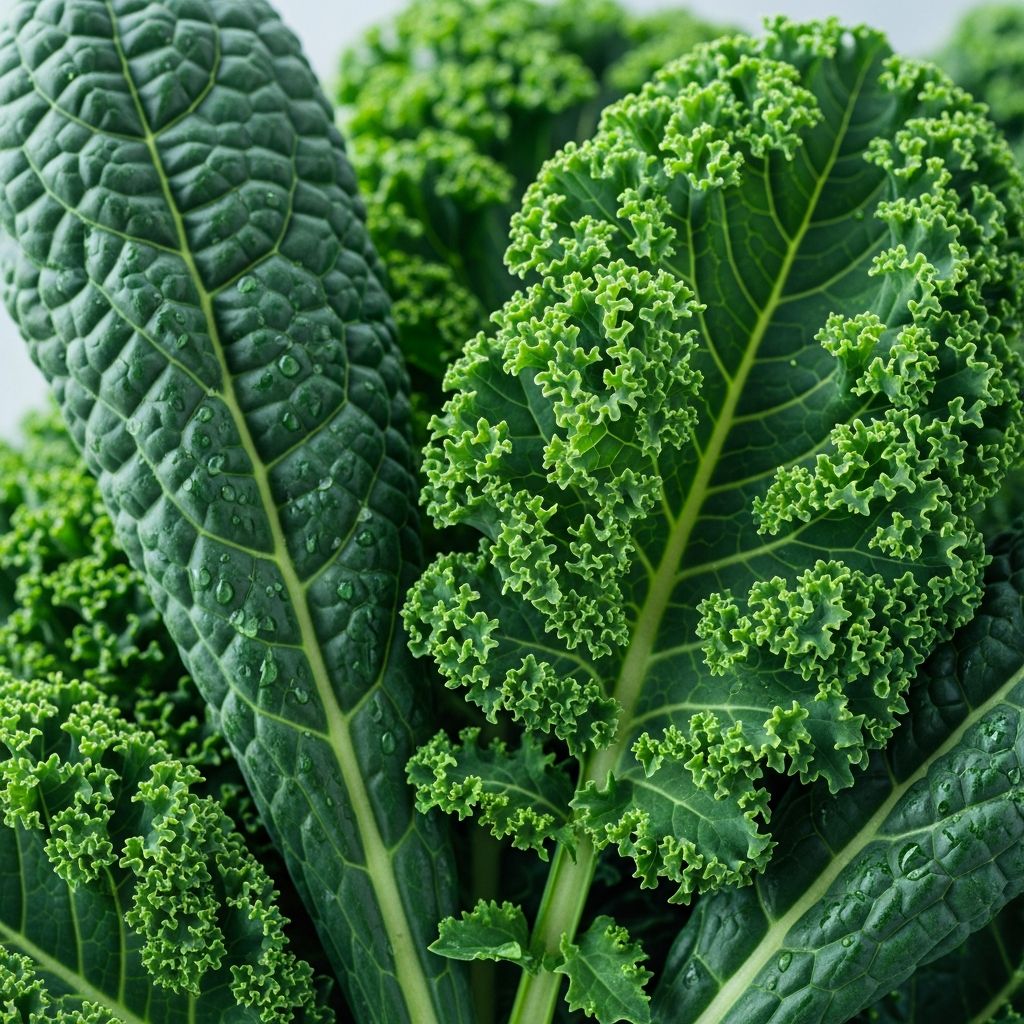
Kale is a powerhouse leafy green vegetable renowned for its dense nutritional profile and numerous health advantages. This cruciferous superfood from the Brassicaceae family delivers antioxidants, vitamins, minerals, and phytonutrients that combat oxidative stress, support vital organ functions, and promote overall well-being.
What Is Kale?
Kale (Brassica oleracea var. acephala) is a fibrous, non-heading leafy green belonging to the cruciferous family, alongside broccoli, Brussels sprouts, cabbage, and cauliflower. Unlike its relatives, kale features curly or flat leaves in shades of deep green, purple, or even blue. Its earthy, nutty flavor makes it versatile for salads, smoothies, chips, soups, and sautés. Historically cultivated for centuries, kale gained superfood status in modern diets due to its exceptional nutrient density.
Registered dietitians classify kale as a superfood because of its high content of antioxidants, fiber, vitamins, and minerals, which provide disease-fighting benefits. It’s low in calories yet packed with essential micronutrients, making it ideal for weight management and health optimization.
Kale Nutrition Facts
A single cup of raw kale (about 67g) offers an impressive nutritional punch: approximately 33 calories, 6g carbohydrates, 3g protein, 1g fat, and 2.6g fiber. It provides over 100% of the daily value (DV) for vitamin K, 200% DV for vitamin A, and significant amounts of vitamin C (134% DV), vitamin B6, folate, calcium, potassium, magnesium, and iron.
Key nutrients include:
- Vitamin K1: Essential for blood clotting and bone health.
- Vitamin C: A potent antioxidant supporting immune function and collagen synthesis—kale has three times more than spinach.
- Beta-carotene (provitamin A): Converts to vitamin A for vision and skin health.
- Glucosinolates, sulforaphane, indoles: Sulfur-containing compounds with anti-cancer potential.
- Flavonoids (quercetin, kaempferol): Anti-inflammatory and heart-protective.
- Polyphenols and carotenoids (lutein, zeaxanthin): Eye health promoters.
These components make kale exceptionally nutrient-dense, surpassing many other greens.
7 Impressive Health Benefits of Kale
1. Packed With Powerful Antioxidants
Kale is loaded with antioxidants like beta-carotene, vitamin C, quercetin, and kaempferol, which neutralize free radicals—unstable molecules linked to aging, cancer, and chronic diseases. Oxidative damage drives many health issues, and kale’s compounds counteract this effectively. Flavonoids in kale also reduce inflammation, support heart health, and inhibit cancer cell growth in test-tube and animal studies.
Phenolics, carotenoids, and glucosinolates in kale exhibit strong antioxidant activity, contributing to its preventive effects against degenerative diseases.
2. May Help Detoxify the Body
Phytonutrients in kale, particularly from the Brassica family, bind to and eliminate toxins like mycotoxins—harmful fungal byproducts that contaminate foods and cause liver damage. Research shows kale molecules absorb these toxins in the digestive tract, though more human studies are needed to confirm detox efficacy.
This detoxification supports liver health and reduces toxin-related risks.
3. Supports Eye Health
Kale’s lutein and zeaxanthin, along with beta-carotene, protect the eyes from oxidative damage and blue light. These carotenoids accumulate in the retina, lowering risks of age-related macular degeneration and cataracts. Studies link higher intake of such greens to better vision preservation.
Lutein supplementation from kale sources improves memory, motor coordination, and reduces brain lipid peroxidation in animal models.
4. May Reduce Cancer Risk
No single food prevents cancer, but kale’s glucosinolates, indoles, and sulforaphane inhibit cancer cell growth and tumor formation at molecular levels. These compounds, per the National Cancer Institute, may deactivate carcinogens, induce detoxification enzymes, and promote cancer cell death. Population studies associate cruciferous veggie intake with lower risks of lung, colorectal, breast, and prostate cancers, though human trials are ongoing.
Related Stories



Kale’s anti-cancerogenic properties stem from its secondary metabolites, validated in vitro and in vivo.
5. Promotes Digestive Health
High in prebiotic fiber, kale feeds beneficial gut bacteria, fostering a healthy microbiome that aids digestion, immunity, and mental health. It relieves constipation and supports regular bowel movements. In colitis models, kale modulates microbiota, reduces inflammatory cytokines like TNFα and IL-1β, and lowers MPO activity.
6. Fights Inflammation
Chronic inflammation fuels diseases like cancer and heart disease. Kale’s unique antioxidant blend—vitamins C and K, flavonoids, and polyphenols—quenches inflammatory responses. It blocks pro-inflammatory pathways, offering protection against long-term inflammation.
7. Supports Heart Health and More
Kale binds bile acids, reducing cholesterol reabsorption. A study of 149 people with metabolic syndrome found 14g daily kale powder lowered LDL cholesterol, blood pressure, belly fat, and blood sugar over 8 weeks. Vitamin K1 prevents arterial calcification, while potassium regulates blood pressure. Clinical trials show kale juice improves lipid profiles in hyperlipidemia.
Additional perks include blood sugar regulation (7-14g doses lower postprandial glucose) and weight management due to low calories and high fiber.
Potential Downsides of Kale
While safe for most, kale contains goitrogens that may interfere with thyroid function if raw and consumed excessively, especially in iodine-deficient individuals. Oxalates could contribute to kidney stones in susceptible people. Those on blood thinners should monitor vitamin K intake for consistency. Cooking reduces these compounds. Always consult a doctor for personalized advice.
How to Add More Kale to Your Diet
Incorporate kale creatively:
- Salads: Massage leaves with oil and lemon to soften bitterness.
- Smoothies: Blend with fruits for hidden nutrition.
- Chips: Bake with oil and seasonings.
- Soups/Stews: Add toward end of cooking.
- Sautés: Stir-fry with garlic.
Start with 1-2 cups daily. Choose organic to minimize pesticides.
Bottom Line
Kale stands out as a superfood with evidence-backed benefits for detoxification, vision, cancer prevention, digestion, inflammation, heart health, and beyond. Its nutrient density supports a balanced diet. Aim for variety in greens and consult professionals for tailored nutrition.
Frequently Asked Questions (FAQs)
Is kale a superfood?
Yes, kale qualifies as a superfood due to its exceptional levels of antioxidants, fiber, vitamins, and minerals that promote health.
Can kale help with weight loss?
Kale’s low calories, high fiber, and nutrients support satiety and metabolism, aiding weight management when part of a calorie-controlled diet.
Does cooking kale reduce its nutrients?
Light cooking enhances bioavailability of some nutrients like beta-carotene while preserving most antioxidants; overcooking diminishes vitamin C.
Is kale safe for everyone?
Generally yes, but those with thyroid issues or on anticoagulants should moderate intake and seek medical advice.
How much kale should I eat daily?
1-2 cups provide benefits without excess; balance with a varied diet.
References
- Kale: What It Is, Nutrition and Benefits — Cleveland Clinic. 2023. https://health.clevelandclinic.org/kale-benefits
- 9 Health Benefits of Kale — Healthline. 2025-04-15. https://www.healthline.com/nutrition/10-proven-benefits-of-kale
- Improving the Health-Benefits of Kales (Brassica oleracea L. var. acephala) by Modulating Its Phytochemical Profile Using Cultivar Selection and — PMC/NCBI. 2021-12-20. https://pmc.ncbi.nlm.nih.gov/articles/PMC8706317/
- Kale: Health benefits, nutrition, eating, and risks — Medical News Today. 2023. https://www.medicalnewstoday.com/articles/270435
Similar Articles








Read full bio of Sneha Tete