Kanuka: Benefits, Uses, and Dermatological Properties
Explore kanuka's therapeutic potential, traditional uses, and emerging evidence in skincare.
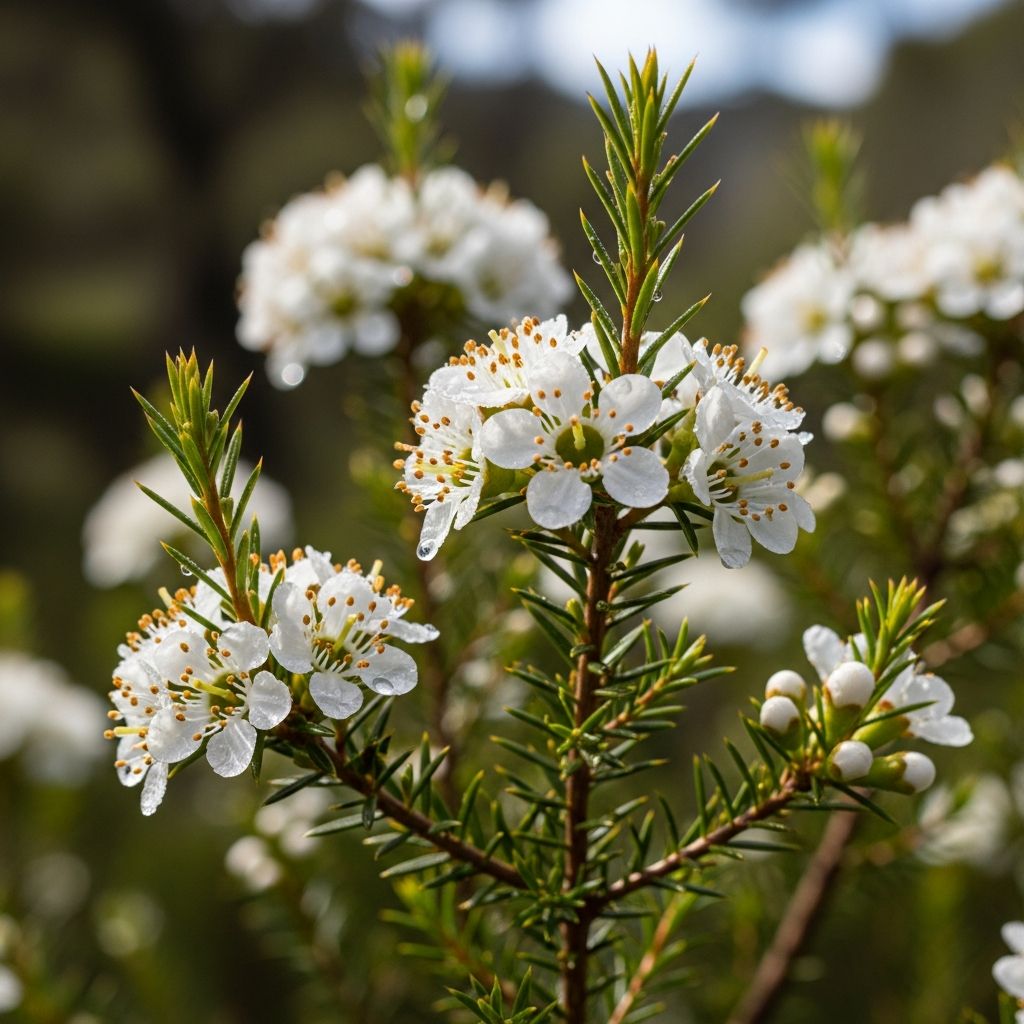
Kanuka: A Comprehensive Overview
Kanuka is one of 30 species of small evergreen shrubs belonging to the Myrtle family, characterized by delicate heath-like flowers that emit a pungent aroma when crushed. Native to New Zealand and Australia, kanuka is frequently confused with manuka and the New Zealand Tea Tree, though each possesses distinct botanical and therapeutic characteristics. This evergreen plant has become increasingly significant in modern skincare formulations and aromatherapy practices, driven by growing interest in natural remedies derived from native botanical sources.
Plant Characteristics and Identification
Kanuka belongs to the genus Kunzea within the Myrtle family (Myrtaceae), which comprises aromatic plants valued for their essential oils and medicinal properties. The plant is characterized by small, densely packed heath-like flowers that develop a distinctive pungent scent when the foliage is crushed or handled. The evergreen nature of kanuka means it maintains its foliage year-round, contributing to its value as a pioneer and nurse plant in forest regeneration ecosystems.
Distinguishing Kanuka from Similar Species
The botanical similarities between kanuka and manuka have led to considerable confusion among both consumers and practitioners. Kanuka, under the genus Kunzea, differs from manuka (Leptospermum scoparium) in several ways, including growth patterns, chemical composition of essential oils, and specific therapeutic properties. Understanding these distinctions is crucial for those seeking particular therapeutic benefits or developing targeted skincare formulations. The confusion has been perpetuated by overlapping common names, including “white tea tree” and “white manuka,” which reference the plant’s appearance and historical uses rather than precise botanical classification.
Historical and Cultural Context
The common name “tea tree” originated from early New Zealand settlers who adopted the practice of steeping kanuka leaves in boiling water to create a tea substitute. This historical practice reflects the plant’s accessibility and perceived value as a functional botanical resource. Early European colonists recognized the aromatic and potentially therapeutic qualities of the plant, integrating it into their daily practices despite limited understanding of its specific pharmacological mechanisms. This traditional use has informed contemporary interest in kanuka’s potential therapeutic applications, bridging historical knowledge with modern scientific inquiry.
Botanical and Ecological Importance
Though historically regarded as a weed in certain agricultural and forestry contexts, kanuka plays a valuable ecological role as a pioneer and nurse plant in forest regeneration. In natural succession, kanuka forests typically diversify and are ultimately replaced by mixed forests containing species adapted to more mature forest conditions. The plant’s ability to colonize disturbed land and prepare environmental conditions for subsequent plant species demonstrates its ecological significance beyond ornamental or medicinal applications. This regenerative capacity has made kanuka increasingly important in reforestation and land restoration projects throughout New Zealand and Australia.
Dermatological Applications and Uses
Kanuka essential oil and extracts have gained recognition in dermatological and skincare applications, though clinical evidence remains limited compared to some alternative therapies. Aromatherapists have increasingly incorporated kanuka essential oils into therapeutic formulations, promoting their use for various skin conditions and general wellness purposes. However, the dermatological community emphasizes that comprehensive toxicity testing and rigorous clinical trials remain necessary to establish safety profiles and efficacy claims.
Skincare Formulations
Contemporary skincare manufacturers have begun incorporating kanuka oil into creams, serums, and topical treatments marketed for various skin concerns. These formulations typically combine kanuka oil with complementary botanical ingredients and carrier oils to create products intended for daily skincare routines. The integration of kanuka into commercial skincare products reflects growing consumer demand for natural and native botanical ingredients, particularly in markets with strong connections to New Zealand heritage and indigenous plant knowledge.
Related Stories



Aromatherapy Applications
Aromatherapists utilize kanuka essential oils for inhalation and diffusion therapies, promoting the oils for respiratory support and general wellness. The pungent aromatic compounds in kanuka foliage and essential oil are valued in aromatherapy practice, though practitioners and consumers should recognize the distinction between traditional use and evidence-based therapeutic claims. The aromatic profile of kanuka essential oil differs from related species, offering practitioners a distinct botanical option within their therapeutic toolkit.
Chemical Composition and Allergens
The essential oil composition of kanuka contributes to both its aromatic qualities and potential biological activity. While specific allergens have not been formally identified through regulatory processes, alpha-pinene has been identified as a possibly relevant component that may warrant consideration for sensitive individuals. Alpha-pinene, a terpene commonly found in evergreen plant essential oils, can potentially cause skin irritation or allergic reactions in susceptible individuals, though such responses remain relatively uncommon in the general population.
Known Allergens and Sensitivity
- Alpha-pinene: a potentially relevant component requiring consideration in sensitive individuals
- Unconfirmed allergenicity of other volatile organic compounds present in the essential oil
- Limited published data on sensitization rates and cross-reactivity patterns
- Individual variation in response based on genetic predisposition and previous exposure history
Allergic Reactions and Safety Considerations
While kanuka is generally well-tolerated, a number of unconfirmed reports describe dermatitis occurring in bushmen clearing kanuka scrub, as well as cases following aromatherapy applications. These reports suggest that occupational exposure to plant material and essential oil applications may trigger allergic or irritant contact dermatitis in susceptible individuals. The occupational cases likely reflect higher exposure concentrations and prolonged contact with fresh plant material, while aromatherapy-related cases typically involve essential oil applications, often in concentrated forms.
Reported Adverse Events
Documented cases of allergic dermatitis associated with kanuka remain limited and primarily anecdotal. Occupational exposure among workers clearing kanuka vegetation appears to carry higher risk than consumer use of commercial skincare or aromatherapy products. The mechanism underlying reported dermatitis cases remains unclear, potentially involving either true allergic contact dermatitis or irritant reactions to concentrated plant compounds. Individuals with histories of atopic dermatitis, sensitive skin, or documented allergies to related plant species should exercise caution when introducing kanuka products and consider patch testing before widespread application.
Patch Testing and Diagnostic Evaluation
For dermatologists and allergists evaluating suspected kanuka sensitivity, patch testing can be performed using fresh kanuka leaf material in its natural form. This testing approach maintains the plant’s natural chemical profile while allowing controlled assessment of individual reactivity. Positive reactions would indicate either allergic contact sensitization or irritant response, informing clinical recommendations regarding product avoidance and alternative therapeutic options.
Cross-Reactions with Related Species
Information regarding cross-reactivity between kanuka and related plant species, including manuka and other Kunzea species, remains limited. Individuals with documented sensitivity to one Myrtle family plant should approach related species cautiously, though cross-reactivity is not guaranteed. The chemical composition of essential oils varies significantly among species within the same family, meaning sensitivity to one species does not necessarily predict sensitivity to another.
Current Research and Evidence Base
While anecdotal reports and traditional use support kanuka’s potential therapeutic applications, the scientific evidence base remains limited compared to more extensively studied botanical remedies. Recent research has investigated related species, including a clinical trial examining kānuka oil efficacy for eczema treatment, which demonstrated significant improvement in symptom scores compared to vehicle control. This research suggests potential for related Kunzea species in dermatological applications, though direct evidence specific to kanuka remains sparse.
Research Gaps and Future Directions
- Limited toxicity testing data for kanuka essential oils and extracts
- Absence of large-scale clinical trials examining efficacy for specific skin conditions
- Insufficient research on long-term safety and potential cumulative effects
- Need for standardization of kanuka product composition and quality assessment
- Investigation of mechanisms underlying observed therapeutic effects
Regulatory Status and Product Standards
Kanuka products, including essential oils and skincare formulations, are marketed in various jurisdictions under different regulatory frameworks. In New Zealand and Australia, these products may be subject to regulation under cosmetic or therapeutic goods legislation, depending on specific product claims and intended use. Consumers should verify that products containing kanuka have been formulated and tested according to applicable regulatory standards for their respective markets.
Comparison with Manuka and Tea Tree Oils
| Characteristic | Kanuka | Manuka | Tea Tree |
|---|---|---|---|
| Botanical Name | Kunzea species | Leptospermum scoparium | Melaleuca alternifolia |
| Origin | New Zealand & Australia | New Zealand | Australia |
| Family | Myrtle | Myrtle | Myrtle |
| Common Names | White manuka, white tea tree | Manuka | Australian tea tree |
| Primary Uses | Skincare, aromatherapy | Honey, skincare, antimicrobial | Antimicrobial, skincare |
| Research Status | Limited studies | Extensive studies | Extensive studies |
Practical Considerations for Consumers
Individuals interested in incorporating kanuka into their skincare routine should approach new products cautiously, particularly if they have sensitive skin or histories of botanical allergies. Beginning with patch testing on a small skin area helps identify potential adverse reactions before broader application. Commercial products should be sourced from reputable manufacturers who provide transparent information about ingredient sourcing, processing methods, and quality assurance practices.
Safety Guidelines for Use
- Conduct patch testing on a small area before widespread application
- Avoid applying concentrated essential oils directly to skin without proper dilution
- Discontinue use immediately if irritation, redness, or other adverse reactions develop
- Consult healthcare providers before using kanuka products if pregnant, nursing, or taking medications
- Store kanuka products according to manufacturer instructions to maintain stability and safety
- Verify product quality and regulatory compliance before purchase
Professional Dermatological Perspective
Dermatologists emphasize that while kanuka shows promise as a natural botanical ingredient, consumers should maintain realistic expectations regarding therapeutic benefits. The lack of comprehensive safety and efficacy data means that kanuka products should not replace evidence-based dermatological treatments for diagnosed skin conditions. Healthcare providers can help individuals navigate the growing landscape of natural skincare products, identifying which options may complement conventional treatments and which claims lack adequate scientific support.
Frequently Asked Questions
Q: Is kanuka the same as manuka?
A: No. Kanuka (Kunzea species) and manuka (Leptospermum scoparium) are distinct plant species within the Myrtle family. While they are sometimes confused due to similar names and overlapping geographic distribution, they possess different botanical characteristics, chemical compositions, and therapeutic properties. Manuka has received considerably more scientific investigation, particularly regarding honey production and antimicrobial properties.
Q: Can kanuka cause allergic reactions?
A: While allergic reactions to kanuka are uncommon, unconfirmed reports describe dermatitis in individuals with occupational exposure to kanuka scrub and following aromatherapy applications. The allergen responsible has not been definitively identified, though alpha-pinene is suspected. Individuals with sensitive skin or botanical allergies should perform patch testing before using kanuka products extensively.
Q: What is the evidence for kanuka’s effectiveness in skincare?
A: Scientific evidence specifically supporting kanuka’s dermatological efficacy remains limited. However, research on related Kunzea species, such as kānuka oil, has demonstrated potential benefits for eczema management. More comprehensive clinical trials are needed to establish kanuka’s safety profile and specific therapeutic applications.
Q: How should kanuka essential oil be used safely?
A: Kanuka essential oil should never be applied directly to skin without dilution. It should be blended with carrier oils or incorporated into skincare formulations according to product guidelines. Conduct patch testing first, and discontinue use if any irritation occurs. Pregnant women, nursing mothers, and individuals on medications should consult healthcare providers before use.
Q: Where does kanuka grow?
A: Kanuka is native to New Zealand and Australia. In New Zealand, it serves as a valuable pioneer and nurse plant in forest regeneration, helping establish conditions for more mature forest species. The plant is well-adapted to disturbed land and plays an important ecological role in landscape restoration projects.
References
- Efficacy of a 3% Kānuka oil cream for the treatment of moderate-to-severe eczema in adults: A randomised, vehicle-controlled trial — National Center for Biotechnology Information (NCBI/PubMed Central). 2022. https://pmc.ncbi.nlm.nih.gov/articles/PMC9294249/
- The Manuka & Kanuka Plantation Guide — Taranaki Regional Council. 2017. https://www.trc.govt.nz/assets/Documents/Guidelines/Land-infosheets/Manuka-plantation-guide-landcare-April2017.pdf
- Kānuka Handbook — Ministry for Primary Industries. https://www.mpi.govt.nz/dmsdocument/39887-Kanuka-Handbook-FINAL.PDF
- Kanuka – DermNet — DermNet New Zealand Trust. https://dermnetnz.org/topics/kanuka
- Manuka – DermNet — DermNet New Zealand Trust. https://dermnetnz.org/topics/manuka
Similar Articles








Read full bio of Sneha Tete