Kaposi Sarcoma: Causes, Symptoms, Diagnosis & Treatment
Complete guide to understanding Kaposi sarcoma: risk factors, symptoms, diagnosis methods, and modern treatment options.
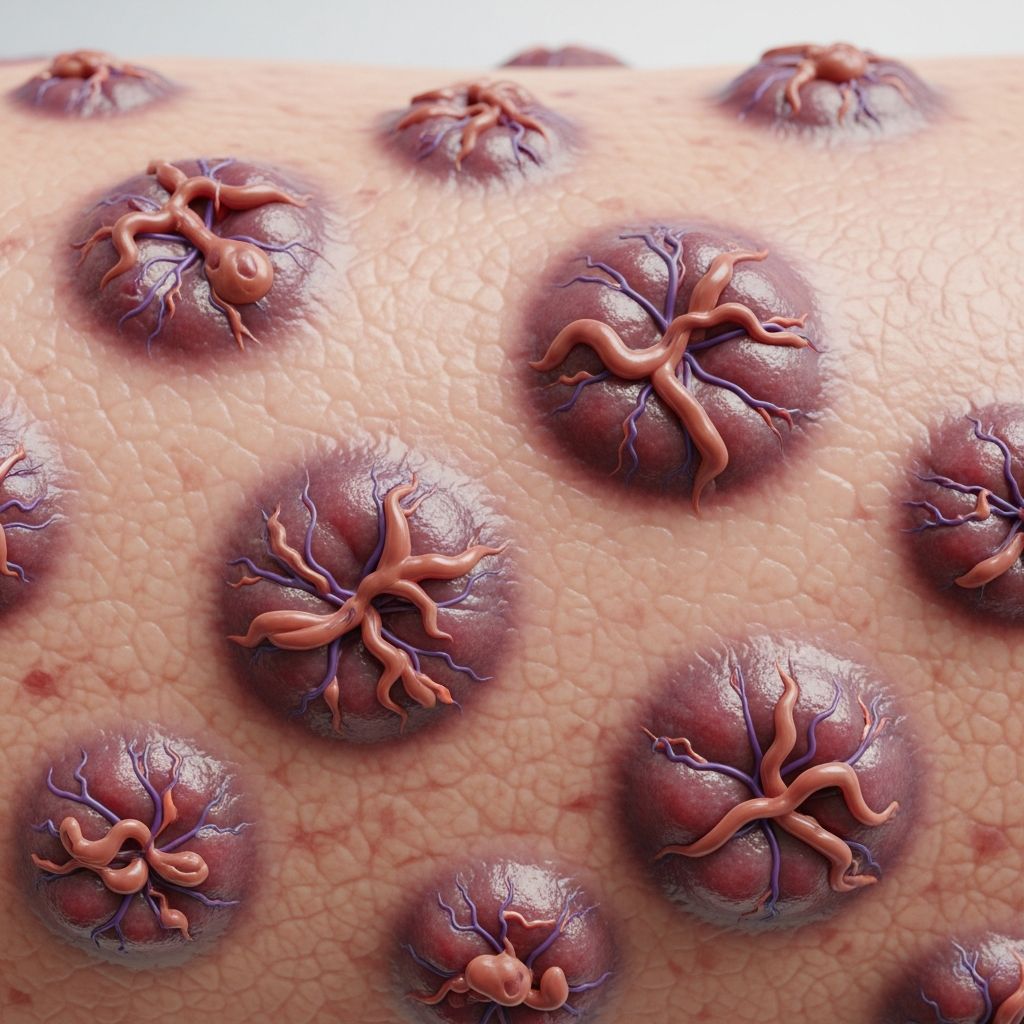
Kaposi Sarcoma: A Comprehensive Guide
Kaposi sarcoma is a rare form of cancer that develops in the cells lining blood vessels and lymph vessels throughout the body. This condition causes characteristic lesions to appear on the skin, as well as in mucous membranes, lymph nodes, and internal organs. Understanding this disease is crucial for early detection and effective management, particularly for individuals at higher risk.
What is Kaposi Sarcoma?
Kaposi sarcoma (KS) is a malignant vascular tumor characterized by the abnormal growth of endothelial cells that form the lining of blood and lymph vessels. The condition typically presents with distinctive red-purple, purple-brown, or blue-brown lesions that can appear on various parts of the body. Unlike many other cancers, Kaposi sarcoma can affect multiple body systems simultaneously, spreading beyond the skin to involve internal organs.
The disease is directly linked to Kaposi’s sarcoma-associated herpesvirus (KSHV), also known as human herpesvirus 8 (HHV-8). Recent research has revealed that KSHV manipulates cellular metabolism to drive cancer development, opening new avenues for treatment.
Understanding the Causes and Risk Factors
Kaposi sarcoma occurs almost exclusively in individuals with weakened immune systems. The development of this cancer depends heavily on immunosuppression rather than the presence of KSHV alone. While KSHV infection is necessary for KS development, it is not sufficient—the virus requires an immunocompromised state to progress to cancer.
Primary Risk Groups
HIV/AIDS Patients: Historically, the most significant association has been with advanced AIDS. However, antiretroviral therapy (ART) for HIV has dramatically reduced KS incidence, lowering rates by 80-90% from the early 1980s.
Organ Transplant Recipients: Individuals who have received organ transplants face increased risk because they must take immunosuppressive medications to prevent rejection of the new organ. If already infected with KSHV, these medications can significantly increase the likelihood of developing KS.
Elderly Individuals: Older people with naturally declining immune function are at higher risk, particularly in certain geographic regions where KSHV is more prevalent.
Other Immunocompromised Groups: People with other conditions causing immune suppression, including chronic diseases or certain medications, may also develop Kaposi sarcoma.
Recognizing Symptoms and Signs
The symptoms of Kaposi sarcoma vary depending on which body systems are affected. Early recognition of signs is essential for prompt diagnosis and treatment.
Skin and Mucous Membrane Manifestations
Skin lesions are typically the first signs of Kaposi sarcoma and most commonly appear on the face, legs, and feet. These lesions can present in three forms:
- Patches: Flat lesions that may cover larger areas
- Plaques: Raised, thickened areas of skin
- Nodules: Bump-like lesions that may be firm or compressible
The lesions typically display red, purple, or brown coloration and may change slowly over time, potentially growing into raised bumps or merging together into larger masses. New spots can appear weekly in some patients.
Related Stories



Lesions can also develop inside the mouth, throat, eyes, and under eyelids, potentially causing difficulty with eating and swallowing.
Systemic Symptoms
When Kaposi sarcoma spreads beyond the skin, various symptoms emerge depending on affected organs:
Lymphatic System: When lesions block lymphatic fluid flow, severe swelling can develop in the arms, legs, face, or scrotum.
Respiratory Tract: Lung involvement can cause serious coughing and shortness of breath, representing a serious complication.
Digestive Tract: Gastrointestinal lesions may cause bleeding and blockages, leading to upset stomach, vomiting, abdominal pain, diarrhea, bloody or black stools, and anemia.
Diagnostic Approaches
Diagnosing Kaposi sarcoma involves clinical evaluation combined with laboratory confirmation.
Clinical Examination
Physicians often recognize KS through visual inspection of characteristic skin lesions. The distinctive appearance—particularly the color and location of lesions—can strongly suggest the diagnosis.
Tissue Biopsy
To confirm Kaposi sarcoma, doctors typically perform a tissue biopsy, removing a small sample from a lesion and examining it under a microscope. This procedure provides definitive confirmation of the disease and helps exclude other conditions that might produce similar-appearing lesions.
Additional Diagnostic Tests
Depending on the clinical presentation, doctors may order imaging studies to assess disease extent and determine whether internal organs are involved. These tests help establish the stage of disease and guide treatment planning.
Treatment Options
Treatment for Kaposi sarcoma is highly individualized, depending on the number and size of lesions, their location, and the patient’s immune system status.
Antiretroviral Therapy
For HIV-positive patients, antiretroviral therapy represents the cornerstone of KS treatment. ART can be remarkably effective, particularly in early-stage disease, and may even clear skin lesions entirely. This approach works by restoring immune function, allowing the body to better control KSHV infection.
Localized Treatment Approaches
For patients with limited disease, localized interventions may be appropriate:
- Surgical Removal: Surgery can remove individual tumors, though this is not a cure for Kaposi sarcoma but rather improves cosmetic appearance.
- Cryotherapy: Freezing off lesions represents another localized option.
- Radiation Therapy: External beam radiation or brachytherapy (radioactive seeds or needles) can target lesions on the skin or in the mouth, killing cancer cells or preventing their growth.
Systemic Chemotherapy
When Kaposi sarcoma has spread extensively or involves multiple body areas, systemic chemotherapy becomes necessary to kill cancer cells throughout the body. Various chemotherapy drugs are available specifically for KS treatment, tailored to individual patient characteristics and disease stage.
Biologic Therapy
Interferon alfa (Intron A) represents a biologic treatment option that works by boosting immune system function. This approach is most suitable for patients with CD4 cell counts above 200 and relatively healthy immune systems.
Emerging and Investigational Treatments
Clinical trials are currently testing targeted therapies including monoclonal antibody therapy and tyrosine kinase inhibitors. Recent breakthroughs have identified that blocking specific cellular pathways activated by KSHV using FDA-approved breast cancer drugs can reduce viral replication and shrink existing tumors in preclinical models.
Prognosis and Long-term Outlook
The prognosis for Kaposi sarcoma has improved substantially with modern treatments. Treatment can typically keep KS under control for many years, with lesions potentially shrinking and fading, though they may not disappear completely.
Five-Year Survival Rates
Overall, approximately 75% of people diagnosed with Kaposi sarcoma survive at least five years after diagnosis. Survival rates vary based on disease stage:
- Localized disease (no spread): approximately 81% five-year survival rate
- Regional spread to nearby areas: approximately 65% five-year survival rate
- Distant metastatic disease: approximately 47% five-year survival rate
These improved outcomes reflect advances in understanding the disease mechanism and development of more effective treatment strategies.
Living with Kaposi Sarcoma
Patients diagnosed with Kaposi sarcoma benefit from comprehensive, multidisciplinary care involving medical oncologists, surgical oncologists, radiation oncologists, nurses, genetic counselors, social workers, and other specialists working collaboratively to optimize treatment outcomes and quality of life.
Frequently Asked Questions
Q: Is Kaposi sarcoma contagious?
A: No, Kaposi sarcoma itself is not contagious. However, KSHV (HHV-8), the virus associated with its development, can be transmitted through blood exposure, sexual contact, and saliva. Not everyone infected with KSHV develops Kaposi sarcoma—only those with significantly weakened immune systems typically progress to cancer.
Q: Can Kaposi sarcoma be cured?
A: While Kaposi sarcoma cannot always be completely cured, it can be controlled and managed effectively with appropriate treatment. In HIV-positive patients treated with antiretroviral therapy, lesions may resolve entirely. For other patients, treatment aims to control disease progression and improve quality of life.
Q: What is the difference between early and advanced Kaposi sarcoma?
A: Early Kaposi sarcoma typically presents with limited skin lesions, often on the feet and legs, with no internal organ involvement. Advanced disease involves widespread skin lesions and may affect internal organs including the lungs, digestive tract, and lymph nodes, requiring more aggressive treatment.
Q: How is treatment chosen for Kaposi sarcoma?
A: Treatment selection depends on multiple factors including the number and size of lesions, their location, whether internal organs are involved, the patient’s immune system status (particularly CD4 count in HIV patients), and overall health. A multidisciplinary team reviews each case to determine the most appropriate approach.
Q: What monitoring is needed after Kaposi sarcoma treatment?
A: Patients require regular follow-up appointments to monitor for treatment response, potential recurrence, and development of new lesions. This may include periodic imaging and laboratory tests. For HIV-positive patients, maintaining effective antiretroviral therapy is essential to prevent KS recurrence.
Q: Are there preventive strategies for people at risk?
A: For HIV-positive individuals, maintaining an undetectable viral load through antiretroviral therapy provides substantial protection against Kaposi sarcoma development. For transplant recipients, careful management of immunosuppressive medications as prescribed by their physician is important. KSHV screening may be considered for potential transplant donors and recipients in certain circumstances.
References
- Kaposi Sarcoma — University Hospitals Seidman Cancer Center. Accessed December 2025. https://www.uhhospitals.org/services/cancer-services/sarcoma/sarcoma-diagnosis-and-treatment/kaposi-sarcoma
- New Cleveland Clinic research yields scientific breakthrough on virus-induced cancer — Cleveland Clinic. 2024-02-26. https://www.lerner.ccf.org/news/article/?title=New+Cleveland+Clinic+research+yields+scientific+breakthrough+on+virus-induced+cancer
- Cleveland Clinic Researchers Uncover How Virus Causes Cancer, Point to Potential Treatment — Cleveland Clinic Newsroom. 2024-03-01. https://newsroom.clevelandclinic.org/2024/03/01/cleveland-clinic-researchers-uncover-how-virus-causes-cancer-point-to-potential-treatment
- Kaposi’s Sarcoma (KS): Types, Causes, Symptoms, Treatment — WebMD. Accessed December 2025. https://www.webmd.com/hiv-aids/aids-hiv-opportunistic-infections-kaposis-sarcoma
- Kaposi sarcoma: Causes, Symptoms & Treatment — Britannica. Accessed December 2025. https://www.britannica.com/science/Kaposi-sarcoma
Similar Articles








Read full bio of medha deb