Kava Dermopathy: Causes, Symptoms, Treatment & Prevention
Understanding the reversible skin condition linked to heavy kava consumption in Pacific cultures.
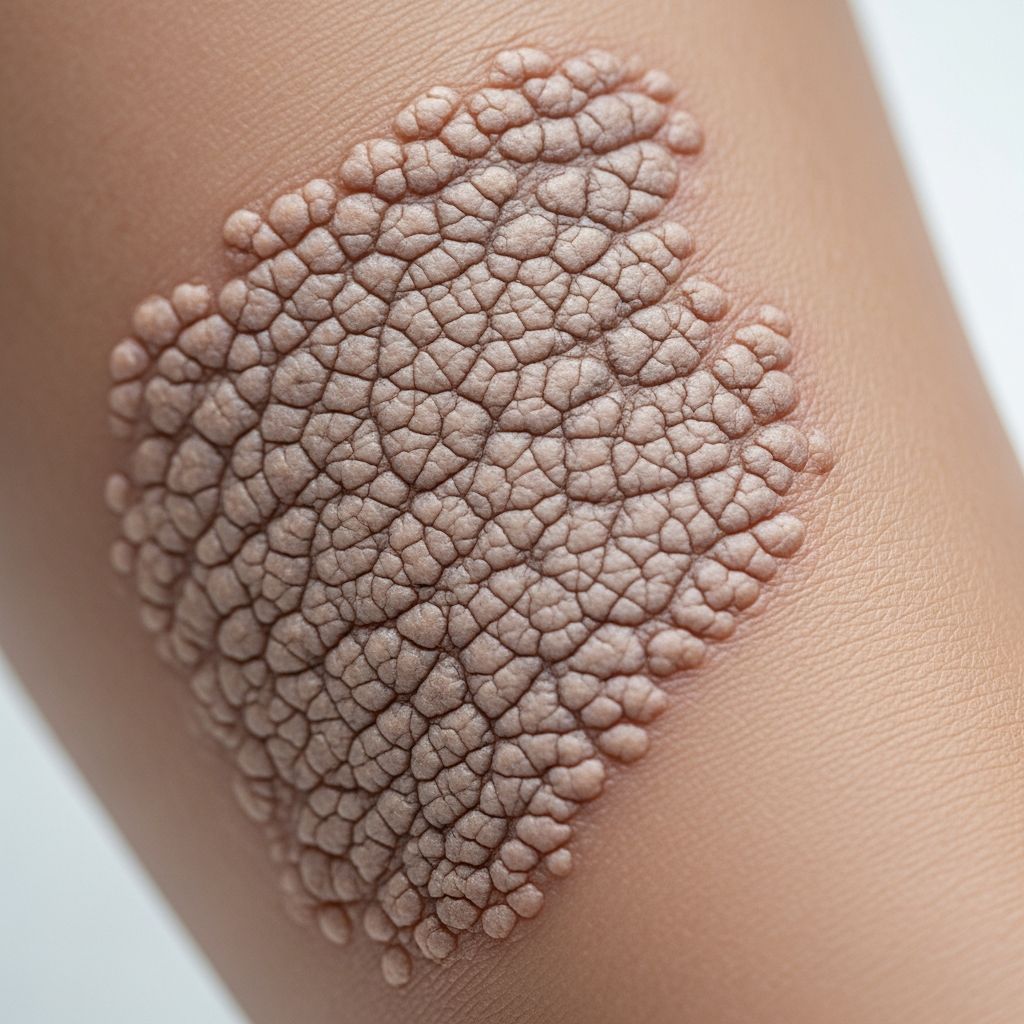
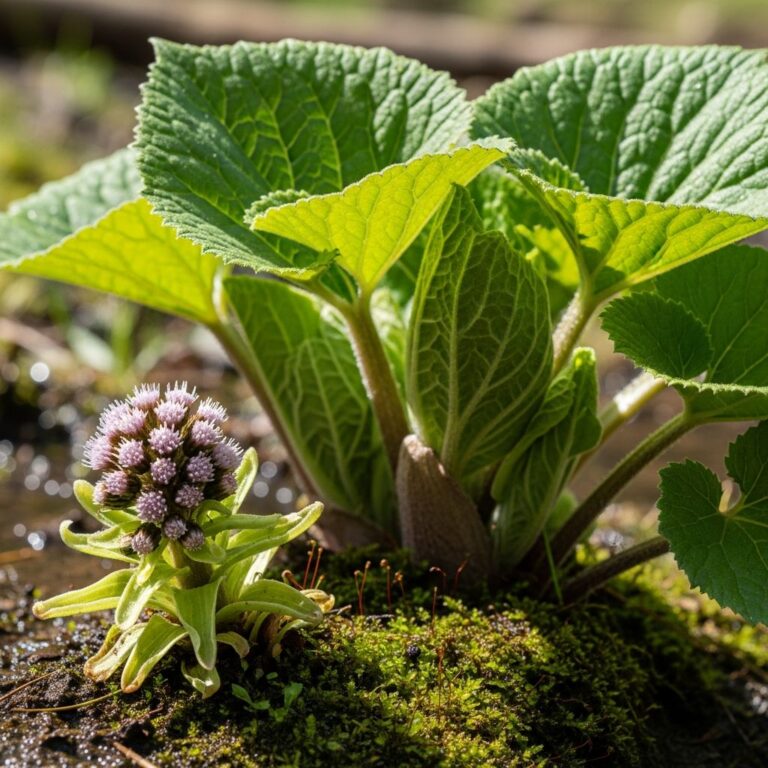
Kava dermopathy is a skin condition that occurs in patients who regularly consume kava, a traditional beverage made from the roots of the Piper methysticum plant.
What is kava?
Kava is made by infusing the dried roots of the kava plant in water, or less commonly, in coconut milk. It is consumed ceremonially and socially in Pacific Island cultures, particularly in Fiji, Vanuatu, and other South Pacific nations, for its anxiolytic and sedative effects due to active compounds called kavalactones.
In Fiji, kava dermopathy is known as kanikani, while in Australia it is also known as crocodile skin. The condition arises from chronic, heavy intake and manifests as a distinctive ichthyosiform eruption.
Who gets kava dermopathy?
Kava dermopathy occurs in people who are regular or heavy consumers of kava. It most commonly affects populations in the South Pacific and the Indigenous population of northern Australia.
Risk factors include:
- Heavy kava consumption (large amounts regularly).
- Long-term kava use (months or years).
- Pre-existing skin conditions like eczema, acne, or psoriasis.
- Genetic predisposition or family history of skin issues.
- Pacific Island ethnicity, where cultural heavy use is prevalent.
Prevalence studies report up to 34.6% in heavy-using Pacific Island populations.
Causes
The cause of kava dermopathy is unknown; however, several hypotheses have been proposed:
- Interference with cholesterol metabolism in the skin.
- Accumulation of kavalactones or flavopigments in skin tissues.
- Inhibition of cytochrome P450 enzymes, leading to elevated kavalactone levels.
- Defective metabolism or genetic susceptibility affecting kavalactone processing.
- Dose-response relationship with higher doses and prolonged duration increasing risk.
Scientific studies confirm a strong association with heavy, prolonged consumption, with kavalactones absorbed systemically and deposited in skin. Preparation methods may also influence risk.
Clinical features
The rash from kava dermopathy often begins on the head, face, and neck, then gradually becomes more generalised. It is ichthyosiform (resembling ichthyosis), characterised by:
- Rough, dry, scaly skin like sandpaper or crocodile skin.
- Polygonal scales, often without significant erythema.
- Discoloration ranging from pale yellow to dark brown.
- Itching, burning, or stinging sensations.
- Possible palmoplantar keratoderma (thickened skin on palms and soles).
- Rarely, facial swelling, hair loss, flushing, or peripheral neuropathy (numbness/tingling in extremities).
In acute toxicity, erythematous papules and plaques may appear on the face. Chronic cases show desquamating keratosis descending from face to feet.
Diagnosis
Kava dermopathy is usually a clinical diagnosis based on characteristic physical features, history of regular heavy kava consumption, and resolution upon cessation. Differential diagnoses include:
| Condition | Key Distinguishing Features |
|---|---|
| Malignancy (e.g., cutaneous T-cell lymphoma) | Biopsy shows atypical cells; less reversible. |
| Vitamin deficiencies (e.g., pellagra) | Associated with niacin deficiency; photosensitive. |
| Lipid absorption disorders | Systemic malabsorption symptoms. |
| Medications (e.g., statins, nicotinic acid) | Drug history; different rash pattern. |
| Infections (HIV, leprosy, HTLV-1) | Systemic signs, positive tests. |
Histopathology may show hyperkeratosis, acanthosis, and reduced granular layer, supporting ichthyosiform changes. No specific lab tests confirm it, but excluding mimics is key.
Related Stories



Management
Kava dermopathy clears up when consumption of kava is stopped, with reversibility in 83.3% of cases within weeks to months. Ongoing use leads to persistence and progression.
General management measures include:
- Cessation of kava: Essential for resolution.
- Soap-free cleansers to avoid irritation.
- Emollients (moisturizers) to hydrate skin.
- Keratolytics (e.g., urea, lactic acid creams) to reduce scaling.
- Balanced diet with fruits, vegetables, omega-3s, and hydration to support skin health.
- Stress management via meditation, yoga, exercise.
For acute severe cases, short courses of oral prednisone (e.g., 30 mg for 4 days) or topical hydrocortisone may help, unlike chronic dermopathy which responds mainly to abstinence. Cyclosporine or other immunosuppressants rarely used.
Frequently Asked Questions
What is kava dermopathy?
A reversible ichthyosiform skin rash from heavy, long-term kava use, known as kanikani or crocodile skin.
Is kava dermopathy dangerous?
No, it is benign and fully reversible upon stopping kava, though uncomfortable.
How long does it take to resolve?
Several weeks to months after cessation; 83% resolve fully.
Can it be prevented?
Yes, by moderate use, hydration, balanced diet, and monitoring skin changes.
Does everyone who drinks kava get it?
No, only heavy, prolonged users; prevalence ~35% in high-risk groups.
References
- Kava Dermopathy: Causes, Symptoms and Solutions — Fiji Vanua Kava. 2023. https://fijivanuakava.com/kava-dermopathy-causes-symptoms-and-solutions/
- Kava-induced acute cutaneous toxicity: An increasingly recognised entity — National Institutes of Health (PMC). 2018-11-01. https://pmc.ncbi.nlm.nih.gov/articles/PMC6232697/
- Kava Dermopathy: Kava Ichthyosis, Crocodile Skin — Academy of Cosmetic Dermatology. 2023. https://acadderm.com/kava-dermopathy-kava-ichthyosis-crocodile-skin/
- Kava dermopathy — DermNet NZ. 2023. https://dermnetnz.org/topics/kava-dermopathy
- A Human Health Risk Assessment: Kava — Food Standards Australia New Zealand. 2003. https://www.foodstandards.gov.au/sites/default/files/publications/Documents/30_Kava1.pdf
- Kava‐induced dermatitis: A detailed histopathological analysis — Wiley Online Library (Australasian Journal of Dermatology). 2024. https://onlinelibrary.wiley.com/doi/10.1111/ajd.14305
Similar Articles








Read full bio of medha deb