Kava: Uses, Safety, and What You Should Know
Explore kava's traditional and modern uses, evidence-based benefits, and important safety considerations for consumers.
What Is Kava?
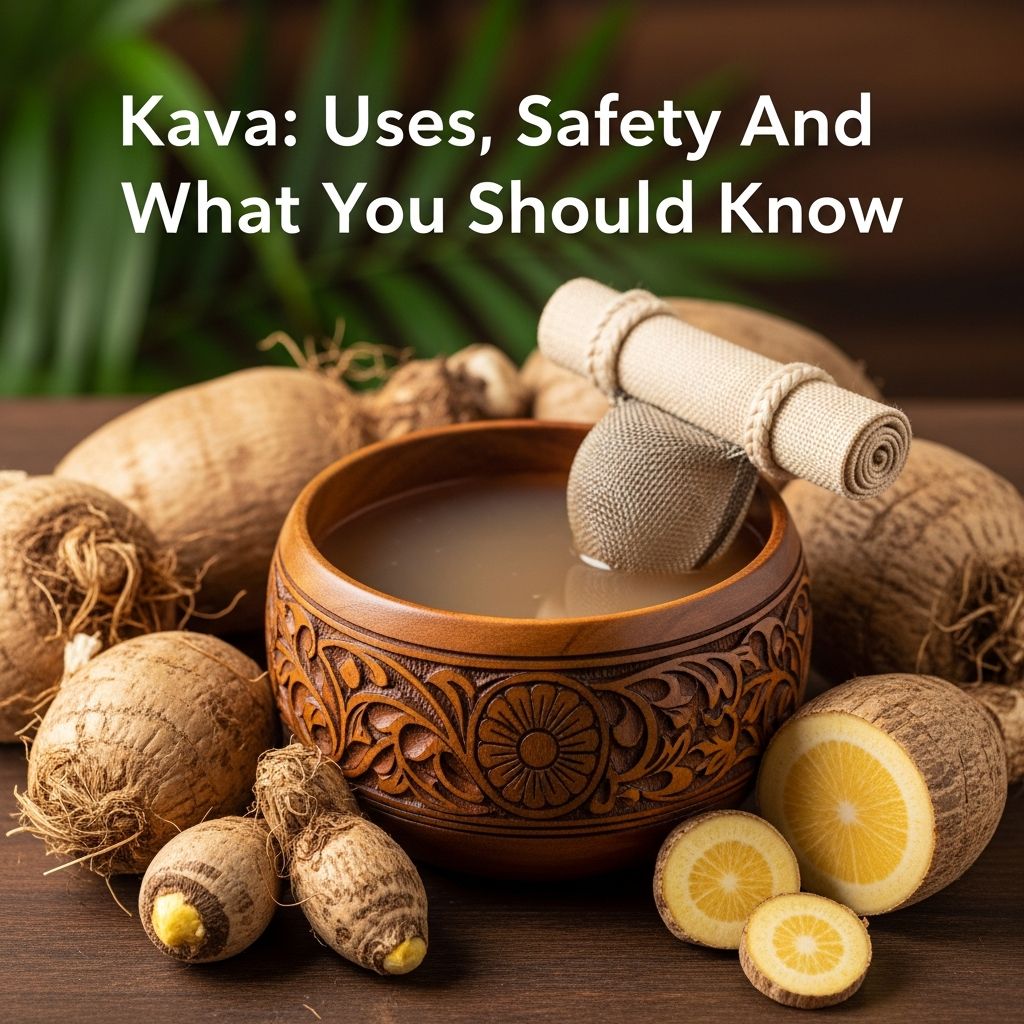
Kava, scientifically known as Piper methysticum, is a plant native to the South Pacific islands where it has been used for centuries in traditional ceremonies and social gatherings. The plant’s underground parts, particularly the rhizome and roots, contain compounds called kavalactones, which are believed to be the primary active ingredients responsible for kava’s effects. The kava beverage has deep cultural significance in Pacific Island communities, where it is traditionally prepared and consumed during social and ceremonial occasions. In modern times, kava has gained popularity in Western countries as a dietary supplement marketed for various health purposes, particularly for managing stress and anxiety.
Traditional Uses and Modern Applications
Historically, kava has been consumed in the South Pacific for its relaxing and social properties. In contemporary herbal medicine, kava supplements are marketed to help with anxiety, stress relief, insomnia, and general relaxation. The compound kavalactones work on the central nervous system to produce calming effects. Over the past few decades, kava has transitioned from a traditional beverage to a commercialized dietary supplement available in multiple forms including capsules, tablets, powdered extracts, and liquid preparations that can be mixed with beverages.
Forms and Dosage
Kava is available in several forms to accommodate different preferences and consumption methods. Tablets and capsules containing powdered kava offer standardized dosing, while liquid extracts provide flexibility in administration. Clinical research has established recommended dosage ranges for dietary supplements. Studies examining kava’s efficacy for anxiety typically used daily doses ranging from 20 to 300 milligrams of kavalactones, with particular effectiveness documented for mild to moderate anxiety conditions. Healthcare providers generally recommend that adults consume between 60 to 250 milligrams of kava daily in supplement form, though individual needs may vary based on personal health circumstances and individual response to the supplement.
Research on Anxiety and Mood
Numerous clinical trials have investigated kava’s potential benefits for anxiety management. A comprehensive review of 12 research studies found that kava supplements may have a small effect on reducing anxiety symptoms. The active compounds in kava, particularly the kavalactones, have demonstrated anxiolytic properties in controlled clinical settings. Research indicates that kava shows promise particularly for individuals experiencing mild to moderate anxiety, though results from some meta-analyses have been inconclusive regarding its effectiveness for generalized anxiety disorder.
The effectiveness of kava appears to be influenced by the specific cultivar used and the concentration of kavalactones in the preparation. Noble kava cultivars, which contain higher concentrations of kavain, are associated with enhanced quality and more predictable anxiolytic effects. In contrast, other cultivars containing higher levels of dihydrokavain and dihydromethysticin may produce less predictable effects and side effects including nausea and headaches that can persist for multiple days.
Potential Health Benefits Beyond Anxiety
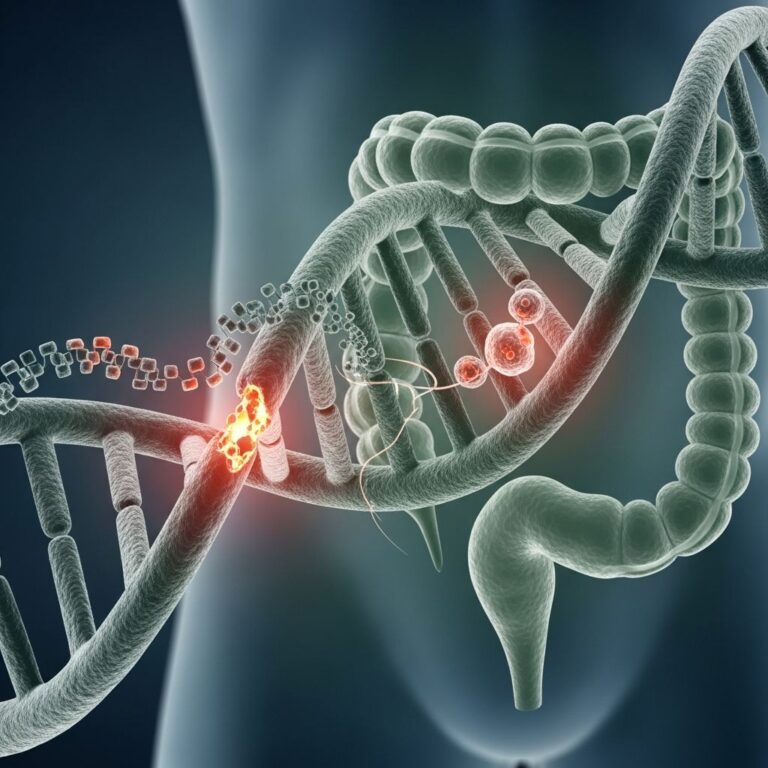
Recent scientific investigations have expanded understanding of kava’s potential therapeutic applications beyond traditional anxiety relief. Research conducted in laboratory and animal models has revealed promising chemopreventive and anticancer properties. Studies have demonstrated that kava and its key phytochemical components exhibit anti-inflammatory effects and show potential activity against carcinogen-induced tumor formation in several animal models.
Anticancer and Antitumor Research
Preclinical studies have documented kava’s ability to induce apoptosis (programmed cell death) and suppress cancer cell proliferation. In animal studies examining lung cancer prevention, kava treatments nearly completely blocked tumor formation when administered during cancer initiation stages. Specific compounds within kava, particularly dihydromethysticin, demonstrated remarkable chemopreventive activity at very low doses. A pilot clinical trial involving active smokers showed that kava increased the urinary excretion of carcinogenic metabolites and reduced certain cancer risk markers, suggesting potential protective effects against lung cancer development in this high-risk population.
Related Stories



Anti-inflammatory Properties
Beyond cancer research, investigations have identified kava’s anti-inflammatory potential. The plant’s bioactive compounds have shown the ability to modulate inflammatory pathways and reduce inflammatory markers in various experimental models. This anti-inflammatory activity may contribute to kava’s traditional use for various physical discomforts and could explain some of its broader health applications in traditional medicine.
Safety Considerations and Potential Risks
While kava has been used safely for centuries in the South Pacific, modern research has identified important safety considerations that consumers should understand. The most significant concern involves the potential for liver damage associated with kava supplement use. This represents a critical distinction between traditional kava preparation and concentrated supplement forms available in Western markets.
Liver Safety Concerns
Kava supplements have been linked to a risk of severe liver injury in some cases, and this concern has led regulatory agencies to recommend cautious use. The mechanism underlying kava-associated hepatotoxicity remains incompletely understood, but research suggests that certain components may be more problematic than others. Importantly, pipermethystine, a compound found in aerial parts of the kava plant sometimes included in herbal supplements but absent from traditional kava beverage preparations, has been identified as potentially hepatotoxic. Studies have shown that pipermethystine can decrease cellular energy levels, impair mitochondrial function, and trigger cell death in liver cells.
Cytochrome P450 Enzyme Interactions
Another important safety mechanism involves kava’s interaction with cytochrome P450 enzymes, which are responsible for metabolizing many pharmaceutical medications. Kavalactones can inhibit specific P450 isozymes, potentially leading to elevated plasma concentrations of co-administered drugs that could reach toxic levels. This inhibition of cytochrome P450 can result in significant drug interactions with numerous medications including those with sedative properties or those that require hepatic metabolism for elimination.
Common Side Effects
Beyond liver concerns, kava supplements commonly produce mild to moderate side effects in users. Frequently reported adverse effects include gastrointestinal symptoms such as nausea and digestive upset, fatigue and reduced energy, headaches, muscle aches and body pain, and trembling or shakiness. These side effects are generally mild and temporary but can significantly impact quality of life, particularly when they persist for multiple days as reported with certain kava cultivars.
Product Quality and Standardization Issues
A major challenge in the kava supplement industry involves the significant diversity of available products and the lack of standardization across manufacturers. Different kava cultivars contain vastly different ratios of kavalactones and other compounds, leading to variable efficacy and safety profiles. Traditional noble cultivars contain substantially lower levels of potentially problematic compounds like flavokavains compared to non-traditional cultivars used in some supplement preparations.
The quality and composition of kava products available to consumers varies considerably. Some preparations contain only the underground parts of the plant as used traditionally, while others include aerial portions that may contain higher concentrations of potentially hepatotoxic compounds. The relative concentration of the six major kavalactones significantly influences both the quality and the safety profile of kava products. Products standardized to contain specific kavalactone ratios typically demonstrate more predictable effects compared to unstandardized preparations.
Drug Interactions and Special Populations
Individuals taking prescription medications or over-the-counter products should exercise particular caution with kava supplements. The potential for herb-drug interactions may be especially significant for medications with overlapping sedative effects or for drugs that are metabolized by the same cytochrome P450 enzymes that kava inhibits. Co-ingestion of kava with medications metabolized by these enzymes could result in dangerous accumulation of the pharmaceutical agent or its metabolites in the bloodstream.
Healthcare providers recommend that people taking therapeutic medications consult with their physician or pharmacist before beginning kava supplementation to assess individual risk-benefit considerations and identify potential interactions with their specific medication regimen.
Regulatory Status and FDA Guidance
Kava remains legal to purchase and sell as a dietary supplement in the United States, despite documented safety concerns. However, the Food and Drug Administration recommends that consumers use kava with caution and remain informed about potential risks. The FDA’s position reflects the complex risk-benefit analysis surrounding this herbal product—while some potential benefits have been documented, the serious risk of liver damage cannot be ignored.
In some countries, kava supplements have faced more stringent regulatory action or restrictions due to hepatotoxicity concerns. Consumers should be aware that the regulatory status and available product forms may differ significantly between countries.
Quality Control and Future Research Needs
The herbal supplement industry faces significant challenges in ensuring consistent quality and safety of kava products. More rigorous quality control standards are needed to standardize kavalactone content and eliminate or minimize potentially harmful compounds like pipermethystine from supplement preparations. Comprehensive pharmacokinetic and absorption, distribution, metabolism, and elimination studies of individual kava phytochemicals are necessary to better understand how different compounds are processed in the body and to establish the relevance of mechanisms uncovered in laboratory studies.
Future research should focus on identifying which specific kava cultivars and preparation methods provide optimal therapeutic benefits while minimizing safety risks. Additionally, large-scale clinical trials are needed to better characterize kava’s safety profile and establish evidence-based recommendations for use in specific populations.
Frequently Asked Questions
Q: Is kava safe to use long-term?
A: Long-term safety of kava supplements has not been thoroughly established in clinical research. While kava has been used traditionally for centuries in the South Pacific, concentrated supplement forms may carry different risks than traditional beverage preparations. Consult a healthcare provider before using kava long-term, particularly if you have any liver conditions or take multiple medications.
Q: Can kava be taken with other anxiety medications?
A: Combining kava with prescription anxiety medications or sedatives may increase risks of excessive sedation and could lead to dangerous drug interactions through cytochrome P450 enzyme inhibition. Always inform your healthcare provider about kava use if you take any medications.
Q: How long does it take for kava to work?
A: Clinical studies show that kava’s anxiolytic effects typically become apparent within several days to weeks of consistent use. Individual response times may vary based on dosage, product quality, and personal factors.
Q: What is the difference between traditional kava preparation and supplement forms?
A: Traditional kava beverages use the underground parts of the plant and have been consumed safely for centuries in the South Pacific. Commercial supplements may include different plant parts, contain concentrated extracts, or include compounds like pipermethystine that are not present in traditional preparations, potentially affecting both efficacy and safety.
Q: Are there any populations who should avoid kava?
A: People with liver disease, those taking multiple medications, pregnant or breastfeeding women, and individuals with a personal or family history of liver problems should avoid kava or only use it under medical supervision.
References
- Kava as a Clinical Nutrient: Promises and Challenges — National Center for Biotechnology Information, U.S. National Library of Medicine. 2020-10-13. https://pmc.ncbi.nlm.nih.gov/articles/PMC7600512/
- Toxicity of Kava Kava — National Center for Biotechnology Information, U.S. National Library of Medicine. 2019-03-25. https://pmc.ncbi.nlm.nih.gov/articles/PMC5868963/
- Anxiety and Complementary Health Approaches — National Center for Complementary and Integrative Health (NCCIH), National Institutes of Health. 2024. https://www.nccih.nih.gov/health/anxiety-and-complementary-health-approaches
- Using Dietary Supplements Wisely — National Center for Complementary and Integrative Health (NCCIH), National Institutes of Health. 2024. https://www.nccih.nih.gov/health/using-dietary-supplements-wisely
- Calm Down With Kava: What Clinicians Need to Know — Slack Journals. 2022-05-23. https://journals.healio.com/doi/abs/10.3928/02793695-20220523-02
- A Phased Clinical Trial of Dietary Supplemental Kava — U.S. National Library of Medicine Clinical Trials Database. 2024. https://www.clinicaltrials.gov/study/NCT03843502
Similar Articles








Read full bio of Sneha Tete