Keep Foods Fresh After Opening: Expert Storage Tips
Expert tips from registered dietitians on storing opened foods to maximize freshness, safety, and reduce waste at home.
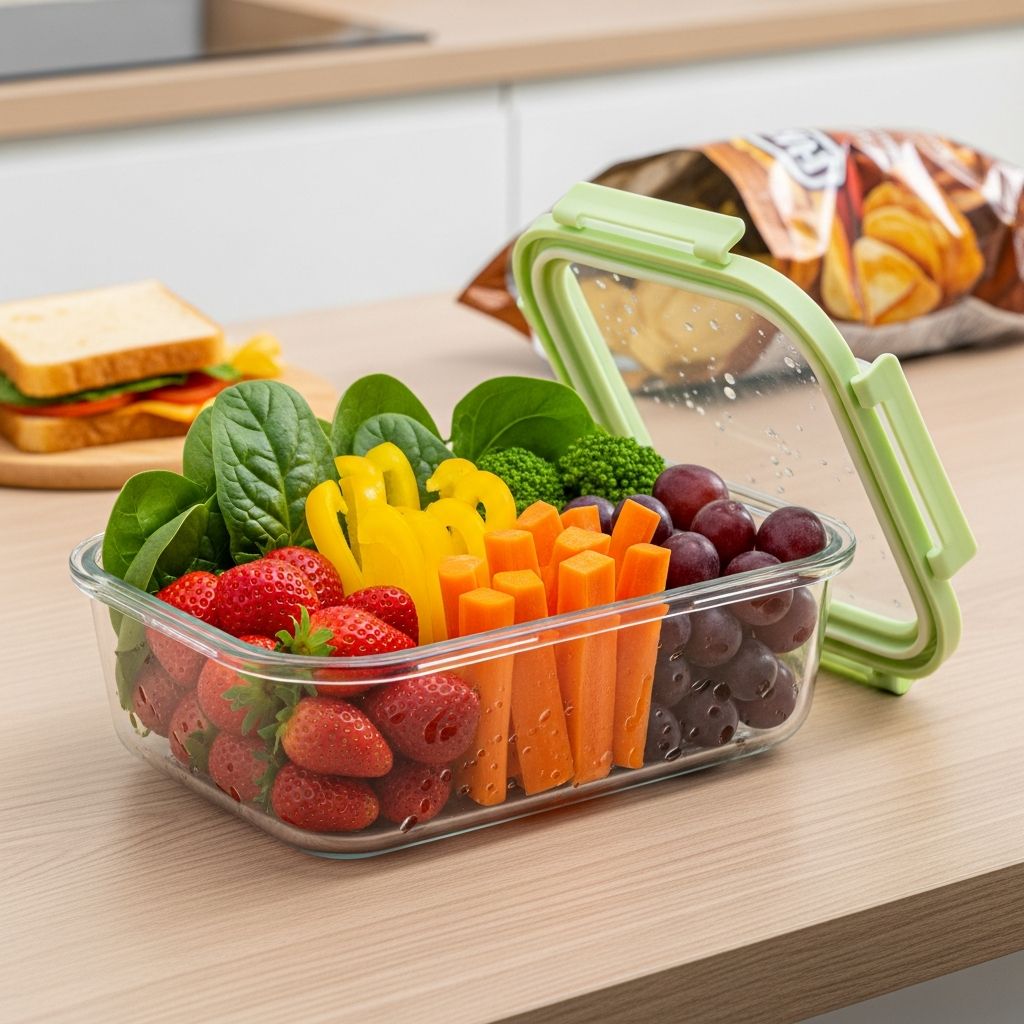
Once you open a package of food, its shelf life changes dramatically. Proper storage is key to maintaining freshness, flavor, nutrition, and most importantly, safety. According to the Academy of Nutrition and Dietetics, incorrect storage of opened foods can lead to bacterial growth, spoilage, and foodborne illness. This guide covers best practices for common opened items, drawing from expert recommendations to help you reduce waste, save money, and keep your family safe.
General Food Storage Principles
Maintaining the right temperature, container, and handling practices is essential for all opened foods. Refrigerate perishables within two hours (one hour if above 90°F) to stay out of the danger zone (40°F–140°F) where bacteria multiply rapidly. Use airtight containers to prevent moisture loss, odor absorption, and contamination. Avoid overloading refrigerators to allow cool air circulation, and keep the temperature at 40°F or below—use a thermometer to monitor. Clean your fridge weekly, discarding moldy items promptly to prevent spore spread. Date all containers and follow the ‘first in, first out’ rule by placing older items upfront.
Opened Pantry Staples
Many dry goods last longer if transferred from original packaging to airtight containers immediately after opening. Store in a cool (50°F–70°F), dry, dark pantry away from heat sources and chemicals.
- Rice, Pasta, and Flour: Keep in airtight containers to block insects, moisture, and odors. Whole-grain flour lasts 3–6 months in pantry or 6–8 months in freezer.
- Dried Fruits and Vegetables: Unopened last 6–12 months; after opening, use within 1–3 months or refrigerate for extended life. Refrigerate opened dried fruits up to 6 months to preserve freshness.
- Nuts: Fragile fats rancidify quickly at room temperature. Store in sealed glass or plastic in fridge for 4–6 months.
- Canned Goods: Transfer to covered glass or plastic; refrigerate. Unopened cans last years past dates if stored properly, but discard bulging or leaking ones.
Condiments and Sauces
High-acid condiments like ketchup resist bacteria but lose flavor without refrigeration. Always check labels, but most benefit from fridge storage post-opening.
| Condiment | Storage After Opening | Shelf Life |
|---|---|---|
| Ketchup | Refrigerate | Up to 6 months |
| Mayonnaise | Refrigerate tightly sealed | 2 months |
| Mustard | Refrigerate | 1 year |
| Maple Syrup | Refrigerate; discard if moldy | Up to 1 year |
| Soy Sauce | Refrigerate | 6 months |
For best quality, keep condiments toward the back of the fridge where it’s coldest. If separation occurs in mayo, stir well—don’t discard unless off-smelling.
Dairy Products and Eggs
Dairy is highly perishable. Store at 40°F or below, never in the door where temperatures fluctuate.
- Milk and Cream: Keep in original carton on a middle shelf; use within 7 days of opening.
- Cheese: Wrap hard cheeses in wax paper then foil; soft cheeses in original or airtight. Lasts 1–2 weeks.
- Yogurt and Sour Cream: Tightly sealed; 1–2 weeks.
- Eggs: Refrigerate in carton toward center; use within 3–5 weeks, but opened hard-boiled within a week.
Discard if moldy or off-odored. Freeze milk in small portions if nearing expiration.
Meat, Poultry, Fish, and Leftovers
Store raw proteins on the bottom shelf in leak-proof containers to prevent drip contamination. Use within 1–2 days or freeze. Leftovers: Cool quickly in shallow containers, refrigerate within 2 hours, consume within 3–4 days or freeze. Reheat to 165°F.
Related Stories



- Raw Meat/Poultry/Fish: Separate bags, lowest shelf; sniff test for spoilage.
- Cooked Leftovers: Date and front-load fridge; large batches in small containers for fast cooling.
Produce and Fresh Items
Separate fruits from veggies in crisper drawers to avoid ethylene gas speeding spoilage. Refrigerate cut produce immediately.
- Apples/Bananas: Room temp until ripe, then fridge.
- Leafy Greens: Wrap in damp towel, airtight bag; 3–5 days.
- Berries: Unwashed in vented container; wash before use.
- Potatoes/Onions: Cool, dry pantry separately; refrigerate cut pieces.
- Tomatoes: Counter until ripe, then fridge max 2–3 days; always fridge cut.
Surprising Foods to Refrigerate
Some pantry favorites need chilling post-opening to prevent rancidity or mold.
- Nuts: Fridge 4–6 months.
- Maple Syrup: Up to 1 year; toss moldy.
- Dried Fruit: 6 months.
- Ketchup: 6 months for optimal flavor.
- Bread: Freeze slices if not eating quickly to avoid staleness.
- Honey: Pantry ok, but fridge if humid.
Freezer Storage Tips
Freeze at 0°F or below. Use freezer-safe bags/containers, remove air, label with date. Most opened items extend 2–12 months.
- Leftovers: 2–3 months.
- Raw meats: 4–12 months.
- Flour/Nuts: 6–12 months.
Thaw in fridge, not counter.
Frequently Asked Questions (FAQs)
Q: How long do opened condiments last in the fridge?
A: Varies; ketchup 6 months, mayo 2 months. Always check for off odors or mold.
Q: Can I refreeze thawed meat?
A: Yes, if thawed in fridge and still fresh; cook before refreezing.
Q: What’s the danger zone for food?
A: 40°F–140°F; limit time there to prevent bacterial growth.
Q: How to store opened canned food?
A: Transfer to airtight container and refrigerate; flavor may change if left in can.
Q: When in doubt about leftovers?
A: Throw it out to avoid food poisoning.
Tools for Success
Download the USDA FoodKeeper App for precise timelines. Invest in fridge thermometers, airtight containers, and labels. Regular cleaning and organization prevent cross-contamination. Proper storage not only ensures safety but stretches your grocery budget by minimizing waste.
References
- Maximize Food Safety in a Mini-Fridge — Academy of Nutrition and Dietetics. 2023. https://www.eatright.org/food/home-food-safety/safe-food-storage/maximize-food-safety-in-a-mini-fridge
- Refrigerate — The Basics — Academy of Nutrition and Dietetics. 2023. https://www.eatright.org/food/home-food-safety/safe-food-storage/refrigerate—the-basics
- Leftover Safety — Academy of Nutrition and Dietetics. 2023. https://www.eatright.org/food/home-food-safety/safe-food-storage/leftover-safety
- Food Storage Safety Tips for the Cupboard — Academy of Nutrition and Dietetics. 2023. https://www.eatright.org/food/home-food-safety/safe-food-storage/food-storage-safety-tips-for-the-cupboard
- Where to Store Foods in the Kitchen — Academy of Nutrition and Dietetics. 2023. https://www.eatright.org/food/home-food-safety/safe-food-storage/where-to-store-foods-in-the-kitchen
- 10 Surprising Foods You Should Be Refrigerating — Academy of Nutrition and Dietetics. 2023. https://www.eatright.org/food/home-food-safety/safe-food-storage/10-surprising-foods-you-should-be-refrigerating
Similar Articles








Read full bio of medha deb