Kefir Benefits: 9 Science-Backed Health Perks
Discover the science-backed health benefits of kefir, from gut health and probiotics to bone strength and blood sugar control.
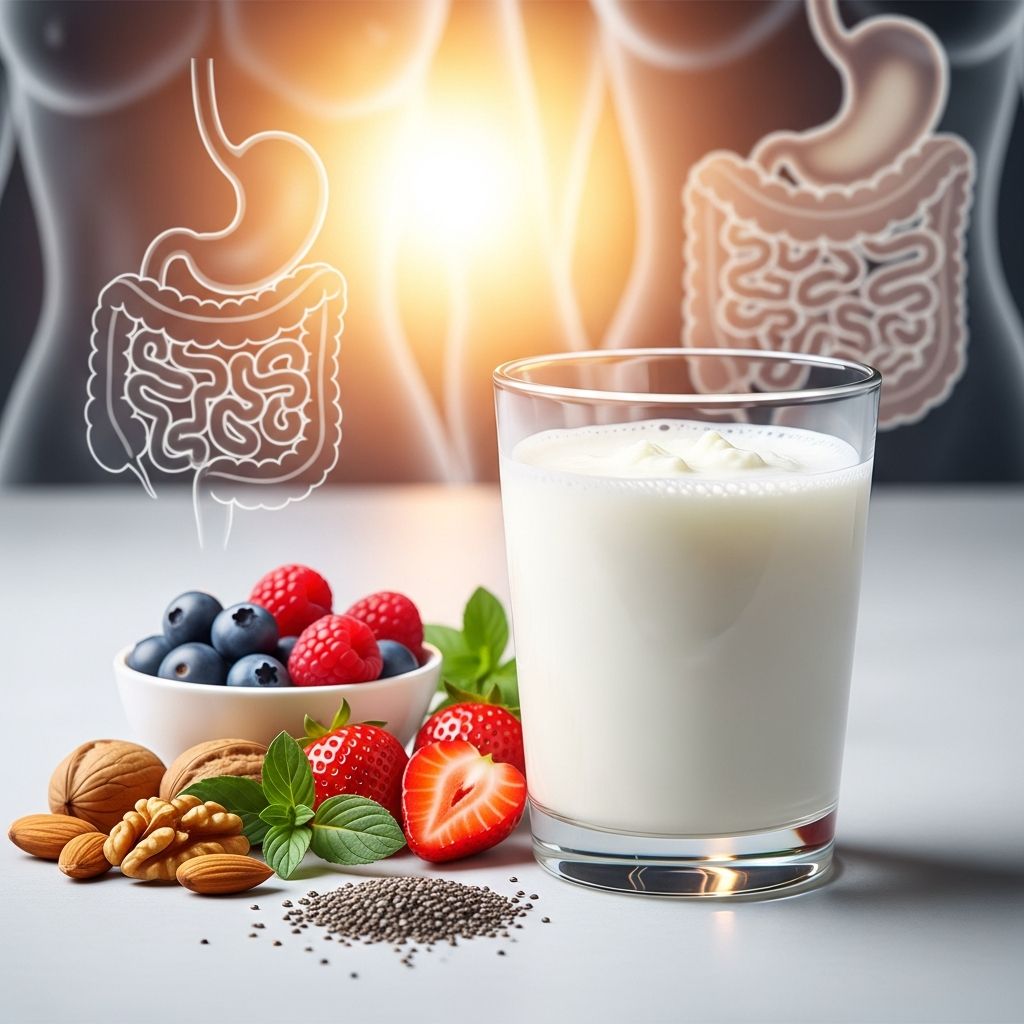
Kefir is a tangy, fermented milk drink originating from the Caucasus Mountains, brimming with diverse probiotics, vitamins, and minerals. Unlike yogurt, it contains up to 61 strains of bacteria and yeasts, making it a powerhouse for gut health and beyond. This article explores its nutrient profile, health advantages, and practical uses, drawing from scientific studies.
What Is Kefir?
Kefir is produced by fermenting milk with kefir grains—symbiotic cultures of bacteria and yeast that resemble tiny cauliflower florets. These grains transform milk into a effervescent, yogurt-like beverage rich in bioactive compounds like organic acids, peptides, and exopolysaccharides such as kefiran. Traditional dairy kefir uses cow, goat, or sheep milk, but non-dairy versions from coconut water or milk offer alternatives, though with varying nutrition.
The fermentation process reduces lactose significantly, making it digestible for many with lactose intolerance. Kefir’s microbial diversity surpasses yogurt, with strains like Lactobacillus kefiranofaciens and yeasts contributing to its unique fizz and health effects. Studies highlight its anti-inflammatory, antioxidant, and immunomodulatory properties from long-term consumption.
Kefir Nutrition Facts
A one-cup (about 240ml) serving of whole milk kefir delivers robust nutrition: approximately 104-160 calories, 9-11g protein, 11-12g carbs (mostly lactose broken down), and 2-6g fat. It’s exceptionally high in key nutrients:
- Calcium: 30-36% DV, vital for bones and muscles.
- Phosphorus: 20-30% DV, supports bone formation and energy metabolism.
- Vitamin B12: 25-29% DV, essential for nerve function and red blood cells.
- Riboflavin (B2): 25% DV, aids energy production.
- Vitamin D: 12% DV (in fortified versions), enhances calcium absorption.
- Magnesium: 6-7% DV, for muscle and nerve health.
Probiotics add postbiotics like short-chain fatty acids, boosting bioavailability. Non-dairy kefir lacks some dairy nutrients but retains microbial benefits.
| Nutrient | Amount per Cup | % Daily Value |
|---|---|---|
| Calories | 104-160 | – |
| Protein | 9-11g | 18-22% |
| Calcium | 300-400mg | 30-36% |
| Probiotics | 12+ strains | – |
9 Health Benefits of Kefir
1. Probiotic Powerhouse for Gut Health
Kefir excels as a probiotic source, far surpassing yogurt with its 30-61 microbial strains. These restore gut microbiome balance, combating dysbiosis linked to IBS, constipation, and diarrhea. Studies show kefir relieves chronic constipation and reduces inflammatory bowel disease symptoms by promoting beneficial bacteria growth.
Probiotics in kefir produce postbiotics that inhibit pathogens like E. coli and Salmonella, while aiding lactose digestion—ideal for intolerants. One study found daily kefir intake improved gut flora diversity, easing digestion issues.
2. Supports Strong Bones and Prevents Osteoporosis
Rich in calcium, phosphorus, vitamin D, and uniquely vitamin K2, kefir enhances bone density. Vitamin K2 directs calcium to bones, preventing arterial buildup. Animal studies confirm increased bone calcium absorption, reducing osteoporosis risk, especially in postmenopausal women.
Magnesium and protein further support bone repair. Human data links regular kefir consumption to higher bone mineral density, lowering fracture risks.
3. Antimicrobial and Antibacterial Effects
Related Stories



Kefir combats harmful bacteria effectively. Lab tests show it matches antibiotics against E. coli, Salmonella, and cavity-causing oral bacteria. Probiotics compete for resources and release antimicrobial byproducts.
It also protects teeth comparably to fluoride rinses. Kefir’s kefiran exopolysaccharide exhibits broad anti-microbial activity, including against fungi.
4. May Help Manage Blood Sugar and Diabetes
For type 2 diabetes, kefir aids glucose control. A study of diabetics drinking 20oz daily showed stabilized blood sugar. Its probiotics improve insulin sensitivity, while bioactive compounds like those in black rice-goat milk kefir promote beta-cell regeneration akin to medications.
Low glycemic index and peptides reduce post-meal spikes, supporting metabolic health.
5. Potential Anticancer Properties
Test-tube studies reveal kefir’s anti-tumor effects. Kefir extract reduced human breast cancer cells by 56% versus yogurt’s 14%. Its antioxidants and probiotics inhibit cancer cell growth and promote apoptosis.
Population studies link fermented dairy to lower colorectal cancer risk, though human trials are needed.
6. Improves Heart Health and Lowers Blood Pressure
Kefir benefits cardiovascular health via ACE inhibition, reducing blood pressure in hypertensive models. Chronic intake in rats lowered mean arterial pressure, heart rate, and hypertrophy by balancing TNF-α/IL-10 and improving baroreflex.
It restores endothelial function, reduces ROS/NO imbalance, and lowers cholesterol, supporting overall heart protection.
7. Boosts Immunity and Reduces Inflammation
Immunomodulatory effects from kefir enhance immune response. Probiotics stimulate antibody production and reduce inflammation markers. Anti-oxidative properties combat oxidative stress.
Benefits extend to allergies and asthma, with studies showing symptom relief.
8. Supports Muscle Health and Stress Reduction
High protein (more than an egg per serving) plus magnesium and phosphorus aid muscle repair and function. Kefir eases stress by modulating the gut-brain axis via microbiome improvements.
9. Low Lactose and Versatile for Diets
Fermentation breaks down 99% of lactose, suiting intolerants. Easy to make at home with grains, it’s sustainable and customizable.
How to Add Kefir to Your Diet
Start with 1/2-1 cup daily. Drink plain, blend into smoothies, use in dressings, or as yogurt substitute in recipes. Choose plain, low-sugar varieties; homemade ensures max probiotics. Store refrigerated; grains can be reused indefinitely.
- Smoothie: Kefir + berries + banana.
- Overnight oats: Mix with oats and chia.
- Soup thickener or marinade base.
Consult a doctor if immunocompromised or on antibiotics.
Potential Downsides and Precautions
Generally safe, but excess may cause bloating initially. Allergic to dairy? Opt for non-dairy. Homemade risks contamination if unhygienic. Those with histamine intolerance may react. Start slow to build tolerance.
Frequently Asked Questions (FAQs)
What is kefir made of?
Kefir grains (bacteria-yeast symbiosis) ferment milk, yielding a probiotic drink.
Is kefir better than yogurt?
Yes, due to greater microbial diversity and yeast content for broader benefits.
Can kefir help with lactose intolerance?
Absolutely; fermentation reduces lactose by up to 99%.
Does kefir help with weight loss?
Probiotics may aid weight management via gut health, but evidence is emerging.
How much kefir should I drink daily?
1-2 cups; adjust based on tolerance.
Is kefir good for skin?
Gut health links to clearer skin via reduced inflammation.
References
- Kefir and Its Biological Activities — PubMed Central. 2021-06-25. https://pmc.ncbi.nlm.nih.gov/articles/PMC8226494/
- 9 Evidence-Based Health Benefits of Kefir — Healthline. 2024-11-26. https://www.healthline.com/nutrition/9-health-benefits-of-kefir
- Is Drinking Kefir Healthy for You? — Cleveland Clinic. Accessed 2026. https://health.clevelandclinic.org/benefits-of-kefir
Similar Articles








Read full bio of medha deb