Kegel Exercises for Men: Benefits & How To Do Them
Strengthen your pelvic floor muscles with Kegel exercises for better bladder control and sexual function.
Understanding Kegel Exercises for Men
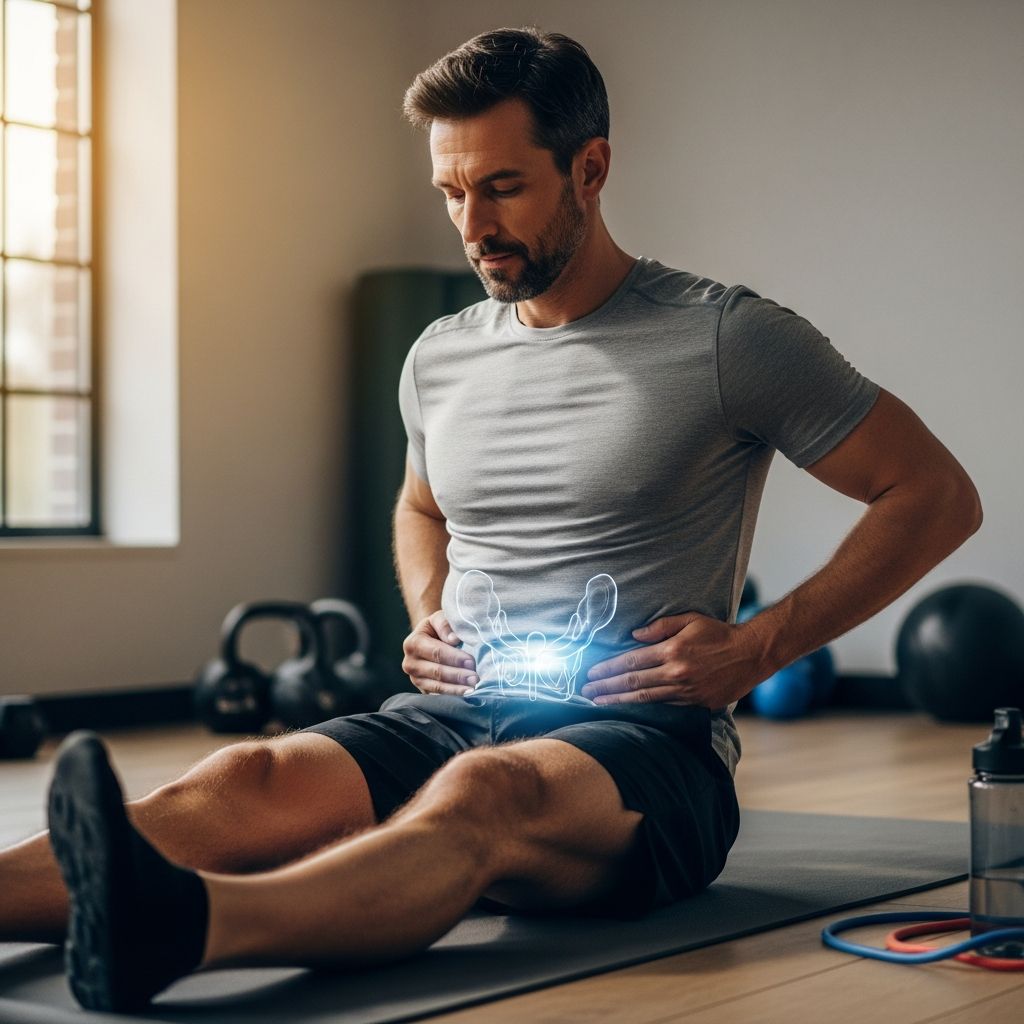
Kegel exercises are specialized movements designed to strengthen the pelvic floor muscles, a group of muscles that many people mistakenly believe only benefit women. In reality, men can gain substantial advantages from these simple yet effective exercises. The male pelvic floor muscles run from your tailbone to your pubic bone and serve critical functions in supporting your bladder and bowels while also playing a vital role in sexual function.
Unlike other forms of exercise that require equipment or significant time commitments, Kegel exercises can be performed virtually anywhere and at any time. Whether you’re sitting at your desk, standing in line, or lying in bed, these discreet exercises offer men a practical solution for improving their pelvic health and overall quality of life.
What Are Kegel Exercises?
Kegel exercises, often shortened to Kegels, are targeted muscle-strengthening movements focused on the pelvic floor muscles. These muscles are responsible for helping control your urinary and bowel functions, making them essential for maintaining continence throughout your life. Beyond these fundamental roles, the pelvic floor muscles also significantly impact sexual function by helping to control blood flow to your penis, creating erections, and managing ejaculation.
The beauty of Kegel exercises lies in their simplicity and accessibility. They require no equipment, no gym membership, and no special clothing. Once you understand how to perform them correctly, you can integrate them into your daily routine without disrupting your regular activities.
Benefits of Kegel Exercises for Men
Men with certain health conditions can experience transformative benefits from regular Kegel exercise practice. Understanding these benefits can help motivate consistent practice and demonstrate why these exercises deserve a place in your health routine.
Improved Bladder and Bowel Control
One of the most significant benefits of Kegel exercises is their ability to improve bladder and bowel health. The pelvic floor muscles act as a support system for these organs, and when properly strengthened, they can better control the openings to the bladder and bowel. This improved control can help prevent or reduce urinary and fecal incontinence, which affects many men at various life stages.
For men dealing with an overactive bladder or experiencing involuntary dribble after urination, strengthening the pelvic floor through Kegels can provide significant relief and restore confidence in daily activities.
Enhanced Sexual Performance and Function
The pelvic floor muscles are vital for encouraging blood flow to the penis and maintaining erections. When these muscles are strong enough, they exert pressure on the penile veins to prevent blood from leaving the penis, allowing men to maintain erections for longer periods. Additionally, being able to control the pelvic floor muscles on demand helps men delay ejaculation, providing greater command over sexual timing and satisfaction.
Related Stories



Strong pelvic floor muscles maintain better control over the flow of blood to the groin, which directly affects the intensity of male orgasms. Many men report experiencing more intensely felt orgasms after consistently practicing Kegel exercises.
Recovery After Prostate Surgery
Men preparing for prostate cancer surgery (prostatectomy) or recovering from prostate-altering procedures can benefit significantly from Kegel exercises. Studies have shown that Kegels help men recover after prostate surgery and can improve incontinence or loss of bladder control that often follows such procedures. The specialized physical therapy approach of Kegels helps restore pelvic floor muscle function in nearly all cases of post-surgery complications.
General Pelvic Floor Strengthening
Beyond specific conditions, Kegel exercises strengthen the overall pelvic floor muscles, providing men with a preventative health measure. Regular practice can help maintain muscle tone and function as men age, reducing the risk of incontinence and other pelvic floor-related issues later in life.
Factors That Weaken Pelvic Floor Muscles
Understanding what weakens your pelvic floor muscles can help you recognize why Kegel exercises might be beneficial for you. Several common factors contribute to pelvic floor muscle deterioration in men:
- Radical prostatectomy (surgical removal of the prostate)
- Overactive bladder conditions
- Natural aging process
- Being overweight or obesity
- Straining from chronic constipation
- Persistent coughing from smoking or respiratory conditions
- Diabetes and other metabolic conditions
By recognizing these risk factors in your own life, you can proactively address pelvic floor health before problems develop or worsen.
How to Find Your Pelvic Floor Muscles
Before you can effectively perform Kegel exercises, you must first identify the correct muscles to target. This is perhaps the most critical step in the process, as working the wrong muscles will not yield the desired benefits.
Identification Method One: The Urination Technique
To find your pelvic floor muscles, imagine that you’re trying to close the openings to stop yourself from peeing or passing gas. The muscles you tighten to accomplish this are your pelvic floor muscles. You can practice this identification method by actually stopping urination midstream, which clearly demonstrates which muscles control your urine flow.
Identification Method Two: The Scrotum Lift
You can also activate your pelvic floor muscles by using the muscles that pull your scrotum up toward your body. This alternative method helps some men more easily identify the correct muscle group.
Identification Method Three: The Finger Test
If you’re not entirely sure whether you’re using the right muscles, insert a finger into your rectum and try to flex these muscles. If you’re performing the exercise correctly, you should feel the muscles tighten, relax, and move up around your finger. This tactile feedback provides clear confirmation that you’ve located the correct muscles.
Important Note on Proper Form
When correctly performing a Kegel, you shouldn’t notice any movement of your body other than your pelvic floor muscles. For example, if you’re in a sitting position, you shouldn’t notice your buttocks squeezing or inner thighs moving together. A Kegel is a small, isolated squeezing (contraction) of only your pelvic muscles, not a full-body exercise.
How to Perform Kegel Exercises Correctly
Once you’ve identified your pelvic floor muscles, you can begin practicing Kegel exercises. Proper technique is essential for maximizing benefits and avoiding potential complications.
Basic Technique
Begin by contracting your pelvic floor muscles, imagining that you are trying to shut off the flow of urine, and then hold for 3-5 seconds. After the holding period, release and relax the muscles completely. This single contraction-relaxation cycle constitutes one Kegel exercise.
Starting Position Recommendations
You can do Kegel exercises anywhere, but you may wish to start in a seated position with your feet flat on the floor and support for your back. You may also try performing a Kegel exercise lying down on your back or lying on your side. As you become more comfortable with the exercises, you can progress to performing them while standing or walking.
Breathing During Exercise
Maintain normal, steady breathing throughout your Kegel exercises. Do not hold your breath, as this can reduce the effectiveness of the exercise and may cause unnecessary tension in other muscles.
Avoiding Accessory Muscle Engagement
For best results, focus on tightening only your pelvic floor muscles. Try not to flex the muscles in your stomach area, thighs, or buttocks simultaneously. Many beginners inadvertently engage these larger muscle groups, which dilutes the effectiveness of the exercise and can lead to incorrect muscle development patterns.
Progressive Training Schedule
Like any muscle-strengthening program, Kegel exercises should be performed progressively to build strength and endurance over time.
Recommended Daily Routine
You should strive to perform 10 Kegels three times per day—30 total daily repetitions. It’s a good idea to perform them in the morning, afternoon, and evening to distribute the work throughout your day. Alternatively, you can work up to doing 10 to 20 Kegels for five seconds each, at least three times per day.
Progressive Advancement
Don’t worry if you can’t hold the muscles for five seconds on your first attempt; it will get easier with practice. As your pelvic floor muscles strengthen, you can gradually increase both the duration of each contraction and the number of repetitions performed. You could also aim to do these sets in different positions—for example, one set lying down, one set seated, and one set standing.
Professional Guidance
You can ask your healthcare professional to create a Kegel exercise plan that’s tailored specifically for you. This personalized approach can account for your particular health situation, goals, and current pelvic floor muscle strength.
Important Precautions and Safety Considerations
While Kegel exercises are generally safe and well-tolerated, certain precautions should be observed to ensure optimal results and prevent complications.
Never Perform With a Catheter
You should never perform Kegel exercises with a Foley catheter in place. Performing Kegels with a catheter in place may cause bleeding or bladder muscle spasms. Wait until your catheter has been removed before beginning or resuming Kegel exercises.
Quality Over Quantity
Doing too many Kegel exercises can increase muscle tension or make your symptoms worse. It’s better to do fewer Kegels properly than to perform lots of Kegels incorrectly. If you feel pain after doing Kegels, stop immediately. Pain is a sign that you’re either doing too many repetitions or performing the exercise incorrectly.
Side Effects and Risks
When correctly performing Kegel exercises, there aren’t many risks or complications. They shouldn’t damage any muscles or cause any side effects when performed properly. However, improper technique or excessive repetitions can lead to muscle tension and discomfort.
Timeline for Results
Understanding when to expect improvements can help maintain motivation and ensure you give the exercises sufficient time to work. You can expect to see results after six to eight weeks of consistent practice. However, how long it takes to notice changes depends on how consistent you are with Kegel exercises and how weak your muscles initially were.
Some men may notice improvements in symptoms sooner, while others with more significant pelvic floor weakness may require longer to observe meaningful changes. The key is maintaining consistency and patience throughout your practice.
Frequently Asked Questions About Male Kegel Exercises
Q: Can men really benefit from Kegel exercises?
A: Yes, absolutely. While Kegel exercises are often associated with women’s health, men with certain health conditions can benefit significantly from strengthening their pelvic floor muscles. Benefits include improved bladder control, enhanced sexual function, and faster recovery after prostate surgery.
Q: How quickly will I see results from doing Kegels?
A: Most men can expect to see results after six to eight weeks of consistent practice. However, the timeline depends on your consistency with the exercises and the initial weakness of your pelvic floor muscles. Some improvements may be noticed sooner in certain symptoms.
Q: Can I do Kegel exercises while sitting at work?
A: Yes, this is one of the major advantages of Kegel exercises. They can be performed discreetly in virtually any position and location, including while sitting at your desk, making them easy to incorporate into your daily routine.
Q: What happens if I do too many Kegel exercises?
A: Performing excessive Kegel exercises can increase muscle tension or worsen your symptoms. It’s better to focus on quality over quantity and perform the recommended 30 total repetitions daily in proper form rather than attempting many more repetitions incorrectly.
Q: Are there any side effects from Kegel exercises?
A: When performed correctly, Kegel exercises have minimal risks or side effects. However, improper technique or excessive repetitions may lead to muscle tension or discomfort. If you experience pain, stop the exercises and consult with a healthcare professional.
Q: Can Kegel exercises help with erectile dysfunction?
A: Yes, Kegel exercises can help improve erectile function by strengthening the pelvic floor muscles, which are vital for maintaining blood flow to the penis and creating erections. They can also help with premature ejaculation by providing greater control over ejaculation timing.
Q: Should I continue Kegel exercises after seeing improvement?
A: Yes, ongoing practice is important for maintaining the strength and function of your pelvic floor muscles. Consider incorporating Kegels as a permanent part of your health routine, similar to other forms of exercise.
References
- Kegel exercises for men: Understand the benefits — Mayo Clinic. 2023. https://www.mayoclinic.org/healthy-lifestyle/mens-health/in-depth/kegel-exercises-for-men/art-20045074
- Kegel Exercises for Men: Benefits & How To Do Them — Cleveland Clinic. 2024. https://my.clevelandclinic.org/health/treatments/22211-kegel-exercises-for-men
- Kegel Exercises for Men: Understanding the Benefits — Intimate Rose. 2024. https://www.intimaterose.com/blogs/kegel-exercise/kegel-exercises-for-men
- Kegel Exercises: Benefits, How To & Results — Cleveland Clinic. 2024. https://my.clevelandclinic.org/health/articles/14611-kegel-exercises
- How Kegels Can Help After Prostate Surgery — Cleveland Clinic Health. 2024. https://health.clevelandclinic.org/post-prostate-surgery-kegel-exercises
Similar Articles








Read full bio of medha deb