Keloid Scar: What It Is, Symptoms, Treatment & Removal
Complete guide to understanding keloid scars, their causes, symptoms, and effective treatment options.
What Is a Keloid Scar?
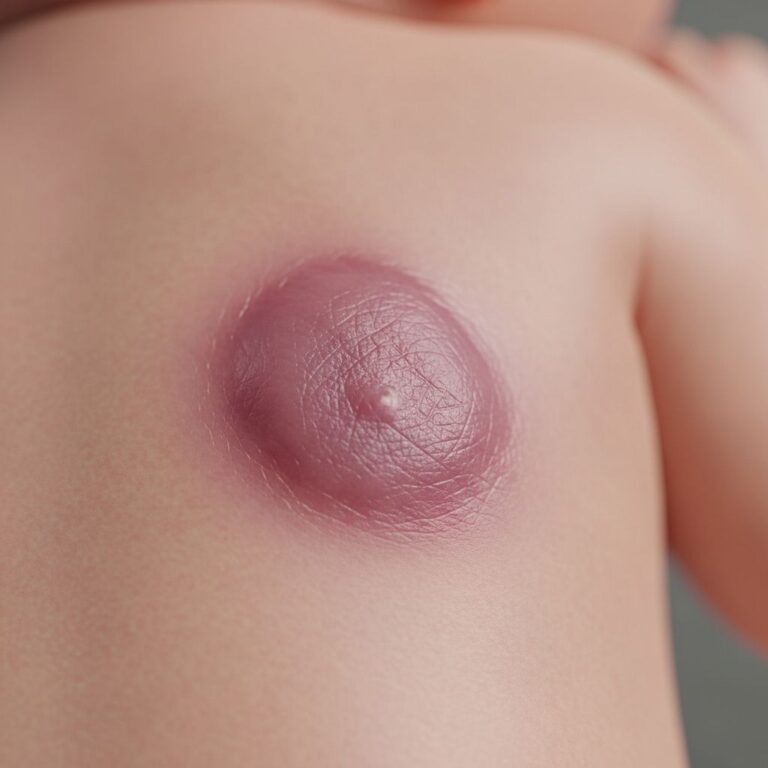
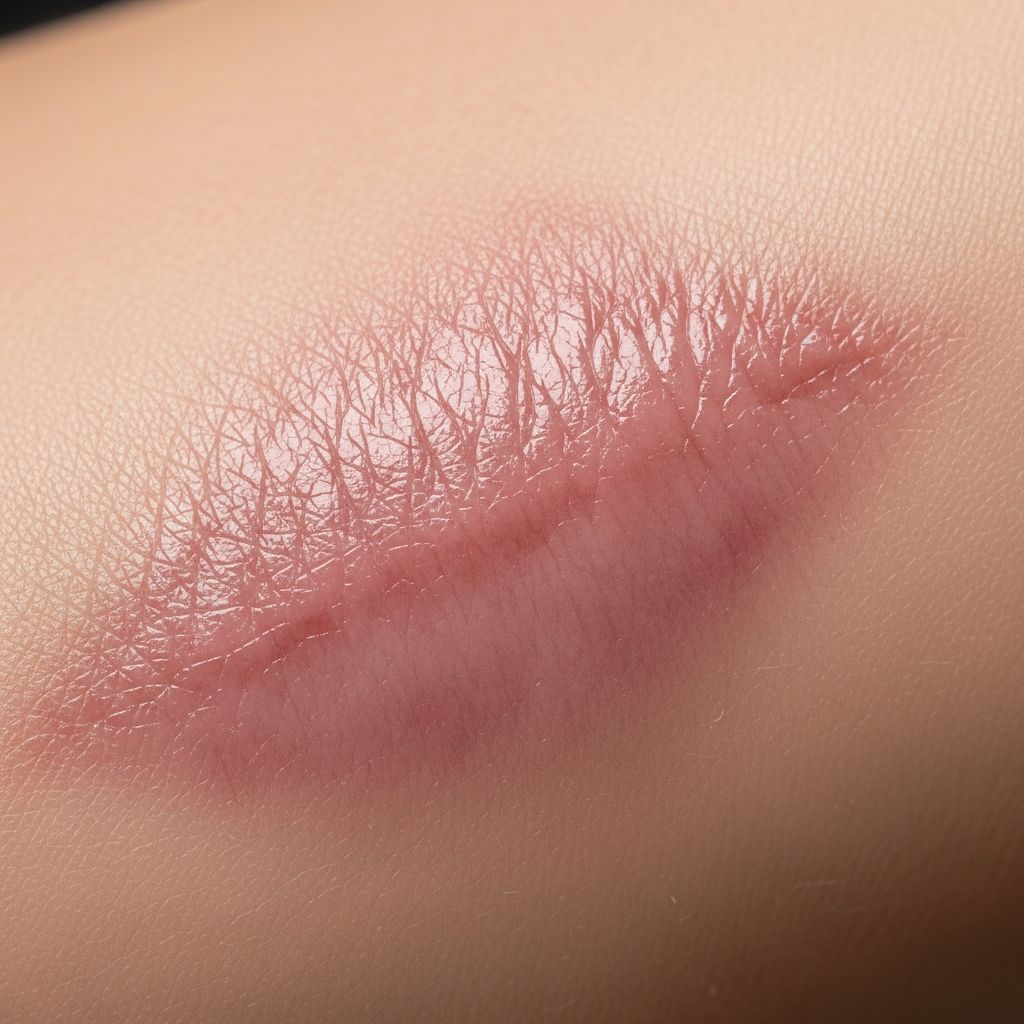
A keloid scar is a type of raised, overgrown scar tissue that develops after an injury to the skin. Unlike typical scars that fade and flatten over time, keloids continue to grow and expand well beyond the boundaries of the original wound. These distinctive scars typically form months to a year after the initial injury and can take months to years to fully develop. Keloids don’t fade naturally over time, making them a persistent cosmetic concern for many individuals who experience them.
The hallmark characteristic of a keloid is its growth pattern. It extends beyond the original wound margins, creating a raised, bulging appearance on the skin’s surface. Keloids are particularly problematic because they can be both visually noticeable and sometimes uncomfortable, potentially affecting the way people feel about their appearance and self-confidence.
Understanding the Causes of Keloid Formation
Keloid scars develop when your body produces excessive amounts of collagen during the wound healing process. Collagen is a crucial protein that provides support and strength to your skin. After an injury, your body naturally produces collagen to help rebuild and strengthen the damaged tissue. However, in individuals prone to keloid formation, this collagen production becomes excessive and uncontrolled, resulting in an overgrown scar.
The exact reason why some people’s bodies overproduce collagen while others don’t remains not fully understood by medical professionals. However, several factors contribute to keloid formation:
- Genetic predisposition and family history of keloids
- Skin tone and ethnicity (darker-skinned individuals have higher susceptibility)
- Age and hormonal changes during adolescence and early adulthood
- Location of the injury, particularly on the chest, shoulders, back, and ears
- Type and severity of the initial skin injury
- Genetic conditions affecting wound healing
Common Symptoms and Characteristics
Keloid scars present with distinctive symptoms that differentiate them from normal scars. Understanding these symptoms helps in early identification and treatment:
- Raised and enlarged appearance, growing larger than the original wound
- Persistent itching and skin irritation at the site
- Pain and tenderness, especially with pressure or movement
- Hard or soft texture varying by individual case
- Discomfort that may worsen with clothing friction or physical activity
- Varied coloration ranging from pink to purple to darker than surrounding skin
Keloids can manifest in various shapes and sizes, appearing round, oval, or oblong depending on the wound characteristics and individual healing response. The surface texture may be smooth or rough, and the discomfort might persist even after the scar stops growing. Some individuals experience pain specifically when pressure is applied to the keloid, while others report more generalized itching and tenderness.
How Keloids Develop Over Time
One of the defining characteristics of keloid scars is their slow, progressive growth pattern. Unlike hypertrophic scars that may stabilize after several months, keloids can continue expanding for months or even years after the initial injury. This prolonged growth phase makes them particularly challenging to manage, as the scar’s final size can be difficult to predict.
Related Stories



The development timeline varies significantly among individuals. Some people may notice keloid formation within a few months of injury, while others may not observe noticeable growth until a year or more has passed. This delayed presentation can make it difficult for individuals to connect the keloid to the original wound, especially if the initial injury was minor or occurred long ago.
Diagnosis of Keloid Scars
Diagnosing a keloid scar is typically straightforward for healthcare professionals. Dermatologists can usually identify keloids through visual examination alone, recognizing the characteristic raised, enlarged scar tissue that extends beyond the original wound boundaries. The distinctive appearance and growth pattern are usually sufficient for diagnosis.
In some cases, particularly when distinguishing keloids from other skin conditions or unusual presentations, a healthcare provider may recommend a skin biopsy. This involves taking a small tissue sample to examine under a microscope and rule out other potential diagnoses. However, this is not routinely necessary for most keloid cases.
Treatment Options for Keloid Scars
While complete elimination of keloids is not always possible, several evidence-based treatment options can significantly reduce their size, appearance, and associated symptoms. The most effective approach typically involves combining multiple treatment modalities tailored to the individual’s specific situation.
Corticosteroid Injections
Corticosteroid injections are among the most commonly recommended treatments for keloid scars. These injections work by softening the scar tissue and reducing inflammation, helping to flatten the keloid and prevent continued growth. Multiple injections administered over several treatment sessions often yield better results than a single injection.
While corticosteroid injections can effectively reduce keloid size and appearance, they may not completely eliminate the scar. Additionally, treated keloids have a tendency to recur after treatment completion. Some patients may experience skin discoloration, particularly light spots at the injection sites, which is generally temporary.
Pressure Garments
Pressure garments represent a non-invasive treatment approach that works by applying consistent pressure to the keloid, helping to flatten and soften the scar tissue. These specially designed garments must be worn for extended periods, typically 15 to 20 hours per day, often for weeks or months to achieve optimal results.
While pressure garments are effective, compliance can be challenging for many patients due to discomfort and the considerable time commitment required. Discussing realistic expectations and strategies for wearing these garments with your healthcare provider is essential for treatment success.
Laser Skin Resurfacing
Laser treatments can be used to address keloid scars, particularly for softening the scar tissue and improving skin texture and coloration. Laser therapy works by removing layers of scar tissue and stimulating collagen remodeling, though it is often combined with other treatments for optimal results.
Cryotherapy
Cryotherapy involves freezing the keloid tissue to reduce its size and appearance. This treatment can be effective for smaller keloids and is often used in combination with other therapies to enhance overall results.
Surgical Removal
Surgical removal of keloid scars is technically possible but comes with significant considerations. The primary challenge is that injuring the skin through surgical incision can paradoxically trigger the formation of an even larger keloid or cause the original keloid to return. For this reason, surgery is rarely recommended as a standalone treatment.
When surgery is deemed necessary, it is typically combined with other preventive measures. Healthcare providers may administer corticosteroid injections before surgery to prepare the skin and reduce keloid recurrence risk. Following surgical removal, patients usually wear compression garments to minimize the likelihood of keloid reformation.
Radiation Therapy
Radiation therapy represents a less common treatment option, typically reserved for cases where other treatments have failed or for use following surgical removal to prevent keloid recurrence. While radiation can be effective, the potential side effects may outweigh the benefits in many cases. Healthcare providers carefully evaluate individual circumstances before recommending this approach.
Personalized Treatment Planning
The most appropriate treatment strategy depends on several factors specific to each patient:
- Size, shape, and depth of the keloid scar
- Location on the body
- Individual health status and age
- Patient preferences and lifestyle considerations
- Previous treatment responses
Most keloid cases require a combination of treatments rather than a single intervention. Your healthcare provider will discuss available options, potential side effects, and realistic expectations before beginning treatment. It is crucial to seek professional guidance and not attempt self-treatment without medical approval, as improper treatment can worsen the condition.
Emotional and Psychological Impact
Beyond the physical characteristics, keloid scars can significantly affect emotional well-being and self-image. Many individuals experience self-consciousness about their appearance and may avoid social activities or situations that expose the scar. The visible nature of keloids, particularly those on the face, neck, or other exposed areas, can impact social confidence and quality of life.
Mental health support can be invaluable for individuals struggling with the psychological effects of keloid scars. Speaking with a mental health professional can help rebuild self-confidence, develop coping strategies, and address any body image concerns resulting from the scar’s presence.
Prevention and Risk Reduction
While keloid formation cannot always be prevented, certain strategies can reduce the risk of development or recurrence:
- Seek prompt professional care for skin injuries
- Follow proper wound care instructions to minimize infection risk
- Avoid unnecessary skin trauma and injuries
- If prone to keloids, inform healthcare providers before any procedures
- Protect healing wounds from tension and movement when possible
When to Seek Professional Help
You should visit a healthcare provider if you have a keloid scar that:
- Continues to grow or doesn’t improve with time
- Causes significant pain, itching, or discomfort
- Affects your movement or functionality
- impacts your emotional well-being or self-confidence
- Shows signs of infection
Frequently Asked Questions
Q: Are keloid scars dangerous or harmful to health?
A: Keloids are not medically dangerous, though they can be uncomfortable and cosmetically concerning. However, they can affect movement in rare cases if they develop over joints or areas with significant mobility.
Q: Can keloid scars be completely eliminated?
A: Complete elimination is challenging, but treatment can significantly reduce size and appearance. Most keloids respond to combined treatment approaches, though recurrence is possible.
Q: Who is most at risk for developing keloids?
A: Individuals with darker skin tones, positive family history of keloids, or genetic predisposition are at higher risk. Age, location of injury, and type of skin trauma also influence risk.
Q: How long does keloid treatment typically take?
A: Treatment duration varies widely depending on the approach used. Corticosteroid injections may take several months, while pressure garment therapy can extend several months or longer for optimal results.
Q: Can keloids develop from minor injuries?
A: Yes, keloids can develop from seemingly minor injuries, including piercings, small cuts, or even acne. The severity of the initial injury doesn’t necessarily correlate with keloid formation.
Q: What is the difference between keloids and hypertrophic scars?
A: Hypertrophic scars remain within the wound boundaries and may improve with time, while keloids extend beyond the original wound and continue growing without spontaneous improvement.
Conclusion
Keloid scars represent a unique dermatological challenge characterized by excessive collagen production and progressive growth beyond the original wound boundaries. While these raised, often uncomfortable scars can significantly impact appearance and emotional well-being, multiple treatment options are available to manage them effectively.
Treatment success typically depends on combining multiple approaches tailored to individual circumstances, including corticosteroid injections, pressure garments, laser therapy, and sometimes surgical intervention. Working closely with a qualified dermatologist ensures personalized treatment planning and realistic expectations about outcomes.
If you have concerns about a keloid scar or suspect you may be developing one, consulting a healthcare provider early can help optimize treatment results and prevent further complications. Remember that effective management is possible, and various options exist to improve both the appearance and comfort of keloid scars.
References
- Keloid Scar: What It Is, Symptoms, Treatment & Removal — Cleveland Clinic. 2024-10-22. https://my.clevelandclinic.org/health/diseases/keloid-scar
- Surgical Scar Tissue: A Less Talked-about Side Effect — Boulder Centre for Cosmetic and Reconstructive Surgery. https://www.bouldercentre.com/news/surgical-scar-tissue-less-talked-about-side-effect
- Wound Healing: Keloid and Hypertrophic Scars — Physiopedia. https://www.physio-pedia.com/Wound_Healing
- Scars: Treatment and Cause — Cleveland Clinic. https://my.clevelandclinic.org/health/diseases/11030-scars
- Natural Treatments for Scar Tissue — EBSCO Industries. https://www.ebsco.com/research-starters/complementary-and-alternative-medicine/natural-treatments-scar-tissue
Similar Articles








Read full bio of Sneha Tete