Keratitis: Causes, Symptoms, And Treatment Guide
Understanding corneal inflammation: causes, symptoms, diagnosis, and effective treatment options.
What Is Keratitis?
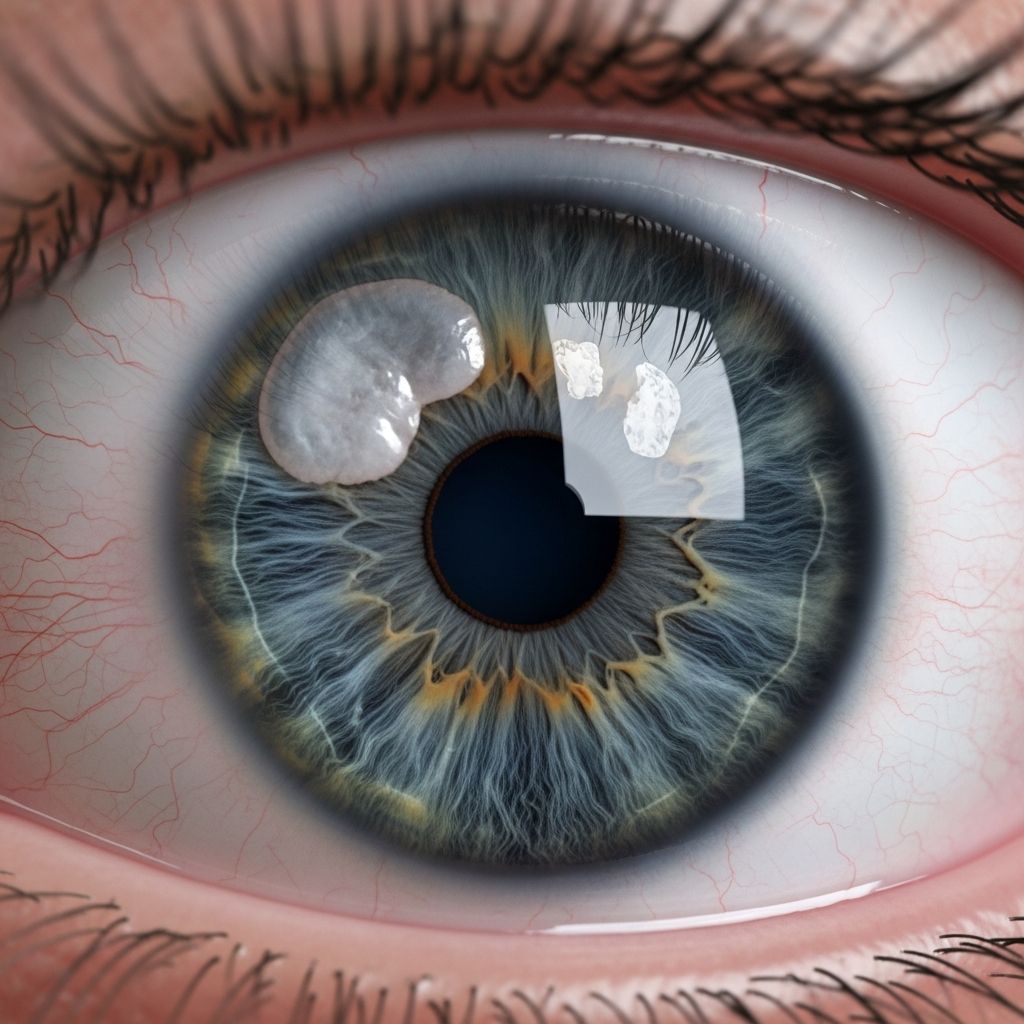
Keratitis is the medical name for inflammation of the cornea, the clear window that covers the iris and the pupil in your eye. The cornea plays a critical role in vision by focusing light onto the retina, making it essential for clear eyesight. When the cornea becomes inflamed or infected, it can significantly impact your vision and cause considerable discomfort. Keratitis, also known as corneal inflammation or corneal infection, is defined as inflammation in the cornea caused by an infection from bacteria, viruses, fungi, or parasites, or by injury to the eye. This condition can involve ciliary congestion, swelling in the cornea, and the entrance of inflammatory cells that contribute to the inflammatory response.
Types of Keratitis
Keratitis comes in several forms, each with distinct characteristics and treatment approaches. Understanding the type of keratitis you have is crucial for determining the most effective treatment plan.
Infectious Keratitis
Infectious keratitis occurs when a pathogenic organism invades the cornea. This form is sometimes referred to as a corneal ulcer when caused by infection. There are four main categories of infectious keratitis:
Bacterial Keratitis
Bacterial infections represent the most common type of infectious keratitis. These infections may be caused by improper care of contact lenses or by an eye injury. Improper storage or failure to clean contact lenses and contact lens cases can increase the risk of bacteria growing on their surfaces. Common bacteria involved include Pseudomonas aeruginosa and Staphylococcus species. Treating bacterial keratitis requires antibiotic eye drops prescribed by an eye care professional.
Viral Keratitis
Viral keratitis, particularly herpetic keratitis caused by the herpes simplex virus, can occur in individuals with a history of ocular herpes. This type of keratitis can recur and may become chronic. Antiviral eye drops are typically prescribed to treat viral forms of keratitis. In some cases, refractory herpetic keratitis may require advanced treatments such as topical foscarnet eyedrops.
Fungal Keratitis
Fungal infections are considered uncommon but serious forms of keratitis. They can originate from fungi found in plants, water, and soil. These infections often occur following an eye injury, particularly in outdoor environments, or in immunocompromised individuals. Fungal keratitis requires antifungal eye drops and can take longer to treat than bacterial infections.
Parasitic Keratitis
Parasitic infections such as acanthamoeba keratitis and microsporidia keratitis are rare forms of keratitis and can originate from contaminated bodies of water. Acanthamoeba keratitis is particularly associated with contact lens wear, especially when proper lens hygiene is not maintained. Antiparasitic eye drops are used for treatment, though some acanthamoeba infections are resistant to medication and can require treatment for several months.
Noninfectious Keratitis
Noninfectious keratitis develops without a pathogenic organism and results from other causes such as eye injuries, ill-fitting contact lenses, or having a foreign body stuck in the eye. This form of keratitis can also result from dry eye syndrome, chemical burns, or ultraviolet light exposure.
Causes of Keratitis
Keratitis can develop from various infectious and noninfectious causes. Understanding what causes keratitis is essential for prevention and early intervention.
Infectious Causes
Infectious keratitis can be triggered by multiple microorganisms including bacteria, viruses, fungi, and parasites. The specific cause depends on exposure history, contact lens usage, and individual risk factors.
Related Stories



Noninfectious Causes
Noninfectious keratitis develops from physical or chemical injury to the cornea. Common noninfectious causes include corneal abrasion from eye trauma, dry eye disease, chemical exposure, ultraviolet radiation burns, and complications from poorly fitting contact lenses.
Risk Factors for Keratitis
Anyone can develop keratitis, but certain factors significantly increase your risk of developing this condition. One major risk factor is wearing contact lenses. The relationship between contact lens wear and keratitis risk includes improper lens care, extended wear without proper cleaning, sleeping in contact lenses not designed for overnight wear, and using tap water or saliva to clean lenses instead of proper lens solution. Other risk factors for developing keratitis include:
- History of eye trauma or injury
- Compromised immune system or immunosuppressive medications
- Dry eye disease
- Recent eye surgery
- Chemical or thermal burns to the eye
- Eyelid problems that prevent proper eye closure
- History of herpes simplex virus or herpes zoster
- Exposure to contaminated water or soil
Symptoms of Keratitis
The symptoms of keratitis can vary in severity but typically develop rapidly. Common symptoms include eye pain that may range from mild discomfort to severe pain, redness or bloodshot appearance, light sensitivity or photophobia, excessive tearing or watery eyes, blurred vision or vision changes, feeling of a foreign body in the eye, difficulty opening the affected eye, and discharge from the eye that may be clear, purulent, or mucoid depending on the cause.
You should seek treatment immediately if you experience these symptoms, as keratitis can progress rapidly and potentially lead to permanent vision loss if left untreated. Early diagnosis and treatment are critical for preserving vision.
How Is Keratitis Diagnosed?
Keratitis is diagnosed through a comprehensive evaluation process conducted by an eye care professional. Your eye care provider will first ask you questions about your symptoms and medical history, including when symptoms began, contact lens wear habits, recent eye injuries, and any relevant medical conditions.
Diagnostic Tests and Procedures
Your eye care provider may perform some or all of the following tests to diagnose keratitis:
- Comprehensive eye exam: A thorough examination of your eyes to assess overall eye health and identify any abnormalities
- Slit-lamp exam: Your eye care provider will examine your eyes with a special instrument called a slit lamp that provides a bright source of light and magnification to detect the character and extent of keratitis and the effect it may have on other structures of the eye
- Fluorescein stain test: A special dye applied to the eye that helps visualize corneal damage and ulcerations
- Swab of eye discharge: A sample of discharge from the eye collected for laboratory analysis
- Laboratory analysis: Your eye care provider may take a sample of tears or some cells from your cornea for laboratory analysis to determine the cause of keratitis and to help develop a treatment plan for you
Treatment Options for Keratitis
Treatment for keratitis depends on the underlying cause and severity of the condition. Your eye care provider will develop a treatment plan tailored to your specific situation.
Treatment for Infectious Keratitis
Mild cases of infectious keratitis may be treated with antibacterial, antifungal, or antiviral eye drops prescribed by an eye care professional depending on the cause of symptoms. The specific medication used depends on whether the infection is bacterial, viral, fungal, or parasitic.
Severe cases may require the intervention of oral medication according to the American Optometric Association. These systemic medications work in conjunction with topical treatments to combat the infection more effectively.
For infections caused by acanthamoeba, treatment can be particularly challenging. If you have acanthamoeba keratitis, your eye care specialist will first try to treat and rule out viral and bacterial infections. Some acanthamoeba infections are resistant to standard medications and can require treatment for several months.
Treatment for Noninfectious Keratitis
Treatment may involve prescribed artificial tear eye drops that may be used for minor noninfectious cases. These help maintain corneal moisture and reduce irritation. For noninfectious keratitis, management focuses on removing the irritant, protecting the cornea, and allowing it to heal.
Supportive Care
Regardless of the cause, your eye care provider may recommend additional supportive measures such as discontinuing contact lens wear until the condition resolves, using protective eyewear to prevent further injury, and avoiding eye makeup during treatment.
Severity and Complications
Keratitis can be serious depending on the severity of symptoms, as it is one of the most common causes of corneal blindness. When detected early, keratitis can be effectively treated without loss of vision or vision impairment. However, when left untreated, infectious keratitis may lead to significant complications including vision impairment, corneal scarring, corneal blindness, and permanent loss of vision.
The duration of keratitis caused by infections may last between 24 to 48 hours, but this can vary between individuals and depends on the form of keratitis and its severity. Some cases, particularly parasitic infections, may require prolonged treatment.
Prevention of Keratitis
If you wear contact lenses, you can significantly reduce your risk of developing keratitis by following proper lens care practices. Always clean and disinfect your contact lenses according to your eye care provider’s instructions. Never sleep in contact lenses unless they are specifically designed and approved for overnight wear. Use only approved contact lens solutions, and never use tap water or saliva to clean your lenses. Replace your contact lens case regularly, at least every three months.
Additional prevention strategies include protecting your eyes from injury by wearing appropriate eyewear during sports and when working with tools or chemicals. If you have a history of herpes simplex or herpes zoster, discuss preventive measures with your eye care provider. Maintain good overall health and follow your healthcare provider’s recommendations for managing conditions that compromise your immune system.
When to Seek Medical Attention
You should seek immediate medical attention if you experience eye pain, significant redness, excessive tearing, vision changes, light sensitivity, or any discharge from your eye. Do not delay seeking care, as keratitis can progress rapidly and potentially result in permanent vision loss if not treated promptly.
Frequently Asked Questions
Q: What is the difference between keratitis and a corneal ulcer?
A: Keratitis is a more general term for inflammation of the cornea that can be infectious or noninfectious. A corneal ulcer is an infectious form of keratitis involving an open sore on the cornea.
Q: Can keratitis cause permanent vision loss?
A: Yes, if left untreated, keratitis is one of the most common causes of corneal blindness. However, when detected early and treated appropriately, most cases can be resolved without permanent vision loss.
Q: Is keratitis contagious?
A: Infectious keratitis can potentially spread through contact with contaminated materials, particularly contact lenses and lens cases. Noninfectious keratitis is not contagious.
Q: How long does keratitis take to heal?
A: Keratitis caused by infections may last between 24 to 48 hours with appropriate treatment, but this varies depending on the type and severity. Some cases, particularly parasitic infections, may require treatment for several months.
Q: Can I wear contact lenses while treating keratitis?
A: No, you should discontinue contact lens wear until your eye care provider confirms that keratitis has resolved. Wearing contact lenses during treatment can interfere with healing and increase the risk of complications.
Q: What should I do if I think I have keratitis?
A: Contact your eye care provider immediately. Your provider will conduct tests to confirm the diagnosis and determine the cause, then develop an appropriate treatment plan for your specific type of keratitis.
References
- Keratitis: Types, Symptoms & Treatment — Cleveland Clinic. 2024. https://my.clevelandclinic.org/health/diseases/24500-keratitis
- Corneal Ulcer: Symptoms, Causes & Treatment — Cleveland Clinic. 2023. https://my.clevelandclinic.org/health/diseases/22524-corneal-ulcer
- Acanthamoeba Keratitis: Symptoms, Treatment & Prevention — Cleveland Clinic. 2023. https://my.clevelandclinic.org/health/diseases/21560-acanthamoeba-keratitis
- Keratitis: Diagnosis and Treatment — Mayo Clinic. 2024. https://www.mayoclinic.org/diseases-conditions/keratitis/diagnosis-treatment/drc-20374114
- Foscarnet Eyedrops for the Treatment of Refractory Herpetic Keratitis — National Center for Biotechnology Information. 2024. https://pmc.ncbi.nlm.nih.gov/articles/PMC11499480/
- Corneal Diseases: An Overview — Cleveland Clinic. 2023. https://my.clevelandclinic.org/health/diseases/8586-corneal-disease
Similar Articles








Read full bio of Sneha Tete