Undefined Keratolytic Agents: 6 Conditions They Treat
Discover how keratolytic agents treat hyperkeratosis, acne, psoriasis, and more by breaking down excess skin keratin safely and effectively.
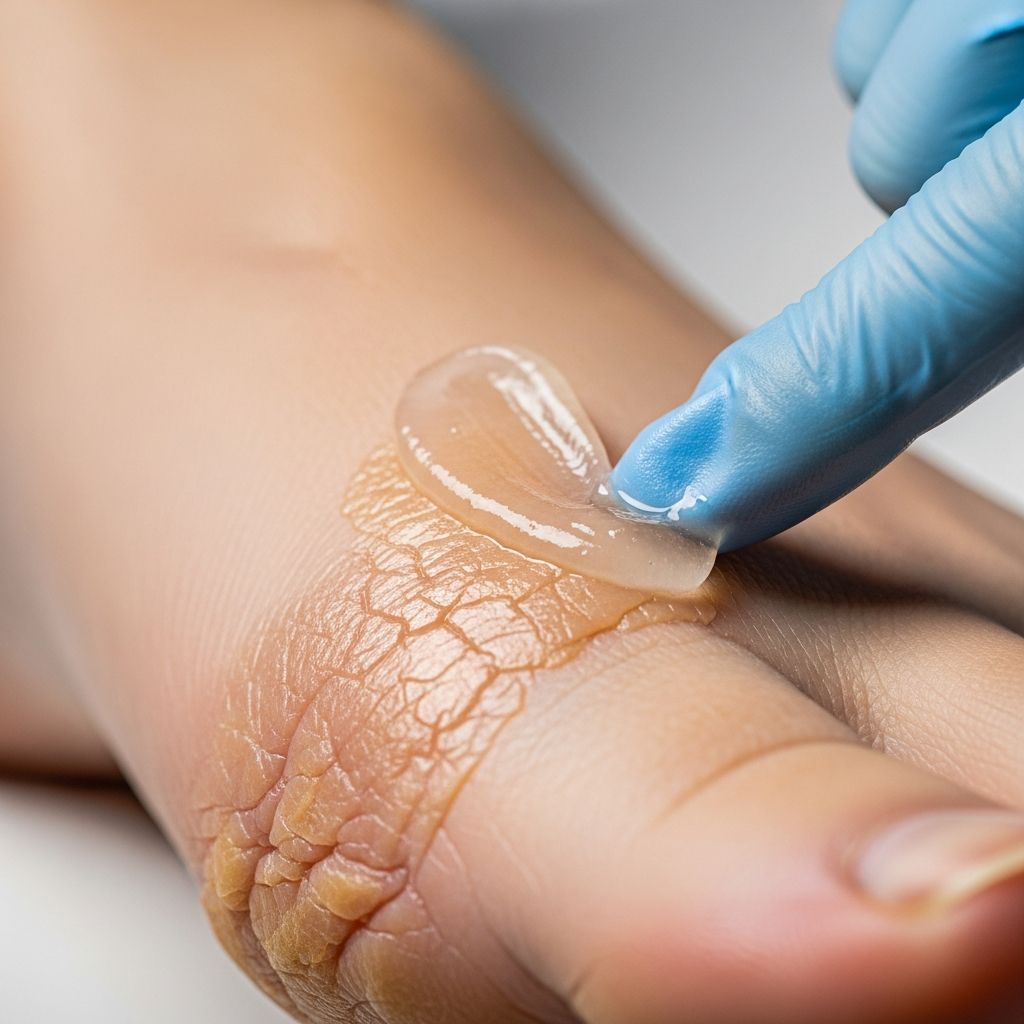
Keratolytic agents are topical medications that break down the outer layer of the skin, known as the stratum corneum, by softening and dissolving keratin, the tough protein that forms this protective barrier. These agents are essential in dermatology for managing conditions characterized by excessive skin buildup, such as hyperkeratosis, psoriasis, acne, and ichthyosis. By promoting desquamation—the natural shedding of dead skin cells—they improve skin texture, enhance moisture retention, and facilitate penetration of other treatments.
What are keratolytic agents?
Keratolytics work primarily by disrupting the bonds between corneocytes (dead skin cells) in the stratum corneum. This action loosens thickened skin, allowing it to peel away gently. Unlike mechanical exfoliants, which can cause irritation or micro-tears, keratolytics provide a controlled chemical exfoliation suitable for chronic use. They are particularly valuable for dry, scaly, or thickened skin where natural shedding is impaired.
Common mechanisms include:
- Softening keratin through hydrolysis or acidification of the skin surface.
- Increasing moisture binding to hydrate and plump the skin barrier.
- Reducing intercellular cohesion to promote shedding.
- Unplugging pores and reducing inflammation in conditions like acne.
Who is at risk of hyperkeratosis?
Hyperkeratosis refers to excessive keratin production leading to thickened skin. It affects individuals with:
- Genetic disorders like ichthyosis or palmoplantar keratoderma.
- Chronic inflammatory conditions such as psoriasis or eczema.
- Occupational exposure to friction (e.g., calluses in manual laborers).
- Age-related dryness or environmental factors like cold weather.
- Underlying infections or fungal issues contributing to scaling.
Those with atopic dermatitis or diabetes are also prone due to impaired skin barrier function.
What conditions are keratolytics used for?
Keratolytic agents treat a wide range of hyperkeratotic and scaling disorders:
- Psoriasis: Thins plaques and scales, improving penetration of topical steroids.
- Acne: Unclogs pores, reduces comedones, and prevents breakouts.
- Warts and corns: Softens lesions for easier removal.
- Ichthyosis and keratosis pilaris: Smooths rough, dry patches.
- Seborrheic dermatitis and dandruff: Removes flakes and controls Malassezia yeast overgrowth.
- Calluses and dry skin: Promotes hydration and exfoliation.
| Condition | Key Benefit of Keratolytics | Example Agent |
|---|---|---|
| Psoriasis | Scale softening | Salicylic acid |
| Acne | Pore decongestion | Salicylic acid |
| Dandruff | Flake reduction | Sulfur |
| Ichthyosis | Moisturizing exfoliation | Urea |
Types of keratolytic agents
Urea
Urea is a humectant and keratolytic at concentrations above 10%. It draws water into the skin while breaking hydrogen bonds in keratin, ideal for dry, ichthyotic skin. Available in creams (10-20%) or ointments (20-40%). Effective for hyperkeratotic legs and heels.
Salicylic acid
A beta-hydroxy acid (BHA) that penetrates pores to exfoliate and dissolve debris. Used at 2-6% for acne, up to 40% in plasters for warts. Anti-inflammatory properties reduce redness.
Lactic acid
An alpha-hydroxy acid (AHA) that hydrates while exfoliating. Gentler than salicylic acid, suitable for sensitive skin in 5-12% formulations. Improves photoaged skin and keratosis pilaris.
Fruit acids (alpha hydroxy acids)
Related Stories



Derived from fruits (e.g., glycolic, mandelic acid), these AHAs loosen stratum corneum bonds. Used in 5-10% peels or creams for mild hyperkeratosis and photoaging.
Propylene glycol
A solvent and humectant that enhances penetration and mildly keratolyses. Often combined with other agents for enhanced efficacy in dry skin.
Other agents
- Sulfur: Keratolytic and antifungal; excellent for scalp conditions like seborrheic dermatitis.
- Coal tar: Reduces scaling in psoriasis; keratolytic with antiproliferative effects.
- Retinoids (tretinoin, tazarotene): Normalize keratinization for acne and psoriasis.
- Benzoyl peroxide: Mild keratolytic with antibacterial action for acne.
Clinical use and preparations
Keratolytics are formulated as creams, gels, ointments, lotions, shampoos, or tapes. Occlusion (e.g., plastic wrap) enhances efficacy for thick plaques. Start with low concentrations to build tolerance.
Application protocol:
- Cleanse affected area with lukewarm water.
- Pat dry gently.
- Apply thin layer; avoid rubbing.
- Allow to dry (5-10 minutes).
- Wash hands thoroughly.
- Use 1-3 times daily as directed.
For scalp: Leave-on shampoos with salicylic acid or sulfur for 5 minutes before rinsing.
Adverse effects
Generally safe, but may cause:
- Irritation: Stinging, burning, erythema—worse on broken skin.
- Dryness: Especially high-strength urea or salicylic acid.
- Allergic reactions: Rare; discontinue if rash occurs.
- Systemic absorption: Minimal, but avoid large areas in children or salicylism risk with salicylic acid overuse.
Precautions: Not for genital warts, infected skin, or near eyes/mucous membranes. Use sunscreen as AHAs increase photosensitivity.
Differential diagnosis
Rule out fungal infections (e.g., tinea), eczema, or malignancy before starting. Biopsy if atypical.
Prevention
Moisturize daily, use emollients post-keratolytic, avoid harsh soaps, and manage underlying conditions.
Frequently Asked Questions (FAQs)
Q: How long until keratolytics work?
A: Visible improvement in 1-4 weeks with consistent use; full effects may take months for chronic conditions.
Q: Are keratolytics safe for children?
A: Yes, in low concentrations under medical supervision; avoid high-strength on large areas.
Q: Can I use keratolytics during pregnancy?
A: Topical salicylic acid <2% is generally safe; consult a doctor for others like retinoids.
Q: Do keratolytics bleach fabrics?
A: Sulfur-based products may discolor light fabrics; rinse well.
Q: What’s the best keratolytic for scalp psoriasis?
A: Coal tar or salicylic acid shampoos combined with steroids.
References
- How Do Keratolytic Agents Work? – Uses, Side Effects, Drug Names — RxList. 2023. https://www.rxlist.com/how_do_keratolytic_agents_work/drug-class.htm
- Keratolytic Agents on the Scalp: Use Protocol — Better Scalp Company. 2024-05-15. https://betterscalpcompany.com/en-us/blogs/news/keratolytic-agents-on-the-scalp-use-protocol
- Keratolytic — Wikipedia (citing primary sources). 2025-01-10. https://en.wikipedia.org/wiki/Keratolytic
- Topical Keratolytics — Rixis Dermatology. 2024. https://www.rixisdermatology.com/topical-keratolytics
- Keratolytic Agents — DrugBank Online. 2025. https://go.drugbank.com/categories/DBCAT000884
Similar Articles








Read full bio of medha deb