Keratosis Pilaris Symptoms: What To Know And How To Treat
Understanding the common skin condition causing rough, bumpy patches on arms, thighs, and more—symptoms, causes, and management tips.
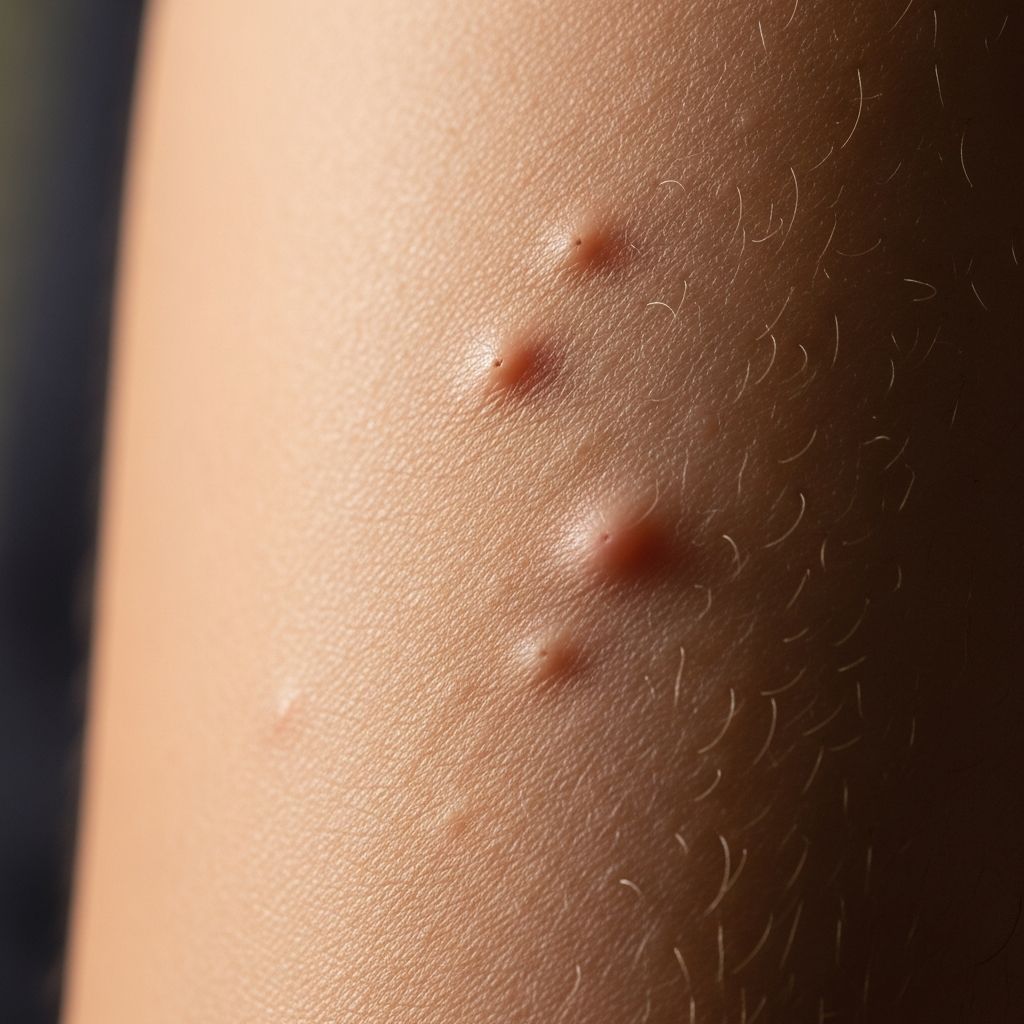
Keratosis pilaris (KP) is a widespread, benign skin disorder characterized by small, rough bumps due to keratin buildup in hair follicles, commonly affecting the upper arms, thighs, cheeks, and buttocks.
What Is Keratosis Pilaris?
Keratosis pilaris, often called “chicken skin” or “goosebumps,” is a harmless condition where excess keratin—a protective protein—forms plugs that block hair follicles, leading to dry, bumpy patches. It typically begins in childhood, peaks in adolescence, and may improve or resolve by adulthood, though it persists in some cases. Unlike acne, these bumps are not pimples and rarely cause pain, though they can itch mildly or worsen with dry weather.
The condition affects up to 40-50% of adolescents and about 40% of adults, with a genetic link often seen in families or alongside atopic dermatitis. It occurs when keratin accumulates abnormally around follicles, creating a sandpaper-like texture.
Symptoms of Keratosis Pilaris
The hallmark symptom of keratosis pilaris is clusters of small, painless bumps resembling gooseflesh, typically skin-colored but red on lighter skin or darker on brown or Black skin tones. These patches feel rough and dry, like sandpaper, and most commonly appear on the outer upper arms, thighs, and buttocks.
- Primary signs: Tiny, follicular papules (0.5-2 mm) with surrounding redness or scaling.
- Texture: Dry, rough skin that worsens in low-humidity seasons like winter.
- Itchiness: Occasional mild itching, especially if skin is very dry; rarely painful.
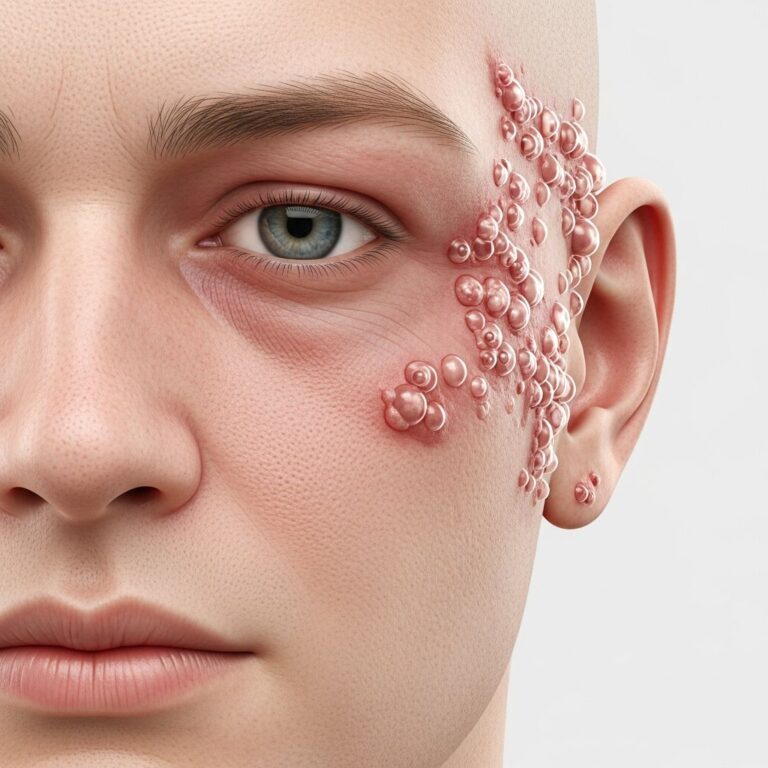
- Appearance variations: On cheeks, it may cause redness (keratosis pilaris rubra faceii); buttocks and trunk less common.
Symptoms fluctuate, improving in summer humidity and flaring in dry conditions. Affected areas lack hair follicles like palms or soles, so KP spares them.
Where Does Keratosis Pilaris Appear?
KP predominantly targets extensor surfaces: backs of upper arms (triceps area), front and outer thighs, and buttocks. Facial involvement occurs in 30-50% of children, especially cheeks, while less common sites include the chest, back, or calves.
- Upper arms: Most frequent, in patches.
- Thighs and buttocks: Symmetrical, rough texture.
- Face (cheeks): Reddish in fair skin, more noticeable in kids.
- Rare: Trunk, forearms, or calves.
In skin of color, bumps may appear hyperpigmented (brown/black), mimicking folliculitis.
Causes of Keratosis Pilaris
The exact cause remains unclear, but KP stems from faulty keratinization where the protein builds up, plugging follicles instead of shedding normally. Genetic factors play a key role, with 50-70% familial incidence, and it’s linked to atopy (eczema, asthma).
Other contributors include:
- Dry skin: Low humidity exacerbates keratin retention.
- Abnormal filaggrin: A protein for skin barrier function, deficient in atopic individuals.
- Hair coiling: Trapped hairs inflame follicles.
No infectious or dietary triggers like gluten are proven, despite myths.
Risk Factors for Keratosis Pilaris
| Risk Factor | Description |
|---|---|
| Age | Peaks in childhood/teens; fades post-30 for many. |
| Family History | Strong genetic component; autosomal dominant pattern. |
| Atopic Conditions | Associated with eczema (up to 50% overlap), allergies, asthma. |
| Skin Type | More visible/red on fair skin; hyperpigmented on darker tones. |
Women may notice it more due to cosmetic concerns, but prevalence is similar across genders.
How Keratosis Pilaris Is Diagnosed
Related Stories



Diagnosis is clinical, based on visual exam of characteristic follicular bumps without needing tests. Providers assess location, texture, and history of atopy. Differentials include eczema, psoriasis, or folliculitis; biopsy is rare but shows hyperkeratosis if needed.
See a dermatologist if bumps itch intensely, spread, or cause scarring from picking.
Treatment and Management for Keratosis Pilaris
No cure exists, but symptoms improve with consistent moisturizing and exfoliation; many cases self-resolve. Treatments are symptomatic and ongoing.
- Daily Moisturizers: Thick creams with urea (10-20%), lactic acid, or salicylic acid to soften keratin.
- Exfoliants: Gentle scrubs or chemical peels (alpha-hydroxy acids) 2-3x/week.
- Topicals: Topical steroids or retinoids for inflammation; lactic acid lotions first-line.
- Devices: Laser therapy for persistent redness.
Avoid harsh scrubbing to prevent irritation. Humidifiers help in dry climates.
Home Remedies and Prevention Tips
Prevent flares with a gentle routine:
- Moisturize twice daily post-bath, using fragrance-free products.
- Short, lukewarm showers; pat dry.
- Pumice stone or loofah gently on bumps.
- Sunscreen to avoid pigmentation.
Over-the-counter options like CeraVe SA or AmLactin (lactic acid) are effective starters.
When to See a Doctor for Keratosis Pilaris
Consult if bumps become painful, infected (pus), or unresponsive to home care, or if psychological impact is significant. Rarely, it signals underlying ichthyosis or Netherton syndrome.
Frequently Asked Questions (FAQs)
Is keratosis pilaris contagious?
No, KP is not infectious; it’s genetic and noninfectious.
Does keratosis pilaris go away?
Often improves with age, clearing by 30 for many, but may persist mildly.
Can diet affect keratosis pilaris?
No evidence links diet (e.g., gluten) to KP; focus on skin hydration.
Is keratosis pilaris the same as acne?
No, KP involves keratin plugs, not oil/sebum like acne.
Can I pop keratosis pilaris bumps?
Avoid; it risks scarring or infection.
Living with Keratosis Pilaris
KP rarely impacts health but can affect self-esteem due to appearance. Embrace it as common—over 50% of teens experience it—and consistent care yields smoother skin. Patience is key; combine hydration, exfoliation, and professional input for best results.
References
- Keratosis pilaris – NHS — NHS. 2023. https://www.nhs.uk/conditions/keratosis-pilaris/
- Keratosis pilaris – Symptoms and causes – Mayo Clinic — Mayo Clinic. 2023-11-07. https://www.mayoclinic.org/diseases-conditions/keratosis-pilaris/symptoms-causes/syc-20351149
- Keratosis Pilaris: Symptoms, Causes, and Treatment – DermNet — DermNet NZ. 2024. https://dermnetnz.org/topics/keratosis-pilaris
- Keratosis Pilaris: What It Is, Causes, Symptoms & Treatment — Cleveland Clinic. 2023-10-11. https://my.clevelandclinic.org/health/diseases/17758-keratosis-pilaris
- Keratosis Pilaris – StatPearls – NCBI Bookshelf — NCBI. 2023-07-17. https://www.ncbi.nlm.nih.gov/books/NBK546708/
Similar Articles








Read full bio of Sneha Tete