Keratosis Pilaris: Treatment and Self-Care Guide
Master keratosis pilaris management with proven treatments and daily self-care strategies.
Understanding Keratosis Pilaris
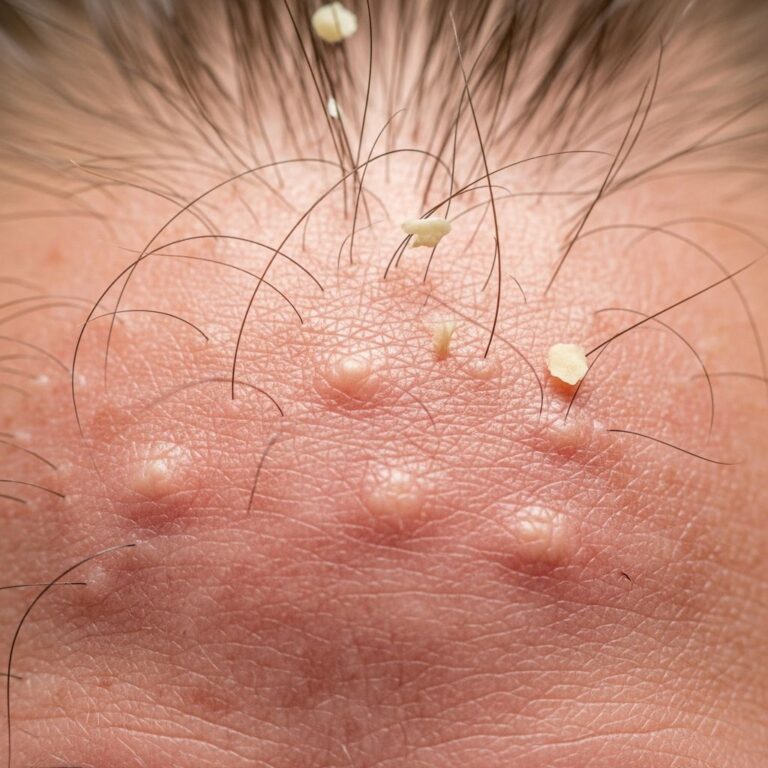
Keratosis pilaris is a common skin condition characterized by small, firm bumps that typically appear on the upper arms, thighs, cheeks, and buttocks. While this condition is harmless and non-contagious, many people seek treatment to improve the appearance of their skin. Unlike some skin conditions, keratosis pilaris cannot be cured permanently, but it can be effectively managed with the right combination of treatments and daily self-care practices.
The bumps associated with keratosis pilaris develop when keratin, a protein produced by the skin, accumulates and clogs hair follicles. This buildup creates the characteristic rough, bumpy texture that gives the condition its name. Understanding the underlying cause helps explain why certain treatment approaches work better than others.
Home Treatment Strategies
Many people experience significant improvement in their keratosis pilaris symptoms by following a consistent at-home treatment regimen. Dermatologists recommend a three-step approach that addresses the root cause of the condition while maintaining skin health.
Step 1: Gentle Exfoliation
Exfoliation is fundamental to managing keratosis pilaris because it removes the dead skin cells that accumulate on the surface and contribute to the bumpy appearance. However, the key word here is gentle. Vigorous scrubbing can irritate your skin and actually worsen the condition, making it more inflamed and uncomfortable.
To exfoliate properly, use a soft loofah, buff puff, or gentle washcloth with light circular motions. Avoid harsh scrubbing or aggressive physical exfoliants that might damage your skin barrier. Many dermatologists recommend exfoliating the affected areas once or twice weekly, adjusting frequency based on how your skin responds.
Step 2: Apply Chemical Exfoliants (Keratolytics)
After gentle physical exfoliation, applying a chemical exfoliant helps dissolve the keratin buildup more effectively than physical methods alone. These products, known as keratolytics, work by chemically breaking down dead skin cells and the keratin plugs that cause the bumps.
Look for products containing these active ingredients:
- Alpha hydroxy acids (AHAs)
- Beta hydroxy acids (BHAs)
- Lactic acid
- Urea
- Topical retinoids
When using a keratolytic product, follow the directions precisely. Overuse or applying too much product can lead to raw, irritated skin. Even when following directions correctly, some people experience dryness or irritation. If this occurs, discontinue use for a few days and allow your skin to recover. Apply these products only as directed—typically once or twice daily—and monitor your skin’s response carefully.
Step 3: Moisturize Thoroughly
Since chemical exfoliants can dry out your skin, moisturizing is absolutely essential. Proper hydration helps soften the bumps, reduce flakiness, and restore your skin barrier. Choose thick, oil-free moisturizers rather than lightweight lotions, as these provide better hydration without clogging pores.
Related Stories



The best moisturizers for keratosis pilaris contain:
- Lanolin
- Petroleum jelly
- Glycerin
- Ceramides
- Shea butter
- Urea or lactic acid
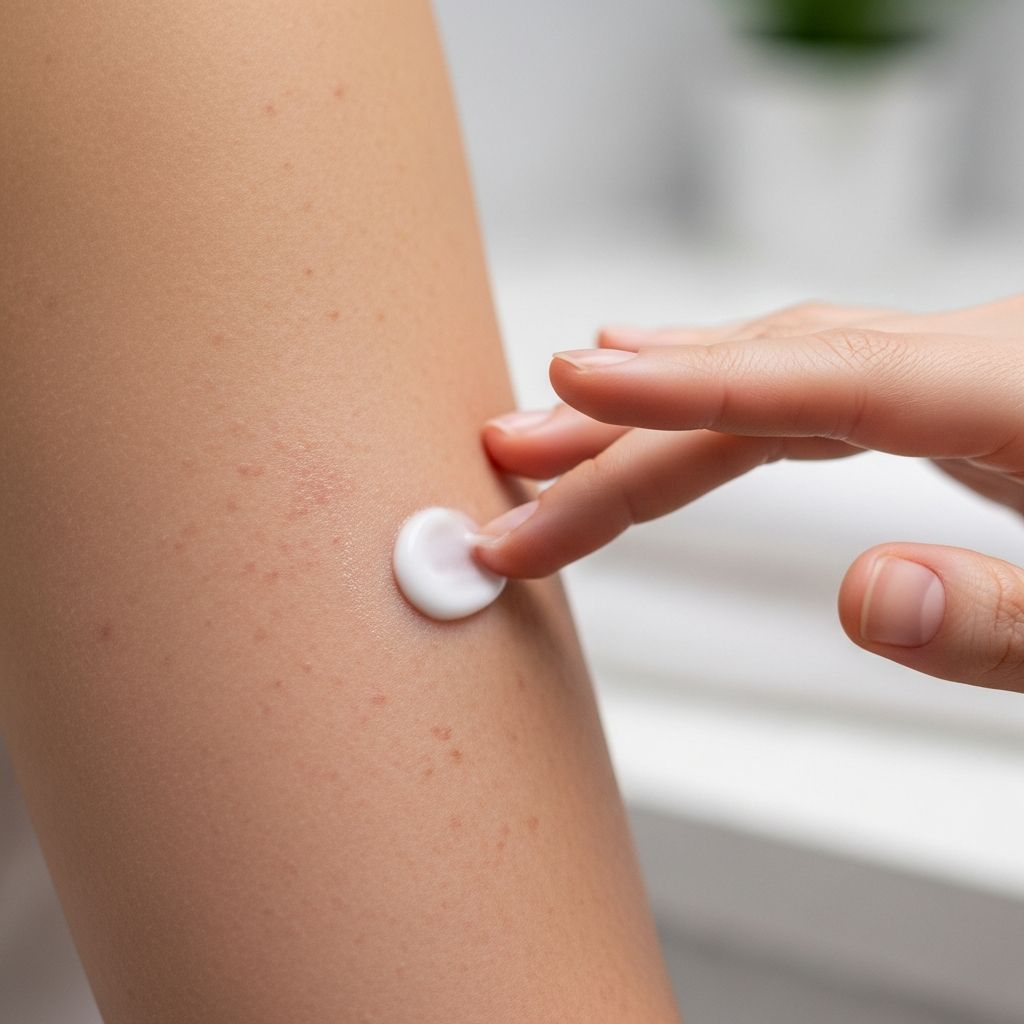
Apply moisturizer to damp skin within five minutes of bathing to trap moisture effectively. Reapply the product several times throughout the day, especially when your skin feels dry. Thicker creams and ointments like Eucerin and Cetaphil are often recommended by dermatologists for their superior moisturizing properties.
Preventing Flare-Ups and Maintaining Results
Since keratosis pilaris cannot be cured permanently, maintaining clear skin requires ongoing care. Most people need to continue their treatment routine several times per week to keep bumps from returning. Additionally, taking specific precautions helps prevent flare-ups and keeps your skin looking its best.
Bathing and Showering Habits
How you bathe significantly impacts keratosis pilaris. Hot water strips away natural oils from your skin, causing dryness that can trigger or worsen flare-ups. Instead, take warm showers and limit bathing time to 10-20 minutes or less. Additionally, limit yourself to one bath or shower daily to prevent excessive drying.
When washing, use a mild, fragrance-free cleanser rather than bar soap, which tends to be drying. After bathing, gently pat or blot your skin with a towel, leaving some moisture on the surface. This damp skin is the perfect time to apply your moisturizer.
Moisturization Schedule
Regular moisturization is one of the most important prevention strategies. Since keratosis pilaris often flares when skin becomes dry, maintaining consistent hydration prevents these flare-ups. Apply a thick oil-free cream or ointment to affected areas multiple times daily, particularly when your skin feels dry.
For best results, select moisturizers containing urea or lactic acid, which provide both hydration and gentle exfoliation benefits.
Hair Removal Considerations
Shaving and waxing can irritate hair follicles and cause additional bumps or worsen existing keratosis pilaris. If you need to remove hair from affected areas, consider laser hair removal instead. This method removes hair without creating the irritation associated with traditional hair removal techniques.
Environmental Factors
Humidity levels in your environment affect skin dryness significantly. During dry seasons or in arid climates, using a humidifier adds moisture to the air and helps prevent your skin from drying out. A portable humidifier or one attached to your furnace can make a substantial difference in managing your condition.
Additionally, avoid wearing tight clothing that creates friction against affected skin areas. Friction can irritate the condition and make bumps more prominent.
Lifestyle Modifications for Better Skin
Dietary Considerations
While no specific food cures keratosis pilaris, certain dietary choices support overall skin health. Omega-3 fatty acids found in fish, flaxseeds, and walnuts help fight inflammation. Vitamins A and E support skin regeneration and repair. Maintaining consistent hydration by drinking adequate water throughout the day is essential for skin health from within.
Limiting processed foods and excess sugar may also help, as these can contribute to skin issues and inflammation.
Stress Management
Although stress doesn’t directly cause keratosis pilaris, it can exacerbate flare-ups and disrupt overall skin health. Managing stress through mindfulness, meditation, regular physical activity, and maintaining consistent sleep schedules supports your skin’s healing and regeneration. Even five minutes of daily meditation or a 20-minute walk can help reduce stress levels and promote healthier skin.
Professional Treatments
When home remedies don’t provide satisfactory results after consistent use for several weeks, dermatologists can recommend stronger treatments.
Topical Prescription Options
Dermatologists may recommend stronger chemical exfoliants than over-the-counter alternatives. These prescription-strength treatments more effectively dissolve keratin buildup and improve skin texture. Options include stronger formulations of retinoids, AHAs, and BHAs designed specifically for stubborn cases.
Laser Treatments
For reducing the discoloration and redness associated with keratosis pilaris, laser treatments can provide significant improvement. Dermatologists perform these professional procedures, which help smooth the skin’s appearance and reduce visible bumps.
When to See a Dermatologist
If your keratosis pilaris remains despite consistent home treatment efforts, scheduling an appointment with a dermatologist is worthwhile. A skin specialist can assess your specific situation, recommend prescription-strength treatments tailored to your skin type, and discuss professional options like laser therapy. This personalized approach often yields better results than generic over-the-counter solutions.
Area-Specific Treatment Approaches
Facial Keratosis Pilaris
Facial skin is more delicate than other body areas, requiring gentler treatment approaches. Use mild exfoliants like lactic acid or enzyme-based cleansers rather than harsh scrubs. Avoid overusing retinoids, which can trigger excessive redness or peeling on facial skin. Keep the area well-moisturized with non-comedogenic creams that won’t clog pores. Many people benefit from consulting a dermatologist for a customized facial regimen.
Body Areas
Keratosis pilaris on arms, thighs, and buttocks can typically tolerate slightly stronger treatments than facial skin. You can use more robust exfoliants and chemical treatments on these areas while still maintaining a gentle approach.
Creating Your Skincare Routine
Consistency is absolutely essential when managing keratosis pilaris. A basic, non-irritating routine followed daily provides better results than expensive, complicated regimens used sporadically.
Daily Routine Framework
- Cleanse gently: Use fragrance-free, hydrating cleansers morning and night
- Exfoliate strategically: Use chemical exfoliants 1-2 times weekly
- Moisturize immediately: Apply moisturizer to damp skin after bathing
- Reapply throughout the day: Add moisturizer when skin feels dry
- Use warm water: Avoid hot showers that dry out skin
- Avoid irritants: Skip products with alcohol, dyes, and strong fragrances
Testing New Products
When trying a new product, test it on a small area of affected skin first, such as a small section of your arm. If the product works well and doesn’t cause a reaction after a few days, expand use to all affected areas. This cautious approach prevents wasting money on products that might irritate your specific skin type.
Products to Avoid
Certain products can worsen keratosis pilaris or trigger flare-ups. Avoid self-tanners, which tend to make bumps more obvious rather than concealing them. Harsh, drying soaps should be eliminated from your routine. Products containing alcohol or strong fragrances can irritate sensitive skin and exacerbate the condition.
Frequently Asked Questions
Q: Can keratosis pilaris be cured?
A: No, keratosis pilaris cannot be permanently cured. However, it can be effectively managed with consistent treatment and self-care, and symptoms often improve or disappear during warmer months with higher humidity.
Q: How long does it take to see improvements?
A: Most people begin seeing improvements within 2-3 weeks of consistent treatment. However, results are gradual, and significant improvement may take 4-6 weeks. Patience and consistency are essential for success.
Q: Is keratosis pilaris contagious?
A: No, keratosis pilaris is not contagious. It’s a genetic skin condition related to how your body processes keratin, not an infection.
Q: Can I use all three treatment steps daily?
A: While you can moisturize daily, limit exfoliation to 1-2 times per week. Daily exfoliation can over-dry your skin and cause irritation. Follow product directions carefully for chemical exfoliants.
Q: What should I do if my skin becomes irritated?
A: If your skin becomes too dry or irritated, stop using the product for a few days and allow your skin to recover. When resuming treatment, use it less frequently or switch to a gentler formulation.
Q: Why is my keratosis pilaris worse in winter?
A: Cold weather and reduced humidity cause skin to dry out more easily, triggering or worsening keratosis pilaris. Using a humidifier and moisturizing more frequently during winter helps manage the condition.
Q: Can diet alone improve keratosis pilaris?
A: Diet supports overall skin health but cannot alone treat keratosis pilaris. Combining good nutrition with topical treatments and proper skincare yields the best results.
Conclusion
Keratosis pilaris is a manageable condition that responds well to consistent, appropriate treatment. By following a three-step approach of gentle exfoliation, chemical exfoliant application, and thorough moisturization, most people see significant improvement in their skin’s appearance. Remember that this condition requires ongoing maintenance, as symptoms return without continued care. If home treatments don’t provide satisfactory results after several weeks of consistent use, consulting a dermatologist can help you explore prescription-strength options and professional treatments like laser therapy. With the right approach tailored to your skin’s needs, you can achieve smoother, clearer skin and manage keratosis pilaris effectively.
References
- Keratosis Pilaris: Self-Care — American Academy of Dermatology. 2024. https://www.aad.org/public/diseases/a-z/keratosis-pilaris-self-care
- Understanding Keratosis Pilaris: Causes, Treatments, and Skincare — Dermatology Seattle. 2024. https://dermatologyseattle.com/keratosis-pilaris-treatment-guide/
- Keratosis Pilaris: Diagnosis and Treatment — Mayo Clinic. 2024. https://www.mayoclinic.org/diseases-conditions/keratosis-pilaris/diagnosis-treatment/drc-20351152
- How to Manage Keratosis Pilaris: A Combination Approach — Dr. Sam Bunting. 2024. https://drsambunting.com/en-us/blogs/sam-bunting/how-to-treat-keratosis-pilaris
- Keratosis Pilaris: What It Is, Causes, Symptoms & Treatment — Cleveland Clinic. 2024. https://my.clevelandclinic.org/health/diseases/17758-keratosis-pilaris
Similar Articles








Read full bio of medha deb